Commentary - (2025) Volume 11, Issue 5
Received: 01-Sep-2025, Manuscript No. jfim-26-178577;
Editor assigned: 03-Sep-2025, Pre QC No. P-178577;
Reviewed: 17-Sep-2025, QC No. Q-178577;
Revised: 22-Sep-2025, Manuscript No. R-178577;
Published:
29-Sep-2025
, DOI: 10.37421/2572-4134.2025.11.363
Citation: Ruiz, Alejandro P.. ”Gut Microbiota: Fueling Health, Influencing Nutrition.” J Food Ind Microbiol 11 (2025):363.
Copyright: © 2025 Ruiz P. Alejandro This is an open-access article distributed under the terms of the Creative Commons Attribution License, which permits unrestricted use, distribution and reproduction in any medium, provided the original author and source are credited.
The gut microbiota plays a pivotal role in enhancing food digestibility and nutrient absorption by breaking down complex carbohydrates, synthesizing essential vitamins, and modifying bioactive compounds. Specific microbial communities can improve the bioavailability of minerals like iron and calcium and aid in the metabolism of dietary fats and proteins. Furthermore, the microbiota influences host metabolism and immune function, indirectly impacting nutritional status and overall health. Disruptions to this delicate balance can lead to maldigestion, nutrient deficiencies, and an increased risk of metabolic disorders [1].
Microbial enzymes are critical for the breakdown of dietary fibers and other complex carbohydrates that humans cannot digest on their own, releasing short-chain fatty acids (SCFAs) like butyrate, propionate, and acetate. These SCFAs serve as energy sources for colonocytes, modulate immune responses, and contribute to gut barrier integrity. Different microbial populations exhibit varying enzymatic capabilities, meaning the composition of the microbiota directly influences the efficiency of carbohydrate fermentation and the production of beneficial SCFAs [2].
The gut microbiota significantly impacts the bioavailability of micronutrients. It can synthesize vitamins, such as vitamin K and several B vitamins (biotin, folate, B12), and can also influence the absorption of minerals like calcium, magnesium, and iron by altering gut pH and producing chelating agents. For instance, certain bacteria can reduce ferric iron to the more absorbable ferrous form. Conversely, dysbiosis can impair vitamin synthesis and mineral absorption, potentially leading to deficiencies [3].
Beyond direct nutrient metabolism, the microbiota plays a role in the biotransformation of dietary compounds into bioactive molecules. This includes the metabolism of polyphenols, which are often poorly absorbed in their native form. Gut microbes can convert these complex compounds into more bioavailable and biologically active metabolites, which may exert antioxidant, anti-inflammatory, and other health-promoting effects. The specific metabolic pathways involved are highly dependent on the composition of the individual's microbiota [4].
The interaction between host diet and the gut microbiota is bidirectional and significantly impacts digestive processes. Diet shapes the composition and function of the microbiota, while the microbiota, in turn, influences how the host digests and absorbs nutrients from that diet. For example, a diet rich in fiber promotes the growth of fiber-degrading bacteria, enhancing SCFA production and improving gut health. Conversely, diets high in processed foods and sugars can lead to dysbiosis and reduced digestive efficiency [5].
Specific microbial communities can influence the breakdown and utilization of proteins and amino acids. Some bacteria can produce proteases that aid in protein digestion, releasing amino acids for absorption. Furthermore, the microbiota can synthesize certain amino acids and also participate in the metabolism of amino acids, influencing their availability to the host and potentially producing compounds that affect gut signaling and nutrient absorption [6].
The impact of probiotics and prebiotics on food digestibility and nutrient absorption is a growing area of research. Probiotics, live beneficial bacteria, can directly enhance nutrient breakdown and absorption, while prebiotics, non-digestible fibers, selectively promote the growth of beneficial microbes that contribute to digestion and nutrient availability. This targeted modulation of the microbiota offers a promising avenue for improving nutritional outcomes [7].
The microbiota's ability to metabolize dietary fats is complex. Certain gut bacteria can influence lipid absorption and metabolism, impacting energy balance and the risk of obesity. Microbial enzymes can modify fatty acids, and the microbiota can also affect the synthesis and signaling of hormones involved in fat metabolism. Dysbiosis has been linked to altered fat digestion and increased inflammation [8].
Individual variations in gut microbiota composition lead to differential responses in food digestion and nutrient assimilation. Factors such as genetics, diet, lifestyle, and antibiotic use can shape an individual's microbial ecosystem, thereby influencing how effectively they digest and absorb nutrients from the same food source. Understanding these personalized microbial profiles is crucial for optimizing dietary recommendations and nutritional interventions [9].
The gut microbiota contributes to the breakdown of xenobiotics, including pharmaceuticals and food additives, which can indirectly affect nutrient availability and host metabolism. While this function is primarily related to detoxification, it highlights the broad metabolic capabilities of the microbial community and its influence on the fate of ingested substances, including potential impacts on the absorption or activity of certain nutrients [10].
The gut microbiota plays a crucial role in enhancing food digestibility and nutrient absorption through several mechanisms. It breaks down complex carbohydrates that humans cannot digest, synthesizes essential vitamins like vitamin K and several B vitamins, and modifies bioactive compounds, thereby improving the bioavailability of nutrients such as iron and calcium. The microbiota also aids in the metabolism of dietary fats and proteins, influencing host metabolism and immune function, which indirectly impacts nutritional status and overall health. Disruptions to this delicate microbial balance can result in maldigestion, nutrient deficiencies, and an increased risk of metabolic disorders [1].
Microbial enzymes are integral to the breakdown of dietary fibers and other complex carbohydrates that are indigestible by humans. This process releases short-chain fatty acids (SCFAs) such as butyrate, propionate, and acetate. These SCFAs are vital energy sources for colonocytes, help modulate immune responses, and maintain gut barrier integrity. The specific enzymatic capabilities vary among different microbial populations, indicating that the composition of the microbiota directly affects the efficiency of carbohydrate fermentation and the subsequent production of beneficial SCFAs [2].
The gut microbiota has a significant impact on the bioavailability of micronutrients. It is capable of synthesizing essential vitamins, including vitamin K and various B vitamins such as biotin, folate, and B12. Moreover, it can influence the absorption of minerals like calcium, magnesium, and iron by altering the gut's pH and generating chelating agents. For example, certain bacterial species can reduce ferric iron to the more absorbable ferrous form. Conversely, an imbalance in the microbiota, known as dysbiosis, can impair vitamin synthesis and mineral absorption, potentially leading to nutrient deficiencies [3].
In addition to direct nutrient metabolism, the microbiota is involved in the biotransformation of dietary compounds into bioactive molecules. This includes the metabolism of polyphenols, which are often poorly absorbed in their native state. Gut microbes can transform these complex compounds into more bioavailable and biologically active metabolites that may offer antioxidant and anti-inflammatory benefits, contributing to overall health. The specific metabolic pathways employed are highly dependent on the individual's unique microbiota composition [4].
The interaction between an individual's diet and their gut microbiota is a bidirectional relationship that profoundly influences digestive processes. Diet shapes the composition and functional capacity of the microbiota, while the microbiota, in turn, affects how the host digests and absorbs nutrients from the consumed food. For instance, a diet rich in fiber encourages the growth of fiber-degrading bacteria, which leads to increased SCFA production and improved gut health. Conversely, diets characterized by high consumption of processed foods and sugars can promote dysbiosis and reduce digestive efficiency [5].
Certain microbial communities possess the ability to influence the breakdown and utilization of proteins and amino acids. Some bacteria produce proteases that facilitate protein digestion, releasing amino acids that can be absorbed by the host. Furthermore, the microbiota can synthesize specific amino acids and participate in amino acid metabolism, thereby affecting their availability to the host and potentially generating compounds that influence gut signaling and nutrient absorption [6].
The role of probiotics and prebiotics in enhancing food digestibility and nutrient absorption is a rapidly expanding field of research. Probiotics, which are live beneficial bacteria, can directly contribute to improved nutrient breakdown and absorption. Prebiotics, on the other hand, are non-digestible fibers that selectively stimulate the growth of beneficial microbes known to aid in digestion and nutrient availability. This targeted modulation of the gut microbiota presents a promising strategy for optimizing nutritional outcomes [7].
The microbiota's capacity to metabolize dietary fats is a complex process. Specific gut bacteria can modulate lipid absorption and metabolism, thereby impacting energy balance and the risk of obesity. Microbial enzymes are capable of modifying fatty acids, and the microbiota can also influence the synthesis and signaling of hormones critical for fat metabolism. Dysbiosis has been associated with altered fat digestion and an increase in inflammatory processes [8].
Individual differences in gut microbiota composition result in varied responses to food digestion and nutrient assimilation. Factors such as genetics, diet, lifestyle, and the use of antibiotics can shape an individual's microbial ecosystem, consequently affecting their efficiency in digesting and absorbing nutrients from the same food source. Understanding these personalized microbial profiles is essential for tailoring dietary recommendations and nutritional interventions effectively [9].
The gut microbiota contributes to the breakdown of xenobiotics, including pharmaceuticals and food additives. This metabolic activity can indirectly influence nutrient availability and host metabolism. While this function is predominantly linked to detoxification, it underscores the extensive metabolic capabilities of the microbial community and its impact on the fate of ingested substances, potentially affecting the absorption or activity of certain nutrients [10].
The gut microbiota is integral to human health, playing a vital role in food digestion and nutrient absorption. It breaks down complex carbohydrates, synthesizes essential vitamins, and metabolizes fats and proteins, thereby influencing host metabolism and immune function. Microbial enzymes are key to fermenting dietary fibers into beneficial short-chain fatty acids. The microbiota also impacts micronutrient bioavailability and biotransforms dietary compounds into bioactive molecules. Diet significantly shapes the gut microbiome, and conversely, the microbiome influences nutrient assimilation. Probiotics and prebiotics can be used to modulate the microbiota for improved digestion. Individual variations in gut microbiota composition lead to personalized responses to food, highlighting the importance of personalized nutrition. The microbiota also metabolizes xenobiotics, indirectly affecting nutrient availability.
None
None
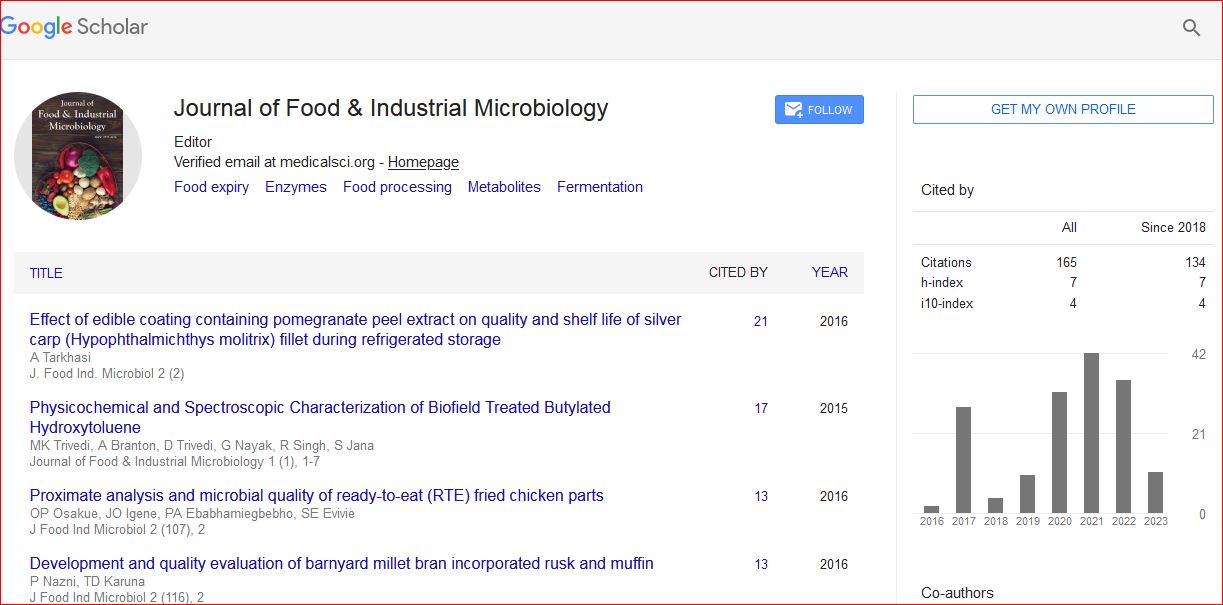
Journal of Food & Industrial Microbiology received 160 citations as per Google Scholar report