Opinion - (2025) Volume 11, Issue 4
Received: 01-Jul-2025, Manuscript No. jfim-26-178571;
Editor assigned: 03-Jul-2025, Pre QC No. P-178571;
Reviewed: 17-Jul-2025, QC No. Q-178571;
Revised: 22-Jul-2025, Manuscript No. R-178571;
Published:
29-Jul-2025
, DOI: 10.37421/2572-4134.2025.11.357
Citation: Mensah, Samuel K.. ”Microbial valorization of food waste into valuable products.” J Food Ind Microbiol 11 (2025):357.
Copyright: © 2025 Mensah K. Samuel This is an open-access article distributed under the terms of the Creative Commons Attribution License, which permits unrestricted use, distribution and reproduction in any medium, provided the original author and source are credited.
Microorganisms are fundamental agents in the transformation of food waste into valuable resources, a process broadly termed food waste valorization. This intricate biological process harnesses the metabolic capabilities of diverse microbial communities to convert complex organic matter into a spectrum of high-value products, including bioenergy, biofuels, bioplastics, enzymes, and other industrially significant compounds. Key microbial players in this ecosystem include bacteria, fungi, and algae, each possessing unique enzymatic pathways essential for the breakdown of carbohydrates, proteins, and lipids within food waste. For instance, anaerobic digestion, primarily driven by bacterial communities, is a critical pathway for the production of biogas, a renewable energy source. Concurrently, fungal fermentation contributes significantly to the generation of enzymes and various organic acids. This multifaceted microbial approach not only addresses the escalating environmental challenges posed by food waste accumulation but also actively promotes the principles of a circular economy by enabling efficient resource recovery and reuse. The initial breakdown of lignocellulosic components present in food waste often necessitates enzymatic hydrolysis. This crucial step, mediated by microbial enzymes, renders complex plant-based materials accessible for subsequent microbial fermentation. Filamentous fungi, particularly species belonging to the genera Aspergillus and Trichoderma, are recognized for their prolific production of essential enzymes such as cellulases and hemicellulases. These enzymes are indispensable for the degradation of recalcitrant plant waste fractions. Current research endeavors are focused on optimizing enzyme production through advanced techniques like solid-state and submerged fermentation, aiming to achieve higher yields and tailor enzyme specificities for diverse waste streams, thereby facilitating the efficient release of fermentable sugars for downstream bioprocessing. Biogas generation via anaerobic digestion (AD) stands as a well-established and effective method for the valorization of organic food waste. This biochemical process is underpinned by a consortium of anaerobic bacteria and archaea that work in a sequential manner to degrade complex organic matter, ultimately producing methane and carbon dioxide. The efficiency of AD is significantly influenced by various operational parameters, including temperature, pH, and the presence of inhibitory substances. Contemporary advancements in this field are concentrating on the optimization of microbial communities, the enhancement of feedstock pretreatment strategies, and the integration of AD with other biotechnological processes to foster a more comprehensive and efficient waste-to-energy system. The microbial production of polyhydroxyalkanoates (PHAs), which are biodegradable bioplastics, from food waste is emerging as a promising valorization pathway. Specific bacterial species, such as Cupriavidus necator and Bacillus megaterium, possess the remarkable ability to accumulate PHAs when provided with carbon sources derived from food waste, such as sugars and fatty acids. Ongoing research is dedicated to developing cost-effective PHA production methods by optimizing fermentation conditions and identifying efficient bacterial strains capable of utilizing a wide array of food waste components, thereby offering a sustainable alternative to conventional petroleum-based plastics. Fermentation of food waste by specifically selected microorganisms can yield valuable organic acids, including lactic acid and citric acid, which find extensive applications across the food, pharmaceutical, and chemical industries. For example, lactic acid bacteria are highly efficient in converting sugars present in fruit and vegetable waste into lactic acid. Current research efforts are directed towards optimizing fermentation parameters and exploring co-culturing strategies to significantly enhance the yields and purity of these valuable organic acid products. The utilization of edible fungi, such as various mushroom species, in the biotransformation of food waste represents an innovative and evolving area of research. Key applications include mycoremediation, where fungi break down complex organic compounds and detoxify pollutants in food waste, and mycoprotein production, where fungi accumulate valuable biomass rich in protein and essential nutrients. This dual-benefit approach not only contributes to waste reduction but also facilitates resource recovery, thereby supporting the development of more sustainable food systems. Microalgae present a compelling avenue for the valorization of specific constituents found in food waste, particularly wastewater streams that are rich in essential nutrients like nitrogen and phosphorus. Algae are adept at efficiently assimilating these nutrients for their biomass production, which can subsequently be utilized for various purposes, including biofuel generation, animal feed, or the extraction of valuable biochemicals. Research is actively exploring ways to optimize algal growth conditions and identify robust algal strains that can thrive in nutrient-rich effluents originating from the food processing industries. The development and application of novel microbial consortia, specifically engineered for targeted food waste valorization pathways, are becoming increasingly critical. This area of research necessitates a deep understanding of the synergistic interactions that occur between different microbial species to achieve efficient degradation of complex substrates and optimal production of desired metabolites. Advanced analytical techniques, such as metagenomic and metatranscriptomic analyses, are proving to be invaluable tools for characterizing these intricate microbial communities and optimizing their performance within bioreactor systems. The valorization of food waste into biofertilizers through microbial fermentation offers a sustainable and environmentally sound strategy for nutrient recycling. Microorganisms play a pivotal role in mineralizing organic matter, improving soil structure, and enhancing the availability of essential nutrients for plant growth. Processes like composting and vermicomposting, often augmented by the introduction of specific microbial inoculants, are key to this valorization pathway. Current research is focused on identifying microbial communities that can promote rapid decomposition and yield biofertilizers with enhanced efficacy. The bioconversion of protein-rich food waste into value-added products such as animal feed ingredients and enzymes constitutes an important valorization strategy. Microbes, particularly bacteria and fungi, are highly effective in hydrolyzing proteins and transforming them into more digestible and nutritious forms. Furthermore, the proteases secreted by these microorganisms directly contribute to the production of protein hydrolysates possessing specific functional properties, making them useful in a wide array of industrial applications.
Microorganisms are pivotal in transforming food waste into valuable products through a process known as food waste valorization. This method utilizes microbial metabolic capabilities to convert complex organic matter into bioenergy, biofuels, bioplastics, enzymes, and other high-value compounds. Key microbial groups involved include bacteria, fungi, and algae, each with unique enzymatic pathways for breaking down carbohydrates, proteins, and lipids. For instance, anaerobic digestion by bacteria is crucial for biogas production, while fungal fermentation can yield enzymes and organic acids. This approach mitigates environmental pollution from food waste and promotes a circular economy by recovering resources [1].
Enzymatic hydrolysis, mediated by microbial enzymes, is a fundamental step in breaking down lignocellulosic components of food waste, making them accessible for further microbial fermentation. Filamentous fungi, especially species of Aspergillus and Trichoderma, are prolific producers of cellulases and hemicellulases, which are essential for degrading plant-based waste fractions. Research focuses on optimizing enzyme production through solid-state and submerged fermentation techniques to achieve higher yields and specific activities tailored for different waste streams, ensuring efficient release of fermentable sugars for downstream bioprocessing [2].
Biogas production through anaerobic digestion (AD) is a well-established method for valorizing organic food waste. This process relies on a consortium of anaerobic bacteria and archaea that sequentially degrade complex organic matter into methane and carbon dioxide. Factors such as temperature, pH, and the presence of inhibitory substances significantly influence AD efficiency. Recent advancements focus on optimizing microbial communities, enhancing feedstock pretreatment, and integrating AD with other biotechnological processes for a more comprehensive waste-to-energy strategy [3].
The production of polyhydroxyalkanoates (PHAs), biodegradable bioplastics, from food waste is gaining traction. Certain bacteria, such as Cupriavidus necator and Bacillus megaterium, can accumulate PHAs when supplied with carbon sources derived from food waste, like sugars and fatty acids. Research is exploring cost-effective PHA production by optimizing fermentation conditions and identifying efficient bacterial strains capable of utilizing diverse food waste components, offering a sustainable alternative to conventional petroleum-based plastics [4].
Fermentation of food waste by specific microorganisms can yield valuable organic acids, such as lactic acid and citric acid, which have widespread applications in the food, pharmaceutical, and chemical industries. For example, lactic acid bacteria can efficiently convert sugars from fruit and vegetable waste into lactic acid. Optimizing fermentation parameters and exploring co-culturing strategies are key areas of research to enhance yields and purity of these organic acid products [5].
The use of edible fungi, such as mushrooms, in the biotransformation of food waste is an emerging area. Mycoremediation and mycoprotein production are two key applications. Certain fungi can break down complex organic compounds in food waste, detoxify pollutants, and simultaneously accumulate valuable biomass rich in protein and nutrients. This approach offers a dual benefit of waste reduction and resource recovery, contributing to sustainable food systems [6].
Microalgae offer a promising avenue for valorizing specific components of food waste, particularly wastewater streams rich in nitrogen and phosphorus. Algae can efficiently uptake these nutrients for biomass production, which can then be used for biofuels, animal feed, or valuable biochemicals. Research explores optimizing algal growth conditions and identifying robust algal strains capable of thriving in nutrient-rich effluents from food processing industries [7].
The development of novel microbial consortia tailored for specific food waste valorization pathways is crucial. This involves understanding the synergistic interactions between different microbial species to achieve efficient breakdown of complex substrates and production of desired metabolites. Metagenomic and metatranscriptomic analyses are powerful tools for characterizing these complex microbial communities and optimizing their performance in bioreactors [8].
The valorization of food waste into biofertilizers through microbial fermentation is a sustainable approach to nutrient recycling. Microorganisms can mineralize organic matter, improve soil structure, and enhance nutrient availability. Composting and vermicomposting, often enhanced by specific microbial inoculants, are key processes. Research is focused on identifying microbial communities that promote rapid decomposition and produce biofertilizers with improved efficacy [9].
Bioconversion of protein-rich food waste into value-added products like animal feed ingredients and enzymes is an important valorization strategy. Microbes, particularly bacteria and fungi, can efficiently hydrolyze proteins and transform them into more digestible and nutritious forms. Proteases produced by these microorganisms also play a direct role in producing protein hydrolysates with specific functional properties, useful in various industrial applications [10].
Food waste valorization is a process where microorganisms transform waste into valuable products like bioenergy, biofuels, bioplastics, and enzymes. Key microbial groups, including bacteria, fungi, and algae, break down organic matter through pathways like anaerobic digestion and fermentation. Enzymes from fungi are essential for degrading plant waste, making sugars available for further processing. Anaerobic digestion by bacteria and archaea efficiently produces biogas. Specific bacteria can accumulate biodegradable bioplastics (PHAs) from food waste. Fungi also contribute to mycoprotein production and mycoremediation. Microalgae can utilize nutrients from food waste wastewater for biomass production. Developing tailored microbial consortia is crucial for optimizing these processes. Microbial fermentation is also used to create biofertilizers from food waste, promoting nutrient recycling. Additionally, protein-rich food waste can be bioconverted by microbes into animal feed ingredients and enzymes.
None
None
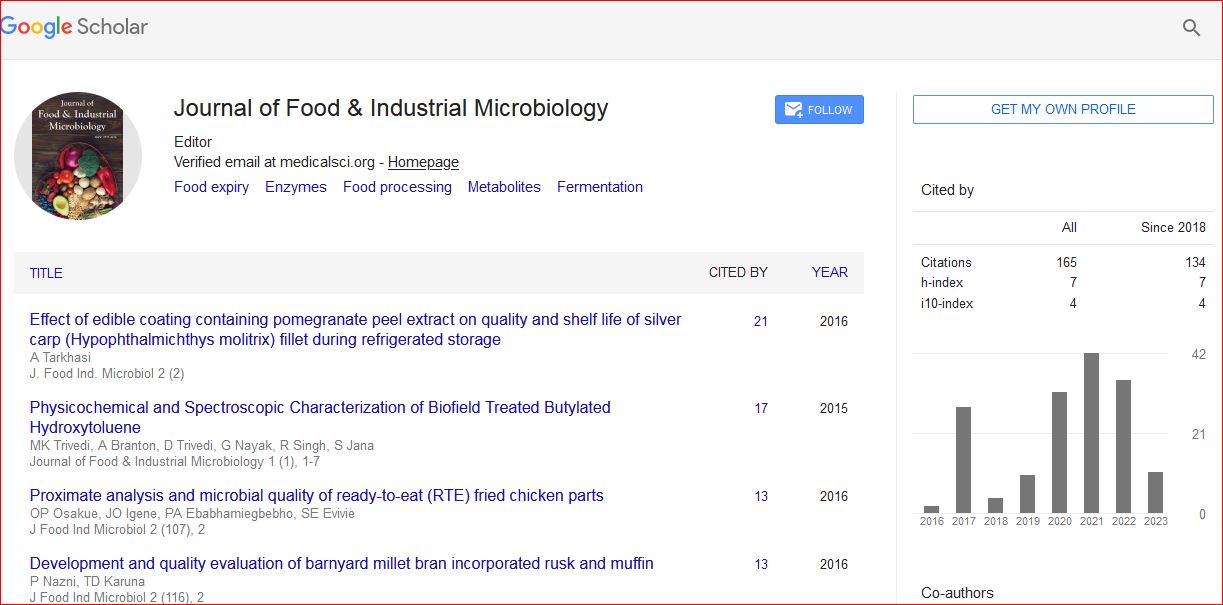
Journal of Food & Industrial Microbiology received 160 citations as per Google Scholar report