Commentary - (2025) Volume 11, Issue 2
Received: 01-Mar-2025, Manuscript No. jfim-26-178547;
Editor assigned: 03-Mar-2025, Pre QC No. P-178547;
Reviewed: 17-Mar-2025, QC No. Q-178547;
Revised: 24-Mar-2025, Manuscript No. R-178547;
Published:
31-Mar-2025
, DOI: 10.37421/2572-4134.2025.11.333
Citation: Fernandes, Maria L.. ”Microbial Ecology: The Heart of Fermented Foods.” J Food Ind Microbiol 11 (2025):333.
Copyright: © 2025 Fernandes L. Maria This is an open-access article distributed under the terms of the Creative Commons Attribution License, which permits unrestricted use,distribution and reproduction in any medium, provided the original author and source are credited.
The microbial communities within fermented foods are fundamental to their characteristic flavors, aromas, and textures. These microorganisms, including bacteria and yeasts, drive crucial biochemical transformations like lactic acid fermentation and alcohol production. Understanding this microbial ecology allows for targeted manipulation to enhance product quality, consistency, and shelf-life. Furthermore, the dynamic interactions within these microbial consortia can yield beneficial metabolites, contributing to the probiotic potential of fermented foods and impacting human health. [1] This review delves into the specific roles of lactic acid bacteria (LAB) in the fermentation of dairy products, highlighting how their metabolic activities, such as acid and bacteriocin production, directly influence the sensory attributes and microbial safety of products like yogurt and cheese. It underscores the importance of selecting starter cultures with defined properties for consistent quality. [2] The complex microbial ecosystem of sourdough bread fermentation is explored, emphasizing the symbiotic relationship between lactic acid bacteria and yeasts. This interaction dictates the dough's leavening, acidification, and the development of characteristic aromatic compounds, ultimately shaping the bread's texture, taste, and shelf life. The study also touches on the potential for unique flavor profiles through strain selection. [3] Investigating the fermentation of vegetables, this paper focuses on the role of naturally occurring or inoculated microorganisms in transforming raw vegetables into fermented products with enhanced nutritional value and unique sensory characteristics. It highlights how controlling microbial consortia influences the production of organic acids, volatile compounds, and textural changes, crucial for quality. [4] This study explores the microbial diversity in fermented beverages, such as kombucha and kefir. It emphasizes how the interplay between yeasts and bacteria contributes to the characteristic effervescence, acidity, and complex flavor profiles. Understanding these microbial dynamics is key to ensuring product consistency and safety, as well as identifying potential health benefits. [5] The impact of starter culture selection on the microbial ecology and quality of fermented sausages is examined. The research highlights how specific bacterial strains influence the development of desirable aromas, flavors, and textures, as well as inhibiting the growth of spoilage microorganisms. This control over the microbial environment is central to producing high-quality fermented meat products. [6] This article investigates the role of yeasts in the fermentation of cocoa beans, a critical step for developing the characteristic flavor precursors of chocolate. It details how different yeast species contribute to the initial stages of fermentation, influencing the production of sugars and organic acids that subsequently guide bacterial activity and final flavor development. [7] The complex microbial communities found in kimchi are examined, highlighting the synergistic interactions between lactic acid bacteria and other microbes. This research demonstrates how these interactions influence the fermentation process, leading to the development of distinctive sourness, aroma, and texture, while also potentially conferring health benefits through the production of bioactive compounds. [8] This paper explores the application of metagenomics and bioinformatics in unraveling the intricate microbial ecosystems of traditional fermented foods. It explains how these advanced techniques allow for a comprehensive understanding of microbial diversity, metabolic pathways, and their direct correlation with the sensory and functional qualities of the final products, paving the way for improved fermentation control. [9] The role of bacteriophages in shaping microbial communities during food fermentation is examined. While often associated with spoilage, this research highlights how bacteriophages can also act as a selective pressure, influencing the dominance of specific bacterial strains and thereby impacting the organoleptic properties and safety of fermented products. This adds another layer of complexity to the microbial ecology of these foods. [10]
The microbial communities within fermented foods are fundamental to their characteristic flavors, aromas, and textures. These microorganisms, including bacteria and yeasts, drive crucial biochemical transformations like lactic acid fermentation and alcohol production. Understanding this microbial ecology allows for targeted manipulation to enhance product quality, consistency, and shelf-life. Furthermore, the dynamic interactions within these microbial consortia can yield beneficial metabolites, contributing to the probiotic potential of fermented foods and impacting human health. [1] This review delves into the specific roles of lactic acid bacteria (LAB) in the fermentation of dairy products, highlighting how their metabolic activities, such as acid and bacteriocin production, directly influence the sensory attributes and microbial safety of products like yogurt and cheese. It underscores the importance of selecting starter cultures with defined properties for consistent quality. [2] The complex microbial ecosystem of sourdough bread fermentation is explored, emphasizing the symbiotic relationship between lactic acid bacteria and yeasts. This interaction dictates the dough's leavening, acidification, and the development of characteristic aromatic compounds, ultimately shaping the bread's texture, taste, and shelf life. The study also touches on the potential for unique flavor profiles through strain selection. [3] Investigating the fermentation of vegetables, this paper focuses on the role of naturally occurring or inoculated microorganisms in transforming raw vegetables into fermented products with enhanced nutritional value and unique sensory characteristics. It highlights how controlling microbial consortia influences the production of organic acids, volatile compounds, and textural changes, crucial for quality. [4] This study explores the microbial diversity in fermented beverages, such as kombucha and kefir. It emphasizes how the interplay between yeasts and bacteria contributes to the characteristic effervescence, acidity, and complex flavor profiles. Understanding these microbial dynamics is key to ensuring product consistency and safety, as well as identifying potential health benefits. [5] The impact of starter culture selection on the microbial ecology and quality of fermented sausages is examined. The research highlights how specific bacterial strains influence the development of desirable aromas, flavors, and textures, as well as inhibiting the growth of spoilage microorganisms. This control over the microbial environment is central to producing high-quality fermented meat products. [6] This article investigates the role of yeasts in the fermentation of cocoa beans, a critical step for developing the characteristic flavor precursors of chocolate. It details how different yeast species contribute to the initial stages of fermentation, influencing the production of sugars and organic acids that subsequently guide bacterial activity and final flavor development. [7] The complex microbial communities found in kimchi are examined, highlighting the synergistic interactions between lactic acid bacteria and other microbes. This research demonstrates how these interactions influence the fermentation process, leading to the development of distinctive sourness, aroma, and texture, while also potentially conferring health benefits through the production of bioactive compounds. [8] This paper explores the application of metagenomics and bioinformatics in unraveling the intricate microbial ecosystems of traditional fermented foods. It explains how these advanced techniques allow for a comprehensive understanding of microbial diversity, metabolic pathways, and their direct correlation with the sensory and functional qualities of the final products, paving the way for improved fermentation control. [9] The role of bacteriophages in shaping microbial communities during food fermentation is examined. While often associated with spoilage, this research highlights how bacteriophages can also act as a selective pressure, influencing the dominance of specific bacterial strains and thereby impacting the organoleptic properties and safety of fermented products. This adds another layer of complexity to the microbial ecology of these foods. [10]
Fermented foods owe their unique characteristics to complex microbial communities. These microorganisms, including bacteria and yeasts, drive essential biochemical processes like lactic acid and alcohol fermentation, influencing flavor, aroma, and texture. Understanding microbial ecology is vital for enhancing product quality and consistency. Specific microbial groups, such as lactic acid bacteria, play key roles in dairy products by producing acids and bacteriocins that affect sensory attributes and safety. In sourdough, the symbiosis between LAB and yeasts governs leavening and aroma development. Vegetable fermentation relies on microbial consortia to create unique flavors and nutritional value through organic acid and volatile compound production. Fermented beverages like kombucha and kefir showcase yeast-bacteria interactions contributing to effervescence and complex profiles. Starter cultures are crucial in fermented meats for developing desirable flavors and inhibiting spoilage. Yeasts are significant in cocoa fermentation, initiating flavor precursor development. Kimchi's distinctive taste and potential health benefits stem from microbial synergy. Advanced techniques like metagenomics and bioinformatics are increasingly used to study these ecosystems and correlate them with product quality. Even bacteriophages play a role by modulating bacterial populations, impacting organoleptic properties and safety.
None
None
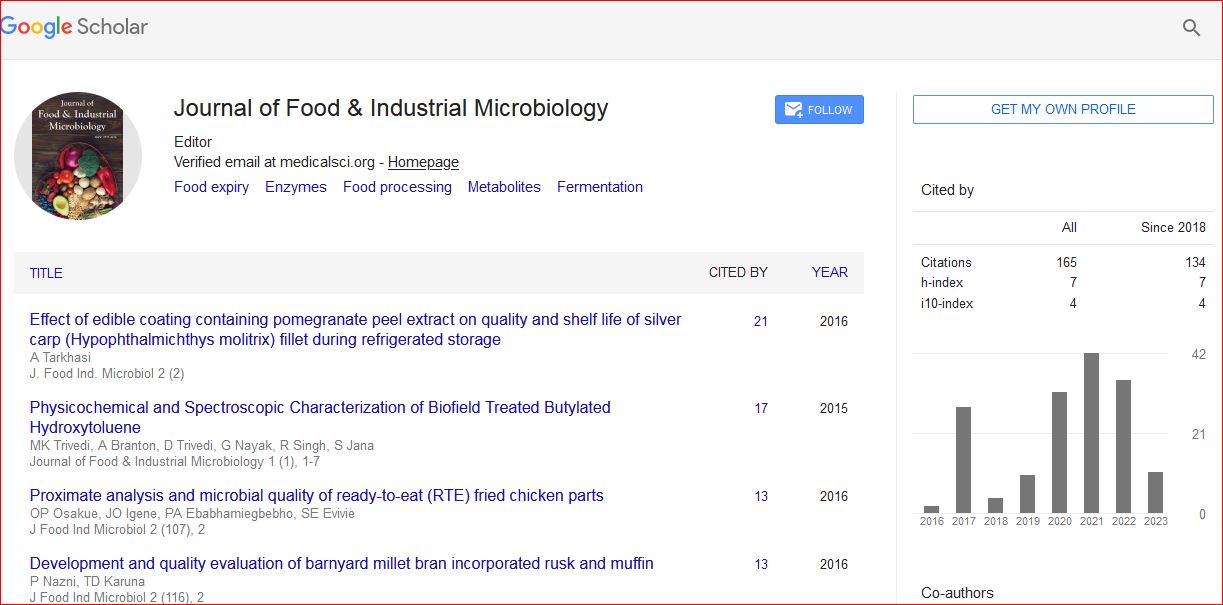
Journal of Food & Industrial Microbiology received 160 citations as per Google Scholar report