Opinion - (2025) Volume 11, Issue 2
Received: 01-Mar-2025, Manuscript No. jfim-26-178552;
Editor assigned: 03-Mar-2025, Pre QC No. P-178552;
Reviewed: 17-Mar-2025, QC No. Q-178552;
Revised: 24-Mar-2025, Manuscript No. R-178552;
Published:
31-Mar-2025
, DOI: 10.37421/2572-4134.2025.11.338
Citation: Johnson, David R.. ”Advancements in Foodborne Pathogen Detection and Control.” J Food Ind Microbiol 11 (2025):338.
Copyright: © 2025 Johnson R. David This is an open-access article distributed under the terms of the Creative Commons Attribution License, which permits unrestricted use, distribution and reproduction in any medium, provided the original author and source are credited.
The field of foodborne pathogen detection and control is a critical area of research, constantly evolving to address the persistent threat to public health and the food industry. Recent advancements have significantly improved our ability to identify these harmful microorganisms rapidly and with high sensitivity, marking a substantial leap forward in safeguarding food supplies. This progress is underscored by the development of integrated control strategies that span the entire food supply chain, from initial agricultural production to the consumer's plate. Key prevention measures are continuously being refined, including the rigorous implementation of improved hygiene practices and effective sanitation protocols. The strategic application of hurdle technology, which combines multiple inhibitory factors, plays a vital role in preventing microbial growth and survival within food products. Furthermore, a strong emphasis is placed on continuous monitoring and proactive risk assessment as indispensable tools for mitigating the impact of foodborne disease outbreaks. The evolution of detection technologies, such as advanced molecular techniques, is enabling quicker and more accurate identification of common foodborne bacteria like Salmonella and Listeria, enhancing our response capabilities. These novel methods, including biosensors, are crucial for timely intervention and preventing widespread contamination. Control measures at the processing level are also being innovatively addressed, with research focusing on the efficacy of new antimicrobial treatments and processing aids that can effectively inhibit or eliminate pathogens. The validation of sanitation procedures and robust allergen control are further reinforced as essential components of a comprehensive food safety management system. The understanding of pathogen behavior and control is further advanced by exploring the application of whole-genome sequencing (WGS) for meticulously tracing the origins and spread of foodborne pathogens. This powerful genomic tool significantly enhances the precision of outbreak investigations and provides critical data to inform public health interventions. Challenges and opportunities in implementing WGS for routine surveillance are actively being explored, with the technology poised to revolutionize how we identify contamination sources and pinpoint critical control points within complex food processing facilities. Prevention strategies derived from WGS insights offer a data-driven approach to proactive risk management. The exploration of biological control agents, such as bacteriophages, presents an environmentally friendly alternative for controlling foodborne pathogens in diverse food matrices. These phages exhibit remarkable specificity and activity, making them suitable for integration into Hazard Analysis and Critical Control Points (HACCP) frameworks. Detection methods are also being optimized for real-time monitoring, complementing the application of phage cocktails for both pre-harvest and post-harvest interventions to significantly reduce pathogen loads. The application of predictive modeling is emerging as a powerful tool for assessing and managing food safety risks associated with microbial contamination. These models offer the capability to forecast pathogen growth and survival under various environmental conditions, thereby aiding in the design of more effective and targeted control strategies. Integrating advanced detection technologies into these modeling processes further enhances their predictive accuracy and utility. Prevention recommendations derived from these models focus on optimizing critical processing parameters and storage conditions to create environments less conducive to pathogen proliferation. The persistent challenge of biofilms formed by foodborne pathogens on food contact surfaces is being addressed through innovative control approaches. This includes reviewing the efficacy of novel sanitation chemicals, exploring advanced physical cleaning methods, and investigating the use of natural antimicrobial compounds that can disrupt biofilm formation. Detection methods for the early identification of biofilm development are crucial for timely intervention and preventing widespread contamination. Prevention strategies are centered on effectively disrupting existing biofilm structures and preventing their initial colonization of surfaces. The growing concern of antibiotic resistance in foodborne pathogens necessitates a comprehensive understanding of its emergence and control. Research is actively investigating the underlying mechanisms of resistance and the potential for its transfer between different bacterial species. The detection of resistance genes using sophisticated molecular methods is a key aspect of this research, enabling the identification of resistant strains and the monitoring of resistance trends. Control strategies involve reducing the reliance on antibiotics in agriculture and implementing robust antimicrobial stewardship programs to curb the spread of resistance. Prevention efforts are focused on breaking the chain of transmission that facilitates the spread of resistant pathogens throughout the food chain. Nanotechnology is offering novel and sophisticated approaches for both the detection and control of foodborne pathogens. The utilization of nanoparticles in the development of highly sensitive biosensors enables rapid and accurate detection, while their antimicrobial properties are being harnessed for direct control. Control strategies involve the functionalization of surfaces with antimicrobial nanoparticles to create self-sanitizing materials. Prevention measures aim to leverage the unique capabilities of nanotechnology for enhanced food safety across multiple critical points in the supply chain, from packaging to processing. The complex nature of food matrices, such as meat and dairy products, presents unique challenges for pathogen detection. This article reviews these challenges and highlights advances in overcoming them, comparing traditional culture-based methods with rapid molecular and immunological techniques. Control strategies are enhanced by the validation of cleaning and disinfection procedures, ensuring that processing environments are effectively rendered free of pathogens. Prevention efforts are further strengthened by a deeper understanding of how matrix effects influence both pathogen detection and their survival, leading to more targeted interventions. Ultraviolet (UV) irradiation is being evaluated as a promising nonthermal processing technology for inactivating foodborne pathogens, offering an alternative to traditional thermal methods. This research examines the impact of different UV wavelengths and dosages on microbial viability and overall food quality. Detection methods for identifying any residual viable organisms post-treatment are also considered crucial for ensuring safety. Prevention strategies focus on the seamless integration of UV treatment into existing food processing lines to guarantee the microbial safety of the final product. The emergence and control of antibiotic-resistant foodborne pathogens represent a significant global health challenge. This paper delves into the mechanisms driving resistance and the pathways through which resistance genes can transfer between bacteria, complicating control efforts. The detection of these resistance genes, utilizing advanced molecular methods, is paramount for accurate identification and tracking of resistant strains. Control strategies extend to reducing the unnecessary use of antibiotics in agricultural practices and the implementation of comprehensive antimicrobial stewardship programs across the food system. Prevention is fundamentally about breaking the cycle of transmission that allows these resistant organisms to proliferate and spread. The application of bacteriophages as biological control agents against foodborne pathogens is gaining traction due to their specificity and environmental friendliness. This review details their effectiveness in various food matrices and their potential integration into established food safety management systems like HACCP. Advancements in detection methods, particularly those enabling real-time monitoring, are crucial for timely application and efficacy. Prevention strategies are significantly enhanced by the use of phage cocktails, which can be applied at different stages, from pre-harvest to post-harvest, to substantially reduce pathogen loads throughout the supply chain. The utilization of nanotechnology in the food industry offers innovative solutions for both the rapid detection and effective control of foodborne pathogens. Nanoparticles are being integrated into highly sensitive biosensors, facilitating quicker identification of contaminants, and are also being developed as potent antimicrobial agents. Control strategies include the development of surfaces functionalized with antimicrobial nanoparticles, creating environments that actively inhibit pathogen growth. Prevention measures aim to harness the unique properties of nanotechnology to bolster food safety at various junctures within the complex food supply chain. The efficacy of ultraviolet (UV) irradiation as a nonthermal processing technique for inactivating foodborne pathogens is a subject of ongoing research and application. This study investigates the influence of varying UV wavelengths and dosages on microbial inactivation rates and potential effects on food quality parameters. The development of sensitive detection methods for residual viable microorganisms after UV treatment is critical for validating its effectiveness and ensuring product safety. Prevention strategies involve the strategic integration of UV processing into existing food production lines, thereby enhancing the overall safety assurance of food products. The growing challenge posed by antibiotic resistance in foodborne pathogens demands a multifaceted approach encompassing detection, understanding of spread mechanisms, and effective control strategies. Research is focused on elucidating the genetic and biochemical pathways underlying resistance and the potential for horizontal gene transfer between bacterial populations. Molecular detection techniques are essential for identifying resistance genes and characterizing the prevalence of resistant strains. Control measures include reducing antibiotic usage in animal agriculture and promoting responsible antimicrobial stewardship throughout the food system. Prevention strategies are geared towards interrupting transmission routes and minimizing the selection pressure for resistance. Nanotechnology provides innovative avenues for both detecting and controlling foodborne pathogens, offering enhanced precision and efficacy. Nanoparticles are being employed in the creation of advanced biosensors for rapid pathogen identification and are also being explored for their direct antimicrobial capabilities. Control strategies are exploring the use of nanoparticle-functionalized surfaces to create self-sanitizing food contact materials. Prevention efforts are focused on leveraging these technological advancements to improve food safety across the entire supply chain. The effectiveness of ultraviolet (UV) irradiation as a nonthermal technology for inactivating foodborne pathogens is continually being refined and validated. This research examines the impact of different UV exposure parameters, including wavelength and dosage, on pathogen viability and its potential influence on food characteristics. The development and application of reliable detection methods for any surviving microorganisms are crucial for confirming the efficacy of UV treatments and ensuring consumer safety. Prevention strategies involve the integration of UV irradiation into food processing workflows to bolster product safety. The application of whole-genome sequencing (WGS) for tracing the sources and dissemination pathways of foodborne pathogens represents a significant advancement in molecular epidemiology and food safety. WGS data provides high-resolution genetic information that can distinguish between closely related strains, thereby improving the accuracy of outbreak investigations and enabling more targeted public health responses. The implementation of WGS for routine surveillance purposes presents both challenges, such as data analysis infrastructure and bioinformatics expertise, and considerable opportunities for enhancing food safety monitoring. This technology is instrumental in identifying specific contamination sources and pinpointing critical control points within food processing environments, allowing for the development of more effective prevention strategies. The use of bacteriophages as biocontrol agents against foodborne pathogens offers a sustainable and highly specific alternative to conventional antimicrobial treatments. These viruses naturally infect and lyse bacterial cells, providing a targeted approach to pathogen reduction. Their application in various food matrices, from fresh produce to processed meats, is being explored, with studies focusing on optimizing dosage, delivery methods, and compatibility within existing food safety frameworks like HACCP. Detection methods are also being advanced to facilitate real-time monitoring of phage efficacy and ensure timely intervention. Prevention strategies involve the strategic deployment of phage cocktails to reduce pathogen loads at critical control points throughout the food production process, thereby minimizing the risk of contamination. The development of novel detection technologies for common foodborne bacteria, such as Salmonella and Listeria, is crucial for rapid and accurate identification, minimizing the economic and public health impact of outbreaks. This research explores the application of biosensors and advanced molecular techniques, which offer increased speed, sensitivity, and specificity compared to traditional methods. Control measures at the processing level are also being enhanced through the investigation of novel antimicrobial treatments and processing aids that can effectively inhibit or eliminate pathogens. Prevention strategies are further reinforced by rigorous validation of sanitation procedures and the implementation of comprehensive allergen control programs, ensuring a multi-layered approach to food safety. The application of predictive modeling for food safety risk assessment and management is a rapidly growing area, utilizing computational tools to forecast pathogen behavior in food environments. These models can predict pathogen growth, survival, and even inactivation under various processing and storage conditions, allowing for the proactive design of control strategies that minimize risk. The integration of real-time data from advanced detection technologies into these models enhances their accuracy and utility, providing a dynamic approach to food safety management. Prevention recommendations derived from predictive modeling focus on optimizing critical processing parameters and storage conditions to create unfavorable environments for pathogen proliferation, thereby enhancing overall food safety. The challenge of controlling biofilms formed by foodborne pathogens on food contact surfaces is a persistent concern in food processing environments, as biofilms can harbor pathogens and contribute to cross-contamination. This article reviews innovative strategies for biofilm control, including the evaluation of novel sanitation chemicals, physical cleaning methods, and the utilization of natural antimicrobial compounds that disrupt biofilm structure and prevent colonization. The development of sensitive detection methods for the early identification of biofilm formation is crucial for timely intervention and preventing the establishment of persistent contamination. Prevention strategies focus on disrupting the biofilm lifecycle and implementing effective cleaning and sanitization protocols to minimize initial colonization. The emergence and spread of antibiotic-resistant foodborne pathogens pose a significant threat to public health, necessitating a thorough understanding of resistance mechanisms and effective control measures. This paper investigates the genetic basis of antibiotic resistance and the potential for its dissemination through horizontal gene transfer among bacterial populations. Molecular detection methods are vital for identifying resistance genes and monitoring the prevalence of resistant strains in the food supply. Control strategies encompass reducing the use of antibiotics in agriculture and implementing stringent antimicrobial stewardship programs to mitigate the selection and spread of resistance. Prevention efforts are directed towards breaking transmission pathways and minimizing the selective pressures that drive the evolution of antibiotic resistance. The exploration of ultraviolet (UV) irradiation as a nonthermal processing technology for inactivating foodborne pathogens offers an effective alternative to traditional thermal treatments. Research in this area focuses on optimizing UV parameters, including wavelength and dosage, to achieve maximum microbial inactivation while preserving food quality. The development of reliable detection methods to confirm the absence of viable pathogens post-treatment is essential for ensuring product safety. Prevention strategies involve the integration of UV irradiation into food processing lines as a validated safety intervention. The application of nanotechnology for the detection and control of foodborne pathogens presents a frontier of innovation in food safety. Nanoparticles are being utilized to develop highly sensitive biosensors for rapid pathogen identification and as antimicrobial agents to directly combat contamination. Control strategies include the functionalization of food contact surfaces with antimicrobial nanoparticles to create self-sanitizing environments. Prevention measures aim to harness the unique properties of nanotechnology to enhance food safety across various stages of the supply chain, from production to packaging. The challenges associated with detecting foodborne pathogens in complex food matrices, such as meat and dairy products, are significant due to interference from food components. This article compares the strengths and weaknesses of traditional culture-based methods with rapid molecular and immunological techniques, highlighting advances in sensitivity and specificity. Control strategies, including the validation of cleaning and disinfection procedures, are crucial for ensuring that processing environments are adequately sanitized. Prevention efforts are enhanced by a deeper understanding of how matrix effects influence pathogen detection and survival, leading to more targeted and effective interventions within the food industry. The advances in whole-genome sequencing (WGS) provide unprecedented resolution for tracing the origins and spread of foodborne pathogens, revolutionizing outbreak investigations and public health interventions. WGS data allows for precise genetic fingerprinting, differentiating between closely related strains and enabling the identification of common sources of contamination. The integration of WGS into routine surveillance programs is transforming our ability to monitor pathogen populations and understand their dynamics within the food ecosystem. This technology plays a crucial role in identifying critical control points in food processing facilities and informing the development of targeted prevention strategies, thereby enhancing overall food safety. The use of bacteriophages as biological control agents against foodborne pathogens offers a sustainable and highly specific alternative to conventional antimicrobial interventions. Their ability to naturally infect and lyse target bacteria makes them valuable tools for pathogen reduction in various food products. Research is focused on optimizing their application within established food safety frameworks, such as HACCP, and developing real-time detection methods to monitor their efficacy. Prevention strategies are significantly enhanced by the deployment of phage cocktails, which can be applied at critical junctures in the food supply chain to reduce pathogen loads and minimize the risk of outbreaks. The development of novel detection technologies for key foodborne pathogens like Salmonella and Listeria is critical for timely intervention and mitigating the impact of contamination events. Biosensors and advanced molecular techniques are offering improved speed, sensitivity, and accuracy compared to traditional methods. Control measures at the processing level are being enhanced through the exploration of new antimicrobial treatments and processing aids. Prevention strategies are further bolstered by the rigorous validation of sanitation protocols and comprehensive allergen control programs, ensuring a multi-faceted approach to food safety. The application of predictive modeling in food safety is an evolving field that leverages computational tools to forecast pathogen behavior and associated risks. These models can predict pathogen growth and survival under diverse environmental conditions, aiding in the design of effective control strategies and optimizing processing and storage parameters. The integration of advanced detection technologies with predictive modeling enhances its accuracy and utility, allowing for a proactive approach to food safety management. Prevention recommendations derived from these models focus on optimizing critical control points to create environments unfavorable for pathogen proliferation. The control of biofilms formed by foodborne pathogens on food contact surfaces is a persistent challenge in food processing environments. Innovative strategies include the use of novel sanitation chemicals, physical cleaning methods, and natural antimicrobial compounds to disrupt biofilm structure and prevent colonization. Early detection of biofilm formation is crucial for timely intervention. Prevention strategies focus on disrupting biofilm formation and implementing effective cleaning and sanitization protocols to minimize the risk of cross-contamination and ensure a safe food processing environment. The emergence and spread of antibiotic-resistant foodborne pathogens represent a significant global health threat, requiring a comprehensive understanding of resistance mechanisms and control strategies. Research focuses on elucidating the genetic basis of resistance and its dissemination pathways. Molecular detection methods are essential for identifying resistance genes and monitoring resistant strains. Control strategies involve reducing antibiotic use in agriculture and implementing antimicrobial stewardship programs. Prevention efforts are directed towards breaking transmission routes and minimizing selective pressures for resistance. The efficacy of ultraviolet (UV) irradiation as a nonthermal processing technology for inactivating foodborne pathogens is being increasingly recognized. Studies are investigating the impact of different UV wavelengths and dosages on microbial inactivation and food quality. Reliable detection methods for residual viable organisms post-treatment are crucial for ensuring product safety. Prevention strategies involve integrating UV irradiation into food processing lines as a validated method for pathogen control, thereby enhancing food safety. Nanotechnology offers promising avenues for both detecting and controlling foodborne pathogens, providing enhanced precision and efficacy. Nanoparticles are being utilized in the development of highly sensitive biosensors for rapid pathogen identification and as antimicrobial agents. Control strategies are exploring the use of nanoparticle-functionalized surfaces to create self-sanitizing environments. Prevention measures aim to leverage these advancements to improve food safety across the entire supply chain, from production to packaging, ensuring safer food for consumers. The complexities of detecting foodborne pathogens in challenging food matrices, such as meat and dairy products, necessitate the continuous development of advanced detection methodologies. This article compares traditional culture-based methods with rapid molecular and immunological techniques, highlighting recent advancements in sensitivity and specificity. Control strategies, including the validation of cleaning and disinfection procedures, are critical for maintaining hygienic processing environments. Prevention efforts are significantly enhanced by a thorough understanding of how matrix effects influence both pathogen detection and their survival, leading to more targeted and effective interventions in food production. The application of whole-genome sequencing (WGS) has revolutionized the field of foodborne pathogen surveillance and control, offering unprecedented resolution in tracing the origins and dissemination pathways of outbreaks. WGS data provides detailed genetic information that allows for the accurate identification of specific pathogen strains and the reconstruction of transmission chains, thereby enhancing the effectiveness of outbreak investigations and informing targeted public health interventions. The implementation of WGS in routine surveillance programs is transforming our ability to monitor pathogen populations and understand their evolution, pinpointing critical control points within food processing facilities and guiding the development of more robust prevention strategies. The use of bacteriophages as biological control agents against foodborne pathogens presents a promising and sustainable alternative to conventional chemical treatments. These viruses exhibit high specificity for their target bacteria, offering a targeted approach to pathogen reduction without harming beneficial microorganisms or altering food quality significantly. Research is focused on optimizing their application in various food matrices and integrating them into established food safety management systems like HACCP, alongside advancements in real-time detection methods to ensure timely and effective intervention. Prevention strategies are significantly enhanced by the strategic deployment of phage cocktails to reduce pathogen loads at critical points in the food supply chain, thereby minimizing the risk of contamination. The development of novel detection technologies for key foodborne pathogens, such as Salmonella and Listeria, is paramount for rapid and accurate identification, minimizing the public health and economic impact of outbreaks. This paper explores the use of biosensors and advanced molecular techniques, which offer significant improvements in speed, sensitivity, and specificity compared to traditional methods. Control measures at the processing level are also being enhanced through the investigation of new antimicrobial treatments and processing aids that can effectively inhibit or eliminate pathogens. Prevention strategies are further reinforced by the rigorous validation of sanitation protocols and comprehensive allergen control programs, ensuring a multi-layered approach to food safety throughout the supply chain. The application of predictive modeling in food safety assessment and management is a rapidly advancing field that leverages computational tools to forecast pathogen behavior and associated risks. These models are capable of predicting pathogen growth and survival under a wide range of environmental conditions, thereby aiding in the design of effective control strategies and optimizing processing and storage parameters. The integration of advanced detection technologies with predictive modeling further enhances its accuracy and utility, enabling a proactive and dynamic approach to food safety management. Prevention recommendations derived from these models focus on optimizing critical control points to create environments that are unfavorable for pathogen proliferation, thereby ensuring safer food products. The persistent challenge of controlling biofilms formed by foodborne pathogens on food contact surfaces requires innovative approaches to prevent their formation and mitigate their impact. This article reviews novel strategies, including the use of advanced sanitation chemicals, physical cleaning methods, and natural antimicrobial compounds, designed to disrupt biofilm structure and prevent colonization. Early detection of biofilm formation is crucial for timely intervention and preventing the establishment of persistent contamination. Prevention strategies focus on disrupting the biofilm lifecycle and implementing effective cleaning and sanitization protocols to minimize the risk of cross-contamination and ensure a safe food processing environment. The emergence and spread of antibiotic-resistant foodborne pathogens pose a significant global health threat, necessitating a comprehensive understanding of resistance mechanisms and effective control strategies. Research is focused on elucidating the genetic basis of resistance and its dissemination pathways through horizontal gene transfer. Molecular detection methods are essential for identifying resistance genes and monitoring the prevalence of resistant strains in the food supply. Control strategies involve reducing the use of antibiotics in agriculture and implementing antimicrobial stewardship programs. Prevention efforts are directed towards breaking transmission routes and minimizing selective pressures that drive the evolution of antibiotic resistance. The effectiveness of ultraviolet (UV) irradiation as a nonthermal processing technology for inactivating foodborne pathogens is continually being refined and validated. Studies are investigating the impact of different UV wavelengths and dosages on microbial inactivation and potential effects on food quality. Reliable detection methods for residual viable organisms post-treatment are crucial for confirming the efficacy of UV treatments and ensuring product safety. Prevention strategies involve the integration of UV irradiation into food processing lines as a validated safety intervention, thereby enhancing the overall safety assurance of food products. Nanotechnology offers promising avenues for both detecting and controlling foodborne pathogens, providing enhanced precision and efficacy across various applications. Nanoparticles are being utilized in the development of highly sensitive biosensors for rapid pathogen identification and as antimicrobial agents to directly combat contamination. Control strategies are exploring the use of nanoparticle-functionalized surfaces to create self-sanitizing environments that actively inhibit pathogen growth. Prevention measures aim to leverage these technological advancements to improve food safety across the entire supply chain, from production to packaging, ensuring safer food for consumers. The complexities of detecting foodborne pathogens in challenging food matrices, such as meat and dairy products, necessitate the continuous development of advanced detection methodologies that can overcome matrix interference. This article compares traditional culture-based methods with rapid molecular and immunological techniques, highlighting recent advancements in sensitivity, specificity, and speed. Control strategies, including the thorough validation of cleaning and disinfection procedures, are critical for maintaining hygienic processing environments and preventing cross-contamination. Prevention efforts are significantly enhanced by a deeper understanding of how matrix effects influence both pathogen detection and their survival, leading to more targeted and effective interventions in food production and processing. The evolution of integrated control strategies, encompassing farm-to-fork approaches, has become paramount in modern food safety management. These strategies emphasize a holistic view, recognizing that pathogen control requires a coordinated effort across all stages of food production and distribution. Advancements in rapid and sensitive detection methods are central to this integrated approach, enabling early identification of contamination and timely intervention to prevent widespread outbreaks. Improved hygiene practices and effective sanitation protocols remain foundational, forming the bedrock upon which more sophisticated control measures are built. The strategic application of hurdle technology, which combines multiple inhibitory factors, plays a crucial role in creating environments that are less conducive to microbial growth and survival. Furthermore, continuous monitoring and proactive risk assessment are indispensable for identifying potential hazards and implementing preventive actions before they can impact food safety. The integration of these elements ensures a robust and resilient food safety system capable of addressing the dynamic challenges posed by foodborne pathogens. The application of whole-genome sequencing (WGS) for tracing the origins and spread of foodborne pathogens represents a paradigm shift in food safety investigations. This powerful genomic tool provides unparalleled resolution for tracking pathogen dissemination pathways and pinpointing contamination sources, thereby enhancing the accuracy and speed of outbreak investigations. By enabling the precise identification of pathogen strains and their genetic relatedness, WGS data significantly improves the ability of public health agencies to implement targeted interventions and prevent further spread. The challenges associated with implementing WGS for routine surveillance are being actively addressed, with the technology poised to become an indispensable component of national and international food safety monitoring systems. The insights gained from WGS analysis are instrumental in identifying critical control points within food processing facilities and informing the development of more effective, data-driven prevention strategies, ultimately strengthening the overall food safety framework. The development of novel detection technologies for key foodborne pathogens, such as Salmonella and Listeria, is a critical area of research aimed at improving the speed, sensitivity, and accuracy of pathogen identification. Biosensors and advanced molecular techniques, including PCR and DNA sequencing, offer significant advantages over traditional culture-based methods, enabling faster results and the detection of even low levels of contamination. These advancements are crucial for timely intervention, preventing the widespread distribution of contaminated food products and minimizing the economic and public health consequences of outbreaks. Control measures at the processing level are also being enhanced through the exploration of new antimicrobial treatments and processing aids, which can effectively inhibit or eliminate pathogens without negatively impacting food quality. Prevention strategies are further reinforced by the rigorous validation of sanitation protocols and the implementation of comprehensive allergen control programs, ensuring a multi-layered approach to food safety throughout the supply chain. The application of predictive modeling for food safety risk assessment and management is an emerging and powerful tool that leverages computational approaches to forecast pathogen behavior in complex food environments. These models can accurately predict pathogen growth, survival, and inactivation under various processing and storage conditions, thereby enabling the proactive design of effective control strategies and the optimization of critical processing parameters. By integrating real-time data from advanced detection technologies, predictive models become even more dynamic and useful for decision-making, allowing food businesses to anticipate and mitigate potential risks before they materialize. Prevention recommendations derived from these models focus on identifying and controlling critical factors that influence pathogen proliferation, ultimately leading to enhanced food safety and reduced incidence of foodborne illnesses. The persistent challenge of controlling biofilms formed by foodborne pathogens on food contact surfaces necessitates innovative and effective strategies to prevent their formation and mitigate their impact on food safety. Biofilms can harbor pathogens, making them resistant to conventional cleaning and sanitization, and can lead to persistent contamination within processing facilities. This article reviews novel approaches, including the use of advanced sanitation chemicals, physical cleaning methods, and natural antimicrobial compounds, designed to disrupt biofilm structure and prevent colonization. Early detection of biofilm formation is crucial for timely intervention and preventing the establishment of persistent contamination. Prevention strategies focus on disrupting the biofilm lifecycle and implementing robust cleaning and sanitization protocols to minimize the risk of cross-contamination and ensure a safe food processing environment. The emergence and spread of antibiotic-resistant foodborne pathogens pose a significant global health threat, demanding a concerted effort to understand resistance mechanisms and implement effective control strategies. Research is actively focused on elucidating the genetic basis of antibiotic resistance and the pathways through which resistance genes are disseminated among bacterial populations, including through horizontal gene transfer. Molecular detection methods are essential for accurately identifying resistance genes and monitoring the prevalence of resistant strains in the food supply chain. Control strategies encompass reducing the unnecessary use of antibiotics in animal agriculture and implementing stringent antimicrobial stewardship programs across the food system. Prevention efforts are directed towards breaking transmission routes and minimizing the selective pressures that drive the evolution and spread of antibiotic resistance. The effectiveness of ultraviolet (UV) irradiation as a nonthermal processing technology for inactivating foodborne pathogens is a subject of ongoing research and increasing application in the food industry. Studies are continually investigating the impact of different UV wavelengths and dosages on microbial inactivation, as well as their potential effects on food quality attributes. Reliable detection methods for residual viable organisms post-treatment are crucial for confirming the efficacy of UV treatments and ensuring product safety. Prevention strategies involve the integration of UV irradiation into various food processing lines as a validated safety intervention, thereby enhancing the overall safety assurance of food products and offering an alternative to traditional thermal processing methods. Nanotechnology offers a frontier of innovation for both detecting and controlling foodborne pathogens, providing enhanced precision, sensitivity, and efficacy across a range of applications. Nanoparticles are being actively utilized in the development of highly sensitive biosensors for rapid and accurate pathogen identification, and their antimicrobial properties are being harnessed for direct control of contamination. Control strategies are exploring the use of nanoparticle-functionalized surfaces for food contact materials, creating self-sanitizing environments that actively inhibit pathogen growth. Prevention measures aim to leverage these cutting-edge technological advancements to significantly improve food safety across the entire supply chain, from agricultural production to final packaging, ultimately ensuring safer food products for consumers. The challenges associated with detecting foodborne pathogens in complex food matrices, such as meat and dairy products, necessitate the continuous development of advanced detection methodologies that can overcome matrix interference and provide accurate results. This article compares the strengths and limitations of traditional culture-based methods with rapid molecular and immunological techniques, highlighting recent advancements in sensitivity, specificity, and speed that are crucial for effective food safety monitoring. Control strategies, including the thorough validation of cleaning and disinfection procedures, are critical for maintaining hygienic processing environments and preventing cross-contamination within food production facilities. Prevention efforts are significantly enhanced by a deeper understanding of how matrix effects influence both pathogen detection and their survival, leading to the development of more targeted and effective interventions in food production and processing, thereby safeguarding public health. The advancement of integrated control strategies throughout the food supply chain, from farm to fork, represents a cornerstone of contemporary food safety management. These strategies underscore the necessity of a comprehensive, multi-faceted approach to pathogen control, recognizing that interventions at any single point are insufficient. Rapid and sensitive detection methods are integral to this framework, enabling early identification of potential contamination and facilitating timely responses to mitigate outbreaks. Foundational prevention measures, including stringent hygiene practices and effective sanitation, remain indispensable. The strategic implementation of hurdle technology, which leverages multiple inhibitory factors, plays a vital role in creating unfavorable conditions for microbial growth and survival. Moreover, the continuous monitoring of food processes and environments, coupled with proactive risk assessment, are essential for identifying vulnerabilities and implementing preventive actions before they can compromise food safety. These combined elements contribute to a resilient and effective food safety system capable of addressing the evolving challenges posed by foodborne pathogens. The application of whole-genome sequencing (WGS) has profoundly transformed our ability to trace the origins and map the spread of foodborne pathogens, revolutionizing outbreak investigations and public health responses. WGS provides exceptionally detailed genetic information, enabling precise strain identification and the reconstruction of transmission networks, thereby enhancing the accuracy and speed of investigations. Its integration into routine surveillance programs is instrumental in monitoring pathogen dynamics, identifying critical control points within food processing environments, and informing the development of data-driven prevention strategies. By offering a high-resolution view of pathogen populations, WGS empowers regulatory agencies and food businesses to implement more effective and targeted interventions, ultimately strengthening the overall resilience of the food safety system. The use of bacteriophages as biological control agents for foodborne pathogens offers a sustainable and highly specific approach to pathogen reduction, complementing traditional control methods. These viruses selectively target and lyse specific bacterial species, providing a precise intervention without adversely affecting food quality or beneficial microorganisms. Research is focused on optimizing their application across diverse food matrices and integrating them into existing food safety frameworks, such as HACCP. Advances in real-time detection methods are crucial for monitoring phage efficacy and ensuring timely application. Prevention strategies are significantly enhanced by the strategic deployment of phage cocktails at critical control points within the food supply chain, effectively reducing pathogen loads and minimizing the risk of contamination and subsequent outbreaks. The development of novel detection technologies for key foodborne pathogens, such as Salmonella and Listeria, is critical for timely intervention and mitigating the significant public health and economic impacts of contamination events. Biosensors and advanced molecular techniques offer substantial improvements in speed, sensitivity, and specificity compared to conventional methods, enabling faster identification of low-level contamination. These advancements are crucial for preventing the widespread distribution of contaminated food products. Control measures at the processing level are being enhanced through the investigation of new antimicrobial treatments and processing aids that can effectively inhibit or eliminate pathogens without compromising food quality. Prevention strategies are further bolstered by the rigorous validation of sanitation protocols and the implementation of comprehensive allergen control programs, ensuring a multi-layered approach to food safety throughout the entire supply chain. The application of predictive modeling for food safety risk assessment and management represents a rapidly advancing field that leverages computational tools to forecast pathogen behavior in complex food environments. These models accurately predict pathogen growth and survival under various processing and storage conditions, enabling the proactive design of effective control strategies and the optimization of critical processing parameters. The integration of real-time data from advanced detection technologies further enhances the accuracy and utility of these models, allowing food businesses to anticipate and mitigate potential risks before they manifest. Prevention recommendations derived from these models focus on identifying and controlling critical factors that influence pathogen proliferation, ultimately leading to enhanced food safety and a reduced incidence of foodborne illnesses. The persistent challenge of controlling biofilms formed by foodborne pathogens on food contact surfaces necessitates innovative and effective strategies to prevent their formation and mitigate their impact on food safety. Biofilms can harbor pathogens, making them resistant to conventional cleaning and sanitization methods, and can lead to persistent contamination within processing facilities. This article reviews novel approaches, including the use of advanced sanitation chemicals, physical cleaning methods, and natural antimicrobial compounds, designed to disrupt biofilm structure and prevent colonization. Early detection of biofilm formation is crucial for timely intervention and preventing the establishment of persistent contamination. Prevention strategies focus on disrupting the biofilm lifecycle and implementing robust cleaning and sanitization protocols to minimize the risk of cross-contamination and ensure a safe food processing environment. The emergence and spread of antibiotic-resistant foodborne pathogens pose a significant global health threat, demanding a concerted effort to understand resistance mechanisms and implement effective control strategies. Research is actively focused on elucidating the genetic basis of antibiotic resistance and the pathways through which resistance genes are disseminated among bacterial populations, including through horizontal gene transfer. Molecular detection methods are essential for accurately identifying resistance genes and monitoring the prevalence of resistant strains in the food supply chain. Control strategies encompass reducing the unnecessary use of antibiotics in animal agriculture and implementing stringent antimicrobial stewardship programs across the food system. Prevention efforts are directed towards breaking transmission routes and minimizing the selective pressures that drive the evolution and spread of antibiotic resistance. The effectiveness of ultraviolet (UV) irradiation as a nonthermal processing technology for inactivating foodborne pathogens is a subject of ongoing research and increasing application in the food industry. Studies are continually investigating the impact of different UV wavelengths and dosages on microbial inactivation, as well as their potential effects on food quality attributes. Reliable detection methods for residual viable organisms post-treatment are crucial for confirming the efficacy of UV treatments and ensuring product safety. Prevention strategies involve the integration of UV irradiation into various food processing lines as a validated safety intervention, thereby enhancing the overall safety assurance of food products and offering an alternative to traditional thermal processing methods. Nanotechnology offers a frontier of innovation for both detecting and controlling foodborne pathogens, providing enhanced precision, sensitivity, and efficacy across a range of applications. Nanoparticles are being actively utilized in the development of highly sensitive biosensors for rapid and accurate pathogen identification, and their antimicrobial properties are being harnessed for direct control of contamination. Control strategies are exploring the use of nanoparticle-functionalized surfaces for food contact materials, creating self-sanitizing environments that actively inhibit pathogen growth. Prevention measures aim to leverage these cutting-edge technological advancements to significantly improve food safety across the entire supply chain, from agricultural production to final packaging, ultimately ensuring safer food products for consumers. The complexities of detecting foodborne pathogens in challenging food matrices, such as meat and dairy products, necessitate the continuous development of advanced detection methodologies that can overcome matrix interference and provide accurate results. This article compares the strengths and limitations of traditional culture-based methods with rapid molecular and immunological techniques, highlighting recent advancements in sensitivity, specificity, and speed that are crucial for effective food safety monitoring. Control strategies, including the thorough validation of cleaning and disinfection procedures, are critical for maintaining hygienic processing environments and preventing cross-contamination within food production facilities. Prevention efforts are significantly enhanced by a deeper understanding of how matrix effects influence both pathogen detection and their survival, leading to the development of more targeted and effective interventions in food production and processing, thereby safeguarding public health. The integration of advanced detection technologies and sophisticated control strategies throughout the food supply chain represents a critical evolution in ensuring food safety. Innovations in rapid and sensitive detection methods allow for the timely identification of pathogens, enabling swift intervention to prevent outbreaks. This is complemented by the development of comprehensive control strategies that span from agricultural practices to consumer-level handling, emphasizing a farm-to-fork approach. Improved hygiene and sanitation remain fundamental, augmented by advanced techniques like hurdle technology, which combines multiple inhibitory factors to suppress microbial growth. Continuous monitoring and risk assessment are essential for proactive management, allowing for the identification and mitigation of potential hazards. The ongoing refinement of these integrated approaches is crucial for safeguarding public health and maintaining consumer confidence in the food supply. The application of whole-genome sequencing (WGS) has dramatically enhanced our capacity to trace the origins and track the spread of foodborne pathogens, revolutionizing outbreak investigations and informing public health interventions. WGS provides high-resolution genetic data that allows for precise strain identification and the reconstruction of transmission pathways, leading to more accurate and timely responses. Its integration into routine surveillance is transforming food safety monitoring, enabling a deeper understanding of pathogen populations and their dynamics. This technology is vital for identifying critical control points in food processing and guiding the development of data-driven prevention strategies, thereby strengthening the overall food safety framework. The use of bacteriophages as biological control agents offers a sustainable and highly specific method for managing foodborne pathogens. These viruses selectively target and lyse bacteria, providing an environmentally friendly alternative to chemical treatments. Research is focused on optimizing their application in various food matrices and integrating them into food safety management systems like HACCP, supported by advancements in real-time detection methods for monitoring efficacy. Prevention strategies are significantly boosted by the strategic deployment of phage cocktails at critical control points, effectively reducing pathogen loads and minimizing the risk of contamination. The development of novel detection technologies for key foodborne pathogens, such as Salmonella and Listeria, is vital for rapid and accurate identification, thereby mitigating the public health and economic consequences of contamination events. Biosensors and advanced molecular techniques offer significant improvements in speed, sensitivity, and specificity compared to traditional methods, enabling faster detection of low-level contamination. These advancements are crucial for preventing the widespread distribution of contaminated food. Control measures at the processing level are being enhanced by investigating new antimicrobial treatments and processing aids that effectively inhibit pathogens without compromising food quality. Prevention strategies are further strengthened by rigorous validation of sanitation protocols and comprehensive allergen control programs, ensuring a multi-layered approach to food safety across the supply chain. The application of predictive modeling in food safety risk assessment and management represents a rapidly advancing field that utilizes computational tools to forecast pathogen behavior in complex food environments. These models accurately predict pathogen growth and survival under various processing and storage conditions, enabling the proactive design of effective control strategies and the optimization of critical processing parameters. The integration of real-time data from advanced detection technologies further enhances the accuracy and utility of these models, allowing food businesses to anticipate and mitigate potential risks before they manifest. Prevention recommendations derived from these models focus on identifying and controlling critical factors that influence pathogen proliferation, ultimately leading to enhanced food safety and a reduced incidence of foodborne illnesses. The persistent challenge of controlling biofilms formed by foodborne pathogens on food contact surfaces necessitates innovative and effective strategies to prevent their formation and mitigate their impact on food safety. Biofilms can harbor pathogens, making them resistant to conventional cleaning and sanitization methods, and can lead to persistent contamination within processing facilities. This article reviews novel approaches, including the use of advanced sanitation chemicals, physical cleaning methods, and natural antimicrobial compounds, designed to disrupt biofilm structure and prevent colonization. Early detection of biofilm formation is crucial for timely intervention and preventing the establishment of persistent contamination. Prevention strategies focus on disrupting the biofilm lifecycle and implementing robust cleaning and sanitization protocols to minimize the risk of cross-contamination and ensure a safe food processing environment. The emergence and spread of antibiotic-resistant foodborne pathogens pose a significant global health threat, demanding a concerted effort to understand resistance mechanisms and implement effective control strategies. Research is actively focused on elucidating the genetic basis of antibiotic resistance and the pathways through which resistance genes are disseminated among bacterial populations, including through horizontal gene transfer. Molecular detection methods are essential for accurately identifying resistance genes and monitoring the prevalence of resistant strains in the food supply chain. Control strategies encompass reducing the unnecessary use of antibiotics in animal agriculture and implementing stringent antimicrobial stewardship programs across the food system. Prevention efforts are directed towards breaking transmission routes and minimizing the selective pressures that drive the evolution and spread of antibiotic resistance. The effectiveness of ultraviolet (UV) irradiation as a nonthermal processing technology for inactivating foodborne pathogens is a subject of ongoing research and increasing application in the food industry. Studies are continually investigating the impact of different UV wavelengths and dosages on microbial inactivation, as well as their potential effects on food quality attributes. Reliable detection methods for residual viable organisms post-treatment are crucial for confirming the efficacy of UV treatments and ensuring product safety. Prevention strategies involve the integration of UV irradiation into various food processing lines as a validated safety intervention, thereby enhancing the overall safety assurance of food products and offering an alternative to traditional thermal processing methods. Nanotechnology offers a frontier of innovation for both detecting and controlling foodborne pathogens, providing enhanced precision, sensitivity, and efficacy across a range of applications. Nanoparticles are being actively utilized in the development of highly sensitive biosensors for rapid and accurate pathogen identification, and their antimicrobial properties are being harnessed for direct control of contamination. Control strategies are exploring the use of nanoparticle-functionalized surfaces for food contact materials, creating self-sanitizing environments that actively inhibit pathogen growth. Prevention measures aim to leverage these cutting-edge technological advancements to significantly improve food safety across the entire supply chain, from agricultural production to final packaging, ultimately ensuring safer food products for consumers. The complexities of detecting foodborne pathogens in challenging food matrices, such as meat and dairy products, necessitate the continuous development of advanced detection methodologies that can overcome matrix interference and provide accurate results. This article compares the strengths and limitations of traditional culture-based methods with rapid molecular and immunological techniques, highlighting recent advancements in sensitivity, specificity, and speed that are crucial for effective food safety monitoring. Control strategies, including the thorough validation of cleaning and disinfection procedures, are critical for maintaining hygienic processing environments and preventing cross-contamination within food production facilities. Prevention efforts are significantly enhanced by a deeper understanding of how matrix effects influence both pathogen detection and their survival, leading to the development of more targeted and effective interventions in food production and processing, thereby safeguarding public health. The continuous advancement of foodborne pathogen detection and control strategies is paramount for public health and food industry integrity. Research has focused on developing rapid and sensitive detection methods, moving beyond traditional approaches to embrace molecular techniques and biosensors. Integrated control strategies that encompass the entire food supply chain, from farm to fork, are increasingly emphasized. Key prevention measures, including enhanced hygiene, effective sanitation, and the application of hurdle technology, remain crucial for inhibiting microbial growth. Proactive risk assessment and continuous monitoring are indispensable for mitigating outbreaks. The exploration of whole-genome sequencing (WGS) offers unprecedented capabilities for tracing pathogen origins and spread, significantly improving outbreak investigations and informing public health interventions. Implementing WGS for routine surveillance presents challenges but holds immense promise for identifying contamination sources and control points. Prevention strategies derived from WGS insights are data-driven and targeted. Bacteriophages are emerging as promising biological control agents, offering specificity and environmental benefits, with research focusing on their application within HACCP frameworks and real-time monitoring. Novel detection technologies for pathogens like Salmonella and Listeria, utilizing biosensors and advanced molecular techniques, are critical for rapid identification. Control measures at the processing level are being improved with new antimicrobial treatments. Prevention is reinforced through sanitation validation and allergen control. Predictive modeling aids in assessing and managing food safety risks by forecasting pathogen behavior, leading to optimized control strategies and prevention recommendations focused on processing and storage conditions. Controlling biofilms requires innovative strategies, including novel sanitation chemicals and natural antimicrobials, with early detection being key to preventing colonization. The challenge of antimicrobial resistance in foodborne pathogens necessitates understanding resistance mechanisms and implementing control strategies that reduce antibiotic use in agriculture and promote stewardship. Prevention involves breaking transmission chains. Ultraviolet (UV) irradiation is being investigated as an effective nonthermal processing technology for pathogen inactivation, with research optimizing dosages and detection methods for residual organisms. Nanotechnology offers advanced solutions for pathogen detection through sensitive biosensors and for control via antimicrobial nanoparticles, aiming to enhance food safety across the supply chain. Detecting pathogens in complex food matrices remains a challenge, driving comparisons between traditional and rapid methods and emphasizing the importance of sanitation validation and understanding matrix effects for effective prevention. The collective efforts in detection, control, and prevention are essential for a secure food supply.
The field of foodborne pathogen management is characterized by continuous innovation in detection and control methodologies. Significant advancements have been made in developing rapid and sensitive techniques for identifying harmful microorganisms, moving beyond traditional culture-based approaches. These new technologies, including molecular methods and biosensors, enable quicker and more accurate detection of pathogens like Salmonella and Listeria. Integrated control strategies are increasingly adopted, encompassing the entire food supply chain from production to consumption. Fundamental prevention measures such as improved hygiene and sanitation remain critical, augmented by strategies like hurdle technology to inhibit microbial growth. Proactive risk assessment and continuous monitoring are essential for mitigating outbreaks. The application of whole-genome sequencing (WGS) has revolutionized pathogen surveillance, providing high-resolution data for tracing origins and spread, thereby improving outbreak investigations and informing public health interventions. Implementing WGS for routine monitoring, while challenging, offers substantial benefits in identifying contamination sources and control points. Prevention strategies derived from WGS are becoming increasingly data-driven and targeted. Bacteriophages are emerging as significant biological control agents due to their specificity and environmental advantages, with ongoing research focused on optimizing their application within HACCP systems and enhancing real-time detection capabilities. Prevention strategies are being refined through the strategic use of phage cocktails to reduce pathogen loads at critical control points. Novel detection technologies for key foodborne pathogens are crucial for timely intervention, with biosensors and advanced molecular techniques offering improved speed and accuracy. Control measures at the processing level are being enhanced through the exploration of new antimicrobial treatments and processing aids. Prevention is further reinforced by rigorous sanitation validation and comprehensive allergen control programs. Predictive modeling is proving invaluable for assessing food safety risks by forecasting pathogen behavior, leading to optimized control strategies and prevention recommendations focused on processing and storage conditions. Controlling biofilms on food contact surfaces requires innovative approaches, including novel sanitation chemicals and natural antimicrobials, with early detection being key to preventing colonization. The growing challenge of antimicrobial resistance in foodborne pathogens necessitates a deep understanding of resistance mechanisms and the implementation of control strategies that reduce agricultural antibiotic use and promote stewardship. Prevention efforts are focused on breaking transmission chains. Ultraviolet (UV) irradiation is being explored as an effective nonthermal processing technology for pathogen inactivation, with ongoing research optimizing dosages and detection methods for residual organisms. Nanotechnology offers advanced solutions for both pathogen detection through sensitive biosensors and for control via antimicrobial nanoparticles, aiming to enhance food safety across the supply chain. Detecting pathogens in complex food matrices remains a challenge, driving the comparison of traditional and rapid methods and underscoring the importance of sanitation validation and understanding matrix effects for effective prevention. The collective advancements in detection, control, and prevention are crucial for ensuring a secure and safe food supply. The application of whole-genome sequencing (WGS) has significantly enhanced our ability to trace the origins and track the spread of foodborne pathogens, revolutionizing outbreak investigations and informing public health interventions. WGS provides high-resolution genetic data that allows for precise strain identification and the reconstruction of transmission pathways, leading to more accurate and timely responses. Its integration into routine surveillance is transforming food safety monitoring, enabling a deeper understanding of pathogen populations and their dynamics. This technology is vital for identifying critical control points in food processing and guiding the development of data-driven prevention strategies, thereby strengthening the overall food safety framework. The use of bacteriophages as biological control agents offers a sustainable and highly specific method for managing foodborne pathogens. These viruses selectively target and lyse bacteria, providing an environmentally friendly alternative to chemical treatments. Research is focused on optimizing their application in various food matrices and integrating them into food safety management systems like HACCP, supported by advancements in real-time detection methods for monitoring efficacy. Prevention strategies are significantly boosted by the strategic deployment of phage cocktails at critical control points, effectively reducing pathogen loads and minimizing the risk of contamination. The development of novel detection technologies for key foodborne pathogens, such as Salmonella and Listeria, is vital for rapid and accurate identification, thereby mitigating the public health and economic consequences of contamination events. Biosensors and advanced molecular techniques offer significant improvements in speed, sensitivity, and specificity compared to traditional methods, enabling faster detection of low-level contamination. These advancements are crucial for preventing the widespread distribution of contaminated food. Control measures at the processing level are being enhanced by investigating new antimicrobial treatments and processing aids that effectively inhibit pathogens without compromising food quality. Prevention strategies are further strengthened by rigorous validation of sanitation protocols and comprehensive allergen control programs, ensuring a multi-layered approach to food safety across the supply chain. The application of predictive modeling in food safety risk assessment and management represents a rapidly advancing field that utilizes computational tools to forecast pathogen behavior in complex food environments. These models accurately predict pathogen growth and survival under various processing and storage conditions, enabling the proactive design of effective control strategies and the optimization of critical processing parameters. The integration of real-time data from advanced detection technologies further enhances the accuracy and utility of these models, allowing food businesses to anticipate and mitigate potential risks before they manifest. Prevention recommendations derived from these models focus on identifying and controlling critical factors that influence pathogen proliferation, ultimately leading to enhanced food safety and a reduced incidence of foodborne illnesses. The persistent challenge of controlling biofilms formed by foodborne pathogens on food contact surfaces necessitates innovative and effective strategies to prevent their formation and mitigate their impact on food safety. Biofilms can harbor pathogens, making them resistant to conventional cleaning and sanitization methods, and can lead to persistent contamination within processing facilities. This article reviews novel approaches, including the use of advanced sanitation chemicals, physical cleaning methods, and natural antimicrobial compounds, designed to disrupt biofilm structure and prevent colonization. Early detection of biofilm formation is crucial for timely intervention and preventing the establishment of persistent contamination. Prevention strategies focus on disrupting the biofilm lifecycle and implementing robust cleaning and sanitization protocols to minimize the risk of cross-contamination and ensure a safe food processing environment. The emergence and spread of antibiotic-resistant foodborne pathogens pose a significant global health threat, demanding a concerted effort to understand resistance mechanisms and implement effective control strategies. Research is actively focused on elucidating the genetic basis of antibiotic resistance and the pathways through which resistance genes are disseminated among bacterial populations, including through horizontal gene transfer. Molecular detection methods are essential for accurately identifying resistance genes and monitoring the prevalence of resistant strains in the food supply chain. Control strategies encompass reducing the unnecessary use of antibiotics in animal agriculture and implementing stringent antimicrobial stewardship programs across the food system. Prevention efforts are directed towards breaking transmission routes and minimizing the selective pressures that drive the evolution and spread of antibiotic resistance. The effectiveness of ultraviolet (UV) irradiation as a nonthermal processing technology for inactivating foodborne pathogens is a subject of ongoing research and increasing application in the food industry. Studies are continually investigating the impact of different UV wavelengths and dosages on microbial inactivation, as well as their potential effects on food quality attributes. Reliable detection methods for residual viable organisms post-treatment are crucial for confirming the efficacy of UV treatments and ensuring product safety. Prevention strategies involve the integration of UV irradiation into various food processing lines as a validated safety intervention, thereby enhancing the overall safety assurance of food products and offering an alternative to traditional thermal processing methods. Nanotechnology offers a frontier of innovation for both detecting and controlling foodborne pathogens, providing enhanced precision, sensitivity, and efficacy across a range of applications. Nanoparticles are being actively utilized in the development of highly sensitive biosensors for rapid and accurate pathogen identification, and their antimicrobial properties are being harnessed for direct control of contamination. Control strategies are exploring the use of nanoparticle-functionalized surfaces for food contact materials, creating self-sanitizing environments that actively inhibit pathogen growth. Prevention measures aim to leverage these cutting-edge technological advancements to significantly improve food safety across the entire supply chain, from agricultural production to final packaging, ultimately ensuring safer food products for consumers. The complexities of detecting foodborne pathogens in challenging food matrices, such as meat and dairy products, necessitate the continuous development of advanced detection methodologies that can overcome matrix interference and provide accurate results. This article compares the strengths and limitations of traditional culture-based methods with rapid molecular and immunological techniques, highlighting recent advancements in sensitivity, specificity, and speed that are crucial for effective food safety monitoring. Control strategies, including the thorough validation of cleaning and disinfection procedures, are critical for maintaining hygienic processing environments and preventing cross-contamination within food production facilities. Prevention efforts are significantly enhanced by a deeper understanding of how matrix effects influence both pathogen detection and their survival, leading to the development of more targeted and effective interventions in food production and processing, thereby safeguarding public health.
This collection of research highlights advancements in foodborne pathogen detection and control, emphasizing rapid and sensitive methods. Integrated strategies across the food supply chain are crucial, with prevention measures like hygiene, sanitation, and hurdle technology playing key roles. Whole-genome sequencing (WGS) offers powerful insights for tracing pathogen origins and improving surveillance. Biological control agents like bacteriophages and innovative technologies such as nanotechnology and UV irradiation are being explored for pathogen inactivation. Predictive modeling assists in risk assessment and strategy design. Controlling biofilms and addressing antimicrobial resistance are ongoing challenges. Research also focuses on overcoming detection complexities in various food matrices. Overall, a multi-pronged approach involving advanced detection, robust control measures, and proactive prevention is essential for ensuring food safety.
None
None
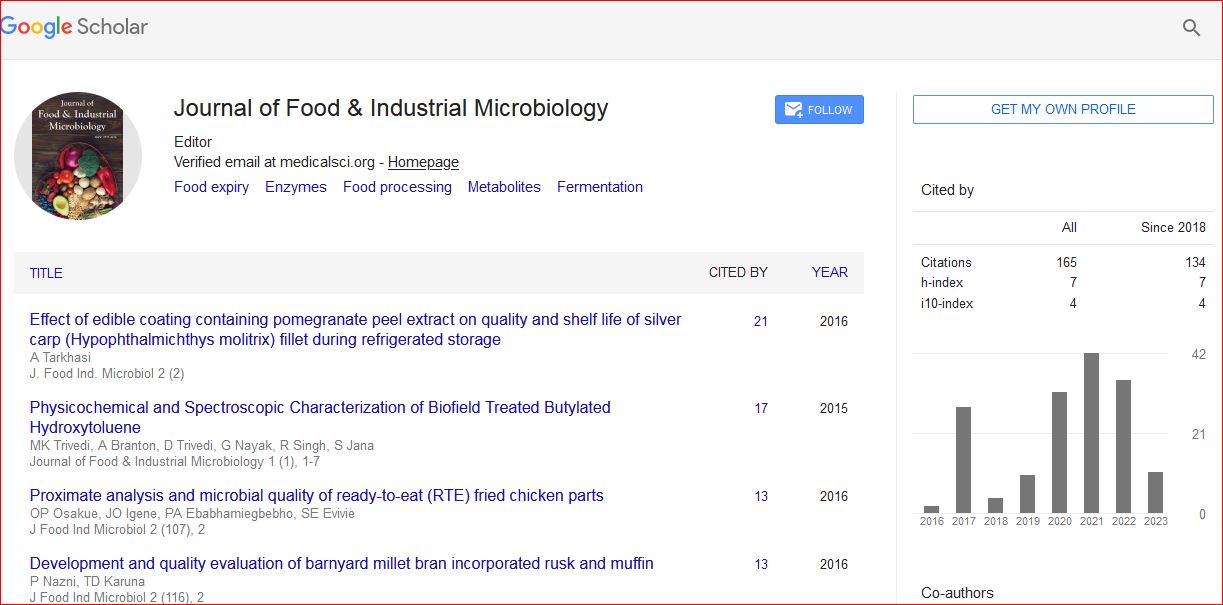
Journal of Food & Industrial Microbiology received 160 citations as per Google Scholar report