Brief Report - (2025) Volume 11, Issue 4
Received: 01-Jul-2025, Manuscript No. jfim-26-178569;
Editor assigned: 03-Jul-2025, Pre QC No. P-178569;
Reviewed: 17-Jul-2025, QC No. Q-178569;
Revised: 22-Jul-2025, Manuscript No. R-178569;
Published:
29-Jul-2025
, DOI: 10.37421/2572-4134.2025.11.355
Citation: Nguyen, Linh T.. ”Controlling Microbes in Meat and Poultry Processing.” J Food Ind Microbiol 11 (2025):355.
Copyright: © 2025 Nguyen T. Linh This is an open-access article distributed under the terms of the Creative Commons Attribution License, which permits unrestricted use, distribution and reproduction in any medium, provided the original author and source are credited.
The microbial ecology of meat and poultry processing environments is a subject of paramount importance for ensuring food safety and extending product shelf life. Research has extensively explored the prevalence of key spoilage organisms and foodborne pathogens within these facilities, emphasizing the dynamic nature of microbial populations throughout various processing stages. The impact of steps such as chilling and packaging on microbial load and survival necessitates a comprehensive understanding to implement effective control strategies. Rigorous hygiene practices and validated decontamination methods are critical for maintaining product safety and, consequently, safeguarding consumer health and promoting industry sustainability, as demonstrated by studies focusing on these aspects in poultry processing [1].
Investigations into novel sanitization techniques are crucial for enhancing microbial control on meat surfaces. The efficacy of methods like ozone and electrolyzed water in reducing bacterial counts, including spoilage agents and indicators of fecal contamination, has been evaluated. These advanced technologies show significant promise in decreasing microbial contamination without negatively impacting meat quality attributes, thereby offering effective tools for microbial management in meat processing operations [2].
Understanding the molecular mechanisms by which persistent pathogens like Listeria monocytogenes and Salmonella spp. disseminate within processing plants is fundamental to preventing outbreaks. These bacteria employ sophisticated strategies, including biofilm formation and adaptation, which contribute to their resilience against standard cleaning and disinfection protocols. Identifying these survival mechanisms is essential for developing targeted interventions to mitigate cross-contamination risks in poultry processing environments [3].
Alternative bio-control agents are being explored to combat specific pathogens in meat production. Bacteriophages, for instance, have shown high specificity and lytic activity against target bacteria such as Escherichia coli O157:H7 on beef surfaces. Their potential as a viable alternative to conventional chemical disinfectants is being assessed, with studies examining their stability under processing conditions to ensure practical implementation in meat safety assurance [4].
Metagenomic profiling offers a powerful approach to understanding the intricate microbial communities present in processing plants. Studies analyzing these communities in pork processing facilities have identified diverse bacterial populations, including spoilage organisms and potential pathogens. Such analyses help in pinpointing critical control points for contamination, such as carcass washing and cutting areas, and illuminate the interconnectedness of microbial ecosystems within the processing environment [5].
The application of modified atmosphere packaging (MAP) is a well-established method for controlling microbial growth and extending the shelf life of fresh meat. Specific gas compositions, characterized by low oxygen and high carbon dioxide, can significantly inhibit the proliferation of aerobic spoilage bacteria and certain anaerobic pathogens. Optimizing MAP conditions based on meat type and processing parameters is key to maximizing its effectiveness [6].
Antimicrobial resistance (AMR) in foodborne pathogens isolated from meat products is a growing public health concern. Studies examining bacterial isolates from poultry carcasses have identified multidrug-resistant strains of Salmonella and E. coli. Processing environments can act as reservoirs for AMR genes, underscoring the necessity of robust surveillance and control measures to curb the spread of resistant bacteria [7].
Surface decontamination methods are continuously being refined to improve microbial control in meat processing. Ultraviolet C (UVC) irradiation has demonstrated effectiveness in reducing microbial load on meat and poultry surfaces, targeting vegetative bacteria and yeasts without significant alterations to product quality or sensory attributes. Research into optimal UVC dosage and exposure times is ongoing to tailor its application to different meat products [8].
Water activity reduction is a critical factor in controlling microbial spoilage in processed meat products. Factors such as drying and salt addition directly influence water activity, thereby impacting the growth of bacteria, yeasts, and molds. Maintaining optimal water activity levels is essential for ensuring the microbial stability and safety of processed meats [9].
Effective cleaning and sanitation procedures are fundamental to minimizing microbial risks in meat processing plants. Research evaluating the efficacy of various detergents, sanitizers, and mechanical cleaning methods against biofilms and planktonic bacteria on stainless steel surfaces provides data-driven recommendations for optimizing these essential protocols [10].
The microbial dynamics within meat and poultry processing environments are intricately linked to product safety and shelf life. Research has extensively documented the presence of spoilage organisms and foodborne pathogens, highlighting how processing steps like chilling and packaging influence microbial viability. This underscores the imperative for stringent hygiene and validated decontamination methods to ensure consumer health and industry sustainability, as explored in the context of poultry processing [1].
Novel sanitization techniques are continuously being investigated for their effectiveness in reducing microbial loads on meat surfaces. Methods such as ozone and electrolyzed water have shown promise in significantly decreasing bacterial counts, including those associated with spoilage and fecal contamination, while maintaining desirable meat quality attributes. These technologies represent advanced tools for microbial control in the meat industry [2].
Understanding the molecular mechanisms of persistence and dissemination for pathogens such as Listeria monocytogenes and Salmonella spp. within poultry processing facilities is vital. These bacteria utilize strategies like biofilm formation to resist conventional cleaning and disinfection. Identifying these survival mechanisms is key to developing targeted interventions that prevent cross-contamination and potential outbreaks [3].
Bacteriophages are emerging as a significant bio-control agent for eliminating specific bacterial threats on meat surfaces. Their high specificity and lytic activity against pathogens like Escherichia coli O157:H7 on beef present a promising alternative to chemical disinfectants. Studies are assessing their stability under processing conditions to gauge their practical applicability in enhancing meat safety [4].
Metagenomic analyses provide a detailed insight into the microbial communities present in meat processing plants. Investigations in pork processing facilities have identified diverse bacterial populations, including spoilage and pathogenic microbes, and have highlighted critical contamination points such as carcass washing and cutting areas, revealing the complex microbial ecosystem [5].
Modified atmosphere packaging (MAP) plays a crucial role in managing microbial growth and extending the shelf life of fresh meat. By utilizing specific gas compositions, typically low oxygen and high carbon dioxide, the proliferation of spoilage bacteria and certain anaerobic pathogens can be significantly inhibited. The effectiveness of MAP is dependent on optimizing conditions according to the specific meat type and processing parameters [6].
Antimicrobial resistance (AMR) among foodborne pathogens isolated from poultry carcasses is a serious concern. The presence of multidrug-resistant Salmonella and E. coli strains highlights the potential for processing environments to act as reservoirs for AMR genes, necessitating stringent surveillance and control measures to combat the spread of resistant bacteria [7].
Ultraviolet C (UVC) irradiation is being utilized as an effective surface decontamination method for meat and poultry. UVC treatment has been shown to reduce microbial load, including bacteria and yeasts, without adversely affecting product quality or sensory characteristics. Research is focused on determining optimal dosage and exposure times for various meat products [8].
Controlling water activity is a fundamental strategy for preventing microbial spoilage in processed meat products. Processes like drying and the addition of salt reduce water activity, thereby inhibiting the growth of bacteria, yeasts, and molds. Maintaining appropriate water activity levels is essential for ensuring the microbial stability and safety of these products [9].
Comprehensive cleaning and sanitation procedures are indispensable in meat processing plants for minimizing microbial contamination. Evaluations of different detergents, sanitizers, and cleaning techniques on stainless steel surfaces provide crucial data for optimizing protocols and reducing microbial risks, especially against biofilms and planktonic bacteria [10].
This collection of research explores various facets of microbial control in meat and poultry processing. It highlights the importance of understanding microbial dynamics, from spoilage organisms and pathogens to their molecular survival mechanisms like biofilm formation. The studies investigate both traditional and novel intervention strategies, including advanced sanitization techniques such as ozone and electrolyzed water, bio-control agents like bacteriophages, and physical methods like UVC irradiation. Packaging technologies like modified atmosphere packaging (MAP) and intrinsic properties like water activity are examined for their role in extending shelf life and ensuring safety. The research also addresses critical issues such as antimicrobial resistance in processing environments and the efficacy of cleaning and sanitation protocols. Ultimately, the work emphasizes the need for a multi-faceted approach to microbial management to ensure food safety and product quality.
None
None
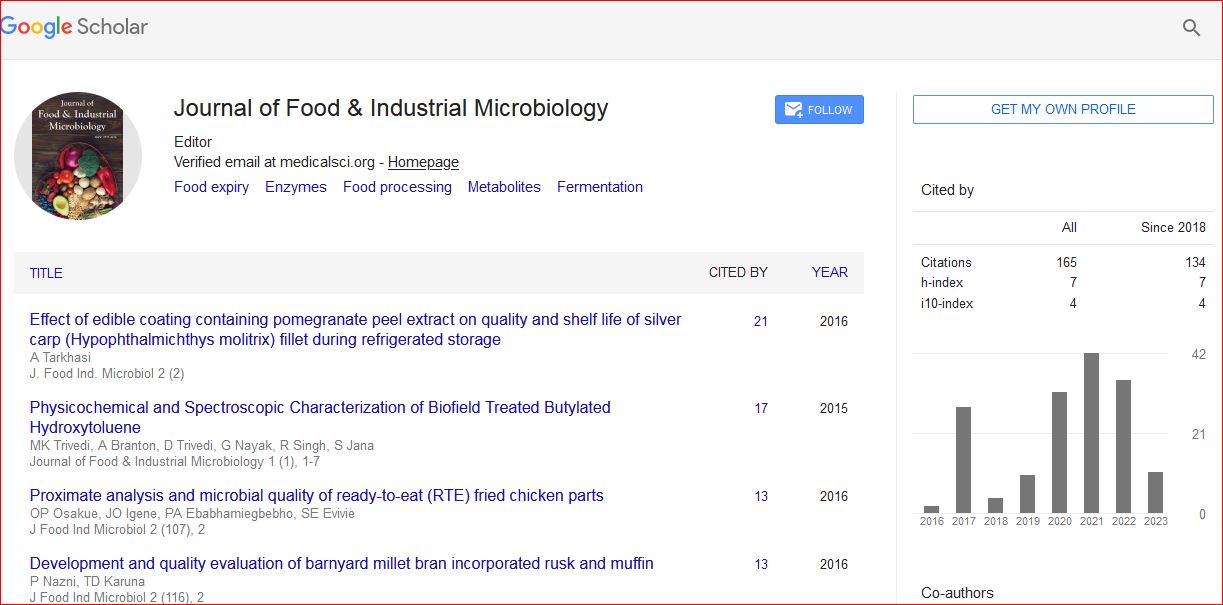
Journal of Food & Industrial Microbiology received 160 citations as per Google Scholar report