Research Article - (2026) Volume 15, Issue 1
Received: 06-Jan-2026, Manuscript No. aim-26-180507;
Editor assigned: 08-Jan-2026, Pre QC No. P-180507;
Reviewed: 24-Jan-2026, QC No. Q-180507;
Revised: 30-Jan-2026, Manuscript No. R-180507;
Published:
06-Jan-2026
, DOI: 10.5281/zenodo.18859320
Citation: Lee, Hsin-Chien, Yung-Kai Lin, Yung-Hsiang Lin and Shu-Ting Chan, et al. “Integrative Anti-stress and Sleep-promoting Actions of Kombucha and Adaptogenic Herbs.” Alt Integr Med 15 (2026): 608.
Copyright: © 2026 Lee CH, et al. This is an open-access article distributed under the terms of the Creative Commons Attribution License, which permits unrestricted use, distribution and reproduction in any medium, provided the original author and source are credited.
Sleep promotion • Stress reduction • Kombucha • Adaptogenic herbs
Following the COVID-19 pandemic, global health challenges gradually shifted from infection control to the management of long-term psychosomatic imbalances and stress adaptation. Prolonged social isolation, remote work and extensive digital exposure had significantly increased the prevalence of sleep disturbances, anxiety, depression and emotional instability. Epidemiological studies reported that approximately one-third of adults experienced deteriorated sleep quality and insomnia symptoms after the pandemic, while nearly 40% reported elevated stress and anxiety levels [1]. These mental and physiological disturbances were closely associated with immune dysregulation, metabolic abnormalities and chronic disease risks, emphasizing the growing importance of integrated mind body health in the post-pandemic era.
Clinically, conventional interventions primarily relied on pharmacological treatments such as sedative hypnotics, anxiolytics, antidepressants and melatonin supplements [2]. Although these agents provided short-term relief, their long-term use often led to tolerance, dependency, cognitive impairment and residual daytime sleepiness [3]. Moreover, such medications targeted specific neurotransmitter pathways rather than restoring systemic physiological homeostasis [4]. Consequently, the search for natural, safe and sustainable therapeutic strategies that could support holistic stress adaptation and sleep regulation had become a research priority.
Adaptogens referred to a class of plant-derived bioactive compounds that enhanced the body’s resilience to physical, emotional and environmental stressors [5]. Their mechanisms of action involved modulation of the Hypothalamic Pituitary Adrenal (HPA) axis, balancing of sympathetic and parasympathetic activity and attenuation of oxidative stress responses [6]. Studies demonstrated that adaptogens could promote energy metabolism, stabilize mood and improve sleep quality through multidimensional regulation of neuroendocrine and immune functions [7]. Several botanicals were recognized for their adaptogenic activities, including Ashwagandha, Rhodiola, Siberian ginseng, Fructus Schisandrae, Astragali Radix and Red Beet Root. Ashwagandha had been shown to lower cortisol levels and alleviate anxiety and sleep difficulties [8]. Rhodiola exhibited anti-fatigue and cognitive-enhancing effects [9] Siberian ginseng improved focus and physical endurance [10] Fructus Schisandrae contained lignans that supported neuroendocrine stability and antioxidant defense [11] Astragali Radix demonstrated immunomodulatory and anti-inflammatory activities [12] and Red Beet Root, rich in nitrates and betacyanins, enhanced nitric oxide production and microcirculation, thereby promoting relaxation and recovery [13]. Collectively, these botanicals acted through multiple neuroendocrine and metabolic pathways to exert stress-relieving and sleep-promoting effects. In recent years, the combination of adaptogenic botanicals with kombucha had gained scientific and commercial attention. Kombucha, a fermented tea beverage produced by a Symbiotic Culture of Bacteria and Yeast (SCOBY), was rich in polyphenols, organic acids, amino acids and probiotics [14]. Previous studies suggested that kombucha could modulate gut microbiota composition, reduce oxidative stress and influence neurotransmitter metabolism, which might positively affect emotional regulation and sleep patterns [15]. When combined with adaptogenic herbs, kombucha was proposed to act synergistically through the gut brain and HPA axes, enhancing relaxation, stress resilience and sleep quality.
The present study employed a kombucha-based herbal beverage, Adaptogen Elixir, containing multiple adaptogenic botanicals, to investigate its clinical efficacy in reducing stress and improving sleep quality. Through a controlled human intervention, this study aimed to provide scientific evidence supporting the physiological and psychological benefits of Adaptogen Elixir as a safe, natural and sustainable approach for promoting holistic well-being in the post-pandemic population.
Clinical trial design
The clinical study was approved by the Taipei Medical University Institutional Review Board (N202311065) and registered at ClinicalTrials.gov (Identifier: NCT06279312). It was conducted in accordance with the ethical principles of the Declaration of Helsinki (1964) and its subsequent amendments. Written informed consent was obtained from all subjects after a full explanation of the study procedures. Conducted between February 2024 and April 2025, this randomized, double-blind, placebo-controlled trial recruited subjects through the psychiatry or sleep medicine outpatient departments of a medical center. A total of 50 male and female subjects aged 20 years and older who experienced sleep disturbances (PSQI>5) or significant anxiety symptoms (GAD-7>9) were enrolled and randomly assigned to either the placebo group or the Adaptogen Elixir group, with 25 subjects in each. At baseline (Week 0), all subjects underwent blood and saliva sampling, completed validated questionnaires and used a sleep monitoring system to assess sleep quality. They were instructed to consume one bottle (50 mL) of the assigned product daily for four consecutive weeks. Follow-up assessments were performed at Week 2 and Week 4, including questionnaire evaluations, biochemical analyses and sleep monitoring.
Eligible subjects were adults aged 18 years or older who experienced sleep disturbances (PSQI>5) or significant anxiety symptoms (GAD-7>9) and had not used or regularly taken sleeping pills or antidepressants within the past month. Individuals with clinically signitifcant mental or physical illnesses, other sleep disorders, circadian rhythm disturbances, or those who had consumed any sleep- or stress-related supplements within the past month were excluded. Additional exclusion criteria included pregnancy or breastfeeding, major organic diseases such as organ transplants, epilepsy, liver or kidney diseases, malignant tumors, endocrine disorders, a history of alcohol or substance abuse, or known allergies to any component of the test product. Subjects in the placebo group received one bottle (50 mL/day) of placebo drink, while those in the Adaptogen Elixir group received one bottle (50 mL/day) of the test product for four consecutive weeks.
Supplement formulation
Adaptogen Elixir group (Isagenix Worldwide LLC): containing probio-kombu black tea, red beet root powder, ashwagandha extract powder, rhodiola extract, siberian ginseng extract, fructus schisandrae extract, astragali radix extract powder, citric acid, steviol glycosides, trehalose, flavor liquid, water.
Placebo group: containing citric acid, steviol glycosides, trehalose, flavor liquid, water. The placebo drink was identical to the test product in appearance, flavor, color and packaging to ensure double blinding.
Biochemical analyses
Blood samples were collected to measure plasma Neuropeptide Y concentrations at baseline (Week 0), Week 2 and Week 4. Saliva samples were also collected to determine cortisol levels at the same time points (Week 0, Week 2 and Week 4).
Sleep quality examination
This study utilized the sleep quality examination system developed by LARGAN Health AI-TECH Co., LTD (Taichung City, Taiwan) to assess sleep parameters [16]. This device is a portable medical instrument approved by the Taiwan Ministry of Health and Welfare (License No. MOHW Medical Devices Manufacturing No. 007003) and is suitable for home use. The system employs a wearable Holter Electro Cardiogram (ECG) device that records ECG and Accelerometer (ACC) signals during sleep. The ACC detects body movements and sleep posture changes, while the ECG analyzes sinus heart rate and respiration-related activity. By integrating data from both ECG and ACC, the system evaluates sleep quality and measures heart rate and Heart Rate Variability (HRV). In addition, the system incorporates Cardio Pulmonary Coupling (CPC) analysis to provide a more comprehensive and reliable evaluation of sleep parameters. Due to its user-friendly design and minimal interference with sleep, it is particularly well-suited for home-based monitoring. Prior to the assessment, each subject received one-on-one instruction from a trained operator on how to properly use the device.
Instructional materials and a 24-hour contact number were also provided to assist with troubleshooting during usage. Each subject was instructed to take two tablets of the investigational product two hours before bedtime. They were then required to wear the ECG device before sleep and remain seated calmly on the bed for five minutes without using a mobile phone or engaging in any other activity. After the five-minute resting period, subjects could proceed to sleep while wearing the device. The device setup was as follows: the subject pressed the button on top of the ECG monitor. A green or blue light indicated that the device was functioning properly, whereas a red or yellow light signaled the need for replacement. Three adhesive electrodes were attached to the device and the device was affixed to the chest near the heart. Two surgical tapes were applied in a crisscross manner to ensure secure attachment. Upon waking, subjects were instructed to immediately remove the device and return it to the study site, where it was collected and processed by the research operator. All recorded data were automatically uploaded via a wireless network to a cloud-based platform for analysis.
Questionnaire assessments
Subjects completed validated self-assessment questionnaires, including the Pittsburgh Sleep Quality Index (PSQI), Insomnia Severity Index (ISI) and Generalized Anxiety Disorder scale (GAD-7). All questionnaires were administered at baseline (Week 0), after 2 weeks of intervention and after 4 weeks of intervention.
Statistical analysis
The comparison of measurement results for blood test data, sleep monitoring reports and other related parameters among groups and between groups was analyzed by student's t-test through GraphPad Prism, as p<0.05 was considered statistical significance.
Baseline characteristics of the subjects
A total of 52 subjects were initially screened for eligibility. Two subjects withdrew before baseline blood and sleep assessments due to personal reasons, resulting in 50 subjects who completed the study. These subjects were randomly assigned to receive either the Adaptogen Elixir (n=25) or placebo (n=25) for 4 weeks and completed all baseline, mid-point and post-intervention evaluations. No significant differences were observed between the two groups in baseline demographic and physical characteristics, including age, sex, education level and Body Mass Index (BMI) (Table 1). The mean (± SD) age was 49.72 ± 17.54 years in the Adaptogen Elixir group and 53.72 ± 14.5 years in the placebo group (p=0.38). Both groups consisted of 64% female and 36% male subjects. Most subjects had education above the high-school level (92% in the Adaptogen Elixir group and 100% in the placebo group). The mean BMI was 23.81 ± 4.28 kg/m² and 22.37 ± 3.23 kg/m² in the Adaptogen Elixir and placebo groups, respectively (p=0.19).
| Subjects (n=50) | ||||
|---|---|---|---|---|
| Adaptogen Elixir Group (n=25) | Placebo Group (n=25) |
p Value | ||
| Mean(SD) | ||||
| Age | 49.72 (17.54) | 53.72 (14.5) | 0.38 | |
| Gender | Female | 16 (64%) | 16 (64%) | 1.0 |
| Male | 9 (36%) | 9 (36%) | ||
| BMI | 23.81 (4.28) | 22.37 (3.23) | 0.19 | |
| Education | High school and below | 2 (8%) | 0 | - |
| High school and above | 23 (92%) | 25 (100%) | ||
Table 1. Baseline characteristics of the subjects.
Adaptogen Elixir improved sleep quality, reduced insomnia and alleviated anxiety
Table 2 showed that 50 subjects completed the trial, divided into the Adaptogen Elixir group and the placebo group. No significant differences were observed between groups at baseline. According to the Pittsburgh Sleep Quality Index (PSQI), both groups showed significant improvements at weeks 2 and 4, with the Adaptogen Elixir group improving from 12.20 to 9.80 and the placebo group from 12.76 to 10.6, indicating that the product effectively enhanced overall sleep quality. In terms of subjective sleep performance, the Adaptogen Elixir group showed a decrease in the item “overall sleep quality is bad” from 1.28 to 0.8 and in “having trouble maintaining enough energy to get things done” from 0.84 to 0.28, suggesting improved perceived sleep quality and greater daytime alertness.
| Adaptogen Elixir Group (n=25) |
Placebo Group (n=25) |
||
|---|---|---|---|
| Questionnaire (Mean ± SEM) | |||
| Pittsburgh Sleep Quality Index | W0 | 12.20 (0.59) | 12.76 (0.65) |
| W2 | 9.96 (0.74)*** | 10.32 (0.61)*** | |
| W4 | 9.80 (0.75)*** | 10.6 (0.62)** | |
| Overall sleep quality is bad | W0 | 1.28 (0.21) | 1.08 (0.2) |
| W2 | 0.76 (0.17)* | 0.92 (0.17) | |
| W4 | 0.8 (0.18)** | 0.88 (0.13) | |
| Having trouble maintaining enough energy to get things done | W0 | 0.84 (0.24) | 0.8 (0.23) |
| W2 | 0.4 (0.15)* | 0.68 (0.19) | |
| W4 | 0.28 (0.12)* | 0.68 (0.2) | |
| Wake up in the middle of the night or early morning | W0 | 2.48 (0.15) | 2.52 (0.15) |
| W2 | 1.96 (0.25)** | 2.2 (0.22) | |
| W4 | 1.84 (0.21)** | 2.32 (0.2) | |
| Insomnia Severity Index | W0 | 15.88 (1.16) | 16.2 (1.12) |
| W2 | 10.4 (1.17)*** | 11.4 (1.18)*** | |
| W4 | 9.8 (1.21)*** | 11.48 (1.3)** | |
| Problems waking up too early | W0 | 1.88 (0.23) | 2.16 (0.24) |
| W2 | 1.28 (0.22)** | 1.92 (0.23) | |
| W4 | 1.32 (0.24)** | 1.8 (0.22) | |
| Difficulty breathing | W0 | 2.96 (0.2) | 2.6 (0.18) |
| W2 | 2.08 (0.18)*** | 1.96 (0.2)** | |
| W4 | 1.8 (0.17)*** | 2.2 (0.19) | |
| Difficulty staying asleep | W0 | 2.28 (0.23) | 2.48 (0.22) |
| W2 | 1.64 (0.2)** | 1.72 (0.22)** | |
| W4 | 1.4 (0.2)*** | 1.88 (0.21)* | |
| Difficulty falling asleep | W0 | 2.16 (0.24) | 2.08 (0.2) |
| W2 | 1.48 (0.25)** | 1.4 (0.16)** | |
| W4 | 1.24 (0.23)** | 1.52 (0.22)* | |
| Being so restless that it's hard to sit still | W0 | 0.76 (0.14) | 0.88 (0.12) |
| W2 | 0.48 (0.14)* | 0.64 (0.13) | |
| W4 | 0.44 (0.14)* | 0.76 (0.14) | |
| Feeling nervous, anxious, or on edge | W0 | 1.48 (0.17) | 1.56 (0.16) |
| W2 | 0.88 (0.18)** | 1.08 (0.14)** | |
| W4 | 0.92 (0.18)* | 1.24 (0.16) | |
| *Indicated comparison with week 0 | |||
Table 2. Sleep and anxiety questionnaire outcomes.
The frequency of waking up in the middle of the night also decreased markedly from 2.48 to 1.84, reflecting improved sleep continuity. The Insomnia Severity Index (ISI) in the experimental group decreased from 15.88 to 9.8, which was superior to the placebo group (from 16.2 to 11.48), indicating better nighttime sleep quality. Regarding sleep onset and breathing, the Adaptogen Elixir group showed reductions in “difficulty breathing” from 2.96 to 1.8, “difficulty staying asleep” from 2.28 to 1.4 and “difficulty falling asleep” from 2.16 to 1.24, demonstrating faster sleep initiation and smoother breathing during sleep. In the anxiety and restlessness domains, “being so restless that it’s hard to sit still” decreased from 0.76 to 0.44 and “feeling nervous, anxious, or on edge” decreased from 1.48 to 0.92, indicating a relaxation and anti-anxiety effect. As shown in Figure 1 (A total of 50 subjects (n=25 per group) completed the study and consumed either the Adaptogen Elixir or placebo daily for 4 weeks. (A) PSQI, (B) ISI. Data are presented as mean ± SEM. * p<0.05, ** p<0.01, *** p<0.001 vs. Week 0). both PSQI and ISI scores exhibited a significant decrease over the 4-week intervention. The Adaptogen Elixir group demonstrated a greater and more sustained reduction compared with the placebo group, indicating that the formula effectively improved overall sleep quality, alleviated insomnia symptoms and promoted better nighttime rest with noticeable effects as early as week 2.
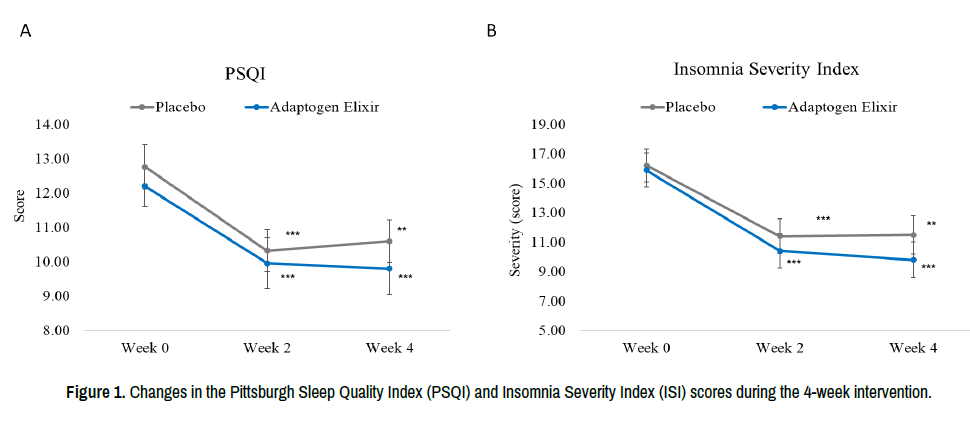
Figure 1. Changes in the Pittsburgh Sleep Quality Index (PSQI) and Insomnia Severity Index (ISI) scores during the 4-week intervention.
Adaptogen elixir enhanced deep and REM sleep and maintained autonomic balance
In line with the improvements reported in the sleep questionnaires, objective sleep monitoring using the LARGAN Sleep Quality System further confirmed the physiological benefits of the Adaptogen Elixir in Figure 2 (A total of 50 subjects (n=25 per group) completed the study and consumed either the Adaptogen Elixir or placebo daily for 4 weeks. (A) Light sleep (%), (B) Deep sleep (%), (C) Rapid Eye Movement (REM) sleep (%) and (D) LF/HF ratio) and Table 3. Subjects in the Adaptogen Elixir group showed a decrease in light sleep from 40.44% at baseline to 37.49% at week 4, accompanied by increases in deep sleep from 35.84% to 37.75% and Rapid Eye Movement (REM) sleep from 16.92% to 18.15%. These shifts indicate enhanced restorative sleep architecture and improved nighttime recovery. Additionally, the LF/HF ratio, reflecting autonomic balance, remained relatively stable in the Adaptogen Elixir group (2.56 to 2.38) but slightly increased in the placebo group (2.62 to 3.54), suggesting that the formula helped maintain parasympathetic predominance and relaxation during sleep. Together, these objective outcomes support the subjective findings, demonstrating that Adaptogen Elixir not only improved perceived sleep quality and reduced insomnia symptoms but also optimized physiological sleep patterns and autonomic stability.
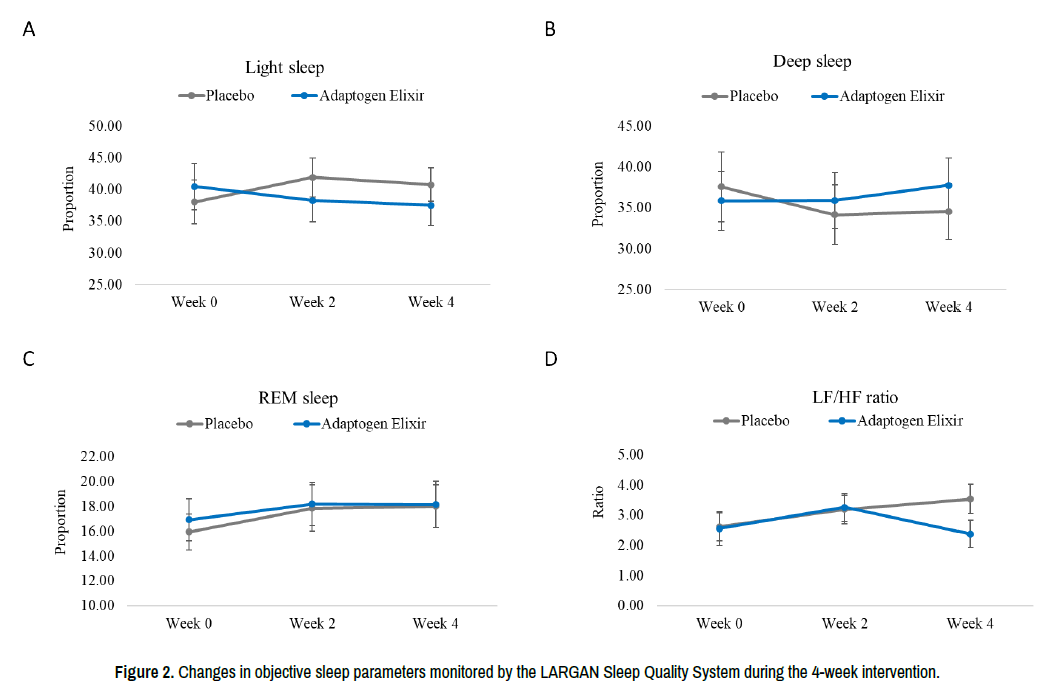
Figure 2. Changes in objective sleep parameters monitored by the LARGAN Sleep Quality System during the 4-week intervention.
| Adaptogen Elixir Group (n=25) | Placebo Group (n=25) |
||
|---|---|---|---|
| LARGAN Sleep Quality Monitoring (Mean ± SEM) | |||
| Light sleep | W0 | 40.44 (3.61) | 38.04 (3.44) |
| W2 | 38.26 (3.41) | 41.91 (3.05) | |
| W4 | 37.49 (3.21) | 40.75 (2.66) | |
| Deep sleep | W0 | 35.84 (3.63) | 37.57 (4.26) |
| W2 | 35.89 (3.41) | 34.16 (3.65) | |
| W4 | 37.75 (3.29) | 34.56 (3.4) | |
| Rapid Eye Movement sleep | W0 | 16.92 (1.7) | 15.95 (1.45) |
| W2 | 18.2 (1.74) | 17.87 (1.85) | |
| W4 | 18.15 (1.86) | 18.02 (1.7) | |
| LF/HF ratio | W0 | 2.56 (0.56) | 2.62 (0.46) |
| W2 | 3.26 (0.46) | 3.2 (0.47) | |
| W4 | 2.38 (0.45) | 3.54 (0.48) | |
Table 3. Sleep quality parameters monitored by the LARGAN system.
Adaptogen Elixir modulated salivary stress biomarkers
To further examine the physiological mechanisms underlying improved sleep and relaxation, salivary stress-related biomarkers were analyzed in Figure 3 (A) Cortisol (μg/dL) and (B) Neuropeptide Y (pg/mL) levels were measured from saliva samples collected at baseline (W0), Week 2 (W2) and Week 4 (W4) and Table 4. In the Adaptogen Elixir group, salivary cortisol levels showed a mild upward trend from 0.35 μg/dL at baseline to 0.37 μg/dL at week 4, remaining within the normal morning range, whereas the placebo group exhibited a smaller increase (0.28 → 0.32 μg/dL). Meanwhile, Neuro Peptide Y (NPY) a neuropeptide involved in stress buffering and emotional regulation decreased markedly from 1303.2 pg/mL at baseline to 952.9 pg/mL at week 2, before stabilizing at 1048.5 pg/mL at week 4, indicating a reduction in stress response intensity. These biomarkers trends align with the improvements observed in sleep quality and autonomic balance, suggesting that the Adaptogen Elixir may enhance stress adaptation capacity by modulating the Hypothalamic Pituitary Adrenal (HPA) axis and neuropeptide-mediated resilience pathways.
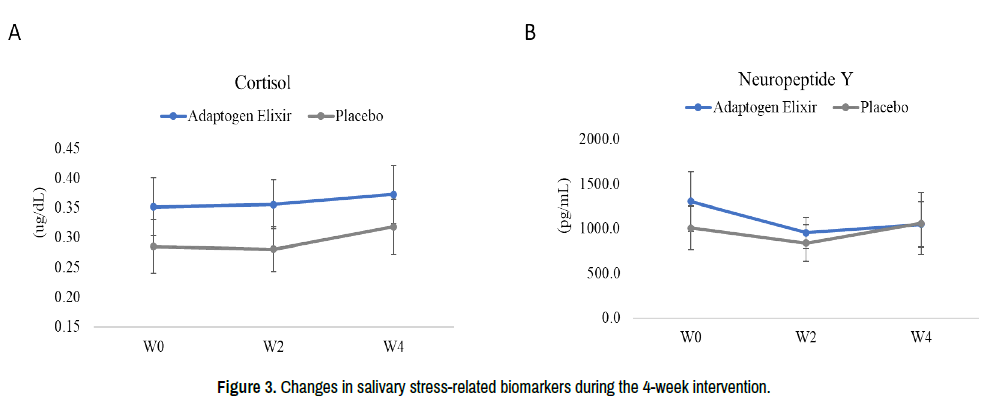
Figure 3. Changes in salivary stress-related biomarkers during the 4-week intervention.
| Adaptogen Elixir Group (n=25) |
Placebo Group (n=25) |
||
|---|---|---|---|
| Salivary Biomarkers (Mean ± SEM) | |||
| Cortisol | W0 | 0.35 (0.05) | 0.28 (0.04) |
| W2 | 0.36 (0.04) | 0.28 (0.04) | |
| W4 | 0.37 (0.05) | 0.32 (0.05) | |
| Neuropeptide Y | W0 | 1303.2 (331.9) | 1009 (241.6) |
| W2 | 952.9 (176.3) | 839.4 (200.4) | |
| W4 | 1048.5 (252.5) | 1059.4 (347.1) | |
Table 4. Salivary stress-related biomarkers.
This study demonstrated that four weeks of daily consumption of Adaptogen Elixir, a kombucha-based beverage enriched with multiple adaptogenic herbs, significantly improved both subjective and objective sleep quality while alleviating anxiety and stress-related symptoms. Subjects reported lower Pittsburgh Sleep Quality Index (PSQI) and Insomnia Severity Index (ISI) scores, reflecting better sleep continuity, shorter sleep latency and improved daytime alertness. Objective assessments confirmed an increase in both the proportion and duration of deep and Rapid Eye Movement (REM) sleep, accompanied by autonomic stabilization as shown by a balanced LF/HF ratio. Biochemical analyses further revealed a significant reduction in plasma Neuro Peptide Y (NPY) concentrations and a normalization of salivary cortisol levels, indicating restoration of neuroendocrine homeostasis. Collectively, these findings suggest that Adaptogen Elixir facilitated a physiological transition from sympathetic overactivation to parasympathetic predominance, supporting relaxation, restorative sleep and enhanced resilience against stress-related disturbances.
Adaptogenic herbs are known to restore homeostatic equilibrium under stress by modulating the Hypothalamic Pituitary Adrenal (HPA) axis and enhancing inhibitory neurotransmission [17]. The withanolides in Ashwagandha enhance GABAergic signaling, suppress excessive cortisol release and extend the duration of slow-wave sleep, which supports nighttime recovery [18]. This mechanism contributes to the stabilization of nighttime Heart Rate Variability (HRV) and parasympathetic dominance. Similarly, Rhodiola provides salidroside and rosavin, compounds that increase monoamine availability particularly serotonin, dopamine and norepinephrine resulting in improved mood regulation and attenuation of stress-induced neural hyperexcitability [19]. Salidroside also enhances Brain-Derived Neurotrophic Factor (BDNF) expression, strengthening hippocampal and prefrontal cortical neuroplasticity, which are critical for emotional regulation and adaptive stress responses [20].
Siberian ginseng contributes eleutherosides that modulate autonomic tone, enhance parasympathetic activity and improve resistance to physical and mental fatigue [21]. These effects align with the observed stabilization of the LF/HF ratio in this study, indicating a balanced autonomic state and improved recovery capacity. The lignans in Schisandra and the saponins in Astragalus further complement these effects through antioxidant and anti-inflammatory actions, mitigating oxidative stress and suppressing proinflammatory cytokines such as IL-6 and TNF-α [22]. This biochemical modulation helps prevent chronic HPA hyperactivation and restores physiological cortisol rhythmicity [23]. The normalization of salivary cortisol patterns observed in this study, characterized by reduced nocturnal cortisol and stabilized morning peaks, supports the conclusion that Adaptogen Elixir enhances adaptive endocrine regulation rather than inducing suppression. Red beet root provides nitrates and betaine that promote Nitric Oxide (NO) production, improving cerebral oxygenation and vascular relaxation [24]. Enhanced NO signaling facilitates microcirculatory flow and oxygen delivery during sleep, reducing cortical arousal and prolonging deep sleep duration [25]. Betaine also supports methylation processes that are essential for neurotransmitter synthesis, further contributing to mood stability and restorative sleep [26].
The lower NPY concentrations and stabilized cortisol rhythms denote a reduction in overall stress burden and improved neuroendocrine balance under the use of the test kombucha-based beverage in this study. Sincethe probio-kombu black tea component provides polyphenols, organic acids and probiotic metabolites generated during fermentation, the above results could be achieved through remodeling the gut microbiota by and promoting Short-Chain Fatty Acid (SCFA) production [27]. These metabolites modulate the gut–brain axis via vagal signaling, suppress sympathetic drive, reduce NPY secretion and support gut-derived GABA and serotonin synthesis [28]. Reduced NPY, a marker of sympathetic activation, signifies greater emotional stability and adaptive resilience, while normalized cortisol profiles indicate restored HPA axis function [29, 30]. The combined effects of these bioactive compounds are reflected in the physiological outcomes of this study.
This study has several limitations that should be considered. First, the subjects were primarily recruited from clinical psychiatry and sleep medicine outpatient departments, where the causes of sleep and mood disturbances may be heterogeneous and more complex than those in the general population. This may limit the generalizability of the findings to broader community samples. Second, although the study protocol required subjects to maintain stable medication use throughout the trial, concomitant medications were not fully excluded and their residual effects cannot be completely ruled out. Third, sleep assessment relied on self-reported questionnaires and three sessions of objective physiological monitoring. Although these tools covered both subjective and objective aspects of sleep evaluation, the absence of a daily self-recorded sleep diary limited the precision of temporal and behavioral correlations between perceived and measured sleep parameters. Future studies with larger and more diverse subject populations, stricter medication control and continuous sleep tracking would help strengthen the external validity and mechanistic understanding of the Adaptogen Elixir’s sleep-promoting and stress-regulating effects.
Adaptogen Elixir supplementation improved sleep quality, reduced anxiety and restored neuroendocrine balance through modulation of the HPA axis, autonomic stability and gut–brain interaction. These findings suggest potential applications of Adaptogen Elixir as a natural functional beverage for stress management, sleep enhancement and mental wellness support in daily life and clinical practice, offering a holistic approach to modern stress-related health challenges.
None.
None.
Google Scholar, Cross Ref, Indexed at
Google Scholar, Cross Ref, Indexed at
Google Scholar, Cross Ref, Indexed at
Google Scholar, Cross Ref, Indexed at
Google Scholar, Cross Ref, Indexed at
Google Scholar, Cross Ref, Indexed at
Google Scholar, Cross Ref, Indexed at
Google Scholar, Cross Ref, Indexed at
Google Scholar, Cross Ref, Indexed at
Google Scholar, Cross Ref, Indexed at
Google Scholar, Cross Ref, Indexed at
Google Scholar, Cross Ref, Indexed at
Google Scholar, Cross Ref, Indexed at
Google Scholar, Cross Ref, Indexed at
Google Scholar, Cross Ref, Indexed at
Google Scholar, Cross Ref, Indexed at
Google Scholar, Cross Ref, Indexed at
Google Scholar, Cross Ref, Indexed at
Google Scholar, Cross Ref, Indexed at
Google Scholar, Cross Ref, Indexed at
Google Scholar, Cross Ref, Indexed at
Google Scholar, Cross Ref, Indexed at
Google Scholar, Cross Ref, Indexed at
Google Scholar, Cross Ref, Indexed at
Google Scholar, Cross Ref, Indexed at
Google Scholar, Cross Ref, Indexed at
Google Scholar, Cross Ref, Indexed at
Google Scholar, Cross Ref, Indexed at
Google Scholar, Cross Ref, Indexed at
Alternative & Integrative Medicine received 476 citations as per Google Scholar report