Opinion - (2025) Volume 14, Issue 5
Received: 01-Sep-2025, Manuscript No. jamk-25-177319;
Editor assigned: 03-Sep-2025, Pre QC No. P-177319;
Reviewed: 17-Sep-2025, QC No. Q-177319;
Revised: 22-Sep-2025, Manuscript No. R-177319;
Published:
29-Sep-2025
, DOI: 10.37421/2168-9601.2025.14.577
Citation: Ferreira, Lucas. ”Harmful Products: Global Marketing and Public Health.” J Account Mark 14 (2025):577.
Copyright: © 2025 Ferreira L. This is an open-access article distributed under the terms of the Creative Commons Attribution License, which permits unrestricted use, distribution and reproduction in any medium, provided the original author and source are credited.
This article highlights how multinational corporations aggressively market harmful products like tobacco and ultra processed foods in low and middle income countries. It explains that these companies exploit weak regulatory environments, influencing policy and shaping consumer behavior through targeted advertising strategies. The piece argues for stronger global governance and public health interventions to counter these pervasive marketing tactics [1].
This piece examines the global marketing practices of breast milk substitute companies, showing how they aggressively promote their products. It discusses the detrimental impact these campaigns have on infant health and womens rights, particularly in vulnerable populations. The authors call for stricter regulation and enforcement of international codes to protect maternal and child health from commercial influences [2].
This study analyzes the digital marketing strategies of the global tobacco industry across several low and middle income countries. It details how the industry uses social media and online platforms to promote products, bypassing traditional advertising bans. The findings underscore the urgency for robust digital regulation to protect public health from these pervasive global marketing efforts [3].
This research investigates the digital marketing tactics used by infant formula companies globally, specifically focusing on their strategies in four different countries. It uncovers how social media, influencers, and targeted online advertising are employed to reach new mothers, often subtly undermining breastfeeding efforts. The article emphasizes the need for international policies to curb these pervasive marketing practices and support infant feeding recommendations [4].
This qualitative study explores nurses firsthand experiences with the marketing of breast milk substitutes, offering insights into how these promotional activities influence healthcare settings globally. The findings reveal the ethical dilemmas and pressures faced by healthcare professionals due to aggressive marketing, highlighting the need for stronger institutional support and regulatory frameworks to protect infant feeding practices worldwide [5].
This review examines the extensive power and influence of transnational food companies on global food policy, framing their marketing and lobbying efforts as significant barriers to public health. It details how these companies shape dietary patterns worldwide through aggressive marketing of ultra processed foods, underscoring the necessity for robust policy interventions to counter their impact on global health [6].
This study uses data from the Global Youth Tobacco Survey to analyze the global marketing of tobacco products targeting young people. It identifies widespread exposure to various marketing channels, including digital media and point of sale promotions, across numerous countries. The findings highlight the critical need for comprehensive global strategies to protect youth from pervasive tobacco marketing [7].
This article discusses the burgeoning global marketing of cannabis products, outlining the diverse strategies employed by the industry as legalization expands worldwide. It emphasizes the urgent need for a robust public health response to address the potential consequences of these marketing efforts, advocating for regulatory frameworks that prioritize public safety over commercial interests [8].
This research draws upon data from the Global Youth Tobacco Survey to examine the global marketing of alcohol products aimed at young audiences. It reveals extensive exposure to alcohol advertising across various media, underscoring the industry pervasive efforts to target youth internationally. The study calls for stronger regulations and public health initiatives to mitigate the impact of these global marketing strategies on adolescent health [9].
This qualitative study investigates conflicts of interest stemming from the marketing of infant foods in South Africa, gathering insights from healthcare professionals. It highlights how aggressive marketing tactics create ethical dilemmas and compromise independent medical advice. The article suggests that these localized marketing pressures reflect broader global industry strategies, necessitating stronger policy and ethical guidelines to protect public health [10].
Multinational corporations have been observed to aggressively promote detrimental commodities, such as tobacco and highly processed food items, within low and middle income nations. This aggressive marketing capitalizes on existing weak regulatory structures, allowing these entities to influence public policy and cultivate specific consumer behaviors through sophisticated advertising campaigns. Consequently, there is a compelling argument for enhanced global governance and public health interventions to effectively counteract these prevalent marketing tactics [1]. A thorough examination of the worldwide marketing techniques employed by companies producing breast milk substitutes reveals an aggressive promotional approach. These campaigns carry significant negative implications for both infant welfare and the fundamental rights of women, particularly affecting vulnerable demographics. The research underscores the urgent necessity for more stringent regulation and rigorous enforcement of international guidelines to shield maternal and child health from commercial pressures [2]. An in depth analysis of the digital marketing strategies utilized by the global tobacco industry across various low and middle income countries exposes a concerted effort to promote products. This often involves leveraging social media and diverse online platforms, effectively circumventing conventional advertising prohibitions. The findings stress the critical need for comprehensive digital regulatory frameworks to safeguard public health against these pervasive global marketing endeavors [3]. Investigations into the digital marketing practices of infant formula companies internationally, with a specific focus on four distinct countries, uncover sophisticated tactics. These include the strategic use of social media, key opinion leaders, and precisely targeted online advertisements to engage new mothers, frequently undermining established breastfeeding recommendations. The article advocates for robust international policies to curtail these widespread marketing activities and bolster optimal infant feeding practices [4]. A qualitative inquiry into nurses direct experiences with the promotion of breast milk substitutes provides valuable perspectives on how these promotional activities infiltrate healthcare environments worldwide. The study illuminates the ethical quandaries and considerable pressures confronting healthcare professionals due to aggressive marketing. It highlights the imperative for enhanced institutional support and robust regulatory frameworks to preserve sound infant feeding practices globally [5]. This comprehensive review critically assesses the substantial power and influence exerted by transnational food companies over global food policy. It posits that their extensive marketing and lobbying efforts represent significant obstacles to achieving optimal public health. The review meticulously details how these corporations actively shape global dietary patterns through the aggressive promotion of ultra processed foods, emphasizing the crucial need for decisive policy interventions to mitigate their broad impact on worldwide health [6]. Utilizing data compiled from the Global Youth Tobacco Survey, this study analyzes the global marketing strategies for tobacco products specifically aimed at young demographics. It identifies widespread exposure among youth to various marketing channels, including digital media and point of sale promotions, across a multitude of nations. The results underscore the urgent requirement for cohesive global strategies designed to protect young individuals from ubiquitous tobacco marketing [7]. The rapidly expanding global marketing landscape for cannabis products is explored, detailing the diverse promotional strategies adopted by the industry as legalisation trends continue worldwide. The article stresses the pressing need for a proactive public health response to address the potential repercussions of these marketing efforts. It advocates for the development of regulatory frameworks that prioritize public safety above commercial gains [8]. Drawing insights from the Global Youth Tobacco Survey, this research investigates the global marketing of alcohol products specifically targeting young audiences. The findings demonstrate extensive exposure to alcohol advertising across numerous media platforms, highlighting the industry pervasive efforts to reach youth internationally. The study advocates for stronger regulatory measures and public health initiatives to lessen the adverse effects of these global marketing strategies on adolescent health [9]. This qualitative investigation in South Africa examines the conflicts of interest arising from the marketing of infant foods, incorporating the perspectives of healthcare professionals. It illuminates how aggressive marketing tactics generate ethical dilemmas and undermine objective medical advice. The article suggests that these localized marketing pressures mirror broader global industry strategies, thus demanding stronger policy and ethical guidelines to safeguard public health [10].
The provided research collectively examines the pervasive global marketing of various harmful products, including tobacco, breast milk substitutes, infant formula, ultra processed foods, alcohol, and cannabis. A central theme across these studies is how multinational corporations and industries exploit weak regulatory environments, particularly in low and middle income countries, to aggressively promote their products. Digital marketing strategies, including social media and online platforms, are frequently employed to bypass traditional advertising bans and target vulnerable populations such as youth and new mothers. The aggressive marketing of breast milk substitutes and infant formula is shown to undermine breastfeeding efforts, creating ethical dilemmas for healthcare professionals and impacting infant health and womens rights. Similarly, the global food industry influence shapes dietary patterns through the promotion of ultra processed foods, posing significant public health challenges. The expansion of cannabis product marketing also raises concerns, necessitating a robust public health response. Consistently, the research calls for stronger global governance, robust digital regulation, comprehensive public health interventions, and international policy enforcement to counteract these pervasive commercial influences and protect public safety and health worldwide.
None
None
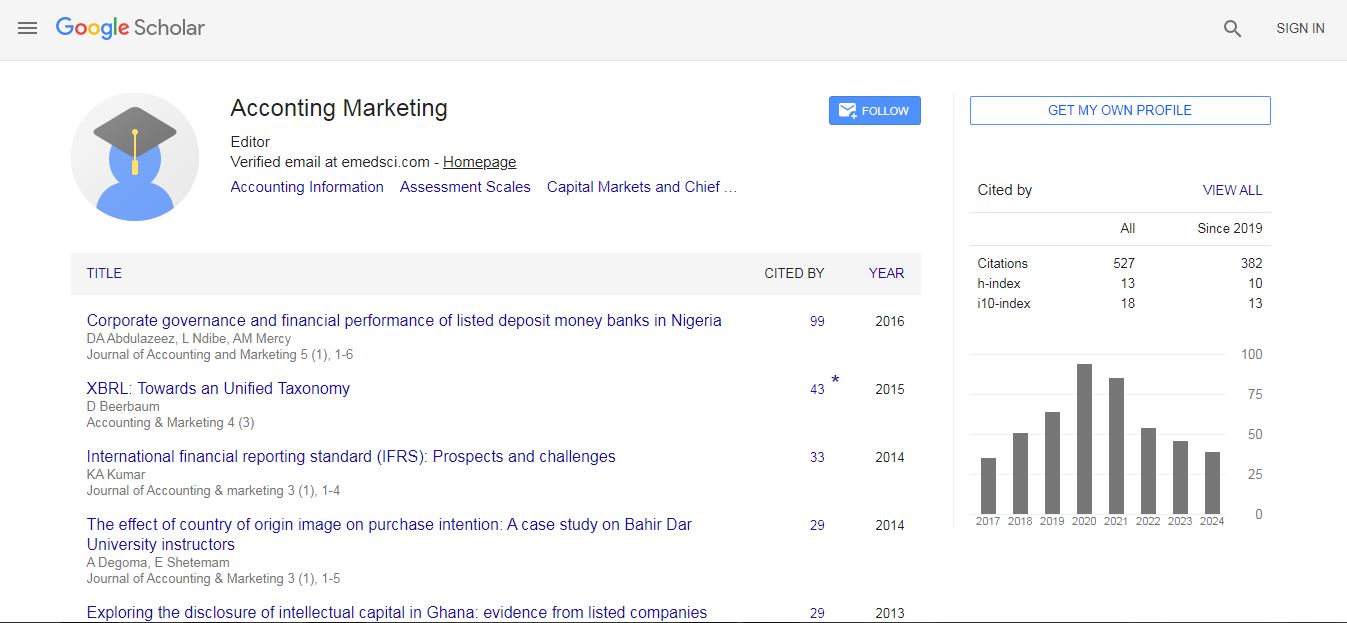
Accounting & Marketing received 487 citations as per Google Scholar report