Perspective - (2024) Volume 7, Issue 3
Received: 20-Jul-2024, Manuscript No. POLLUTION-24-142601;
Editor assigned: 23-Jul-2024, Pre QC No. POLLUTION-24-142601 (PQ);
Reviewed: 06-Aug-2024, QC No. POLLUTION-24-142601;
Revised: 14-Apr-2025, Manuscript No. POLLUTION-24-142601 (R);
Published:
21-Apr-2025
, DOI: 10.37421/2684-4958.2025.8.375
Citation: Preethi, Radoslav. "Adipose Tissue Dysfunction Associated with Air Pollution and Climate Change: Comprehending the Metabolic Effects." J Pollution 08 (2025): 375.
Copyright: é 2025 Preethi R. This is an open-access article distributed under the terms of the creative commons attribution license which permits unrestricted use, distribution and reproduction in any medium, provided the original author and source are credited.
Adipose tissue plays a vital role in energy storage, thermoregulation and endocrine signaling. However, its function is increasingly threatened by environmental stressors such as air pollution and climate change. This review explores how these factors contribute to adipose tissue dysfunction and related metabolic disorders. Air pollutants including particulate matter, nitrogen oxides and volatile organic compounds induce inflammation, oxidative stress, endocrine disruption and epigenetic changes in adipocytes, contributing to obesity, insulin resistance and dyslipidemia.
Adipose tissue • Nitrogen oxides • Inflammation • Dyslipidemia
Adipose tissue, commonly known as body fat, plays a critical role in the storage of energy, regulation of body temperature and secretion of hormones that influence metabolic processes. However, environmental factors such as air pollution and climate change can adversely impact adipose tissue function, leading to metabolic dysfunction and associated health problems. Understanding how these environmental stressors affect adipose tissue is crucial for developing strategies to mitigate their adverse health effects.
Air pollution and adipose tissue dysfunction
Air pollution, a significant byproduct of industrialization and urbanization, is composed of various harmful substances, including Particulate Matter (PM), Nitrogen Oxides (NOx), Sulfur dioxide (SO2), Carbon monoxide (CO) and Volatile Organic Compounds (VOCs). Exposure to these pollutants has been linked to various health issues, including respiratory and cardiovascular diseases and more recently, metabolic disorders.
Mechanisms of impact
Inflammation and oxidative stress: One of the primary mechanisms by which air pollution affects adipose tissue is through inflammation and oxidative stress. Pollutants, especially fine Particulate Matter (PM2.5), can penetrate deep into the respiratory system and enter the bloodstream, leading to systemic inflammation. This inflammatory response can trigger the release of pro-inflammatory cytokines such as Tumor Necrosis Factor-alpha (TNF-α) and Interleukins (IL-6, IL-1β), which can disrupt adipocyte function and lead to insulin resistance.
Endocrine disruption: Certain air pollutants act as endocrine disruptors, interfering with hormone signaling pathways. For instance, some Polycyclic Aromatic Hydrocarbons (PAHs) and phthalates can mimic or inhibit hormones like estrogen and androgen. This disruption can impair the regulatory functions of adipose tissue, affecting lipid metabolism and storage.
Epigenetic modifications: Air pollution can also cause epigenetic changes, such as DNA methylation and histone modification, altering gene expression in adipocytes. These changes can affect the differentiation and function of adipocytes, leading to metabolic dysfunction.
Health implications
Obesity: Chronic exposure to air pollution has been associated with increased Body Mass Index (BMI) and obesity. Pollutants can promote adipogenesis, the process by which preadipocytes differentiate into mature adipocytes, leading to an increase in fat mass. Moreover, inflammation and oxidative stress can impair the regulatory mechanisms that control appetite and energy expenditure, contributing to weight gain.
Insulin resistance and type 2 diabetes: Insulin resistance is a hallmark of type 2 diabetes and is closely linked to adipose tissue dysfunction. Pollutants such as PM2.5 can induce insulin resistance by promoting inflammation and oxidative stress in adipose tissue. This can disrupt insulin signaling pathways, leading to impaired glucose uptake by cells and elevated blood glucose levels.
Dyslipidemia: Air pollution can also lead to dyslipidemia, characterized by abnormal levels of lipids in the blood. Inflammation and oxidative stress can alter lipid metabolism in adipose tissue, leading to increased levels of triglycerides and Low-Density Lipoprotein (LDL) cholesterol and decreased levels of High-Density Lipoprotein (HDL) cholesterol.
Climate change and adipose tissue dysfunction
Climate change, driven by global warming and associated environmental changes, has profound effects on human health, including metabolic health. Rising temperatures, extreme weather events and altered ecosystems can impact adipose tissue function in various ways.
Mechanisms of impact
Heat stress: Rising temperatures can lead to heat stress, which affects the body’s thermoregulatory mechanisms. Adipose tissue plays a crucial role in insulation and energy storage and heat stress can disrupt these functions. Prolonged exposure to high temperatures can induce Heat Shock Proteins (HSPs) in adipocytes, leading to cellular stress and metabolic dysfunction.
Altered food supply and nutritional changes: Climate change can affect food production and quality, leading to changes in dietary patterns. Reduced availability of nutritious food can lead to poor dietary choices and increased consumption of processed foods high in sugars and fats, which can contribute to adipose tissue dysfunction and metabolic disorders.
Increased physical inactivity: Extreme weather events such as heatwaves, storms, and floods can limit outdoor physical activities. Reduced physical activity can lead to weight gain and obesity, exacerbating adipose tissue dysfunction and associated metabolic problems.
Health implications
Obesity and weight gain: Heat stress and reduced physical activity due to extreme weather can contribute to weight gain and obesity. Additionally, changes in food supply and dietary patterns can lead to increased consumption of unhealthy foods, further promoting obesity.
Metabolic syndrome: Climate change-related factors such as heat stress and altered dietary patterns can increase the risk of metabolic syndrome, a cluster of conditions including obesity, insulin resistance, dyslipidemia and hypertension. Metabolic syndrome significantly increases the risk of cardiovascular diseases and type 2 diabetes.
Inflammation and immune dysregulation: Climate change can also impact immune function, leading to increased susceptibility to infections and inflammation. Chronic inflammation can exacerbate adipose tissue dysfunction, leading to metabolic disorders.
Integrating the effects of air pollution and climate change
The combined effects of air pollution and climate change can have synergistic impacts on adipose tissue function and metabolic health. Understanding these interactions is crucial for developing comprehensive strategies to mitigate their health effects.
Combined mechanisms of impact
Synergistic inflammation: Air pollution and climate change can independently promote inflammation, and their combined effects can lead to synergistic inflammation. For instance, heat stress can exacerbate the inflammatory response to air pollutants, leading to more severe adipose tissue dysfunction.
Compounded oxidative stress: Both air pollution and climate change can induce oxidative stress, and their combined effects can amplify this stress. For example, increased temperatures can enhance the generation of Reactive Oxygen Species (ROS) in response to air pollutants, leading to more significant oxidative damage in adipose tissue.
Disrupted endocrine function: Air pollution and climate changerelated factors can both act as endocrine disruptors, affecting hormone signaling pathways. Their combined effects can lead to more pronounced disruptions in adipose tissue function and metabolic health.
Health implications
Exacerbation of obesity and metabolic disorders: The combined effects of air pollution and climate change can exacerbate obesity and metabolic disorders. For instance, increased heat stress due to climate change can amplify the weight gain effects of air pollution, leading to more severe obesity and associated metabolic problems.
Increased risk of cardiovascular diseases: The synergistic effects of air pollution and climate change on inflammation, oxidative stress and metabolic dysfunction can increase the risk of cardiovascular diseases. Chronic inflammation and dyslipidemia can promote atherosclerosis, leading to heart attacks and strokes.
Heightened vulnerability in populations: Certain populations, such as children, the elderly and individuals with preexisting health conditions, may be more vulnerable to the combined effects of air pollution and climate change. These populations may experience more severe adipose tissue dysfunction and metabolic health problems.
Mitigation and adaptation strategies
Addressing the adverse effects of air pollution and climate change on adipose tissue function and metabolic health requires a multifaceted approach that includes mitigation and adaptation strategies.
Mitigation strategies
Reducing air pollution: Implementing policies to reduce emissions of air pollutants from industrial, transportation and agricultural sources is crucial. This can involve stricter regulations on emissions, promoting cleaner technologies and increasing green spaces in urban areas to improve air quality.
Combating climate change: Efforts to mitigate climate change should focus on reducing greenhouse gas emissions through the transition to renewable energy sources, improving energy efficiency, and promoting sustainable agricultural practices. International cooperation and adherence to climate agreements such as the Paris Agreement are essential for these efforts [7-10].
Adaptation strategies
Enhancing resilience of healthcare systems: Healthcare systems should be strengthened to better manage the health impacts of air pollution and climate change. This includes improving access to healthcare services, enhancing disease surveillance and early warning systems and promoting public healh education on the risks of air pollution and climate change.
Promoting healthy lifestyles: Encouraging healthy lifestyles, including balanced diets and regular physical activity, can help mitigate the adverse effects of air pollution and climate change on metabolic health. Public health campaigns should promote the consumption of nutritious foods and active living, even during extreme weather conditions.
Supporting vulnerable populations: Special attention should be given to protecting vulnerable populations from the combined effects of air pollution and climate change. This can involve targeted interventions, such as providing access to air purifiers, ensuring adequate cooling during heatwaves and offering support for managing chronic health conditions.
The interplay between air pollution, climate change, and adipose tissue dysfunction underscores the complex relationship between environmental factors and metabolic health. The mechanisms by which these environmental stressors affect adipose tissue include inflammation, oxidative stress, endocrine disruption and epigenetic modifications. These processes can lead to obesity, insulin resistance, dyslipidemia and other metabolic disorders.
Addressing the health impacts of air pollution and climate change requires comprehensive strategies that combine mitigation efforts to reduce emissions and adaptation measures to enhance resilience. By understanding and addressing these environmental health challenges, we can better protect metabolic health and improve overall public health outcomes.
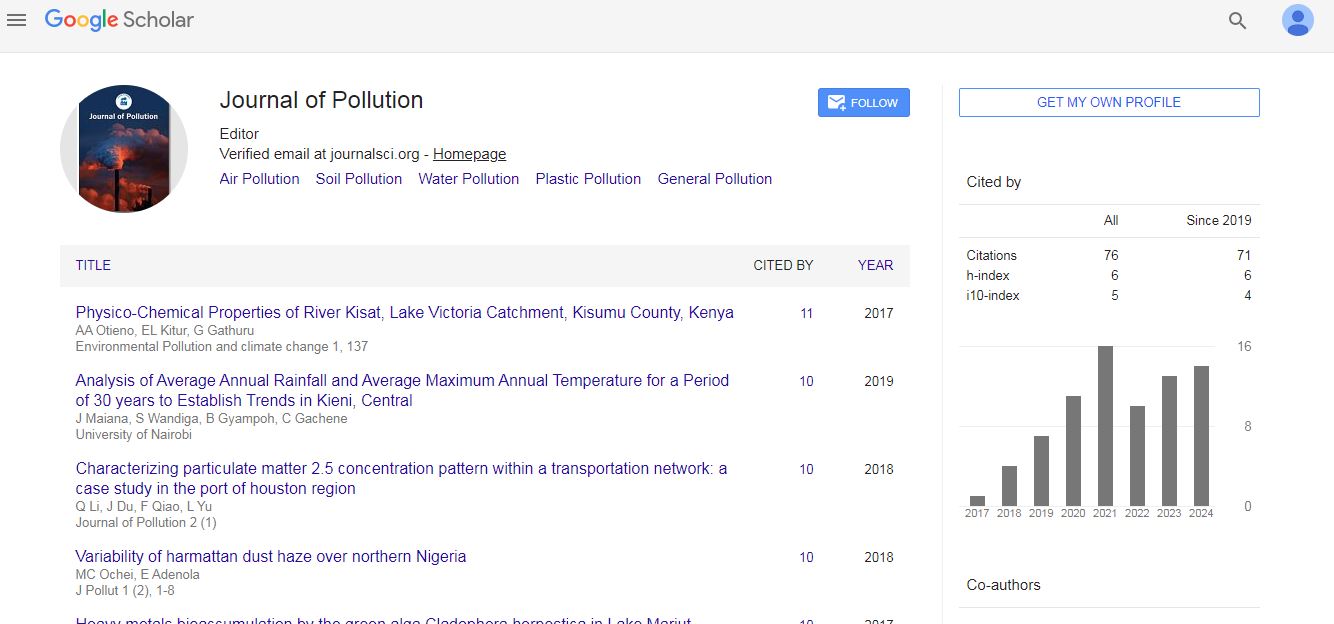
Journal of Pollution received 64 citations as per Google Scholar report