Perspective - (127) Volume 14, Issue 2
Received: 02-Mar-2025, Manuscript No. VTE-26-180074;
Editor assigned: 04-Mar-2025, Pre QC No. P-180074;
Reviewed: 18-Mar-2025, QC No. Q-180074;
Revised: 24-Mar-2025, Manuscript No. R-180074;
Published:
30-Mar-2025
, DOI: 10.37421/2376-1318.2025.14.363
Citation: Watanabe, Kenji. ”Trace Elements: Essential For Health And Balance.” Vitam Miner 14 (2025):363.
Copyright: © 2025 Watanabe K. This is an open-access article distributed under the terms of the Creative Commons Attribution License, which permits unrestricted use, distribution and reproduction in any medium, provided the original author and source are credited.
Trace elements represent a critical category of micronutrients, indispensable for myriad physiological functions within the human body. These elements, though required in minute quantities, exert profound influences on overall health and well-being, often acting as essential cofactors for enzymatic activities that drive metabolic processes. Their roles extend to the intricate regulation of hormonal pathways, which govern various bodily functions, and they significantly modulate the efficacy and responsiveness of the immune system. Discrepancies in the dietary intake of these trace elements, whether manifesting as deficiencies or excesses, can precipitate a wide array of adverse health outcomes, thereby underscoring the paramount importance of maintaining balanced and adequate levels through proper nutrition. This comprehensive review aims to illuminate the significance of several key trace elements, including iron, zinc, copper, selenium, and iodine, by detailing their specific metabolic functions and the far-reaching consequences associated with imbalances in their homeostasis. The meticulous examination of these nutrients provides a foundational understanding for addressing nutritional deficiencies and promoting optimal health through dietary interventions [1].
Iron is fundamentally vital for the sustenance of life, playing an irreplaceable role in the transport of oxygen throughout the body via hemoglobin, and is a critical component of enzymes involved in energy metabolism. The body's capacity to absorb iron is a highly sophisticated and tightly regulated process, intricately influenced by a confluence of dietary factors, such as the presence of enhancers or inhibitors, and the body's internal iron status, which signals the need for increased or decreased absorption. Disruptions in the delicate equilibrium of iron homeostasis can lead to a spectrum of clinical conditions, ranging from the debilitating effects of anemia, characterized by insufficient red blood cells or hemoglobin, to the toxic accumulation of iron in iron overload disorders, both of which can profoundly impact numerous essential physiological processes and organ functions [2].
Zinc stands out as a remarkably versatile mineral, indispensable for the robust functioning of the immune system, the intricate processes of cell growth and proliferation, and the effective healing of wounds. Its pervasive influence stems from its role as a crucial cofactor for a vast array of enzymes, numbering in the hundreds, that are involved in virtually every major biochemical pathway in the body. Consequently, a deficiency in zinc intake significantly compromises the immune system's ability to fend off infections and can result in severe developmental issues, particularly impacting children and adolescents whose growth and development are critically dependent on adequate zinc levels [3].
Copper, though often overshadowed by other trace elements, is essential for a multitude of vital biological functions, including the critical process of iron metabolism, the efficient production of energy within cells, and the synthesis of neurotransmitters that are fundamental for proper brain function and signaling. While deficiencies in copper are relatively uncommon compared to other micronutrients, when they do occur, they can lead to serious neurological problems and contribute to the development of anemia, mirroring some effects of iron deficiency. Conversely, an excessive accumulation of copper within the body can trigger severe health consequences, most notably manifesting as Wilson's disease, a genetic disorder characterized by the toxic buildup of copper in organs such as the liver, brain, and eyes [4].
Selenium is recognized for its potent antioxidant capabilities, offering crucial protection to cells against oxidative damage caused by free radicals, and it plays a pivotal role in the intricate metabolism of thyroid hormones, which are essential for regulating metabolic rate, growth, and development. The geographical distribution of selenium in soils directly impacts dietary selenium intake, leading to regional variations in population health outcomes. Chronic deficiency in selenium has been implicated in the etiology of serious endemic diseases, such as Keshan disease, a form of cardiomyopathy, and Kashin-Beck disease, an osteoarthritis-like condition affecting joints [5].
Iodine is an element that is absolutely indispensable for the synthesis of thyroid hormones, namely thyroxine (T4) and triiodothyronine (T3), which serve as master regulators of the body's metabolic rate, critical for overall growth, and essential for normal neurodevelopment. Iodine deficiency represents a significant global public health challenge, standing as the leading preventable cause of intellectual disability worldwide, a consequence of impaired fetal brain development. This critical deficiency is often effectively addressed through widespread public health initiatives, such as the mandatory iodization of salt, ensuring broader access to this vital nutrient [6].
Manganese participates in a diverse range of essential metabolic pathways, including the formation and maintenance of healthy bone structure, the regulation of carbohydrate and lipid metabolism, and contributes to the body's antioxidant defense mechanisms. While manganese is an essential trace element, it is crucial to maintain intake within recommended levels, as excessive consumption can lead to neurotoxicity. This toxicity can manifest in a variety of neurological impairments, adversely affecting motor control and cognitive functions, highlighting the narrow therapeutic window for this mineral [7].
Chromium is understood to play a significant role in the metabolism of carbohydrates and lipids, and there is considerable interest in its potential to enhance insulin action, thereby improving glucose regulation. While it is commonly included in dietary supplements marketed for metabolic health, the scientific evidence supporting its broad efficacy across diverse populations and in various metabolic conditions remains under active investigation and is not yet conclusive. Further rigorous research is necessary to fully elucidate its therapeutic potential and establish definitive guidelines for its use [8].
Fluoride is perhaps most widely recognized for its profound and well-established role in maintaining dental health, where it significantly strengthens tooth enamel, making it more resistant to acid attacks, and effectively prevents the formation of cavities. Beyond its oral health benefits, fluoride is also a component of bone tissue, contributing to skeletal integrity and strength. However, its systemic nutritional importance and broader physiological roles outside of oral and skeletal health are less prominently understood and remain areas of ongoing scientific inquiry [9].
It is imperative to acknowledge the complex web of interactions that exist among various trace elements within the human body, which significantly influence their individual absorption, distribution, and ultimate utilization. For example, a high dietary intake of one particular mineral can actively impair the absorption and bioavailability of another essential trace element, creating a competitive displacement effect. This intricate interplay underscores the delicate balance required for optimal nutrient status and highlights how the cumulative effect of dietary patterns on trace element dynamics can have a profound impact on overall health and physiological function [10].
Trace elements are indispensable micronutrients that fulfill critical functions in maintaining human health, acting as vital cofactors for numerous enzymes that catalyze essential biochemical reactions. They are also integral to the precise regulation of hormonal signals that govern diverse bodily processes and play a significant role in modulating the complex mechanisms of the immune system. Deviations from optimal dietary intake, leading to either deficiencies or excesses of these elements, can precipitate a broad spectrum of health problems, emphasizing the necessity of precise dietary management. This review provides an in-depth examination of key trace elements, including iron, zinc, copper, selenium, and iodine, detailing their specific metabolic roles and the clinical consequences that arise from imbalances in their physiological concentrations. Understanding these roles is fundamental to preventing and treating malnutrition-related disorders [1].
Iron is a cornerstone of physiological function, essential for oxygen transport via hemoglobin and for efficient energy metabolism. The absorption of dietary iron is a meticulously controlled process, subject to influence by dietary components and the body's iron stores. Aberrations in iron homeostasis can lead to conditions such as anemia or iron overload, impacting multiple organ systems and physiological functions. Maintaining appropriate iron levels is critical for overall health and preventing disease [2].
Zinc's significance extends across multiple physiological domains, being crucial for immune defense, cellular proliferation, and tissue repair. As a cofactor for hundreds of enzymatic reactions, its presence is vital for normal metabolic activity. Zinc deficiency severely impairs immune function and can lead to significant developmental deficits, particularly in vulnerable populations such as infants and children [3].
Copper is essential for several metabolic processes, including iron utilization, energy production, and the synthesis of crucial neurotransmitters. While copper deficiency is rare, it can manifest as neurological disorders and anemia. Conversely, an overabundance of copper can result in Wilson's disease, a serious inherited condition characterized by copper accumulation in vital organs [4].
Selenium functions as a potent antioxidant, safeguarding cells from oxidative stress, and is integral to thyroid hormone metabolism and immune function. Geographic variations in soil selenium content lead to diverse dietary intakes, affecting population health. Selenium deficiency is linked to specific cardiac and skeletal conditions, such as Keshan disease and Kashin-Beck disease [5].
Iodine is an irreplaceable element required for the production of thyroid hormones, which are central to regulating metabolism, growth, and development. Iodine deficiency remains a primary cause of preventable intellectual disability globally, a problem mitigated by public health strategies like salt iodization [6].
Manganese is involved in bone development, the metabolism of carbohydrates and lipids, and acts as an antioxidant. While essential, excessive manganese intake can induce neurotoxicity, leading to neurological impairments. Therefore, maintaining optimal levels is crucial for avoiding adverse health effects [7].
Chromium's role in carbohydrate and lipid metabolism, particularly its potential to augment insulin sensitivity, is an area of ongoing research. Although commonly used in supplements for metabolic health, definitive evidence for its widespread effectiveness requires further investigation across varied populations [8].
Fluoride is primarily known for its benefits to dental health, strengthening enamel and preventing caries. It also contributes to skeletal health by being incorporated into bone tissue. Its role in systemic nutrition beyond oral and bone health is less established [9].
Trace minerals engage in complex interactions that affect their absorption and utilization. For instance, high levels of one mineral can interfere with the uptake of another, illustrating the intricate nutritional dynamics and their combined impact on health outcomes. Understanding these interactions is key to optimizing trace mineral status [10].
Trace elements are essential micronutrients vital for human health, acting as enzyme cofactors, participating in hormonal regulation, and influencing immune function. Deficiencies or excesses can cause various health issues, highlighting the importance of balanced dietary intake. Key trace elements discussed include iron, essential for oxygen transport and energy metabolism; zinc, crucial for immunity, growth, and wound healing; copper, involved in iron metabolism, energy, and neurotransmitter synthesis; selenium, a potent antioxidant vital for thyroid function and immunity; and iodine, indispensable for thyroid hormone production and neurodevelopment. Other elements like manganese, chromium, and fluoride also play specific roles. The interactions between these trace elements significantly affect their absorption and utilization, making dietary balance critical for overall health.
None
None
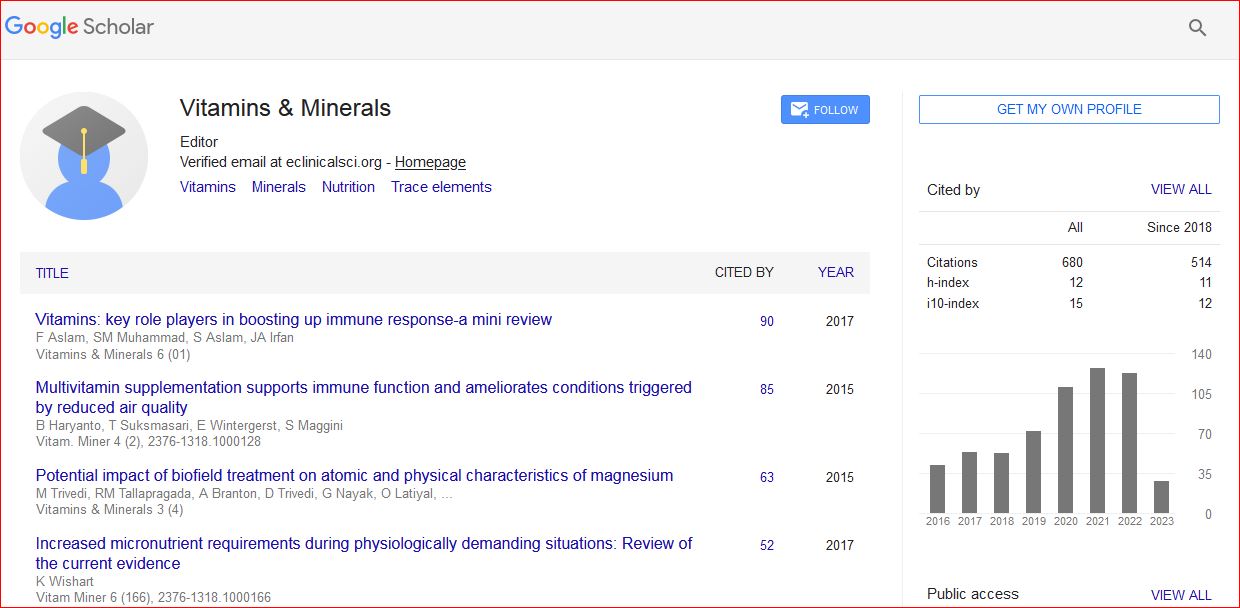
Vitamins & Minerals received 790 citations as per Google Scholar report