Perspective - (2025) Volume 9, Issue 5
Received: 01-Oct-2025, Manuscript No. jid-26-188347;
Editor assigned: 03-Oct-2025, Pre QC No. P-188347;
Reviewed: 17-Oct-2025, QC No. Q-188347;
Revised: 22-Oct-2025, Manuscript No. R-188347;
Published:
29-Oct-2025
, DOI: 10.37421/2684-4559.2025.9.350
Citation: Almeida, Rafael. "Toxoplasmosis In Immunocompromised: Complex Challenges, Varied Responses." Clin Infect Dis 13 (2025):350.
Copyright: © 2025 Almeida R. This is an open-access article distributed under the terms of the Creative Commons Attribution License, which permits unrestricted use, distribution and reproduction in any medium, provided the original author and source are credited.
The understanding of severe toxoplasmosis in immunocompromised individuals remains a complex and evolving area of medical research, demanding a nuanced approach to diagnosis and treatment due to the wide spectrum of patient vulnerabilities and pathogen characteristics. This introductory section will explore the multifaceted factors contributing to varied treatment responses and disease severity in this patient population, drawing upon recent scientific investigations to provide a comprehensive overview of the current knowledge landscape. One crucial aspect influencing treatment outcomes is the inherent variability in how immunocompromised individuals respond to therapeutic interventions for severe toxoplasmosis. Factors such as the specific parasite strain involved, the precise nature of the host's immune deficiencyâ??whether due to conditions like HIV infection or the aftermath of organ transplantationâ??and the type of immunosuppressive therapy being administered all play significant roles in determining the effectiveness of treatments and the overall patient prognosis [1].
The intricate relationship between the host's immune system and the parasite is particularly evident in transplant recipients. Research has highlighted the pivotal role of T-cell responses in effectively controlling parasite replication. Consequently, the quality and speed of T-cell reconstitution following a transplant directly correlate with the success of treatment and the likelihood of disease relapse, underscoring the importance of cellular immunity in managing toxoplasmosis in this group [2].
Further complicating the clinical picture is the genetic diversity of Toxoplasma gondii strains. Studies have begun to map the correlation between specific parasite genotypes and the clinical manifestations observed, as well as the response to standard antiparasitic drugs. Certain genetic profiles of the parasite have been identified as being associated with more aggressive disease and a diminished susceptibility to conventional treatments, thereby explaining some instances of therapeutic failure in HIV-infected patients [3].
Beyond the direct impact of the parasite and the primary immune deficiency, the immunosuppressive regimens themselves can significantly alter host susceptibility and treatment response. In non-HIV immunocompromised patients, the use of corticosteroids and certain biologic agents has been shown to impair cellular immunity, creating a fertile ground for severe and often refractory toxoplasmosis infections, necessitating careful consideration of these therapeutic choices [4].
Given this complexity, a broad overview of diagnostic challenges and therapeutic strategies for severe toxoplasmosis in immunocompromised patients is essential. Current literature emphasizes the need for individualized patient management, taking into account both the patient's immune status and specific pathogen-related factors, to navigate the variability in clinical presentation and treatment response effectively [5].
The pharmacokinetics and pharmacodynamics of antiparasitic drugs present another layer of complexity in treating immunocompromised individuals. Impaired drug metabolism or altered protein binding in these patients can significantly affect treatment efficacy. This suggests that standard dosing regimens may not always achieve therapeutic drug levels, potentially necessitating dosage adjustments to improve outcomes [6].
The emergence and spread of drug resistance in Toxoplasma gondii pose a substantial threat to the effective treatment of immunocompromised individuals. Investigations into the molecular mechanisms behind resistance to common drugs like pyrimethamine and sulfadiazine are ongoing, driving the search for alternative therapeutic strategies and a better understanding of how to combat resistant strains [7].
Host genetic factors also contribute to the susceptibility and severity of toxoplasmosis in immunocompromised individuals. Polymorphisms in genes related to immune function have been linked to varying clinical outcomes, indicating a potential genetic predisposition to developing severe disease or experiencing non-response to treatment, an area ripe for further exploration [8].
Finally, the presence of comorbid infections, such as cytomegalovirus or fungal infections, can further exacerbate the challenges in treating severe toxoplasmosis, particularly in patients with advanced HIV. These concurrent infections can heighten disease severity and complicate the selection and administration of treatment regimens, demanding a holistic approach to patient care [9].
The clinical management of severe toxoplasmosis in immunocompromised individuals is profoundly influenced by a confluence of host-related and pathogen-related factors, necessitating a detailed examination of the underlying mechanisms and therapeutic strategies. This section will elaborate on the key elements identified in recent research that contribute to the varied clinical trajectories observed in these vulnerable patients. A significant factor contributing to the differential outcomes in severe toxoplasmosis among immunocompromised patients is the variability in treatment response. This heterogeneity can be attributed to several interconnected elements, including the specific strain of the parasite infecting the host, the precise nature of the underlying immune deficiency such as HIV or immunosuppression following organ transplantation, and the specific immunosuppressive therapies employed, all of which collectively impact treatment efficacy and patient prognosis [1].
In the context of solid organ transplant recipients, the immune mechanisms involved in controlling toxoplasmosis are critically dependent on T-cell mediated responses. These cellular immune responses play a vital role in suppressing parasite replication. Consequently, the pattern and extent of T-cell reconstitution after transplantation are directly associated with the success of treatment and the risk of experiencing disease relapses, highlighting the indispensable role of adaptive immunity [2].
The genetic makeup of different Toxoplasma gondii strains presents another layer of complexity, with distinct genotypes exhibiting varying virulence and drug susceptibility. Research has established correlations between specific parasite genotypes and the severity of clinical symptoms, as well as the patient's response to standard antiparasitic medications. This genetic variability in the parasite can explain why some HIV-infected patients experience treatment failures despite adherence to prescribed therapies [3].
For immunocompromised individuals who are not infected with HIV, the type of immunosuppressive regimen used can significantly impact their susceptibility to and response to toxoplasmosis. Therapies involving corticosteroids and biologics, for instance, are known to suppress cellular immunity, thereby increasing the risk of developing severe and often intractable forms of the infection that are resistant to conventional treatments [4].
A comprehensive understanding of the diagnostic hurdles and therapeutic options available for severe toxoplasmosis in immunocompromised patients is crucial for effective clinical practice. The observed variability in how the disease presents clinically and how patients respond to treatment underscores the importance of personalized management plans tailored to each patient's unique immune status and the specific characteristics of the infecting pathogen [5].
The effectiveness of antiparasitic drugs in immunocompromised patients can be significantly altered by variations in their pharmacokinetics and pharmacodynamics. Factors such as altered drug metabolism and changes in protein binding can lead to suboptimal drug concentrations at the site of infection. Therefore, adjustments to dosage regimens may be necessary to achieve adequate therapeutic levels and improve treatment outcomes [6].
The development of drug resistance in Toxoplasma gondii is a growing concern and a major contributor to treatment failures in immunocompromised hosts. Ongoing research is focused on elucidating the molecular mechanisms by which the parasite becomes resistant to commonly used drugs like pyrimethamine and sulfadiazine, with the aim of developing new therapeutic strategies to overcome this challenge [7].
Host genetic factors also play a role in determining an individual's susceptibility to toxoplasmosis and their response to treatment. Specific variations, or polymorphisms, in genes that regulate the immune system have been associated with different clinical outcomes, suggesting that an individual's genetic background can predispose them to more severe disease or a lack of response to therapy [8].
In HIV-infected patients with severe toxoplasmosis, the presence of other infections, known as comorbidities, can complicate the treatment course. Co-infections with pathogens such as cytomegalovirus or various fungi can worsen the overall disease severity and create additional challenges in designing and implementing effective treatment regimens [9].
Severe toxoplasmosis in immunocompromised individuals presents a complex clinical challenge due to significant variability in treatment responses. Factors contributing to this variability include the specific parasite strain, the type of immune deficiency (e.g., HIV, organ transplant), and the immunosuppressive therapy used. T-cell immunity is critical, especially in transplant recipients, while genetic diversity of Toxoplasma gondii strains can lead to more severe disease and drug resistance. Corticosteroids and biologics can impair immunity, increasing susceptibility. Pharmacokinetic and pharmacodynamic alterations of drugs in immunocompromised hosts may require dosage adjustments. Drug resistance is a growing concern, necessitating research into alternative therapies. Host genetic factors also influence susceptibility and response. Comorbid infections, particularly in HIV patients, can exacerbate disease and complicate treatment. Emerging therapeutic strategies, including novel drug combinations and immunomodulatory agents, are being explored to improve outcomes in refractory cases.
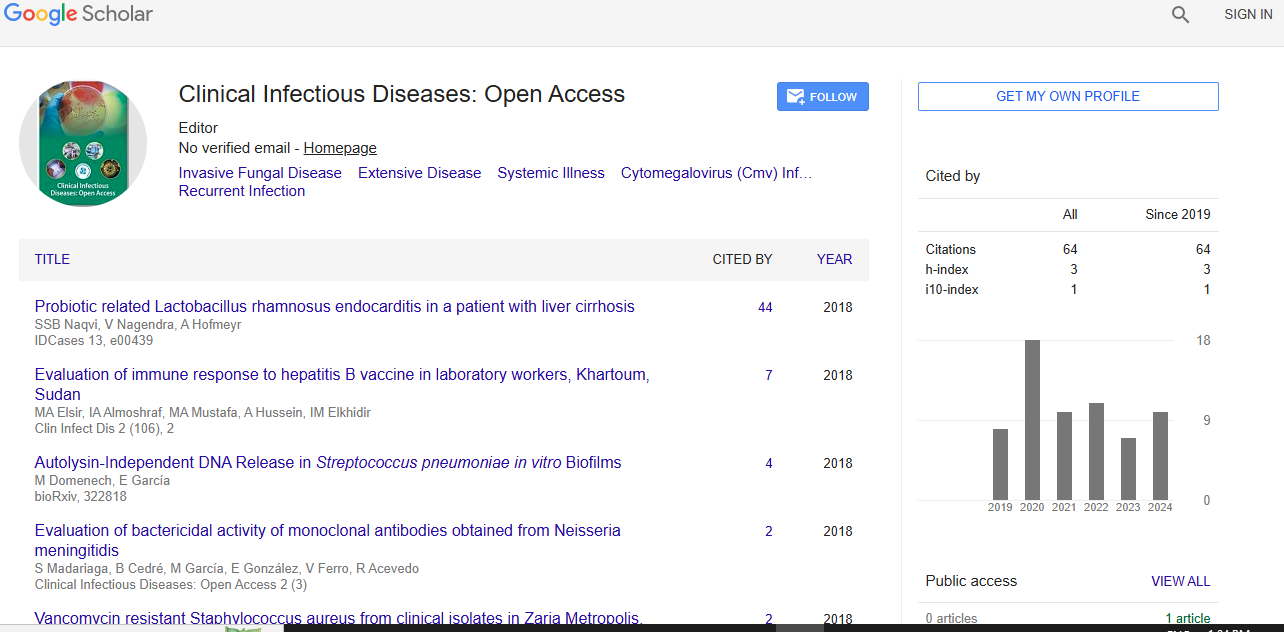
Clinical Infectious Diseases: Open Access received 1149 citations as per Google Scholar report