Research Article - (127) Volume 13, Issue 1
Received: 06-Jan-2026, Manuscript No. JPD-26-180488;
Editor assigned: 08-Jan-2026, Pre QC No. P-180488;
Reviewed: 22-Jan-2026, QC No. Q-180488;
Revised: 19-Feb-2026, Manuscript No. R-180488;
Published:
27-Feb-2026
, DOI: https://doi.org/10.5281/zenodo.20405806
Citation: Shenoy, Manjunath, Prakash C Bora, Shreya Poddar and Nisha Agrawal, et al. “To Evaluate Real-World Prescribing Patterns,
Perceived Effectiveness, Safety and Combination Practices of Tofacitinib among Indian Dermatologists.” J Dermatol Dis 13 (2026): 559.
Copyright: © 2026 Shenoy M, et al. This is an open-access article distributed under the terms of the Creative Commons Attribution License, which permits
unrestricted use, distribution, and reproduction in any medium, provided the original author and source are credited.
Tofacitinib • Psoriasis • Atopic dermatitis • Vitiligo • Alopecia • Indian prescribing patterns
Chronic autoimmune skin diseases such as psoriasis, vitiligo, alopecia areata and atopic dermatitis present persistent challenges in dermatological practice. These conditions extend beyond cutaneous involvement, often imposing significant psychological, social and economic burdens on affected individuals. The visible manifestations of disease can lead to social stigmatization, reduced self-esteem and emotional distress. Moreover, the chronic nature of these conditions may impair work productivity and disrupt daily functioning due to both disease activity and ongoing treatment demands [1]. Although treatment options have improved over time, current treatment options for autoimmune skin disorders frequently fall short of achieving sustained disease control. Several existing therapies provide only partial or temporary relief, are associated with side effects, or require ongoing administration that may compromise patient adherence. The recurrent nature of disease flare-ups and the unpredictability of progression further underscore the need for more targeted and durable treatment options [1]. Recent insights into the pathophysiology of autoimmune skin diseases have highlighted the Janus kinase (JAK) Signal Transducer and Activator of Transcription (STAT) pathway as a key driver of disease mechanisms.
Dysregulation of this intracellular signalling pathway contributes to/ the inflammatory milieu observed in various autoimmune conditions. This has led to the development and clinical adoption of JAK inhibitors, which represent a novel class of immunomodulatory agents with a distinct mechanism of action compared to traditional systemic immunosuppressants or biologics [2]. Tofacitinib, a reversible, competitive JAK inhibitor which has demonstrated promising efficacy in the management of various autoimmune dermatologic conditions. By interrupting the JAK-STAT signalling cascade, tofacitinib can reduce disease severity, improve skin lesions and enhance health-related quality of life [3]. Tofacitinib selectively suppresses JAK1 and JAK3, regulating cytokine signalling, important to the functioning of immune cells [4]. By inhibiting IL-2, IL-4, IL-7, IL-9, IL-15, IL-21 and IFN (interferon) signalling pathways, it decreases T-cell activation, cytokine production and tissue infiltration. It is this mechanism that makes it effective in certain skin conditions such as e.g. alopecia areata and psoriatic disease. In contrast to cyclosporine or methotrexate, tofacitinib also inhibits IL-22, IL-19 and IL-24, integral mediators of psoriatic skin inflammation and downregulates IL-23R and RANKL, decreasing Th17 polarization and osteoclast activity [5, 6].
Its oral route of administration offers added convenience over parenteral therapies and may improve treatment adherence in real-world settings. Emerging clinical and observational data supports its role in expanding the therapeutic armamentarium for autoimmune skin diseases. However, despite its growing clinical use globally, real-world data on the use of JAK-STAT inhibitors in dermatology remain limited in the Indian context. Understanding the patterns of use, perceived effectiveness, safety considerations and overall clinician experience is essential to inform treatment decisions and guide future practice.
This study aims to explore the real-world clinical perceptions, prescribing patterns, treatment outcomes and safety assessments associated with JAK-STAT inhibitors, particularly tofacitinib, among Indian dermatologists in the management of autoimmune skin diseases (Figure 1).
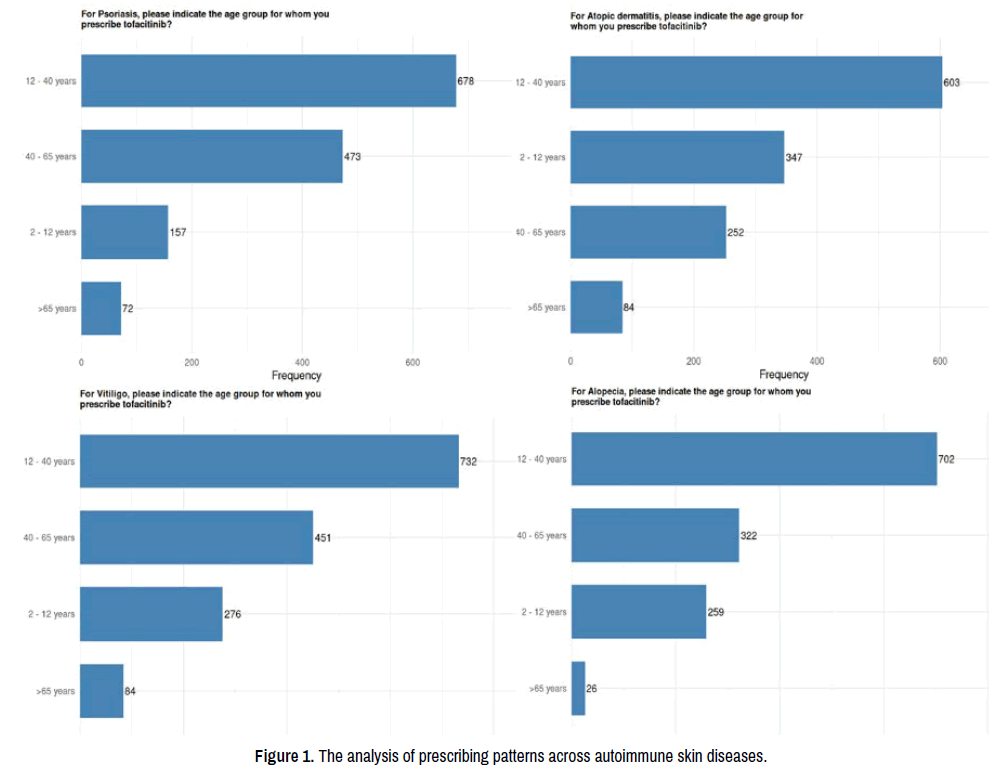
Figure 1. The analysis of prescribing patterns across autoimmune skin diseases.
This was a cross-sectional, web-based survey conducted from August to September 2024. The questionnaire was prepared and pretested by the principal investigator and the co-principal investigators and further refined based upon their feedback and suggestions. The final questionnaire was circulated via electronic survey to 825 board- certified dermatologists across India. The identity of the respondents was not blinded to the investigators (Table 1).
| Question | N | Most common | Runner-up | Third most common |
|---|---|---|---|---|
| 1. Do you use Tofacitinib, JAK Inhibitor in the management of autoimmune skin diseases? | 818 | Yes (818) | - | - |
| 2. For which skin conditions have you prescribed Tofacitinib? (2. All) | 675 | All (675) | - | - |
| 2.A | 775 | Psoriasis (100) | - | - |
| 2.B | 808 | Vitiligo (133) | - | - |
| 2.C | 807 | Alopecia areata (132) | - | - |
| 2.D | 728 | Atopic dermatitis (53) | - | - |
| 2.Other | 11 | Other (11) | - | - |
| 2.1 For Psoriasis, please indicate the age group for whom you prescribe tofacitinib? (2.1 All) | 40 | All (40) | - | - |
| 2.1A | 157 | 2-12 years (117) | - | - |
| 2.1B | 678 | 12-40 years (638) | - | - |
| 2.1C | 473 | 40-65 years (433) | - | - |
| 2.1D | 72 | >65 years (32) | - | - |
| 2.2 For Atopic dermatitis, please indicate the age group for whom you prescribe tofacitinib? (2.2 All) | 67 | All (67) | - | - |
| 2.2A | 347 | 2-12 years (280) | - | - |
| 2.2B | 603 | 12-40 years (536) | - | - |
| 2.2C | 252 | 40-65 years (185) | - | - |
| 2.2D | 84 | >65 years (17) | - | - |
| 2.3 For Vitiligo, please indicate the age group for whom you prescribe tofacitinib? (2.3 All) | 41 | All (41) | - | - |
| 2.3A | 276 | 2-12 years (235) | - | - |
| 2.3B | 732 | 12-40 years (691) | - | - |
| 2.3C | 451 | 40-65 years (410) | - | - |
| 2.3D | 84 | >65 years (43) | - | - |
| 2.4 For Alopecia, please indicate the age group for whom you prescribe tofacitinib? (2.4. All) | 43 | All (43) | - | - |
| 2.4A | 302 | 2-12 years (259) | - | - |
| 2.4B | 745 | 12-40 years (702) | - | - |
| 2.4C | 365 | 40-65 years (322) | - | - |
| 2.4D | 69 | >65 years (26) | - | - |
| 3. How often do you prescribe tofacitinib for skin conditions? Patients per week. | 810 | 1-5 Per / week (447) | 5-10 Per / week (223) | More than 10/week (140) |
| 4. What are the primary factors that you consider while prescribing | 148 | All (148) | - | - |
| 4.A | 600 | Efficacy profile of Tofacitinib (452) | - | - |
| 4.B | 603 | Safety profile of tofacitinib (455) | - | - |
| 4.C | 303 | Robust clinical evidence (155) | - | - |
| 4.D | 477 | Patients' previous response to other treatments (329) | - | - |
| 4.Other | 5 | Other (5) | - | - |
| 5. How would you rate the effectiveness of tofacitinib in treating the skin conditions you prescribed it for? | 812 | Effective (525) | Very effective (174) | Moderately effective (105) |
| 6. At what stage of management of skin conditions do you consider prescribing Tofacitinib? (Select all that apply.)6. All | 201 | All (201) | - | - |
| 6.A | 701 | Patient not responding to existing treatment (500) | - | - |
| 6.B | 416 | Patients not tolerating the existing treatment (215) | - | - |
| 6.C | 373 | Patient’s condition worsening despite existing treatment (172) | - | - |
| 6.Other | 15 | Other (10) | As first Line treatment (4) | As first line (1) |
| 7. When choosing Tofacitinib, which is the preferred route? | 809 | Both (532) | Oral (181) | Topical (96) |
| 8. What are your criteria for choosing oral tofacitinib in psoriasis? (Select all that apply.)8. All | 70 | All (70) | - | - |
| 8.A | 360 | PASI Score: <5 /5-10 />10 (290) | - | - |
| 8.B | 507 | Extent of BSA affected (437) | - | - |
| 8.C | 403 | Presence of psoriatic arthritis (333) | - | - |
| 8.D | 279 | Intolerant to the topical treatment. (209) | - | - |
| 9. What are your criteria for choosing oral tofacitinib in vitiligo? (Select all that apply.)9. All | 85 | All (85) VASI Score: 100% complete depigmentation, 90% specks of pigment | - | - |
| 9.A | 378 | Present, 75% depigmented area exceeds the pigmented area, 50%-pigmented and depigmented areas are equal. (293) | ||
| 9.B | 559 | Extent of BSA affected (474) | - | - |
| 9.C | 460 | Duration of vitiligo (375) | - | - |
| 9.D | 291 | Intolerant to the topical treatment (206) | - | - |
| 10. What are your criteria for choosing oral tofacitinib in atopic dermatitis? (Select all that apply.)10. All | 59 | All (59) | - | - |
| 10.A | 313 | EASI Score: 1-7 / 7-21 / 21-50 / >50 (254) | - | - |
| 10.B | 425 | Extent of BSA affected (366) | - | - |
| 10.C | 401 | Duration of disease (342) | - | - |
| 10.D | 266 | Intolerant to the topical treatment. (207) | - | - |
| 11. What are your criteria for choosing oral tofacitinib in alopecia? (Select all that apply.)11. All | 87 | All (87) | - | - |
| 11.A | 397 | SALT Score: moderate=21-49%, severe=50-94%, and very severe=95 -100% (310) | - | - |
| 11.B | 616 | Extent of hair loss: areata, Totalis, universalis (529) | - | - |
| 11.C | 437 | Duration of alopecia (350) | - | - |
| 11.D | 220 | Intolerant to the topical treatment (133) | - | - |
| 12. When patients take systemic Tofacitinib, which biomarkers do you monitor as baseline? (Select all that apply.)12. All | 487 | All (487) | - | - |
| 12.A | 751 | Complete Blood Count (CBC) (264) | - | - |
| 12.B | 740 | Liver Function Tests (LFTs) (253) | - | - |
| 12.C | 659 | Lipid profile (172) | - | - |
| 12.D | 631 | Screening for Infections: Herpes, TB, HIV (144) | - | - |
| 12.Other | 40 | RFT (15) | Chest Xray (4) | CPK/RFT (2) |
| 13. When prescribed systemic tofacitinib, after how many weeks do you prefer lab monitoring of biomarkers during follow ups? weeks. | 804 | Every 4 weeks (410) | Every 8 Weeks (277) | Every 12 weeks (117) |
| 14. What do you consider the optimal initial dose of Oral Tofacitinib do you start the treatment for oral therapy? (Select all that apply.)14. Both | 73 | Both (73) | - | - |
| 14.A | 585 | 5mg (512) | - | - |
| 14.B | 290 | 10mg (217) | - | - |
| 14.Other | 33 | 11mg (27) | Other (6) | - |
| 15. What is the frequency and duration of Oral tofacitinib therapy preferred by you for management of autoimmune skin conditions? daily for weeks. | 805 | BD for 8 Weeks (408) | OD for 8 Weeks (302) | BD for 4 Weeks (50) |
| 16. Generally, after what period of monotherapy with oral tofacitinib you see symptoms remission? Weeks. | 796 | 4-8 Weeks (310) | 0-4 weeks (276) | 8-16 Weeks (210) |
| 17. What are the common side affects you see in patients who are on systemic tofacitinib? (Select all that apply.)17. All | 9 | All (9) | - | - |
| 17.A | 267 | Cutaneous / systemic infections (258) | - | - |
| 17.B | 63 | Malignancies (54) | - | - |
| 17.C | 376 | Gastrointestinal Issues (367) | - | - |
| 17.D | 137 | Hypersensitivity reactions (128) | - | - |
| 17.E | 76 | Drug-Drug interactions (67) | - | - |
| 17.F | 451 | Laboratory abnormalities and miscellaneous (442) | - | - |
| 17.Other | 10 | Other (10) | - | - |
| 17.none | 86 | None reported (86) | - | - |
| 18. How do you manage the side effects associated with oral tofacitinib in your patients? (Select all that apply.) 18. All | 35 | All the above (35) | - | - |
| 18.A | 557 | Dose adjustment (522) | - | - |
| 18.B | 351 | Symptomatic treatments (316) | - | - |
| 18.C | 299 | Switching to another medication (264) | - | - |
| 18.D | 259 | Discontinuation (224) | - | - |
| 18.Not reported | 31 | Not Reported (31) | - | - |
| 19. Do you combine oral tofacitinib with any other treatment modality? | 805 | Yes (689) | No (116) | - |
| 20. if YES, then specify (20. Both) | 412 | Both (412) | - | - |
| 20.A | 504 | Topical Calcineurin Inhibitor (92) | - | - |
| 20.B | 608 | Topical Steroids (196) | - | - |
| 20.Other | 19 | Other (19) | - | - |
| 21. Under what circumstances, do you choose to prescribe topical tofacitinib over systemic tofacitinib? (Select all that apply.)21. All | 149 | All (149) | - | - |
| 21.A | 562 | Less side effects compared to systemic (413) | - | - |
| 21.B | 525 | Less monitoring required (376) | - | - |
| 21.C | 553 | Mild to moderate disease conditions -404 | - | - |
| 21.D | 493 | Limited BSA involvement (344) | - | - |
| 21.E | 259 | Less chance for drug and drug interactions (110) | - | - |
| 22. What frequency of application for topical Tofacitinib would you prefer in the treatment of autoimmune skin diseases? | 802 | Twice a day (551) | Once a day (251) | - |
| 23. What is the duration of topical tofacitinib therapy preferred by you in the management of autoimmune conditions? (Select all that apply.) | 802 | 12 weeks (549) | 8 weeks (182) | 4 weeks (44) |
| 24. In the management of refractory auto immune skin diseases, do you consider tofacitinib as a treatment option | 796 | Yes (775) | No (21) | - |
| 25. Relapse is common among patients with autoimmune skin conditions upon treatment discontinuation. Do you consider Tofacitinib as an effective option with better remission duration and long- term outcomes? | 797 | Yes (722) | No (75) | - |
| 26. Do you feel confident in the current clinical evidence for the use of oral tofacitinib in dermatology? | 808 | Confident (390) | Satisfactory (223) | Very confident (162) |
| 27. What additional information or resources would help you in managing patients on oral tofacitinib? (Select all that apply.)27. All | 291 | All (291) | - | - |
| 27.A | 543 | Updated clinical guidelines (252) | - | - |
| 27.B | 660 | Clinical data on Indian population (369) | - | - |
| 27.C | 487 | Expert consensus on use of tofacitinib (196) | - | - |
| 27.Other | 8 | Other (8) | - | - |
Table 1. The table above shows how Indian dermatologists currently use tofacitinib for autoimmune skin disease, with in- between 800-820 responses per item.
In routine practice, vitiligo is the most common indication (97%) together with alopecia areata (97%) and followed by psoriasis (93%). Across conditions, prescribing is concentrated in the 12-40-year age group (73-93%). Most respondents initiate tofacitinib when prior therapy has not produced adequate improvement (85%). When a route must be chosen, clinicians frequently use both oral and topical formulations (66%), with oral therapy only selected by 22%. Decision-making is dominated by safety and efficacy: safety profile (73%) is the leading prescribing consideration, followed by efficacy profile (72%) and the patient’s prior response to other treatments (57%). For choosing oral therapy specifically, the extent of body-surface area (BSA) involved is the top criterion across psoriasis (65%), vitiligo (70%) and atopic dermatitis (58%); in alopecia areata, the extent/pattern of hair loss leads (77%). Baseline monitoring most commonly includes complete blood count (90%) and liver function tests (89%), with lipid profile (79%) also used. Initial oral dosing is typically 5 mg (71%). For follow-up laboratory monitoring, clinicians most often review tests every 4 weeks (51%), then every 8 weeks (34%) and 12 weeks (14%). With oral monotherapy, symptom improvement is usually expected within 4-8 weeks (39%) or 0-4 weeks (35%). Reported side effects are mainly laboratory abnormalities/miscellaneous (56%), gastrointestinal complaints (47%) and cutaneous/systemic infections (33%). The predominant management strategy is dose adjustment (69%), followed by symptomatic treatments (43%); switching therapy is less common (36%).
Combination approaches are widely used: 86% combine oral tofacitinib with other modalities, most often topical corticosteroids (86%); among combination details, tofacitinib + topical calcineurin inhibitor is also frequent (71%). Clinicians prefer topical over systemic formulations when side-effect risk is lower (70%), in mild-to-moderate disease (68%) and when less monitoring is desirable (65%). Topical regimens are usually twice daily (68%) for approximately 12 weeks (69%). Most respondents consider tofacitinib an appropriate treatment option in refractory disease (97%). After discontinuation and relapse, 90% view it as effective for achieving better remission. Confidence level in the current evidence is generally confident (48%) or satisfactory (27%), with 20% reporting they are very confident. Finally, clinicians identified key evidence needs: clinical data in Indian populations (80%), updated clinical guidelines (66%) and expert consensus statements (59%) (Figure 2).
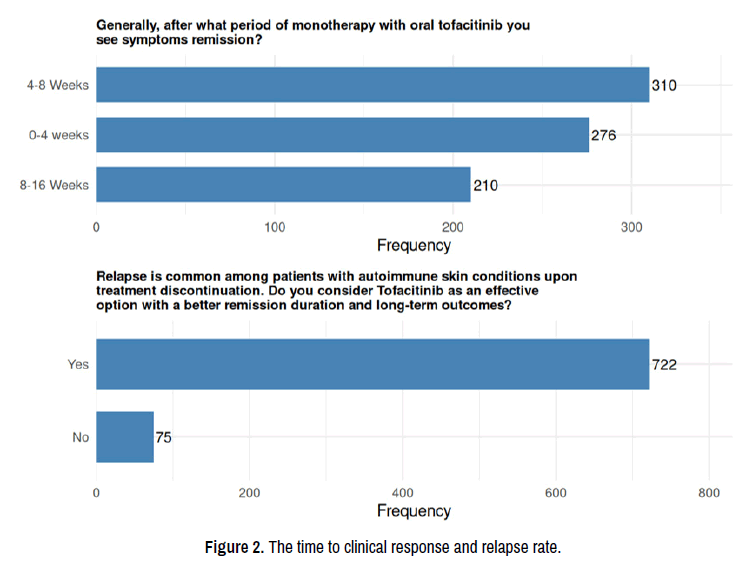
Figure 2. The time to clinical response and relapse rate.
In our real-world Indian outcome from practices of over 825 dermatologists, we found that tofacitinib was mostly favoured for Treatment of Vitiligo and Alopecia (97%) followed by Psoriasis and Atopic dermatitis and most of the clinicians preferred oral route (88%) over topical (78%). Most dermatologists reported using it in patients aged 12-40 years, usually after conventional treatments were not tolerated by patients or had failed to produce required results. Both oral and topical forms are commonly used, often together. While oral therapy was preferred for more extensive disease and topical treatment for mild to moderate cases. Tofacitinib and its application in autoimmune dermatological conditions to wider populations in India is still not as widespread due to limited availability of Indian clinical data (80%), updated guidelines (66%) and expert statements (59%) but still do not shy away from prescribing owing to the known safety (73%) and efficacy profile (72%) of the molecule.
Effectiveness and safety were the main reasons for choosing tofacitinib. As per the survey, most respondents rated it as effective or highly effective, with improvement often seen within 4-8 weeks of starting treatment. The typical starting dose was 5mg twice daily, with regular monitoring every 4-8 weeks, including blood counts, liver function and lipid levels. The most common side effects were laboratory changes, gastrointestinal symptoms and infections, which were managed by adjusting the dose or giving symptomatic treatment. Most dermatologists (86%) combined tofacitinib with topical corticosteroids or calcineurin inhibitors and almost all (97%) considered it to be useful in refractory or relapsing cases.
Tofacitinib in the treatment of psoriasis
Phase III randomized controlled trials have confirmed the efficacy and safety of oral tofacitinib in moderate-to-severe plaque psoriasis. In the pivotal OPT Pivotal 1 and 2 studies, both 5mg and 10mg twice-daily doses achieved significantly higher Psoriasis Area and Severity Index (PASI 75) and Physician’s Global Assessment (PGA) response rates than placebo at 16 weeks. The higher dose yielded more rapid and pronounced clinical improvement, with responses maintained over one year. The OPT Retreatment study further showed that clinical remission was reversible after withdrawal but regained upon re-treatment, indicating robust disease control. This finding aligns with our survey results, in which ~90% dermatologists agreed that tofacitinib is an effective option in long term disease control and maintaining remission. Similar efficacy patterns were observed in Japanese patients with psoriasis and psoriatic arthritis and head-to-head comparisons demonstrated that tofacitinib 10 mg BID was non-inferior to etanercept and provided quicker itch relief. Collectively, these trials support the consistent, dose-dependent efficacy of tofacitinib in chronic plaque psoriasis which is liable to relapse after withdrawal [7].
Tofacitinib in the treatment of Atopic dermatitis
In a clinical trial of patients with moderate-to-mild atopic dermatitis, treatment with 2% tofacitinib ointment resulted in a significant improvement in EASI scores by week 4, with responses starting from week 1 [8]. However, in our study, ~68% of dermatologists prefer they use topical tofacitinib for as long as 12 weeks for managing autoimmune conditions which reflects its modest efficacy in Atopic dermatitis. In patients with moderate-to-severe disease, oral tofacitinib (5 mg twice daily) reduced scoring of Atopic dermatitis (SCORAD) scores by 54.8% at week 14 and by 66.6% at week 15, accompanied by marked relief in itch, sleep disturbance and overall symptoms [9, 10]. Managing dermatological autoimmune conditions with topical tofacitinib either with monotherapy or combination shows the superior efficacy of this drug to mitigate symptoms and risks associated with the diseases within duration as short as 12 weeks ± 2 weeks.
Tofacitinib in the treatment of Alopecia areata
A double-blind RCT of topical 2% tofacitinib vs. 1% ruxolitinib vs. 0.05% clobetasol and vehicle in 16 alopecia areata patients revealed clobetasol to be most effective (10/16 showing regrowth), followed by tofacitinib (6/16) and ruxolitinib (5/16) [11]. Open-label trials of tofacitinib, administered either orally or topically, have reported variable responses. In one study, 66 patients with >50% loss of scalp, oral tofacitinib (5 mg BID) administered for three months resulted in >50% improvement in SALT scores in 21 patients, partial response in 21 and no response in 24 [12]. The results from our survey slightly deviated from the discussed results as majority of the participating dermatologists reported that induction of remission with monotherapy of Oral tofacitinib was 39% (for 4-8 weeks), followed by ~35% (for 0-4 weeks) and 26% (for 8-16 weeks).
Tofacitinib in the treatment of Vitiligo
A meta-analysis by Phan et al. summarized nine case studies assessing JAK inhibitors in vitiligo. With JAKi used as monotherapy, 57.8% of patients had well, 22.2% had partial and 20% showed minimal response [13]. Efficacy was enhanced when JAKi was combined with UVB phototherapy, particularly for facial lesions. This finding aligns with our survey results, in which 86% of dermatologists reported that combining other therapeutic modalities with tofacitinib improved clinical outcomes. All the autoimmune conditions and clinical studies discussed in the previous sections, tofacitinib seemed most effective in management of Alopecia and vitiligo followed by Atopic dermatitis, Psoriasis. Theoretically, patients with Alopecia and Vitiligo should be an excellent fit for tofacitinib therapy since both of their pathogenetic pathways utilize IFN- gamma as their core immune signaling cytokine (additionally IL-15 for Alopecia) which depends upon JAK 1/3 signaling [2]. Atopic dermatitis relies upon IL-4, IL-5, IL-13, IL-31 and TSLP (which in turn is driven by both JAK1/TYK2 apart from JAK1/JAK3) thus highlighting multiple pathways of development of the disease which could underline the limited efficacy of tofacitinib in this condition [8]. While Psoriasis relies primarily upon IL-17, IL-23 and TNF-alpha cytokines (which in turn is driven by JAK2/TYK2 molecular pathway) thus moderate mitigation of symptoms and disease control by tofacitinib [2]. This was reflected in our survey responses as most of the dermatologists reported using it for Alopecia and Vitiligo.
Side effects: The most common side effects of tofacitinib are infections of the upper respiratory tract (9% in 5mg & 5% in the 10mg group), such as colds, nasopharyngitis (11% & 9% respectively), headache (8% & 9% respectively) and shingles (herpes zoster -1% & 1.5% respectively). Other infections like bronchitis and urinary tract infections (1.8%) are also seen, while pneumonia (6.5% & 6.9% respectively) is the most frequently reported serious infection. From our survey, we found that the most reported side effects were mild laboratory abnormalities (56%) followed by Gastrointestinal issues (~47%) and Cutaneous/systemic infections (33%). Laboratory abnormalities could be explained due to minor inhibition of JAK2 pathway which is responsible for Haematopoiesis, growth hormone, metabolic and other developmental pathways. Thus, this reflects that a proper baseline monitoring is required before prescribing tofacitinib to patients.
The risk of developing side effect is marginally higher with tofacitinib than with TNF inhibitor, which is not statistically significant [14-16]. Systemic therapy provides better remission and faster resolution than topical therapy but also accompanies risk of systemic adverse effects such as abnormal laboratory values (elevated lipid profile, liver enzymes and blood dyscrasias) [15, 17, 18]. From this survey we understood, clinicians despite these risks consider prescribing tofacitinib starting at lower doses (5mg; 71%) twice daily for 8 weeks (51%) but would prefer having regular follow up visits with the patients every 4 weeks (51%) at the least to avoid any medical issues. Less common (12-23% reported) but important side effects include blood clots, nonmelanoma skin cancers and gastrointestinal perforation, with higher risks in patients on 10 mg twice daily or those with other risk factors [14, 16, 19]. This could explain the results obtained from the survey, that most dermatologists preferred starting with a lower dose of Oral tofacitinib (5mg; n=512) for their patients but at a frequency and duration of twice daily for 8 weeks (~51%).
Response bias is the major limitation to this study. Comparative analysis with other immunosuppressants is a limitation that leaves room for further exploration in future studies.
The overall findings from our real-world Indian survey indicated that vitiligo and alopecia were the most treated dermatological conditions for which tofacitinib was considered highly effective, followed by psoriasis and atopic dermatitis. Regarding the induction of remission in autoimmune conditions, most clinicians reported observing a response within 4 to 8 weeks. Dermatologists also considered tofacitinib to offer favourable long-term outcomes in the management of these conditions. The survey also explored dermatologists’ confidence in the safety and efficacy of tofacitinib prior to prescribing it. These findings reflect the clinical relevance and acceptance of tofacitinib amongst dermatologists in real-world practice. Nevertheless, clinicians emphasized the need for additional clinical data in the Indian population and updated national guidelines. Such evidence and guidance would be instrumental in shaping the dermatological landscape in India, particularly in enhancing the acceptance and appropriate use of biologics such as tofacitinib and similar agents among a broader patient population.
None.
Nil
Nil
Nil
Nil
Google Scholar, Cross Ref, Indexed at
Google Scholar, Cross Ref, Indexed at
Google Scholar, Cross Ref, Indexed at
Google Scholar, Cross Ref, Indexed at
Google Scholar, Cross Ref, Indexed at
Google Scholar, Cross Ref, Indexed at
Google Scholar, Cross Ref, Indexed at
Google Scholar, Cross Ref, Indexed at
Google Scholar, Cross Ref, Indexed at
Google Scholar, Cross Ref, Indexed at
Google Scholar, Cross Ref, Indexed at
Google Scholar, Cross Ref, Indexed at
Google Scholar, Cross Ref, Indexed at
Google Scholar, Cross Ref, Indexed at
Google Scholar, Cross Ref, Indexed at
Google Scholar, Cross Ref, Indexed at
Google Scholar, Cross Ref, Indexed at
Journal of Dermatology and Dermatologic Diseases received 4 citations as per Google Scholar report