Opinion - (127) Volume 14, Issue 4
Received: 01-Jul-2025, Manuscript No. VTE-26-180097;
Editor assigned: 03-Jul-2025, Pre QC No. P-180097;
Reviewed: 17-Jul-2025, QC No. Q-180097;
Revised: 22-Jul-2025, Manuscript No. R-180097;
Published:
29-Jul-2025
, DOI: 10.37421/2376-1318.2025.14.381
Citation: Johansson, Erik. ”Micronutrients For Healthy Aging And Longevity.” Vitam Miner 14 (2025):381.
Copyright: © 2025 Johansson E. This is an open-access article distributed under the terms of the Creative Commons Attribution License, which permits unrestricted use, distribution and reproduction in any medium, provided the original author and source are credited.
Micronutrients are pivotal in the battle against age-related decline and the promotion of longevity. Essential vitamins and minerals, such as Vitamin D, B vitamins, potent antioxidants like Vitamin C and E, and minerals like magnesium and selenium, are indispensable for maintaining cellular repair mechanisms, bolstering immune system function, and mitigating the pervasive oxidative stress that intensifies with age. Strategic supplementation and well-designed dietary approaches focusing on these micronutrients hold considerable promise in potentially warding off chronic diseases and significantly enhancing the quality of life for older adults. [1] The profound impact of vitamin D on the maintenance of muscle function and bone integrity within aging populations cannot be overstated. Adequate levels of vitamin D are fundamental for effective calcium absorption, a process that is critically important for the prevention of osteoporosis and sarcopenia, prevalent conditions among the elderly. Emerging research consistently highlights the substantial benefits of ensuring optimal vitamin D status, whether through dietary intake or supplementation, in improving overall mobility and substantially reducing the risk of debilitating fractures. [2] Deficiencies in B vitamins are a commonly observed phenomenon in older adults, and these deficiencies can precipitate a range of neurological and cognitive impairments. Specifically, folate, vitamin B6, and vitamin B12 play crucial roles in the intricate metabolic pathways of homocysteine and the synthesis of neurotransmitters. Consequently, ensuring a sufficient and consistent intake of these vital B vitamins can play a protective role against the cognitive decline and mood disorders that are frequently associated with the aging process. [3] Antioxidant vitamins, prominently including Vitamin C and Vitamin E, serve as critical agents in the fight against oxidative stress, a primary instigator of aging and the development of age-related diseases. Their indispensable function lies in safeguarding cellular membranes and DNA from accumulating damage. While a preference for obtaining these vitamins through dietary sources is generally recommended, targeted supplementation may be a prudent consideration in specific clinical situations to comprehensively support cellular health and promote longevity. [4] The multifaceted contributions of magnesium to the aging process are increasingly recognized, impacting crucial physiological functions such as energy metabolism, the optimal functioning of muscles and nerves, and the regulation of blood glucose levels. A consistent state of magnesium insufficiency has been definitively linked to an elevated risk of developing chronic conditions, including type 2 diabetes and cardiovascular disease. Therefore, maintaining adequate magnesium levels is a key strategy for supporting healthy aging and effectively reducing the overall burden of age-related health challenges. [5] Selenium stands out as a critical trace mineral endowed with potent antioxidant and anti-inflammatory properties, making it essential for robust immune function and the effective metabolism of thyroid hormones. A deficiency in selenium among older adults can significantly compromise their immune responses, thereby increasing their susceptibility to infections and the development of chronic diseases, thus underscoring its vital importance for the attainment of healthy aging. [6] Calcium and vitamin D collaborate synergistically to uphold bone health throughout the entire lifespan, though their significance becomes markedly amplified during the aging years. Insufficient dietary intake or impaired absorption of these nutrients directly contributes to diminished bone mineral density and a heightened risk of fractures. Consequently, widespread public health initiatives specifically focused on promoting adequate calcium and vitamin D consumption are absolutely crucial for the effective prevention of osteoporosis. [7] Zinc is a fundamental mineral indispensable for the proper functioning of the immune system, efficient wound healing, and accurate DNA synthesis. These physiological processes are of paramount importance for maintaining overall health and preventing the onset of diseases, particularly in the later stages of life. Age-associated physiological changes can sometimes impair the body's ability to absorb zinc effectively, thereby rendering adequate intake and diligent monitoring of zinc status especially important for the elderly population. [8] While omega-3 fatty acids are not classified as vitamins or minerals, they function as essential micronutrients that play a significant role in combating chronic inflammation and supporting robust cardiovascular health, both of which are paramount for achieving longevity. Their inherent anti-inflammatory properties and their critical involvement in maintaining the integrity of cell membranes are key mechanisms through which they help to mitigate the progression of age-related diseases. [9] Iron is a vital mineral responsible for the efficient transport of oxygen throughout the body and for energy production. While iron deficiency is a recognized concern, particularly among women, it is also important to note that excessive iron levels can be detrimental, potentially contributing to oxidative stress. Therefore, maintaining iron homeostasis through a balanced dietary approach is essential for overall health and may indirectly influence longevity by supporting optimal physiological function. [10]
Micronutrients are fundamentally important for counteracting the multifaceted effects of aging and promoting a longer, healthier life. Key vitamins and minerals, including Vitamin D, various B vitamins, antioxidants such as Vitamin C and E, and essential minerals like magnesium and selenium, are critical for maintaining the integrity of cellular repair processes, ensuring robust immune function, and reducing the accumulation of oxidative stress, all of which are significantly compromised as individuals age. Implementing targeted supplementation regimens and adopting dietary strategies that prioritize these micronutrients can potentially serve as effective measures to mitigate the risk of chronic diseases and enhance the overall quality of life experienced by older adults. [1] The role of vitamin D in preserving muscle functionality and maintaining bone density within aging demographics is exceptionally significant. Sufficient levels of vitamin D are absolutely essential for facilitating the absorption of calcium, which is a cornerstone in the prevention of osteoporosis and sarcopenia, two conditions that frequently affect the elderly. A growing body of research consistently emphasizes the considerable advantages associated with maintaining optimal vitamin D status, achievable through dietary means or supplementation, for the purpose of improving physical mobility and decreasing the likelihood of experiencing fractures. [2] Inadequate intake of B vitamins is a prevalent issue among the older adult population and can precipitate serious neurological and cognitive deficits. Specifically, folate, vitamin B6, and vitamin B12 are indispensable for critical metabolic functions, including the regulation of homocysteine levels and the synthesis of essential neurotransmitters. Ensuring that older adults consistently receive sufficient quantities of these B vitamins can contribute significantly to protecting them against the cognitive decline and mood disturbances that are often associated with the aging process. [3] Antioxidant vitamins, notably Vitamin C and Vitamin E, are crucial in neutralizing harmful oxidative stress, a primary contributing factor to the aging process and the development of age-related diseases. Their protective function extends to preserving cell membranes and DNA from damage. While dietary sources are generally considered the preferred route for obtaining these vitamins, therapeutic supplementation might be advisable in specific clinical contexts to bolster cellular health and support longevity. [4] Magnesium's complex and vital role in the aging process is receiving increasing scientific attention, influencing key physiological processes such as energy production, neuromuscular function, and the regulation of blood sugar. A deficiency in magnesium has been unequivocally linked to an elevated risk of developing prevalent chronic diseases, including type 2 diabetes and cardiovascular ailments. Consequently, ensuring adequate magnesium intake is a critical component of promoting healthy aging and reducing the health burden associated with age-related conditions. [5] Selenium, a trace mineral, possesses powerful antioxidant and anti-inflammatory attributes, rendering it essential for effective immune function and the proper regulation of thyroid hormone metabolism. A lack of selenium in older adults can impair their immune responses and heighten their vulnerability to infections and chronic illnesses, thereby highlighting its critical importance for maintaining health during the aging years. [6] Calcium and vitamin D work in tandem to preserve bone health across the lifespan, but their importance is significantly amplified in older individuals. Insufficient intake or absorption of these nutrients contributes directly to reduced bone mineral density and an increased risk of fractures. Therefore, comprehensive public health strategies aimed at ensuring adequate calcium and vitamin D consumption are imperative for the effective prevention of osteoporosis in aging populations. [7] Zinc is a fundamental nutrient that supports the immune system, facilitates wound healing, and is essential for DNA synthesis â?? all processes vital for maintaining health and preventing disease in older age. Changes associated with aging can sometimes compromise the body's capacity to absorb zinc, making it important to ensure adequate intake and monitor zinc status in the elderly. [8] Although not strictly vitamins or minerals, omega-3 fatty acids are vital micronutrients that play a significant role in reducing inflammation and supporting cardiovascular health, both of which are crucial for achieving longevity. Their inherent anti-inflammatory capabilities and their function in maintaining the structural integrity of cell membranes are key to their ability to mitigate the impact of age-related diseases. [9] Iron is a mineral indispensable for the transport of oxygen and for cellular energy production. While deficiency is a concern, particularly for certain demographic groups, excessive iron can also be detrimental, contributing to oxidative stress. Maintaining a balanced iron level through dietary means is important for overall physiological function and may indirectly support longevity. [10]
Micronutrients are essential for combating age-related decline and promoting longevity. Key vitamins like D and B vitamins, antioxidants (C, E), and minerals (magnesium, selenium) are vital for cellular repair, immune function, and reducing oxidative stress. Vitamin D is crucial for muscle and bone health, while B vitamins are important for neurological and cognitive function. Antioxidants protect against cellular damage. Magnesium influences metabolism and disease risk, and selenium supports immunity and thyroid function. Calcium and vitamin D work together for bone health. Zinc is vital for immunity and wound healing. Omega-3 fatty acids reduce inflammation and support cardiovascular health. Iron is necessary for oxygen transport and energy. Maintaining adequate levels of these micronutrients through diet and potentially supplementation is key to healthy aging and disease prevention.
None
None
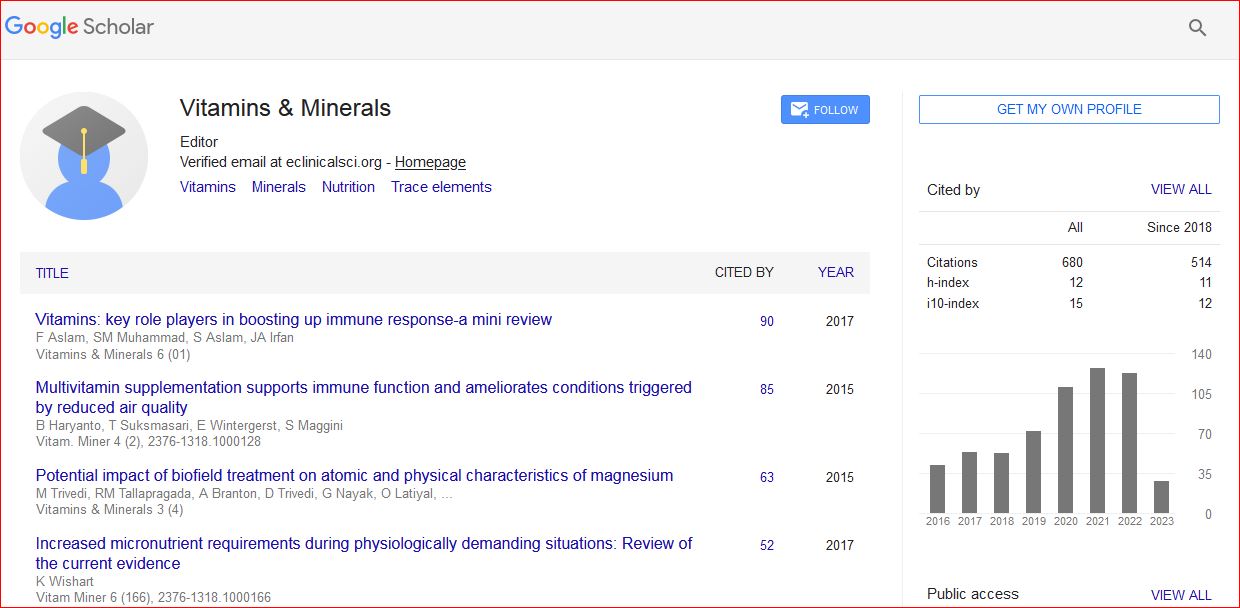
Vitamins & Minerals received 790 citations as per Google Scholar report