Opinion - (2025) Volume 9, Issue 4
Received: 01-Aug-2025, Manuscript No. jid-26-187005;
Editor assigned: 04-Aug-2025, Pre QC No. P-187005;
Reviewed: 18-Aug-2025, QC No. Q-187005;
Revised: 22-Aug-2025, Manuscript No. R-187005;
Published:
29-Aug-2025
, DOI: 10.37421/2684-4559.2025.9.339
Citation: Saito, Hiroko. "Predicting Severe COVID-19 Despite Vaccination." Clin Infect Dis 13 (2025):339.
Copyright: © 2025 Saito H. This is an open-access article distributed under the terms of the Creative Commons Attribution License, which permits unrestricted use, distribution and reproduction in any medium, provided the original author and source are credited.
The ongoing global challenge of COVID-19 continues to necessitate a deep understanding of its complexities, even as vaccination efforts have advanced significantly. While vaccines have proven remarkably effective in mitigating the severity of illness and reducing mortality, the phenomenon of severe COVID-19 complications in fully vaccinated individuals remains a critical area of research. This introduction aims to synthesize current knowledge regarding the multifaceted factors contributing to these breakthrough severe outcomes, drawing from recent scientific investigations to provide a comprehensive overview of the evolving landscape of COVID-19 in vaccinated populations.
Early in the pandemic, the focus was largely on preventing infection and severe disease in unvaccinated individuals. However, with the widespread rollout of vaccines, a new paradigm emerged, requiring an examination of why some vaccinated individuals still experience severe illness. This shift in focus has led to a deeper exploration of host-specific vulnerabilities and viral characteristics that may influence vaccine effectiveness in preventing severe outcomes. The following sections will delve into these specific areas, highlighting key findings from various studies. The significant reduction in hospitalization and death rates observed following widespread vaccination underscored the success of these interventions. Nevertheless, the persistence of severe cases among the vaccinated population has prompted scientific inquiry into the underlying reasons. This includes investigating factors beyond basic vaccination status, such as the timing of doses, the specific vaccine platforms used, and the waning of immunity over time. These elements are crucial for understanding the nuances of vaccine-induced protection [1].Moreover, the inherent characteristics of the SARS-CoV-2 virus itself, particularly the emergence of new variants, have played a substantial role in shaping vaccine effectiveness. Mutations in viral proteins, especially the spike protein, can alter the virus's ability to evade vaccine-induced antibodies. This evolutionary aspect of the virus necessitates continuous surveillance and adaptation of vaccination strategies to maintain robust protection against severe disease [3].
The host's immune system is a complex and dynamic entity, and its response to vaccination and subsequent viral exposure can vary considerably. Factors such as pre-existing immune status, the presence of comorbidities, and the kinetics of the immune response itself are all implicated in determining the severity of breakthrough infections. Understanding these immune correlates of protection is essential for identifying individuals who may remain at higher risk despite vaccination [4].
Comorbidities have consistently been identified as significant risk factors for severe COVID-19, and this trend persists even in vaccinated individuals. Conditions such as diabetes, cardiovascular disease, and immunosuppression can impair the body's ability to mount an effective response to both vaccination and infection, increasing the likelihood of severe outcomes. Personalized risk assessment strategies are therefore paramount for managing these individuals [2].
The duration of vaccine-induced immunity is another critical consideration. As time elapses since the last vaccine dose, the protective antibody titers may decrease, potentially leading to a decline in efficacy against severe disease. This waning immunity highlights the importance of booster doses and the need for ongoing research into optimal vaccination schedules and strategies tailored to different populations [5].
Beyond biological factors, societal and environmental influences also contribute to the variability in vaccine effectiveness and disease severity. Lifestyle factors, socioeconomic status, and access to healthcare can impact an individual's overall health and their ability to maintain optimal immune function. These disparities can, in turn, influence susceptibility to severe COVID-19 outcomes even after vaccination [8].
Furthermore, the impact of COVID-19 extends beyond acute illness, with some vaccinated individuals experiencing severe long-term sequelae. Neurological and cardiovascular complications have been reported following breakthrough infections, underscoring the multifaceted nature of the disease and the need for comprehensive monitoring of vaccinated populations for both short-term and long-term effects [9].
Finally, the interplay between inflammatory markers and host genetic predisposition can also influence disease severity in vaccinated individuals. Pre-existing inflammatory states and genetic variations may interact with viral exposure to modify clinical outcomes, adding another layer of complexity to the prediction and management of severe COVID-19 in vaccinated populations [6].
The intricate factors influencing severe COVID-19 complications in fully vaccinated individuals represent a complex interplay of host biology, viral evolution, and extrinsic influences. While vaccines have demonstrably reduced the incidence of severe illness, a subset of vaccinated individuals still experience severe outcomes, necessitating a detailed examination of the contributing elements. This description will explore these contributing factors, synthesizing insights from a range of recent research to provide a comprehensive overview of this critical public health challenge.
A primary area of investigation involves host-related factors, which encompass a wide spectrum of individual vulnerabilities. Underlying medical conditions, particularly chronic diseases such as diabetes, cardiovascular disease, and immunocompromising states, are consistently identified as significant predictors of severe COVID-19, even in vaccinated individuals. These comorbidities can compromise the immune system's ability to effectively combat the virus or respond optimally to vaccination, thereby increasing the risk of severe illness [1].The immune status of an individual is paramount in determining their response to both vaccination and subsequent viral challenge. Factors such as the type and duration of vaccine-induced immune memory, as well as the intrinsic immunological profile of the host, can significantly influence the severity of breakthrough infections. Research in this area aims to identify specific immune correlates that confer protection and to understand why these may be insufficient in certain individuals [4].
Viral variant characteristics have emerged as a crucial determinant of vaccine effectiveness. The continuous evolution of SARS-CoV-2, leading to the emergence of new variants with altered transmissibility and immune evasion properties, poses a significant challenge. Mutations in viral spike proteins, in particular, can reduce the neutralizing capacity of vaccine-induced antibodies, potentially leading to increased severity of illness in vaccinated individuals [3].
The duration of vaccine-induced immunity, often referred to as waning immunity, is another important consideration. As time passes since the last vaccine dose, antibody titers may decline, potentially compromising protection against severe disease. This phenomenon underscores the importance of booster doses and the need to investigate optimal vaccination schedules to maintain robust immunity over longer periods [5].
Beyond biological determinants, a range of extrinsic factors also play a role in shaping outcomes for vaccinated individuals. Lifestyle factors, including nutrition, exercise, and exposure patterns, can influence an individual's overall health and susceptibility to severe illness. Similarly, socioeconomic status and disparities in access to healthcare can create inequities in protection and health outcomes [8].
Specific comorbidities have been linked to a higher likelihood of severe COVID-19 in vaccinated individuals. Research has identified conditions such as chronic kidney disease and autoimmune disorders as posing a greater risk for severe outcomes and hospitalization despite vaccination. Understanding which comorbidities confer the highest risk is essential for targeted interventions [10].
The effectiveness of different vaccine regimens also warrants consideration. Comparative studies examining various vaccine schedules, including primary series and booster doses, are crucial for identifying potential gaps in protection for specific subgroups within the vaccinated population. This research helps in refining public health recommendations and vaccination strategies [7].
The emergence of specific complications following breakthrough infections highlights the ongoing impact of COVID-19. Neurological and cardiovascular complications have been reported, even in vaccinated individuals, suggesting that the virus can still exert severe effects on vital organ systems. Identifying risk factors for these sequelae is an ongoing area of research [9].
Inflammatory markers and host genetic predispositions are also being investigated for their role in modulating disease severity. Pre-existing inflammatory states and individual genetic variations may interact with viral exposure to influence clinical outcomes, adding another layer of complexity to understanding severe COVID-19 in vaccinated individuals [6].
In summary, the risk factors for severe COVID-19 in vaccinated individuals are multifactorial, encompassing host-specific vulnerabilities, viral evolution, and extrinsic influences. A personalized approach to risk assessment, informed by ongoing research, is essential for optimizing public health strategies and clinical management in the era of widespread vaccination [2].
Even with vaccination, severe COVID-19 complications can occur due to factors like underlying health conditions, immune status, and viral variant characteristics. Breakthrough infections are more likely in those with comorbidities such as diabetes and cardiovascular disease, and waning immunity over time necessitates booster doses. The emergence of new SARS-CoV-2 variants also impacts vaccine effectiveness by evading vaccine-induced antibodies. Host immune response kinetics, duration of immunity, and the specific vaccine platform used are critical predictors of severe outcomes. Additionally, lifestyle, socioeconomic factors, and pre-existing conditions like chronic kidney disease and autoimmune disorders contribute to the risk. Neurological and cardiovascular complications can arise even after vaccination, highlighting the need for comprehensive monitoring. Understanding these predictors is crucial for refining public health strategies and personalizing risk assessment for vaccinated individuals.
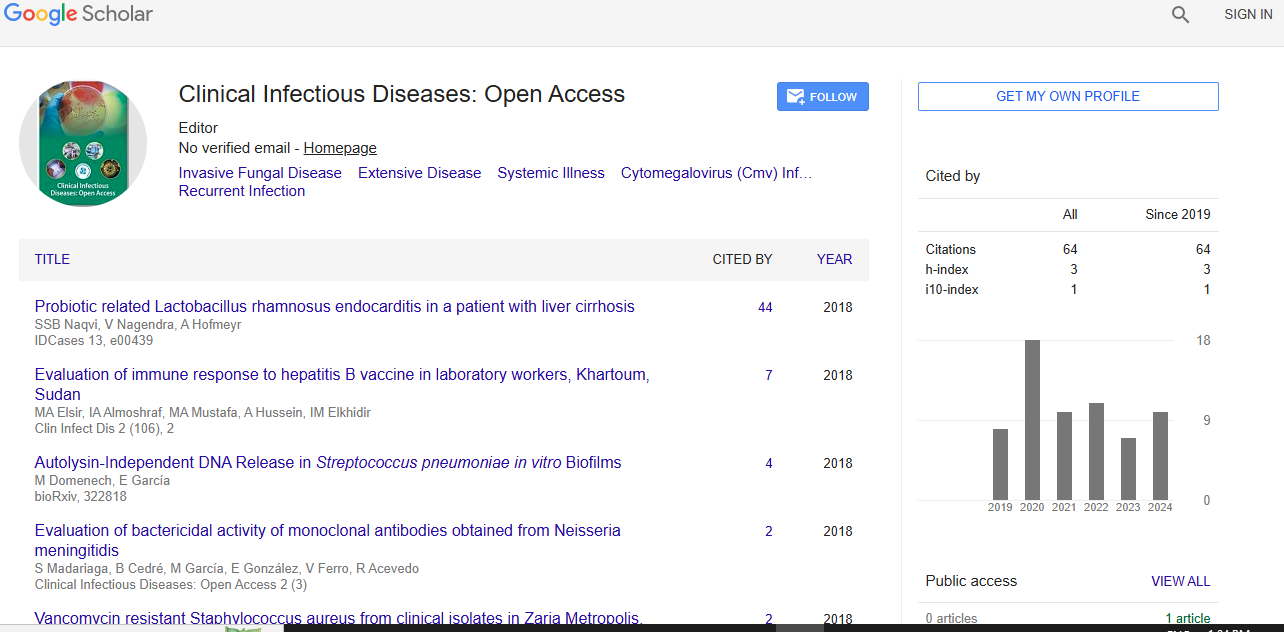
Clinical Infectious Diseases: Open Access received 1149 citations as per Google Scholar report