Brief Report - (2025) Volume 14, Issue 4
Received: 01-Jul-2025, Manuscript No. VTE-26-180094;
Editor assigned: 03-Jul-2025, Pre QC No. P-180094;
Reviewed: 17-Jul-2025, QC No. Q-180094;
Revised: 22-Jul-2025, Manuscript No. R-180094;
Published:
29-Jul-2025
, DOI: 10.37421/2376-1318.2025.14.379
Citation: Castillo, Jorge. ”Nutrient-Drug Interactions: Timing for Optimal Outcomes.” Vitam Miner 14 (2025):379.
Copyright: © 2025 Castillo J. This is an open-access article distributed under the terms of the Creative Commons Attribution License, which permits unrestricted use, distribution and reproduction in any medium, provided the original author and source are credited.
The intricate relationship between nutritional supplements and pharmaceutical interventions is a growing area of clinical concern, necessitating a comprehensive understanding of potential interactions that can impact therapeutic efficacy and patient safety. This review aims to explore these complex dynamics, drawing upon recent research to provide a nuanced perspective on how vitamins and minerals can influence the behavior of commonly prescribed medications. The interplay between common vitamins and minerals and their ability to modulate the efficacy and safety of frequently prescribed medications is a critical area of investigation. Understanding how nutrient deficiencies or excesses can alter drug absorption, metabolism, and excretion is paramount for avoiding subtherapeutic effects or increased toxicity. For instance, specific minerals can chelate with antibiotics, thereby diminishing their absorption, while vitamin K is known to interfere with anticoagulant therapy. Recognizing these interactions is essential for optimizing patient outcomes and preventing adverse drug events, particularly in vulnerable populations such as the elderly or individuals with chronic conditions [1].
Dietary supplements, particularly vitamins and minerals, can have significant pharmacokinetic and pharmacodynamic implications when interacting with anticoagulant medications. Vitamin K, prevalent in many green leafy vegetables and supplements, directly antagonizes the action of warfarin. Furthermore, some supplements may influence the metabolism of newer oral anticoagulants (NOACs), though the evidence in this regard is less robust. Comprehensive patient counseling regarding supplement use during anticoagulant therapy is strongly emphasized [2].
The impact of mineral supplements, including calcium, iron, zinc, and magnesium, on the absorption and bioavailability of various oral antibiotics is a considerable concern. The primary mechanism involved is chelation, where these divalent and trivalent cations bind to antibiotic molecules, forming poorly absorbed insoluble complexes in the gastrointestinal tract. Practical recommendations for separating antibiotic administration from mineral supplements are crucial for mitigating these interactions and ensuring treatment efficacy, highlighting the importance of patient education on this management strategy [3].
Interactions between commonly used vitamins, specifically B vitamins and vitamin D, and psychotropic medications are also noteworthy. Altered vitamin levels can influence neurotransmitter synthesis and function, potentially affecting treatment outcomes for conditions such as depression and anxiety. Additionally, certain medications may impact vitamin metabolism. Routine assessment of vitamin status in patients undergoing psychiatric treatment is advocated to identify and address deficiencies that could impede therapeutic response [4].
Mineral supplements, particularly iron and calcium, possess the potential to interfere with the absorption of proton pump inhibitors (PPIs) and thyroid hormone replacement therapy. Calcium carbonate, when taken concurrently, can create an alkaline environment that reduces the dissolution and absorption of PPIs. Similarly, iron supplements can form complexes with levothyroxine, diminishing its bioavailability. Evidence-based recommendations for optimizing the timing of administration for both PPIs and thyroid medications are provided to maximize their effectiveness [5].
The influence of specific vitamins, such as vitamin E and vitamin C, on the pharmacokinetics of statins warrants attention. While some studies have suggested potential benefits from antioxidant vitamins, high-dose antioxidant supplements can paradoxically interfere with the therapeutic effects of certain statins by inhibiting key metabolic enzymes. Caution is advised against the routine co-administration of high-dose antioxidant vitamins with statin therapy, with a recommendation for individualized treatment strategies [6].
Magnesium's interactions with a variety of medications, including diuretics, antibiotics, and cardiac drugs, are of significant clinical importance. Magnesium depletion can arise as a side effect of certain medications, thereby affecting cardiac rhythm and muscle function. Conversely, magnesium supplementation can modulate the absorption and efficacy of drugs like tetracyclines and bisphosphonates. Monitoring magnesium levels in patients taking medications known to interact with this mineral is emphasized [7].
The influence of dietary iron on the absorption and efficacy of levothyroxine, a synthetic thyroid hormone, has been clearly demonstrated. Iron supplements, whether taken concurrently or at different times, can substantially reduce levothyroxine absorption, potentially leading to inadequate thyroid hormone replacement. Clear evidence supports the recommendation to separate the administration of levothyroxine and iron supplements by at least four hours to effectively manage hypothyroidism [8].
Mineral supplements, specifically calcium and phosphate, significantly impact the absorption of bisphosphonates, drugs used for osteoporosis treatment. Calcium and phosphate can bind to bisphosphonates in the gastrointestinal tract, forming insoluble complexes that markedly impair drug absorption. The critical importance of administering bisphosphonates on an empty stomach with plain water, avoiding concurrent intake of dairy products or mineral supplements, is reiterated to ensure adequate therapeutic levels [9].
The interaction between zinc supplementation and certain antibiotics, including fluoroquinolones and tetracyclines, requires careful consideration. Zinc ions can form complexes with these antibiotics in the gut, reducing their absorption and potentially leading to treatment failure. Clinical guidance for administering these antibiotics separately from zinc supplements is provided, underscoring the necessity of patient counseling to prevent suboptimal therapeutic outcomes and to address the implications for managing bacterial infections [10].
The broad spectrum of interactions between nutritional components and pharmaceutical agents presents a complex challenge in modern pharmacotherapy, demanding careful consideration to ensure optimal patient care and safety. This review synthesizes current knowledge on these interactions, focusing on how vitamins and minerals can affect drug action. The intricate relationship between common vitamins and minerals and their capacity to alter the efficacy and safety of frequently prescribed medications is a critical aspect of clinical practice. Understanding how nutrient deficiencies or excesses can modify drug absorption, metabolism, and excretion is fundamental to preventing subtherapeutic effects or excessive toxicity. For instance, it is well-established that certain minerals can chelate with antibiotics, thereby reducing their absorption, and that vitamin K can significantly interfere with anticoagulant therapy. Comprehending these interactions is crucial for refining patient management strategies and averting adverse drug events, particularly in vulnerable patient groups such as the elderly or those with chronic health conditions [1].
The pharmacokinetic and pharmacodynamic consequences of interactions between dietary supplements, especially vitamins and minerals, and anticoagulant medications are of particular importance. Vitamin K, abundantly present in many green leafy vegetables and dietary supplements, directly antagonizes the therapeutic action of warfarin. Furthermore, the review explores the potential for some supplements to influence the metabolic pathways of newer oral anticoagulants (NOACs), although the supporting evidence is less substantial. The authors strongly emphasize the necessity for comprehensive patient counseling concerning the use of supplements when individuals are undergoing anticoagulant therapy [2].
The significant impact of mineral supplements, such as calcium, iron, zinc, and magnesium, on the absorption and bioavailability of a range of oral antibiotics is a key area of investigation. The principal mechanism elucidated is chelation, where these divalent and trivalent cations form insoluble complexes with antibiotic molecules, leading to their poor absorption from the gastrointestinal tract. The article offers practical recommendations regarding the timing of antibiotic administration, advocating for separation from mineral supplements to mitigate these interactions and ensure treatment efficacy. The importance of patient education on this critical management strategy is stressed [3].
Interactions between commonly consumed vitamins, notably the B vitamins and vitamin D, and psychotropic medications are explored. Alterations in vitamin levels can affect neurotransmitter synthesis and function, potentially influencing treatment outcomes for mental health conditions like depression and anxiety. The article also addresses how certain psychotropic drugs might impact vitamin metabolism. The authors advocate for the routine assessment of vitamin status in patients receiving psychiatric treatment to identify and address any deficiencies that could impede therapeutic response [4].
The potential for mineral supplements, specifically iron and calcium, to interfere with the absorption of proton pump inhibitors (PPIs) and thyroid hormone replacement therapy is examined. The alkaline environment created by calcium carbonate, when taken concurrently, can diminish the dissolution and absorption of PPIs. Similarly, iron supplements have the capacity to form complexes with levothyroxine, thereby reducing its bioavailability. The paper presents evidence-based guidelines for optimizing the timing of administration for both PPIs and thyroid medications to maximize their therapeutic effectiveness [5].
The impact of specific vitamins, such as vitamin E and vitamin C, on the pharmacokinetics of statins, a widely used class of cholesterol-lowering drugs, is reviewed. While some research has suggested that antioxidant vitamins might enhance statin efficacy, this review clarifies that high-dose antioxidant supplements, including vitamins E and C, can paradoxically impede the therapeutic benefits of certain statins by inhibiting crucial metabolic enzymes. The authors caution against the routine co-administration of high-dose antioxidant vitamins with statin therapy, recommending instead individualized treatment approaches [6].
This article provides a comprehensive overview of magnesium-drug interactions, addressing its impact on a range of medications including diuretics, antibiotics, and cardiac drugs. It highlights how magnesium depletion can be an adverse effect of certain medications, influencing cardiac rhythm and muscle function. Conversely, magnesium supplementation can affect the absorption and efficacy of drugs such as tetracyclines and bisphosphonates. The authors underscore the importance of monitoring magnesium levels in patients who are taking medications known to interact with this essential mineral [7].
This study investigates the significant effect of dietary iron on the absorption and efficacy of levothyroxine, a synthetic thyroid hormone. It provides clear evidence that iron supplements, when taken concurrently or even at different times of the day, can markedly reduce levothyroxine absorption, potentially resulting in insufficient thyroid hormone replacement. The research strongly supports the recommendation to separate the administration of levothyroxine and iron supplements by a minimum of four hours to ensure effective management of hypothyroidism [8].
This review focuses on the critical interactions between mineral supplements, particularly calcium and phosphate, and the absorption of bisphosphonates, a class of drugs utilized in the treatment of osteoporosis. It emphasizes that calcium and phosphate can bind to bisphosphonates within the gastrointestinal tract, forming insoluble complexes that significantly compromise drug absorption. The authors reconfirm the paramount importance of administering bisphosphonates on an empty stomach with plain water and strictly avoiding the concomitant intake of dairy products or mineral supplements to guarantee adequate therapeutic drug levels [9].
This article explores the interactions between zinc supplementation and specific classes of antibiotics, namely fluoroquinolones and tetracyclines. It details how zinc ions can form complexes with these antibiotics in the intestinal tract, thereby diminishing their absorption and potentially leading to therapeutic failure. The authors offer clinical guidance on the optimal timing for administering these antibiotics separately from zinc supplements, emphasizing the need for meticulous patient counseling to prevent suboptimal therapeutic outcomes and discussing the broader implications for managing bacterial infections [10].
Vitamins and minerals can significantly impact the efficacy and safety of medications through various mechanisms including altered absorption, metabolism, and excretion. Specific mineral supplements like calcium, iron, zinc, and magnesium can chelate with antibiotics, reducing their bioavailability and potentially leading to treatment failure. Similarly, these minerals can interfere with the absorption of proton pump inhibitors and thyroid hormone replacement therapy. Vitamin K is known to antagonize warfarin, while high-dose antioxidant vitamins like E and C might interfere with statin therapy. B vitamins and vitamin D can influence psychotropic medication effectiveness by affecting neurotransmitter function. It is crucial to time the administration of medications and supplements appropriately, often by separating them by several hours, to ensure optimal therapeutic outcomes and prevent adverse drug events. Patient education on these interactions is vital for effective management, particularly in vulnerable populations.
None
None
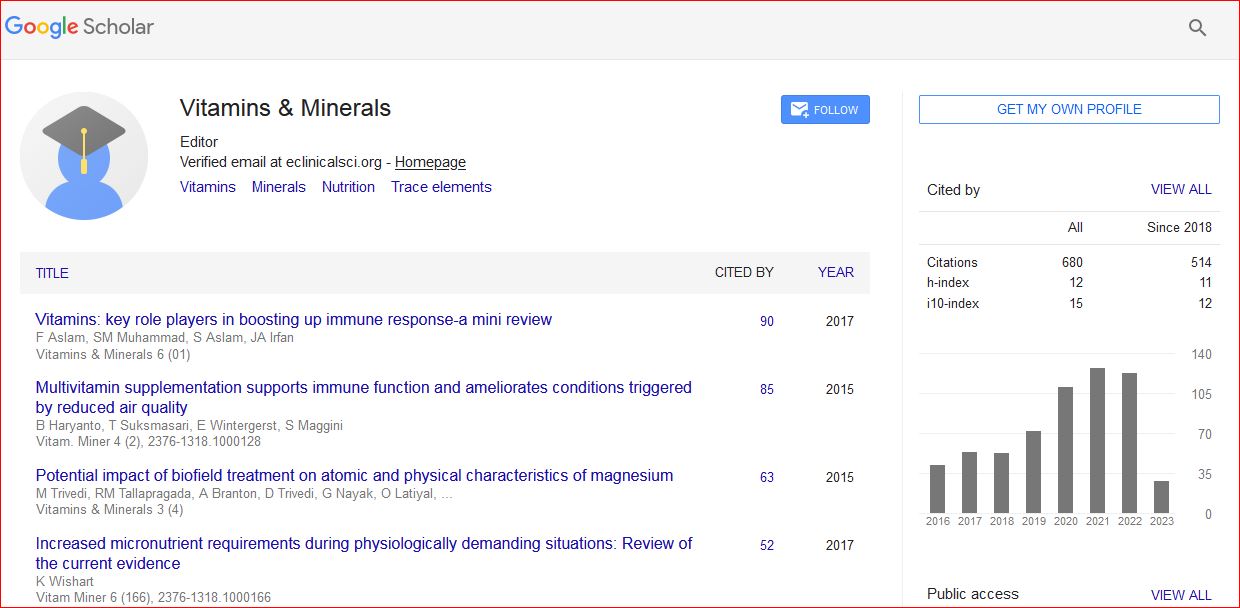
Vitamins & Minerals received 790 citations as per Google Scholar report