Short Communication - (2025) Volume 14, Issue 5
Received: 01-Sep-2025, Manuscript No. VTE-26-180125;
Editor assigned: 03-Sep-2025, Pre QC No. P-180125;
Reviewed: 17-Sep-2025, QC No. Q-180125;
Revised: 22-Sep-2026, Manuscript No. R-180125;
Published:
29-Sep-2025
, DOI: 10.37421/2376-1318.2025.14.397
Citation: Santis, Marco De. ”Micronutrients: A Key To Metabolic Syndrome Management.” Vitam Miner 14 (2025):397.
Copyright: © 2025 Santis D. Marco This is an open-access article distributed under the terms of the Creative Commons Attribution License, which permits unrestricted use, distribution and reproduction in any medium, provided the original author and source are credited.
Metabolic syndrome (MetS) is a complex cluster of interconnected risk factors that significantly elevate the likelihood of developing cardiovascular disease, stroke, and type 2 diabetes. This multifaceted condition is characterized by central obesity, dyslipidemia, elevated blood pressure, and impaired glucose metabolism. In recent years, the pivotal role of micronutrients in the intricate pathways underlying MetS has garnered substantial attention, revealing their potential as therapeutic targets and supportive agents in its management. Vitamins and minerals are not mere passive bystanders but active participants in cellular processes that directly influence insulin resistance, inflammation, and lipid metabolism, key drivers of MetS pathogenesis. Specific micronutrients, such as magnesium, vitamin D, and certain B vitamins, have demonstrated considerable promise in ameliorating critical markers of MetS, including improvements in blood pressure, glucose control, and lipid profiles. Consequently, dietary interventions that are abundant in these essential nutrients, when integrated with comprehensive lifestyle modifications, are deemed indispensable for a holistic and effective approach to managing this prevalent metabolic disorder [1].
Magnesium deficiency is a frequently observed phenomenon in individuals diagnosed with metabolic syndrome, and this deficiency is consistently linked to a decline in insulin sensitivity and a heightened state of chronic inflammation. The intricate relationship between magnesium and metabolic health is underscored by numerous studies demonstrating that supplementation with magnesium can exert a positive influence on several key indicators of MetS. Specifically, magnesium has been shown to improve glycemic control, contribute to the regulation of blood pressure, and favorably modulate lipid levels within the bloodstream. These observed benefits position magnesium as a significant consideration in the multifaceted strategy for managing metabolic syndrome, highlighting its potential to address multiple facets of the condition [2].
Vitamin D status frequently falls below optimal levels in patients afflicted with metabolic syndrome, and this suboptimal status has been consistently associated with an increased risk and a greater severity of various cardiometabolic derangements. The pleiotropic effects of vitamin D extend beyond its well-established role in bone health, influencing numerous cellular functions relevant to metabolic regulation. Emerging evidence suggests that vitamin D supplementation may offer a valuable therapeutic adjunct for improving insulin resistance, a cornerstone of MetS. Furthermore, it holds potential in reducing systemic inflammation and positively modulating lipid profiles within this vulnerable population, thereby addressing critical pathophysiological components of the syndrome [3].
The B-vitamin complex, encompassing a group of essential water-soluble vitamins including B1, B2, B3, B5, B6, B7, B9, and B12, plays an integral role in fundamental energy metabolism. Its involvement in numerous enzymatic reactions makes it critical for the efficient conversion of food into usable energy. Within the context of metabolic syndrome, deficiencies or imbalances in these vitamins have been implicated in exacerbating insulin resistance and promoting oxidative stress, two central features of the condition. Research increasingly suggests that ensuring adequate dietary intake of the B-vitamin complex, and in specific cases, targeted supplementation of individual B vitamins, can significantly contribute to the improvement of overall metabolic health and the amelioration of MetS-related complications [4].
Oxidative stress and chronic inflammation are universally recognized as hallmarks of metabolic syndrome, contributing significantly to its progression and associated complications. Antioxidants, such as vitamin E and selenium, are crucial in cellular defense mechanisms and have been investigated for their potential to mitigate these detrimental processes. While direct evidence supporting the efficacy of standalone supplementation with these antioxidants in the specific context of MetS is still evolving and requires further robust investigation, ensuring adequate dietary intake of these vital nutrients remains paramount. Their role in providing cellular protection and supporting overall metabolic homeostasis is undeniable, making them essential components of a comprehensive nutritional strategy for individuals at risk or diagnosed with MetS [5].
Zinc, an essential trace mineral, exerts a significant influence on both glucose and lipid metabolism, processes critically dysregulated in metabolic syndrome. A deficiency in zinc has been consistently linked to an increased prevalence and severity of MetS. This mineral acts as a vital cofactor for a multitude of enzymes that are integral to carbohydrate and fatty acid metabolism, as well as the functioning of antioxidant defense systems. Consequently, studies have suggested that appropriate zinc supplementation may lead to measurable improvements in insulin sensitivity and other crucial metabolic parameters, positioning it as a potentially beneficial intervention in MetS management [6].
Calcium, while primarily recognized for its indispensable role in bone health, also participates in cellular signaling pathways that can influence critical metabolic processes such as insulin secretion and adipogenesis, the differentiation of preadipocytes into mature adipocytes. Although the evidence supporting direct benefits of calcium supplementation specifically for MetS is somewhat mixed and warrants further clarification, maintaining an adequate dietary intake of calcium is universally accepted as an essential component of a balanced nutritional approach. Its broader metabolic contributions underscore the importance of ensuring sufficient levels within the context of overall metabolic health management [7].
Chromium is a trace element renowned for its crucial role in the regulation of carbohydrate and lipid metabolism, primarily by potentiating the action of insulin. While overt chromium deficiency is not commonly encountered, supplementation with chromium has been extensively explored for its potential therapeutic benefits, particularly in improving glycemic control among individuals experiencing insulin resistance and those diagnosed with metabolic syndrome. Its ability to enhance insulin sensitivity and facilitate glucose uptake by cells makes it a subject of ongoing interest in the management of metabolic dysregulation [8].
Selenium, an essential trace mineral, possesses potent antioxidant and anti-inflammatory properties that are highly relevant to the pathophysiology of metabolic syndrome. Adequate selenium status has been consistently associated with improved metabolic profiles, suggesting a protective role against MetS development and progression. Ongoing research is actively investigating the precise mechanisms by which selenium may mitigate inflammation and oxidative stress, two central contributors to the metabolic derangements observed in MetS. These investigations aim to elucidate its full therapeutic potential in this clinical context [9].
The intricate interplay between the gut microbiota and micronutrient metabolism represents a burgeoning and exceptionally promising area of research concerning metabolic syndrome. Vitamins and minerals are not merely substrates for human metabolism but can also significantly influence the composition and functional capacity of the gut microbiome. In turn, the gut microbiota plays a critical role in modulating host metabolism, impacting nutrient absorption, energy harvest, and inflammatory responses. This bidirectional relationship underscores the profound complexity of developing effective nutritional strategies for managing MetS, highlighting the need to consider these interconnected systems for optimal health outcomes [10].
Vitamins and minerals are fundamental to the effective management of metabolic syndrome (MetS), exerting their influence through key pathways involved in insulin resistance, inflammation, and lipid metabolism. Specifically, micronutrients like magnesium, vitamin D, and various B vitamins have shown significant potential in improving crucial markers of MetS, including blood pressure, glucose regulation, and lipid profiles. Therefore, dietary approaches rich in these nutrients, combined with essential lifestyle modifications, form the bedrock of a comprehensive strategy for managing MetS [1].
Magnesium deficiency is a common finding in individuals with metabolic syndrome, and it is strongly correlated with diminished insulin sensitivity and increased inflammatory markers. Supplementation with magnesium has demonstrated positive effects on glycemic control, blood pressure levels, and lipid profiles, making it a vital consideration in the clinical management of MetS [2].
Suboptimal vitamin D status is frequently observed in patients with metabolic syndrome, and its deficiency is linked to an elevated risk and increased severity of cardiometabolic abnormalities. Vitamin D supplementation may contribute to enhancing insulin resistance, reducing inflammation, and positively influencing lipid profiles within this patient group [3].
The B-vitamin complex, comprising vitamins B1, B2, B3, B5, B6, B7, B9, and B12, is integral to energy metabolism and has been implicated in the development and progression of metabolic syndrome. Deficiencies or imbalances in these vitamins can worsen insulin resistance and oxidative stress. Evidence suggests that adequate intake and, in some instances, supplementation with specific B vitamins can lead to improved metabolic health [4].
Oxidative stress and chronic inflammation are characteristic features of metabolic syndrome. Antioxidants, such as vitamin E and selenium, play a role in mitigating these processes. Although direct evidence for their benefit as standalone supplements in MetS is still developing, ensuring adequate dietary intake of these antioxidants is crucial for cellular protection and maintaining overall metabolic well-being [5].
Zinc is crucial for glucose and lipid metabolism, and its deficiency is associated with metabolic syndrome. As a cofactor for numerous enzymes involved in carbohydrate and fatty acid metabolism and antioxidant defense, zinc supplementation may improve insulin sensitivity and other metabolic parameters in individuals with MetS [6].
Beyond its well-known role in bone health, calcium influences cellular signaling pathways that can impact insulin secretion and adipogenesis. While the evidence for direct benefits of calcium supplementation in MetS is varied, maintaining adequate dietary calcium intake is an important part of a balanced nutritional approach to metabolic health [7].
Chromium plays a significant role in carbohydrate and lipid metabolism by potentiating insulin action. Although deficiency is uncommon, chromium supplementation has been explored for its potential to improve glycemic control, particularly in individuals with insulin resistance and metabolic syndrome [8].
Selenium, a trace mineral with antioxidant and anti-inflammatory properties, is relevant to the pathophysiology of MetS. Sufficient selenium levels are linked to better metabolic profiles, and ongoing research is examining its role in reducing inflammation and oxidative stress in the context of MetS [9].
The relationship between gut microbiota and micronutrient metabolism is a key area of research for metabolic syndrome. Micronutrients can influence the gut microbiome, which in turn affects metabolic health. This complex, bidirectional relationship highlights the importance of considering these interactions in nutritional strategies for MetS management [10].
Metabolic syndrome (MetS) is a condition characterized by a cluster of risk factors including obesity, high blood pressure, dyslipidemia, and impaired glucose control. Micronutrients play a critical role in managing MetS by influencing key metabolic pathways. Magnesium, vitamin D, and B vitamins have shown promise in improving markers like blood pressure, glucose control, and lipid profiles. Antioxidants such as vitamin E and selenium help combat oxidative stress and inflammation, which are hallmarks of MetS. Trace minerals like zinc and chromium are also important for glucose and lipid metabolism, potentially improving insulin sensitivity. Calcium's role extends beyond bone health to cellular signaling influencing metabolic processes. The interaction between gut microbiota and micronutrient metabolism further complicates MetS management, emphasizing a holistic approach through diet and lifestyle modifications.
None
None
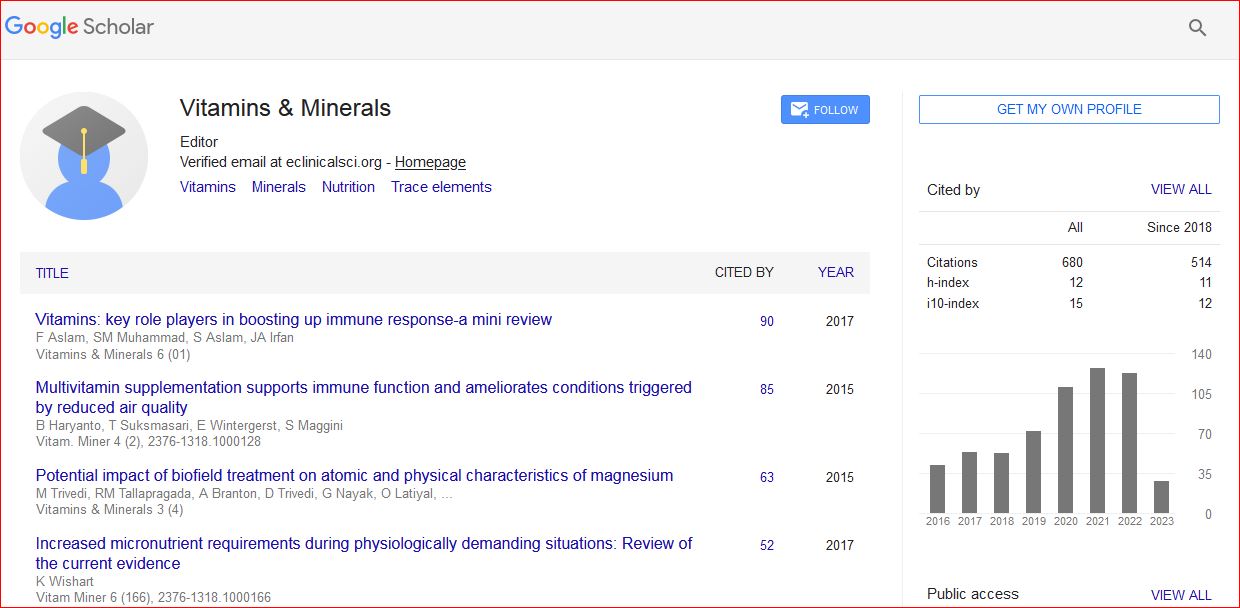
Vitamins & Minerals received 790 citations as per Google Scholar report