Opinion - (2025) Volume 14, Issue 4
Received: 01-Jul-2025, Manuscript No. aim-25-177761;
Editor assigned: 03-Jul-2025, Pre QC No. P-177761;
Reviewed: 17-Jul-2025, QC No. Q-177761;
Revised: 22-Jul-2025, Manuscript No. R-177761;
Published:
29-Jul-2025
, DOI: 10.37421/2427-5162.2025.14.581
Citation: Patel, Rajesh Kumar. ”TCM: Diverse Immunomodulatory Strategies for Health.” Alt Integr Med 14 (2025):581.
Copyright: © 2025 Patel K. Rajesh This is an open-access article distributed under the terms of the Creative Commons Attribution License, which permits unrestricted use, distribution and reproduction in any medium, provided the original author and source are credited.
Traditional Chinese medicine (TCM) is gaining recognition for its potential in modulating the immune system, particularly in the context of cancer treatment. This field of study explores how TCM interventions can influence various immune mechanisms to combat malignant diseases. Such mechanisms often include the activation of critical immune cells, the modulation of cytokine profiles, and the suppression of inflammation that promotes tumor growth. These multifaceted effects suggest TCM's considerable potential as a complementary therapeutic strategy within modern oncology. The integration of TCM principles could offer novel avenues for enhancing anti-cancer immunity and improving patient outcomes [1].
\n\nBeyond oncology, the role of TCM in managing chronic inflammatory conditions through immune system modulation is a significant area of research. Chronic inflammation underlies many debilitating diseases, and TCM offers a unique approach to addressing immune dysregulation. Studies delve into how diverse components within TCM formulations can meticulously regulate immune responses, thereby reducing persistent inflammation. The ultimate goal is to restore immune balance, which is crucial for long-term health and disease management. This research provides valuable insights into the therapeutic utility of ancient medicinal practices in modern immunological challenges [2].
\n\nAutoimmune diseases, characterized by the immune system mistakenly attacking the body's own tissues, present complex therapeutic challenges. Traditional Chinese medicine provides a distinctive framework for addressing these conditions by focusing on rebalancing immune dysregulation. This approach involves the application of various TCM herbs and specific formulations designed to modulate immune responses. The therapeutic objectives include alleviating inflammation, suppressing aberrant immune activity, and consequently reducing the progression of autoimmune diseases. Comprehensive reviews in this area outline current applications and suggest promising future directions for integrating TCM into autoimmune disease management [3].
\n\nGinsenosides, the principal bioactive compounds found in ginseng, represent a crucial component in understanding the specific immunomodulatory effects of prominent TCM herbs. Research has extensively investigated their impact, particularly on macrophage function. Macrophages are pivotal immune cells involved in inflammation and host defense, and their modulation can profoundly affect disease outcomes. Studies elucidate how ginsenosides specifically influence macrophage activation states, alter cytokine production, and enhance phagocytic activity. This detailed understanding illustrates a targeted mechanism through which a single TCM constituent can exert significant immune system modulation [4].
\n\nThe broader field of herbal medicine, encompassing many traditional Chinese medicine practices, has seen substantial progress in elucidating the mechanisms by which its bioactive compounds modulate the immune system. Comprehensive reviews synthesize findings on a wide array of herbs and their constituents, revealing their capacity to either enhance or suppress immune functions. This dual capability allows for tailored therapeutic applications depending on the immunological context, whether it requires boosting immunity against infections or dampening overactive responses in autoimmune conditions. Such advances underscore the vast potential of natural products in diverse therapeutic contexts [5].
\n\nPolysaccharides, complex carbohydrates derived from various traditional Chinese medicine herbs, are increasingly recognized for their potent immunomodulatory properties. Systematic reviews are crucial for consolidating the mechanistic basis of their therapeutic utility. These studies detail how polysaccharides interact intricately with different immune cells, influencing critical processes such as cytokine secretion, cell proliferation, and overall immune responsiveness. Understanding these interactions provides a scientific foundation for the traditional use of these compounds. Their ability to fine-tune immune functions positions them as valuable candidates for various therapeutic applications [6].
\n\nBeyond herbal remedies, traditional Chinese medicine encompasses modalities like acupuncture and moxibustion, which also demonstrate immunomodulatory effects. A notable example is their application in treating allergic rhinitis, a common immune-mediated condition. Systematic reviews and meta-analyses evaluate the effectiveness of these practices in influencing the immune response. Evidence suggests that acupuncture and moxibustion can alleviate symptoms by modulating inflammatory pathways and altering immune cell activity. This offers a valuable non-pharmacological approach to immune modulation, expanding the therapeutic toolkit for allergic and inflammatory conditions [7].
\n\nNatural products originating from traditional Chinese medicine are also being investigated for their immunoregulatory effects in specific gastrointestinal conditions, such as inflammatory bowel disease (IBD). IBD involves chronic inflammation of the digestive tract, driven by complex immune dysregulation. Research outlines how TCM-derived natural products can mitigate this pathology through several mechanisms. These include reducing pro-inflammatory cytokines, beneficially modulating the gut microbiota composition, and strengthening the intestinal barrier function. Such findings highlight TCM's potential to effectively manage immune-mediated gastrointestinal disorders [8].
\n\nThe intersection of traditional Chinese medicine and modern immunooncology represents an evolving frontier in cancer therapy. This area of research focuses on how TCM can modulate the immune system to significantly enhance anti-tumor responses. Strategies involve activating various immune cells, which can improve the efficacy of conventional cancer therapies, such as chemotherapy or radiation. Furthermore, TCM interventions can help mitigate the debilitating side effects associated with standard treatments. This synergistic approach underscores the potential for TCM to play a vital role in integrated cancer care [9].
\n\nTraditional Chinese medicine has also shown promise in combating viral infections, primarily through its ability to modulate the host's immune system. Reviews in this field detail the mechanisms by which TCM formulations enhance antiviral immunity. This includes direct antiviral effects, but more importantly, the ability to bolster the body's natural defenses. TCM can suppress excessive or detrimental inflammatory responses often associated with viral pathology, and protect vital organs from viral damage. These findings emphasize its therapeutic relevance and potential for contributing to the management of various infectious diseases [10].
This review meticulously explores the intricate relationship between traditional Chinese medicine and the immune system in the context of cancer. It thoroughly investigates the diverse array of mechanisms employed by TCM to exert its anti-cancer effects. These mechanisms are multifaceted, encompassing the direct activation of various immune cells crucial for tumor surveillance and destruction, the sophisticated modulation of cytokine networks that dictate immune cell communication, and the critical suppression of inflammation, which is a known promoter of tumor growth and metastasis. The collective evidence positions TCM as a potent complementary strategy in the complex landscape of oncology, offering new avenues for therapeutic intervention and improved patient outcomes [1].
The article in question provides a comprehensive investigation into the utility of traditional Chinese medicine for managing chronic inflammatory conditions. A core focus is placed on the immune system modulation capabilities inherent in TCM. It offers detailed insights into how various components, often complex mixtures of herbs, can precisely regulate immune responses. This regulation is critical for mitigating persistent inflammation, a hallmark of chronic diseases. By promoting immune homeostasis, TCM aims to restore a balanced immune state, thereby reducing disease symptoms and progression. This body of research significantly contributes to understanding TCM's therapeutic applications in immunology [2].
This review critically examines the role of traditional Chinese medicine in addressing autoimmune diseases, a class of conditions marked by immune system dysfunction. The central theme revolves around TCM's capacity to modulate immune dysregulation, offering a distinct approach compared to conventional immunosuppressive therapies. The discussion highlights specific TCM herbs and carefully crafted formulations that are designed to rebalance an overactive or misdirected immune system. The primary objectives are to alleviate the debilitating inflammation associated with these diseases and to slow or halt their progression, providing a comprehensive overview of both established applications and future research frontiers [3].
The focus of this article is particularly narrowed to ginsenosides, the prominent bioactive compounds found in the widely recognized herb ginseng, and their specific influence on macrophage function. Macrophages are pivotal cells in the innate immune system, orchestrating inflammatory responses and pathogen clearance. The review elaborates in detail on how these compounds can modulate key aspects of macrophage activity, including their activation states, the profiles of cytokines they produce, and their phagocytic efficiency. By dissecting these targeted mechanisms, the article provides a clear illustration of how a single, potent constituent from a well-known TCM herb can significantly contribute to immune system modulation [4].
This extensive review encapsulates the remarkable advancements made in comprehending how herbal medicines, many originating from traditional Chinese medicine, and their inherent bioactive compounds interact with and modulate the immune system. It offers a broad perspective, covering an array of herbs and their diverse constituents that demonstrate either immune-enhancing or immune-suppressing effects. This versatility underscores their potential for application across various therapeutic contexts, from boosting defenses against pathogens to calming excessive immune responses in allergies or autoimmune conditions. The comprehensive nature of this work highlights the growing scientific validation of herbal immunomodulation [5].
This systematic review offers a detailed exposition on the immunomodulatory properties of polysaccharides, which are complex carbohydrates extracted from a multitude of traditional Chinese medicine herbs. The review meticulously explains the cellular and molecular mechanisms by which these polysaccharides engage with immune cells. This engagement leads to observable effects such as altered cytokine secretion patterns, modulated cell proliferation rates, and enhanced or dampened overall immune responsiveness. By elucidating these mechanistic bases, the review provides strong scientific support for the traditional therapeutic uses of these compounds and their potential in contemporary medicine [6].
This systematic review specifically evaluates the efficacy of acupuncture and moxibustion, two fundamental traditional Chinese medicine modalities, in modulating the immune response, particularly in the treatment of allergic rhinitis. The review synthesizes findings from randomized controlled trials to assess their clinical effectiveness. It posits that these ancient practices can significantly alleviate symptoms of allergic rhinitis by influencing critical inflammatory pathways and altering the activity of various immune cells. This highlights acupuncture and moxibustion as promising non-pharmacological approaches to immune modulation, offering an alternative for patients seeking naturalistic interventions [7].
This article delves into the specific immunoregulatory effects of natural products derived from traditional Chinese medicine within the challenging clinical context of inflammatory bowel disease (IBD). It meticulously describes the diverse mechanisms through which these natural compounds exert their therapeutic benefits. These include, but are not limited to, the reduction of pro-inflammatory cytokines that drive IBD pathology, the beneficial modulation of the gut microbiota composition, which is increasingly recognized as crucial for gut health, and the strengthening of the intestinal barrier function, a critical defense against inflammatory triggers. This research elucidates TCM's significant potential in managing complex immune-mediated gastrointestinal conditions [8].
This review thoroughly explores the expanding and increasingly important role of traditional Chinese medicine within the specialized field of immunooncology. Its primary focus is on TCM's inherent capacity to modulate the immune system in a manner that robustly enhances anti-tumor responses. The discussion encompasses various TCM strategies that activate crucial immune cells, thereby boosting the body's natural defenses against cancer. Furthermore, it addresses how TCM can synergistically improve the efficacy of conventional oncology therapies while simultaneously mitigating their often severe side effects, pointing towards a holistic and integrated approach to cancer treatment [9].
This article systematically reviews the intricate mechanisms by which traditional Chinese medicine actively combats viral infections. A central tenet of its efficacy lies in its profound ability to modulate the host's immune system. It highlights how various TCM formulations can bolster antiviral immunity, thereby enabling the body to more effectively clear viral pathogens. Equally important is TCM's role in suppressing excessive or detrimental inflammatory responses that can cause tissue damage during viral infections, and its capacity to protect vital organs. This comprehensive overview underscores the significant therapeutic relevance of TCM in the ongoing fight against various infectious diseases [10].
Traditional Chinese medicine (TCM) demonstrates substantial potential in modulating the immune system across a spectrum of diseases. Its application in oncology reveals mechanisms such as immune cell activation, cytokine modulation, and inflammation suppression to combat cancer. Furthermore, TCM interventions are effective in managing chronic inflammatory conditions by regulating immune responses and restoring balance. For autoimmune diseases, specific herbs and formulations aim to rebalance the immune system and alleviate inflammation. Beyond broad applications, particular TCM components like ginsenosides from ginseng exhibit targeted effects, specifically modulating macrophage function. Polysaccharides from various TCM herbs also show distinct immunomodulatory properties, influencing cytokine secretion and cell proliferation. The scope of TCM extends beyond herbal remedies to include modalities such as acupuncture and moxibustion, which have been shown to modulate immune responses in conditions like allergic rhinitis. Natural products from TCM demonstrate immunoregulatory effects in gastrointestinal disorders, notably inflammatory bowel disease, by reducing inflammation, modulating gut microbiota, and strengthening the intestinal barrier. In immunooncology, TCM strategies activate immune cells and enhance conventional therapies while mitigating side effects. Lastly, TCM is vital in combating viral infections by enhancing antiviral immunity and suppressing excessive inflammatory responses. Overall, TCM offers a diverse and potent array of immunomodulatory strategies for various health challenges.
None
None
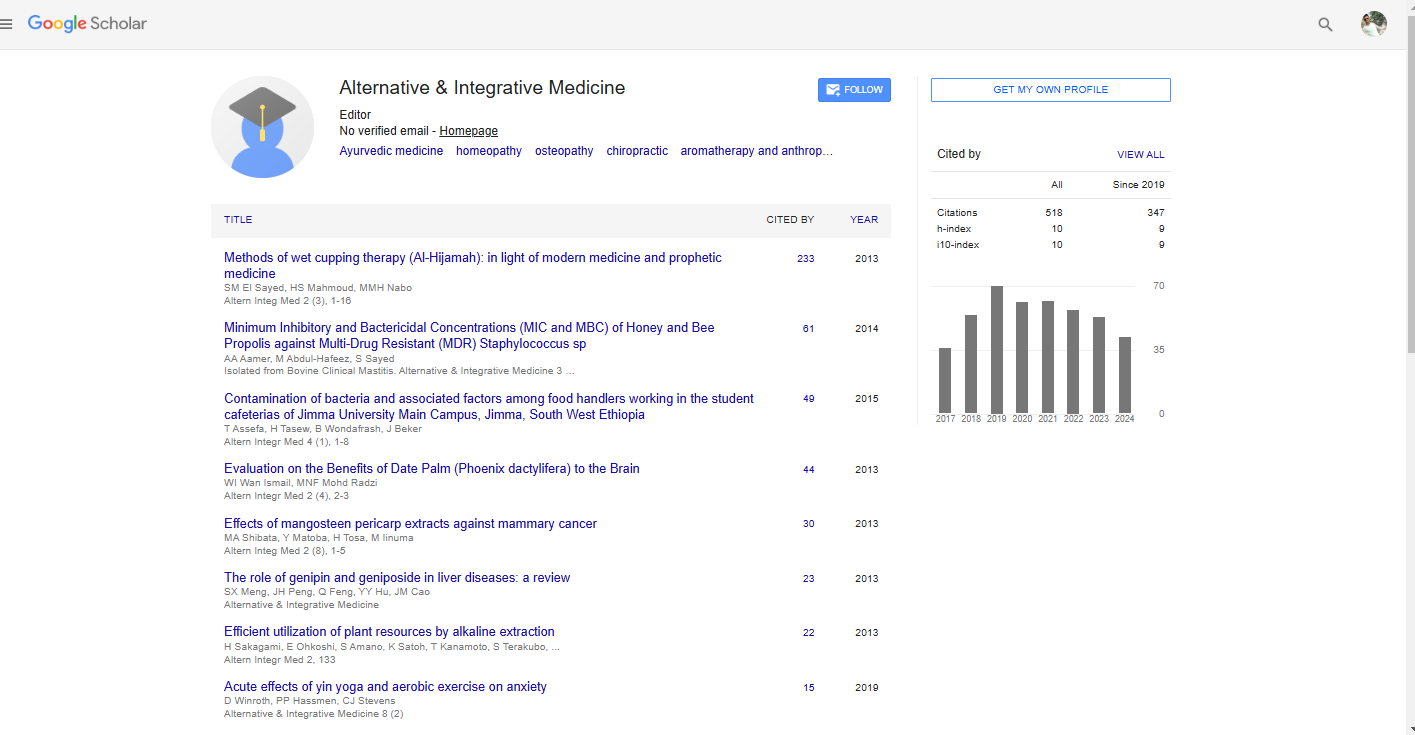
Alternative & Integrative Medicine received 476 citations as per Google Scholar report