Perspective - (2025) Volume 14, Issue 3
Received: 01-May-2025, Manuscript No. VTE-26-180085;
Editor assigned: 05-May-2025, Pre QC No. P-180085;
Reviewed: 19-May-2025, QC No. Q-180085;
Revised: 22-May-2025, Manuscript No. R-180085;
Published:
29-May-2025
, DOI: 10.37421/2376-1318.2025.14.373
Citation: Wright, Samuel. ”Selenium’s Vital Role in Antioxidant Defense and Health.” Vitam Miner 14 (2025):373.
Copyright: © 2025 Wright S. This is an open-access article distributed under the terms of the Creative Commons Attribution License, which permits unrestricted use, distribution and reproduction in any medium, provided the original author and source are credited.
Selenium plays a crucial role in maintaining the body's antioxidant defense system, particularly through its involvement in selenoproteins like glutathione peroxidases. This intricate balance is paramount for preventing a wide array of diseases linked to oxidative stress. Dietary intake of selenium significantly influences cellular functions and immune responses, underscoring the necessity of optimal levels for overall human health. At a molecular level, selenium acts as a cofactor in key redox enzymes such as thioredoxin reductase, which are vital for cellular signaling. Selenium deficiency can compromise the body's antioxidant capacity, thereby increasing susceptibility to inflammatory processes and chronic conditions. Research is exploring therapeutic approaches that involve selenium supplementation to mitigate these effects. Furthermore, selenium is intrinsically linked to thyroid hormone metabolism, playing a critical role in the deiodination of these hormones. This process is essential for regulating energy metabolism and maintaining overall physiological balance. Disruptions in selenium status can lead to significant perturbations in this pathway. The influence of selenium extends to the immune system, where it modulates inflammatory responses and affects immune cell development and activity. This has profound implications for managing infectious diseases and autoimmune conditions, highlighting the complex relationship between selenium, redox status, and immune health. Emerging research suggests a protective role for selenium in neurodegenerative diseases, correlating selenium status with oxidative stress levels in the brain. Adequate selenium intake, through its antioxidant and anti-inflammatory actions, may offer neuroprotection against neuronal damage. Cardiovascular health is another area where selenium's contributions are being investigated. Its antioxidant properties are thought to mitigate lipid peroxidation and improve endothelial function, potentially reducing the risk of cardiovascular diseases by preserving redox balance within the vascular system. In the realm of oncology, selenium's impact on cancer prevention and therapy is being studied. Its ability to modulate oxidative stress and influence DNA repair mechanisms suggests a role in carcinogenesis and potentially in enhancing the efficacy of certain cancer treatments by targeting redox imbalances. Selenium also plays a significant part in reproductive health. It is crucial for processes like spermatogenesis and may offer protection against pregnancy complications arising from oxidative stress, thereby maintaining redox balance in reproductive tissues and during gestation. The biochemical pathways through which selenium interacts with other micronutrients are essential for a comprehensive understanding of redox homeostasis. Synergistic effects with vitamins E and C, for example, can bolster the body's overall antioxidant defense, emphasizing a holistic view of nutritional status. Investigating selenium status in diverse populations with varying dietary habits provides critical insights into the challenges of achieving optimal intake. This has public health implications for preventing diseases associated with oxidative stress and underscores the importance of understanding dietary selenium's impact on redox profiles.
The critical role of selenium in maintaining redox homeostasis is primarily recognized through its incorporation into selenoproteins, such as glutathione peroxidases, which are central to the body's antioxidant defense mechanisms. This delicate balance is fundamental in warding off diseases associated with oxidative stress. The article highlights how dietary selenium intake influences cellular functions and the immune system, emphasizing the importance of maintaining adequate levels for human well-being. The molecular mechanisms by which selenium impacts cellular redox pathways are complex, with a significant focus on its function as a cofactor in enzymes like thioredoxin reductase. Impairments in antioxidant capacity due to selenium deficiency can lead to increased susceptibility to inflammation and chronic diseases. Current research is also examining therapeutic strategies that involve selenium supplementation to counteract these deficiencies. Selenium's influence extends to thyroid hormone metabolism, where selenoproteins are indispensable for the deiodination of thyroid hormones, a process critical for energy regulation and overall health. Deficiencies or imbalances in selenium can lead to widespread effects on metabolic functions. Furthermore, selenium significantly modulates immune system function and inflammation control. It impacts the development and activity of immune cells, holding implications for the management of infectious diseases and autoimmune disorders. The intrinsic link between selenium status, redox balance, and immune system health is a key area of investigation. The relationship between selenium status, oxidative stress, and the pathogenesis of neurodegenerative diseases is increasingly evident. It is proposed that sufficient selenium intake, by virtue of its antioxidant and anti-inflammatory properties, may confer neuroprotection. Impaired redox homeostasis is understood to contribute to neuronal damage. In the context of cardiovascular health, selenium's antioxidant effects are being studied for their potential to reduce the risk of heart disease. Its role in preventing lipid peroxidation and enhancing endothelial function contributes to maintaining redox balance within the vascular system. The involvement of selenium in cancer prevention and treatment is another significant area of research. Its capacity to modulate oxidative stress and influence DNA repair mechanisms is explored in relation to its potential to inhibit carcinogenesis and augment the effectiveness of certain cancer therapies by targeting redox imbalances. Selenium's contribution to reproductive health is also being elucidated, particularly its role in maintaining redox status in gametes and during pregnancy. It is vital for proper spermatogenesis and may help mitigate pregnancy complications associated with oxidative stress. The intricate biochemical interactions between selenium and other micronutrients are crucial for regulating redox homeostasis. Potential synergistic effects with antioxidants like vitamin E and vitamin C can enhance overall antioxidant defense, suggesting that a holistic approach to nutritional status is beneficial. Population-based studies examining selenium status in relation to dietary habits offer valuable insights into the challenges of achieving optimal selenium levels. These findings have public health implications for disease prevention and underscore the importance of understanding dietary selenium's impact on redox profiles.
Selenium is vital for maintaining the body's antioxidant defense system through selenoproteins, crucial for preventing oxidative stress-related diseases. It plays a molecular role in redox pathways as a cofactor in enzymes like thioredoxin reductase. Selenium is essential for thyroid hormone metabolism and significantly influences immune function and inflammation. Emerging research points to its protective role in neurodegeneration and cardiovascular health, while its impact on cancer prevention and reproductive health is also being investigated. Interactions with other micronutrients, like vitamins E and C, are important for overall antioxidant defense. Understanding dietary selenium intake and its effects on redox status has public health implications for disease prevention.
None
None
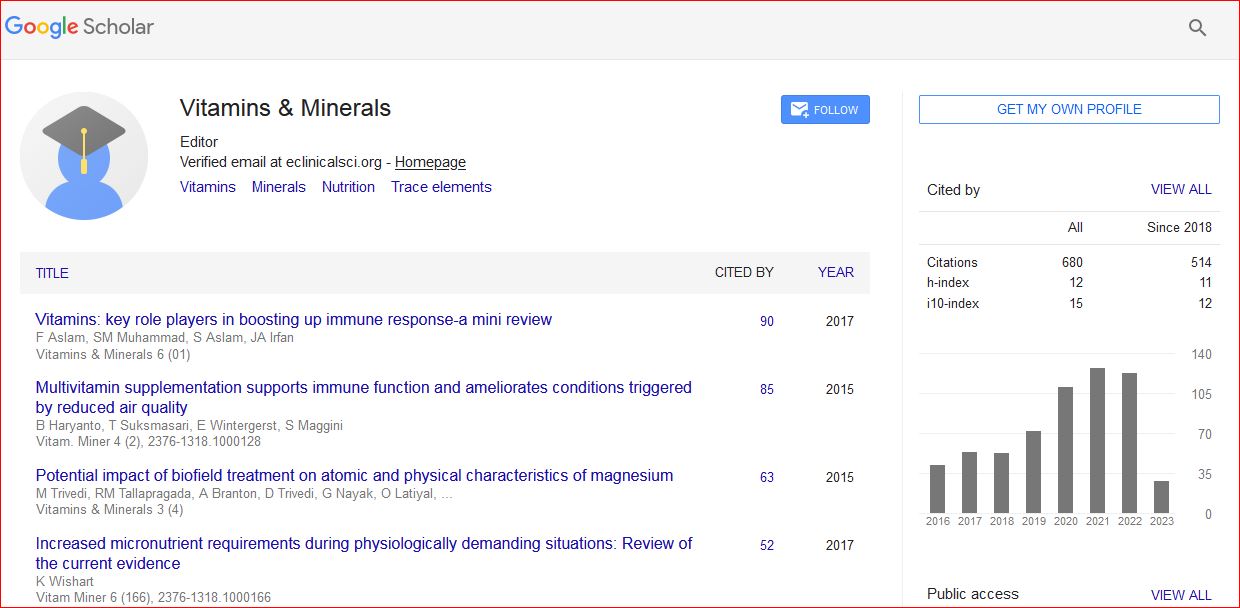
Vitamins & Minerals received 790 citations as per Google Scholar report