Commentary - (2025) Volume 9, Issue 5
Received: 01-Oct-2025, Manuscript No. jid-26-188344;
Editor assigned: 03-Oct-2025, Pre QC No. P-188344;
Reviewed: 17-Oct-2025, QC No. Q-188344;
Revised: 22-Oct-2025, Manuscript No. R-188344;
Published:
29-Oct-2025
, DOI: 10.37421/2684-4559.2025.9.347
Citation: Conti, Isabella. "Salvaging Mucormycosis: Combination Antifungal Therapy Approaches." Clin Infect Dis 13 (2025):347.
Copyright: © 2025 Conti I. This is an open-access article distributed under the terms of the Creative Commons Attribution License, which permits unrestricted use, distribution and reproduction in any medium, provided the original author and source are credited.
Mucormycosis, a severe and often rapidly progressive fungal infection, presents a significant clinical challenge, particularly in immunocompromised individuals. The high mortality rate associated with this mycosis necessitates a continuous exploration of effective therapeutic strategies. Recent advancements have increasingly focused on combination antifungal therapy as a means to improve outcomes in refractory cases where standard treatments have proven insufficient [1].
The growing recognition of mucormycosis as an emerging threat underscores the need for comprehensive understanding and updated management approaches [5].
The complexity of invasive fungal infections in vulnerable patient populations, such as those with diabetes mellitus or hematological malignancies, further complicates treatment decisions and highlights the importance of tailored therapeutic regimens [7].
The development of novel diagnostic tools and the evolution of therapeutic options, including the expanding role of combination therapy, are crucial for combating this devastating infection [8].
Research into the underlying mechanisms of antifungal resistance, particularly in filamentous fungi like those responsible for mucormycosis, provides vital insights into treatment failures and informs the design of more effective combination strategies [9].
The pharmacodynamics and potential synergistic interactions of various antifungal agents are being actively investigated to identify optimal combinations for difficult-to-treat infections [3].
Understanding the intricate interplay between the host immune response and the pathogen is fundamental to improving treatment outcomes, especially in cases of invasive fungal infections [6].
The management of invasive fungal infections, with a specific focus on mucormycosis in immunocompromised patients, necessitates a detailed examination of current guidelines and salvage therapies [2].
Clinical experience with combination antifungal therapy in patients with refractory mucormycosis is being gathered through case series and retrospective studies to provide real-world evidence on efficacy and safety [4].
Prospective studies evaluating specific combination antifungal regimens in patients with refractory invasive fungal infections are essential for building a robust evidence base for their use as salvage options [10].
The therapeutic outcomes of combination antifungal therapy for mucormycosis that has not responded to standard treatments are a critical area of investigation, driven by the high mortality associated with refractory cases. The rationale behind combining different antifungal classes and the potential for synergistic effects are key considerations in developing intensified strategies [1].
The management of invasive fungal infections, with a particular emphasis on mucormycosis in immunocompromised patients, involves detailed treatment guidelines, early diagnosis, and aggressive surgical debridement. Salvage therapies, including combination antifungal regimens, are evaluated for their effectiveness and potential toxicities [2].
Research into the pharmacodynamics and synergistic interactions of antifungal agents against molds, including those causing mucormycosis, provides in vitro data to support the selection of optimal combination therapies for refractory cases [3].
Clinical outcomes of combination antifungal therapy for refractory mucormycosis are being reported through multicenter retrospective studies, detailing specific combinations, patient demographics, treatment outcomes, and adverse events to offer real-world evidence [4].
A comprehensive overview of mucormycosis, encompassing its epidemiology, pathogenesis, clinical manifestations, and treatment, highlights the challenges of drug-resistant strains and refractory infections, evaluating salvage therapies like combination regimens [5].
The role of host immune responses in the outcome of invasive fungal infections, including mucormycosis, is examined, with potential for adjunctive immunomodulatory strategies to be combined with antifungals in refractory cases [6].
The clinical characteristics and treatment challenges of mucormycosis in specific host populations, such as those with diabetes mellitus or hematological malignancies, are discussed, with a focus on tailoring combination antifungal strategies to these vulnerable groups [7].
Advances in the diagnosis and treatment of mucormycosis, including novel diagnostic tools and the evolving role of combination therapy for resistant infections, are reviewed, with attention to ongoing clinical trials and emerging trends [8].
The mechanisms of azole resistance in filamentous fungi are investigated, providing insights into treatment failure in mucormycosis and informing the design of combination therapies that overcome resistance [9].
Prospective studies evaluating the efficacy and safety of specific combination antifungal regimens in patients with refractory invasive fungal infections, including mucormycosis, contribute to the evidence base for their use as salvage options [10].
Mucormycosis is a serious fungal infection with high mortality, especially in immunocompromised patients. When standard treatments fail, combination antifungal therapy is increasingly explored as a salvage option. This approach aims to leverage potential synergistic effects between different antifungal agents to combat drug-resistant or refractory infections. Research is focused on understanding the pharmacodynamics of these combinations, clinical outcomes from real-world data, and the underlying mechanisms of resistance. Tailoring therapies for specific patient populations and considering host immune responses are also crucial aspects of managing this challenging disease. Advances in diagnostics and novel therapeutic agents are continuously being developed to improve patient outcomes.
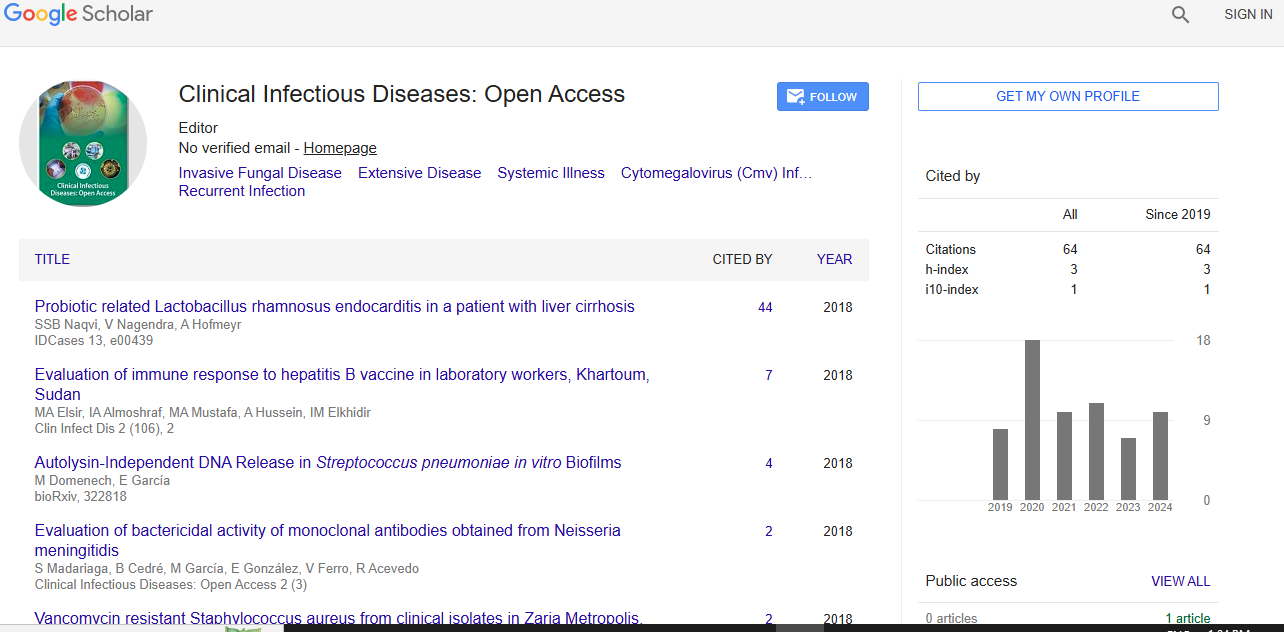
Clinical Infectious Diseases: Open Access received 1149 citations as per Google Scholar report