Commentary - (127) Volume 14, Issue 4
Received: 01-Jul-2025, Manuscript No. VTE-26-180099;
Editor assigned: 03-Jul-2025, Pre QC No. P-180099;
Reviewed: 17-Jul-2025, QC No. Q-180099;
Revised: 22-Jul-2025, Manuscript No. R-180099;
Published:
29-Jul-2025
, DOI: 10.37421/2376-1318.2025.14.382
Citation: Nguyen, Alice. ”Personalized Nutrition: Your Genes, Your Diet.” Vitam Miner 14 (2025):382.
Copyright: © 2025 Nguyen A. This is an open-access article distributed under the terms of the Creative Commons Attribution License, which permits unrestricted use, distribution and reproduction in any medium, provided the original author and source are credited.
Nutrigenomics represents a revolutionary approach to understanding human health and disease by examining the intricate interactions between nutrients and our genes. This dynamic field emphasizes that an individual's unique genetic makeup profoundly influences how they absorb, metabolize, and utilize essential vitamins and minerals. By identifying these genetic variations, personalized dietary recommendations can be developed to promote optimal health and prevent disease, moving beyond generalized nutritional advice to a more tailored approach [1].
The intricate relationship between vitamin D and gene expression is a cornerstone of nutrigenomics. Genetic variations in the vitamin D receptor (VDR) and the enzymes responsible for vitamin D metabolism play a significant role in how individuals respond to vitamin D supplementation. These variations can impact crucial physiological functions such as calcium homeostasis, immune responses, and cellular processes, highlighting the need for genotype-based approaches to vitamin D intake for achieving adequate levels and desired health outcomes [2].
Micronutrient deficiencies, particularly those involving iron and zinc, can exert substantial effects on gene expression and cellular function, especially during critical developmental stages. Nutrigenomic research is increasingly revealing how these deficiencies can alter epigenetic modifications and metabolic pathways, leading to long-term health consequences. Consequently, personalized strategies to address these deficiencies, taking into account individual genetic predispositions and dietary habits, are paramount [3].
Folate metabolism, a process vital for DNA synthesis and repair, is significantly influenced by genetic variations, most notably those found in the MTHFR gene. Nutrigenomics provides critical insights into how these polymorphisms affect folate status and, in turn, influence the risk of various health conditions, including neural tube defects and cardiovascular diseases. Understanding these genetic predispositions enables the implementation of targeted folate supplementation or precise dietary adjustments [4].
The modulation of inflammatory gene expression by omega-3 fatty acids is a significant area of ongoing nutrigenomic research. Genetic factors can dictate an individual's response to omega-3 supplementation, thereby affecting their efficacy in reducing inflammation and their overall benefits for cardiovascular and neurological health. Personalized strategies that consider these genetic variations can optimize the health advantages derived from these essential fats [5].
Antioxidant micronutrients, such as vitamin E and selenium, are fundamental to cellular defense mechanisms against oxidative stress. Nutrigenomics investigates how genetic variations within antioxidant enzymes and signaling pathways influence an individual's susceptibility to oxidative damage and their specific responses to antioxidant supplementation. Tailoring antioxidant intake based on an individual's genetic profile may enhance protective effects and reduce the risk of age-related diseases [6].
The metabolic pathways of B vitamins are highly individualized due to genetic variations in the enzymes responsible for their activation and utilization. Nutrigenomics seeks to elucidate how these polymorphisms impact B vitamin status and function, influencing critical processes such as neurotransmitter synthesis, energy metabolism, and homocysteine levels. Personalized recommendations for B vitamin intake can therefore optimize cognitive function and mitigate the risk of associated health issues [7].
Essential minerals like calcium and magnesium are indispensable for a multitude of physiological processes, and their absorption and utilization are subject to genetic influences. Nutrigenomic research is increasingly illuminating how variations in genes involved in mineral transport, metabolism, and signaling pathways affect individual responses to these minerals. This knowledge is vital for informing personalized strategies aimed at promoting bone health and cardiovascular well-being [8].
The metabolism of iodine and its role in thyroid hormone synthesis are well-understood, yet genetic factors can significantly modulate this process. Nutrigenomics is actively exploring how polymorphisms in genes critical for iodine uptake, transport, and thyroid hormone signaling influence an individual's thyroid health and their specific response to iodine intake. This perspective is crucial for a comprehensive understanding and effective management of thyroid disorders [9].
Micronutrients such as zinc are integral components of immune system function, and their effectiveness can be significantly influenced by an individual's genetic makeup. Nutrigenomic studies are uncovering how variations in genes associated with zinc transport, immune cell signaling, and inflammatory responses impact susceptibility to infections and the efficacy of zinc supplementation. This growing understanding is paving the way for personalized immune-boosting strategies [10].
Nutrigenomics aims to unravel how micronutrients interact with our genes, thereby shaping both health and susceptibility to disease. The central tenet of this field is that an individual's genetic blueprint dictates the efficiency with which they absorb, metabolize, and utilize specific vitamins and minerals. Consequently, understanding these genetic variations allows for the development of personalized dietary strategies to achieve optimal health and prevent illness, moving beyond the limitations of one-size-fits-all nutritional advice [1].
The intricate connection between vitamin D and gene expression is a key focus within nutrigenomics. Genetic variations affecting the vitamin D receptor (VDR) and enzymes involved in vitamin D metabolism significantly influence an individual's response to vitamin D supplementation. These variations impact essential bodily functions, including calcium homeostasis, immune regulation, and cellular processes, underscoring the importance of genotype-based approaches to vitamin D intake to ensure adequate levels and achieve desired health outcomes [2].
Iron and zinc deficiencies, in particular, can have profound and far-reaching effects on gene expression and cellular function, especially during critical developmental periods. Nutrigenomic research is progressively illuminating how these micronutrient deficiencies can alter epigenetic modifications and metabolic pathways, with lasting implications for long-term health. Therefore, personalized interventions to address these deficiencies are crucial, taking into account individual genetic susceptibilities and distinct dietary patterns [3].
The metabolism of folate, a nutrient essential for DNA synthesis and repair, is profoundly affected by genetic variations, notably in the MTHFR gene. Nutrigenomics offers valuable insights into how these genetic polymorphisms influence folate status and, consequently, modulate the risk for various diseases, including neural tube defects and cardiovascular conditions. Recognizing these genetic predispositions facilitates targeted folate supplementation or tailored dietary adjustments [4].
A significant area of nutrigenomic investigation focuses on the role of omega-3 fatty acids in modulating inflammatory gene expression. Genetic factors can influence the extent to which individuals respond to omega-3 supplementation, impacting their effectiveness in reducing inflammation and their overall benefits for cardiovascular and neurological health. Personalized approaches that consider genetic variations can optimize the advantages gained from consuming these essential fats [5].
Antioxidant micronutrients, such as vitamin E and selenium, are critical for cellular defense against oxidative stress. Nutrigenomics explores how genetic variations in antioxidant enzymes and related signaling pathways affect an individual's susceptibility to oxidative damage and their response to antioxidant supplementation. Personalizing antioxidant intake based on genetic profiles may enhance their protective effects and reduce the risk of developing age-related diseases [6].
The metabolic processing of B vitamins is highly individualized, largely due to genetic variations in the enzymes responsible for their activation and utilization. Nutrigenomics aims to elucidate how these genetic polymorphisms affect B vitamin status and function, influencing key processes like neurotransmitter synthesis, energy metabolism, and homocysteine levels. Personalized recommendations for B vitamin intake can therefore optimize cognitive function and reduce the risk of related health issues [7].
Minerals such as calcium and magnesium are vital for numerous physiological functions, and their absorption and utilization are genetically influenced. Nutrigenomic research is increasingly revealing how variations in genes related to mineral transport, metabolism, and signaling pathways impact individual responses to these essential minerals. This knowledge is instrumental in developing personalized strategies for bone health and cardiovascular well-being [8].
Iodine's role in thyroid hormone synthesis and metabolism is well-established, but genetic factors can significantly modulate this process. Nutrigenomics is investigating how polymorphisms in genes involved in iodine uptake, transport, and thyroid hormone signaling influence an individual's thyroid health and their specific response to iodine intake. This understanding is crucial for the effective management of thyroid disorders [9].
Zinc, a micronutrient integral to immune system function, exhibits variable effectiveness influenced by an individual's genetic makeup. Nutrigenomic studies are uncovering how variations in genes related to zinc transport, immune cell signaling, and inflammatory responses affect susceptibility to infections and the efficacy of zinc supplementation. This growing body of knowledge supports the development of personalized strategies to enhance immune function [10].
Nutrigenomics examines the interaction between nutrients and genes, highlighting how individual genetic makeup influences nutrient metabolism and health outcomes. This field enables personalized nutrition strategies, moving beyond one-size-fits-all advice. Key areas of research include the impact of genetic variations on responses to vitamin D, folate, omega-3 fatty acids, antioxidants, B vitamins, calcium, magnesium, iodine, and zinc. Understanding these genetic influences is crucial for optimizing nutrient intake, enhancing immune function, maintaining metabolic balance, and preventing chronic diseases. Personalized approaches based on genetic profiles are essential for tailoring dietary recommendations to individual needs and improving overall health and well-being. The science is advancing to provide more targeted and effective nutritional interventions.
None
None
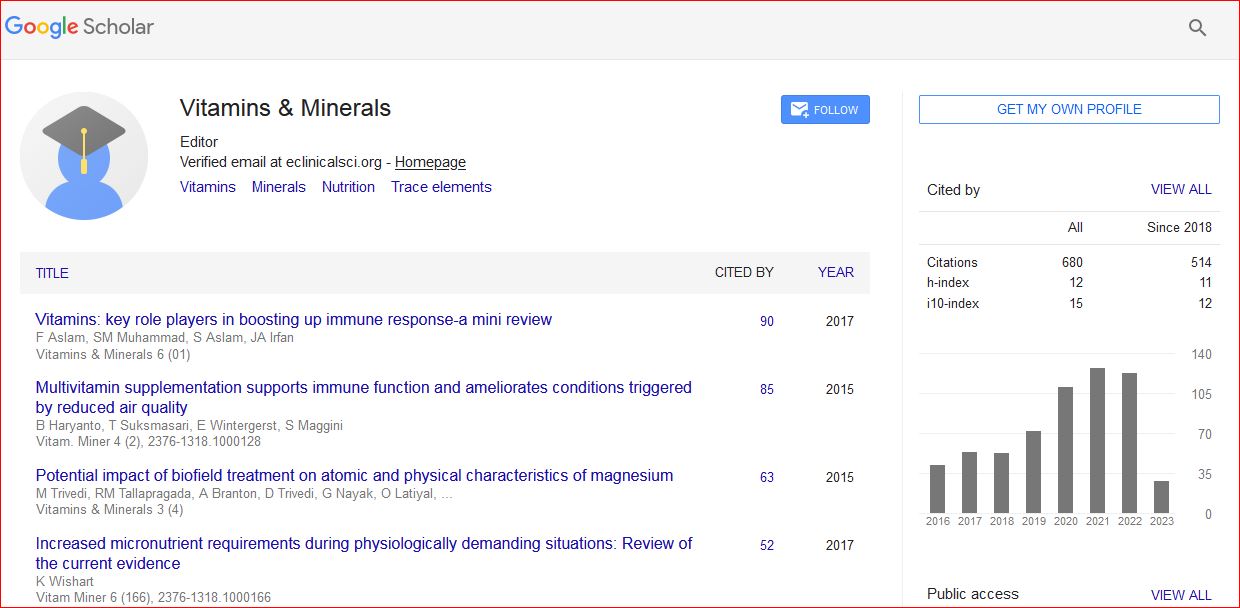
Vitamins & Minerals received 790 citations as per Google Scholar report