Brief Report - (127) Volume 14, Issue 6
Received: 01-Nov-2025, Manuscript No. VTE-26-180134;
Editor assigned: 03-Nov-2025, Pre QC No. P-180134;
Reviewed: 17-Nov-2025, QC No. Q-180134;
Revised: 22-Nov-2025, Manuscript No. R-180134;
Published:
29-Nov-2025
, DOI: 10.37421/2376-1318.2025.14.401
Citation: Ivanov, Pavel. ”Micronutrients: Key To Immune Resilience And Health.” Vitam Miner 14 (2025):401.
Copyright: © 2025 Ivanov P. This is an open-access article distributed under the terms of the Creative Commons Attribution License, which permits unrestricted use, distribution and reproduction in any medium, provided the original author and source are credited.
The intricate interplay between micronutrient status and immune resilience is a subject of growing scientific interest. Deficiencies in essential vitamins and minerals can significantly impair the function of immune cells, thereby increasing susceptibility to various infections. This phenomenon underscores the critical role of these micronutrients in maintaining a robust defense against pathogens [1].
Among the micronutrients, vitamin D stands out for its multifaceted involvement in immune function. It plays a crucial role in modulating both innate and adaptive immunity, influencing immune cell differentiation and the production of key signaling molecules. Ensuring adequate vitamin D levels is therefore paramount for an effective immune response [2].
Zinc is another essential mineral that holds significant importance for the immune system. Its involvement spans from immune cell proliferation to the synthesis of vital cytokines. Consequently, zinc deficiency can lead to compromised immune responses, leaving individuals more vulnerable to infections [3].
Selenium contributes to immune health primarily through its role in antioxidant defense. As a component of selenoproteins, it helps regulate immune cell activity and protect against oxidative stress, which is crucial for maintaining a strong immune system and enhancing resistance to infections [4].
Vitamin C, widely recognized for its antioxidant properties, also plays a vital role in supporting immune cell function. It aids in the proper functioning of various immune cells and is important for wound healing, contributing significantly to overall immune resilience against pathogens [5].
Iron exhibits a dual role in immunity. While it is indispensable for the proliferation and function of immune cells, its dysregulation can unfortunately be exploited by pathogens for immune evasion. Understanding iron homeostasis is therefore key to comprehending immune responses, particularly in the context of infections and inflammation [6].
Vitamin A is fundamental for immune development and function, particularly in maintaining the integrity of epithelial barriers and guiding immune cell differentiation. Its role in regulating gut immunity and inflammatory responses contributes significantly to the body's overall immune resilience [7].
Magnesium influences immune cell function and inflammatory processes by affecting cytokine production and immune cell signaling pathways. Proper magnesium levels are therefore essential for immune regulation and maintaining a well-functioning immune system [8].
Copper is integral to immune defense, contributing to immune homeostasis through its role in immune cell development and function. Its antioxidant properties further bolster its importance in maintaining a balanced and effective immune response [9].
Vitamin K, particularly vitamin K2, is emerging as a modulator of immune responses. It may influence cytokine production and gene expression, suggesting a significant role in immune resilience that is perhaps greater than previously appreciated [10].
The relationship between micronutrient status and immune resilience is characterized by the fundamental impact of essential vitamins and minerals on immune cell functionality. Deficiencies in these vital nutrients can lead to impaired immune cell activity, consequently heightening susceptibility to infectious agents. The intricate mechanisms by which specific micronutrients bolster the immune system are complex and far-reaching [1].
Vitamin D's influence on the immune system is extensive, affecting both the innate and adaptive branches. It is instrumental in the differentiation of immune cells and the synthesis of antimicrobial peptides, thereby reinforcing immune defenses. The implications of vitamin D deficiency in autoimmune and infectious diseases highlight its critical role in immune resilience [2].
Zinc's contribution to immune system development and function is profound, particularly its role in T-cell proliferation and the generation of cytokines. A lack of adequate zinc can severely compromise immune responses, making individuals more prone to infections and prolonging recovery times [3].
Selenium's importance in immune health is closely tied to its antioxidant capabilities. As a constituent of selenoproteins, it aids in regulating immune cell activity and protecting against oxidative damage, which is essential for a robust immune defense mechanism and improved resistance to pathogens [4].
Vitamin C acts as a potent antioxidant and supports the functional capacity of various immune cells. Its contribution to wound healing further accentuates its role in maintaining optimal immune responses and enhancing the body's resilience against microbial threats [5].
Iron's dualistic nature in immunity presents a complex scenario. While indispensable for immune cell proliferation and function, imbalances in iron levels can inadvertently aid pathogens in evading immune detection. Consequently, maintaining appropriate iron homeostasis is crucial for effective immune responses, especially during periods of infection and inflammation [6].
Vitamin A's role in immune development is critical, impacting epithelial barrier integrity and the differentiation of immune cells. Its influence on gut immunity and the regulation of inflammatory responses contributes significantly to the body's overall capacity to resist illness [7].
Magnesium plays a key role in modulating immune cell signaling pathways and influencing the production of cytokines. This regulation is fundamental for maintaining immune homeostasis and promoting resilience against disease-causing agents [8].
Copper is recognized for its contribution to immune defense mechanisms and the maintenance of immune balance. Its involvement in immune cell development and its antioxidant properties underscore its essentiality for a well-functioning immune system capable of mounting an effective response [9].
Vitamin K, particularly its K2 form, is gaining attention for its potential to regulate immune responses and modulate inflammatory pathways. Research suggests it may influence cytokine production and gene expression, indicating a potentially significant role in immune resilience that warrants further investigation [10].
This collection of research highlights the critical role of micronutrients in maintaining immune resilience. Deficiencies in essential vitamins and minerals like zinc, vitamin D, selenium, vitamin C, iron, vitamin A, magnesium, copper, and vitamin K can impair immune cell function, increase susceptibility to infections, and affect inflammatory responses. Adequate levels of these nutrients are vital for bolstering the immune system's ability to combat pathogens, recover from illness, and regulate inflammatory processes. Specific micronutrients have unique roles, from supporting T-cell proliferation and cytokine synthesis to acting as antioxidants and maintaining epithelial barrier integrity. Maintaining proper micronutrient balance is therefore essential for a strong and effective immune system.
None
None
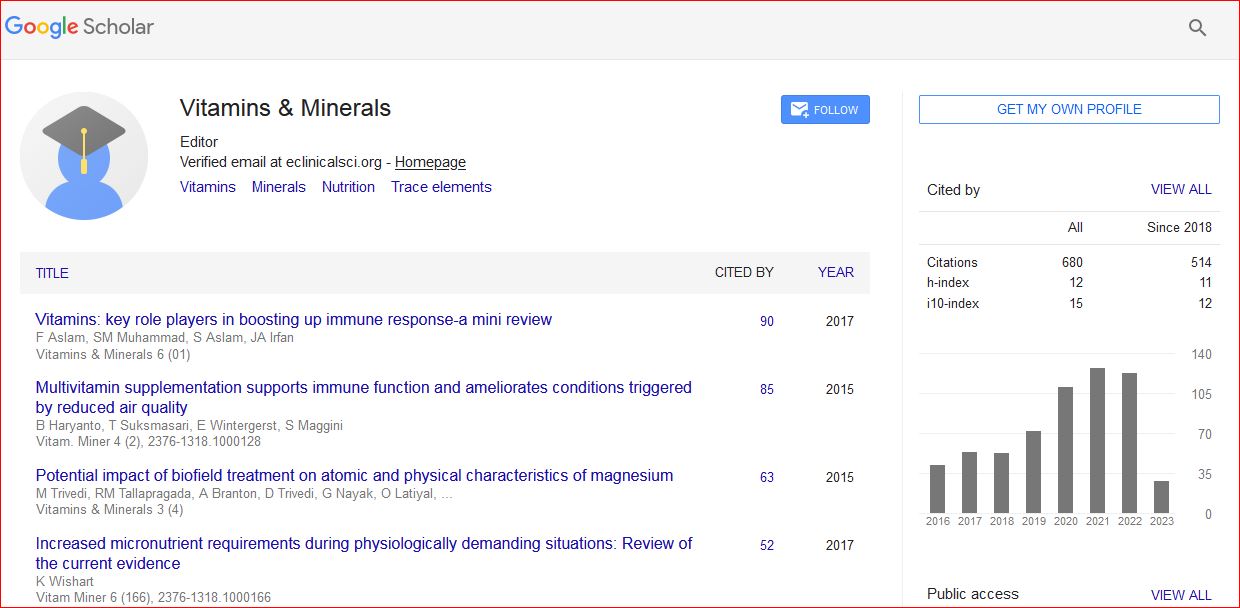
Vitamins & Minerals received 790 citations as per Google Scholar report