Opinion - (2025) Volume 14, Issue 5
Received: 01-Sep-2025, Manuscript No. VTE-26-180110;
Editor assigned: 03-Sep-2025, Pre QC No. P-180110;
Reviewed: 17-Sep-2025, QC No. Q-180110;
Revised: 22-Sep-2025, Manuscript No. R-180110;
Published:
29-Sep-2025
, DOI: 10.37421/2376-1318.2025.14.390
Citation: Laurent, Monique. ”Micronutrients Fuel Athletic Performance: A Comprehensive Guide.” Vitam Miner 14 (2025):390.
Copyright: © 2025 Laurent M. This is an open-access article distributed under the terms of the Creative Commons Attribution License, which permits unrestricted use, distribution and reproduction in any medium, provided the original author and source are credited.
Vitamins and minerals are integral components for the optimization of sports and exercise performance. Micronutrients such as iron, vitamin D, and the B vitamins are recognized for their fundamental roles in energy metabolism, efficient oxygen transport, robust muscle function, and supportive immune system activity. Deficiencies in these essential micronutrients can lead to a significant decline in athletic capabilities, manifesting as increased fatigue, diminished endurance, and a heightened susceptibility to injuries [1].
Vitamin D's contribution to athletic performance extends beyond its well-established role in bone health, exerting influence on critical physiological factors including muscle strength, power output, and overall immune function. Studies have indicated that adequate vitamin D levels are consistently associated with superior performance outcomes in athletes, and conversely, deficiencies are unfortunately prevalent, particularly among athletes who experience limited exposure to sunlight [2].
Iron deficiency represents a prevalent concern within the athletic population, especially among female endurance athletes. This deficiency critically impairs oxygen transport and energy production pathways within the body, directly leading to a reduction in aerobic capacity and a noticeable decrement in athletic performance. Therefore, systematic screening and the implementation of appropriate management strategies are paramount for maintaining optimal iron status and thereby maximizing performance [3].
The B vitamins serve as indispensable cofactors in a multitude of enzymatic reactions essential for energy metabolism. Athletes, with their inherently elevated energy demands, may consequently experience an increased requirement for B vitamins to facilitate optimal fuel utilization and sustain peak performance. Although overt deficiencies are relatively uncommon in well-nourished athletes, even suboptimal B vitamin intake could potentially compromise energy levels and overall athletic capacity [4].
Electrolytes, including crucial minerals like sodium, potassium, and magnesium, are systematically lost through perspiration during prolonged periods of strenuous exercise. These electrolytes are vital for maintaining proper fluid balance, ensuring effective nerve function, and enabling efficient muscle contraction. Consequently, maintaining adequate electrolyte levels is fundamental to preventing debilitating muscle cramps, mitigating dehydration, and averting performance decrements during endurance activities [5].
Antioxidant vitamins, specifically vitamins C and E, alongside minerals such as selenium and zinc, play a significant role in counteracting the exercise-induced oxidative stress that occurs during intense physical exertion. While high-intensity exercise inherently increases oxidative stress, the current scientific evidence supporting the routine use of antioxidant supplementation for performance enhancement remains mixed, and excessively high intakes could potentially prove detrimental [6].
Magnesium is a vital mineral intricately involved in over 300 enzymatic reactions within the body, encompassing critical processes related to energy production and optimal muscle function. Athletes may exhibit increased losses or higher requirements for magnesium due to their training demands, and a deficiency in this mineral can manifest as muscle weakness and a significant impairment in overall athletic performance [7].
Zinc holds importance for a range of physiological functions crucial for athletes, including robust immune function, efficient wound healing, and effective protein synthesis, all of which are vital for individuals undergoing strenuous training regimens. Although overt zinc deficiencies are relatively rare in developed countries, ensuring an adequate daily intake of zinc remains important for preserving overall health and supporting optimal athletic performance [8].
Calcium and vitamin D collaborate synergistically to uphold the integrity and health of the skeletal system, which is particularly essential for athletes engaged in weight-bearing sports. Insufficient intake of either calcium or vitamin D can elevate the risk of developing stress fractures and compromise the overall musculoskeletal integrity, thereby negatively impacting both performance and the longevity of an athlete's career [9].
The intricate interplay between micronutrient status and the composition of the gut microbiome is an area of growing scientific interest due to its profound impact on nutrient absorption and general health, which in turn can indirectly influence athletic performance. Nevertheless, further extensive research is required to fully elucidate these complex and multifaceted relationships within the athletic population [10].
Vitamins and minerals are fundamental to achieving peak sports and exercise performance. Key micronutrients like iron, vitamin D, and various B vitamins are essential for energy metabolism, oxygen transport, muscle function, and immune support. When athletes experience deficiencies in these micronutrients, their performance capabilities can be significantly compromised, leading to increased fatigue, reduced endurance, and a greater risk of injury [1].
Vitamin D's role in athletic performance is multifaceted, extending beyond its known benefits for bone health to include positive effects on muscle strength, power, and the immune system. Research indicates that athletes with adequate vitamin D levels tend to perform better, while deficiencies are common, especially among those with limited sun exposure, highlighting the need for monitoring and potential supplementation [2].
Iron deficiency is a significant concern for athletes, particularly female endurance athletes, as it directly impacts oxygen delivery to muscles and energy production. This can result in impaired aerobic capacity and decreased performance. Consequently, regular screening for iron status and appropriate interventions are crucial for maintaining optimal athletic function [3].
The B vitamins are critical cofactors in the metabolic processes that generate energy. Given the heightened energy demands of athletes, their requirement for B vitamins may increase to support efficient fuel utilization and overall performance. While severe deficiencies are uncommon in well-nourished athletes, suboptimal intake could still negatively affect energy levels [4].
During prolonged exercise, athletes lose essential electrolytes such as sodium, potassium, and magnesium through sweat. These minerals are vital for maintaining fluid balance, nerve signaling, and muscle contractions. Ensuring adequate electrolyte levels is key to preventing issues like cramps and dehydration, which can severely hinder performance in endurance activities [5].
Antioxidant vitamins like C and E, along with minerals such as selenium and zinc, play a role in managing exercise-induced oxidative stress. While intense exercise increases oxidative stress, the benefits of routine antioxidant supplementation on performance are still debated, and excessive intake could potentially be harmful [6].
Magnesium is involved in hundreds of enzymatic processes, including those essential for energy production and muscle function. Athletes may experience greater losses or have higher needs for magnesium, and insufficient levels can lead to muscle weakness and diminished performance [7].
Zinc is important for several functions critical to athletes, including immune health, tissue repair, and protein synthesis. While outright deficiencies are rare in many regions, ensuring sufficient zinc intake is important for maintaining overall health and supporting athletic performance, especially during periods of intense training [8].
Calcium and vitamin D work in tandem to maintain strong bones, a necessity for athletes in weight-bearing sports. Inadequate intake of these nutrients can increase the risk of stress fractures and compromise musculoskeletal health, negatively affecting an athlete's performance and career longevity [9].
The interaction between micronutrient levels and the gut microbiome is an emerging area of research, recognized for its potential influence on nutrient absorption and overall health, which can indirectly impact athletic performance. Further investigation is required to fully understand these complex interactions [10].
Vitamins and minerals are essential for optimal athletic performance, playing critical roles in energy metabolism, oxygen transport, muscle function, and immune support. Specific micronutrients like iron, vitamin D, and B vitamins are crucial, with deficiencies leading to fatigue and reduced endurance. Electrolytes such as sodium, potassium, and magnesium are vital for fluid balance and muscle function during exercise. Antioxidants help manage exercise-induced oxidative stress, though supplementation benefits are debated. Calcium and vitamin D are key for bone health, while zinc supports immune function and tissue repair. The interplay between micronutrients and the gut microbiome also influences overall health and performance. A balanced diet remains the primary strategy for meeting these nutritional needs.
None
None
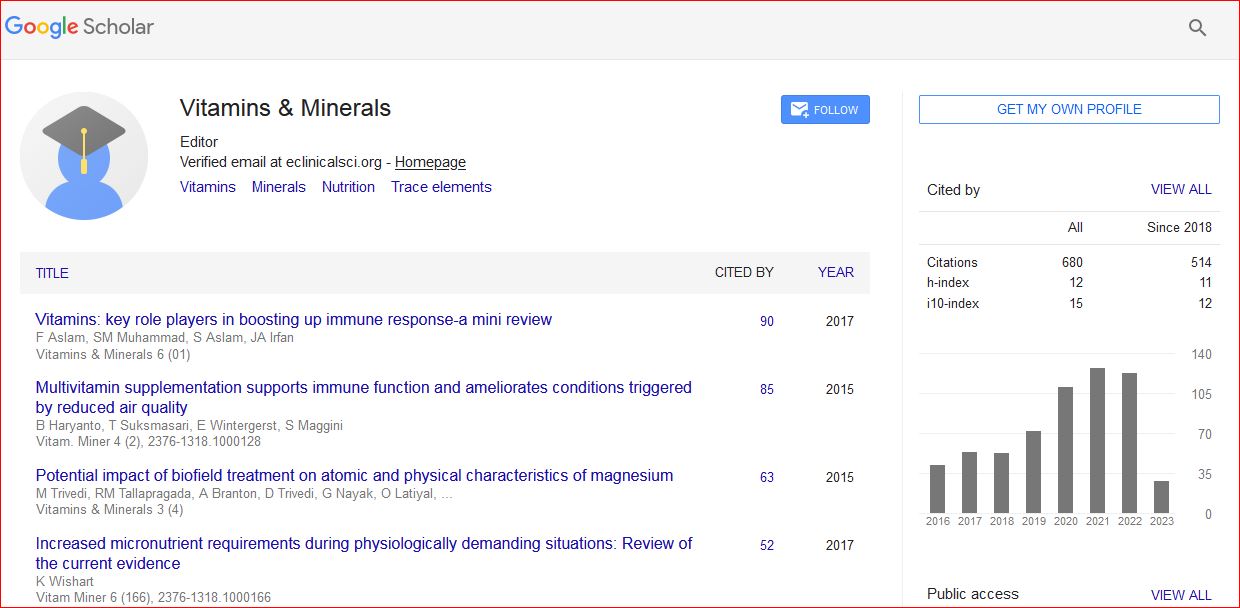
Vitamins & Minerals received 790 citations as per Google Scholar report