Short Communication - (2025) Volume 14, Issue 4
Received: 01-Jul-2025, Manuscript No. VTE-26-180106;
Editor assigned: 03-Jul-2025, Pre QC No. P-180106;
Reviewed: 17-Jul-2025, QC No. Q-180106;
Revised: 22-Jul-2025, Manuscript No. R-180106;
Published:
29-Jul-2025
, DOI: 10.37421/2376-1318.2025.14.387
Citation: Klein, Robert. ”Micronutrients: Key to Lifelong Cognitive Health.” Vitam Miner 14 (2025):387.
Copyright: © 2025 Klein R. This is an open-access article distributed under the terms of the Creative Commons Attribution License, which permits unrestricted use, distribution and reproduction in any medium, provided the original author and source are credited.
The adequate intake of essential micronutrients, encompassing B vitamins such as folate, B6, and B12, vitamin D, iron, and omega-3 fatty acids, is fundamentally important for supporting optimal cognitive function throughout the entire lifespan. Deficiencies or suboptimal levels of these vital micronutrients can significantly impair a variety of cognitive processes, including memory formation, attention span, and executive functions essential for complex decision-making and planning. This comprehensive review aims to illuminate the intricate mechanisms through which these specific nutrients exert their influence on brain health, detailing their critical roles in neurotransmitter synthesis, DNA synthesis and repair processes, bolstering antioxidant defense systems within the brain, and actively reducing inflammatory responses that can compromise neural integrity. Maintaining sufficient micronutrient status is therefore identified as a key dietary strategy for promoting cognitive resilience, enabling the brain to better withstand challenges, and actively mitigating the process of age-related cognitive decline. [1] This specific research endeavor delves into the intricate and multifaceted relationship that exists between vitamin D status and overall cognitive performance, particularly within the demographic of older adults. The study compellingly found a statistically significant association between higher serum vitamin D levels and demonstrably better performance on standardized tests designed to assess executive function and processing speed, crucial cognitive domains. The presence of vitamin D receptors within brain regions that are pivotal for cognitive processing suggests a direct neuroprotective role that this vitamin may play. These findings collectively underscore the paramount importance of maintaining adequate vitamin D levels for preserving cognitive health as individuals age, potentially through targeted supplementation or by strategically increasing sun exposure. [2] The profound impact of B vitamins, with a particular emphasis on folate, vitamin B6, and vitamin B12, on cognitive function and the subsequent risk of cognitive decline is thoroughly examined in this study. These essential vitamins are critically important for the efficient metabolism of homocysteine, a compound whose elevated levels have been consistently linked to an increased risk of developing dementia. Both observational studies and certain intervention trials provide suggestive evidence that an adequate dietary intake of these specific vitamins can play a significant role in maintaining cognitive health, especially in individuals who already exhibit existing deficiencies or have elevated homocysteine levels. This body of work strongly emphasizes the critical metabolic link that exists between B vitamins, homocysteine metabolism, and the overall health of the brain. [3] This particular study meticulously investigates the association between dietary iron intake and cognitive function within the adult population. Iron is an indispensable mineral, vital for the efficient transport of oxygen to the brain and for supporting the critical energy metabolism processes that occur within brain cells. While iron deficiency anemia is a well-established cause of impaired cognition, this research extends its scope to explore the more nuanced effects of iron status even in individuals who are not anemic. The findings from this investigation suggest that even subtle forms of iron insufficiency might be correlated with poorer performance on specific cognitive tasks, thereby highlighting the essential need for maintaining optimal iron levels for overall cognitive well-being and peak performance. [4] The crucial role of omega-3 fatty acids, with a specific focus on docosahexaenoic acid (DHA) and eicosapentaenoic acid (EPA), in supporting both the structural integrity and functional capacity of the brain is comprehensively reviewed. These essential polyunsaturated fatty acids are fundamental components of neuronal cell membranes, playing active roles in neurotransmission, mediating anti-inflammatory processes, and providing crucial neuroprotection. The existing body of evidence suggests that ensuring an adequate dietary intake of omega-3 fatty acids may confer significant benefits for cognitive function and potentially help to slow the rate of cognitive decline often associated with the natural aging process and the progression of certain neurodegenerative diseases. [5] This meta-analysis undertakes a rigorous examination of the effects that micronutrient supplementation can have on cognitive function, specifically within populations of healthy adults. The review skillfully synthesizes data obtained from a variety of randomized controlled trials, placing a strong emphasis on the impact of multi-component micronutrient supplements. The aggregated results indicate that broad-spectrum micronutrient supplementation can yield a modest yet significant benefit on certain specific aspects of cognitive performance, particularly in domains such as memory recall and sustained attention. This suggests a potential synergistic effect when multiple nutrients are provided together, enhancing their collective impact on cognitive processes. [6] The critical importance of magnesium for maintaining optimal brain health and supporting robust cognitive function is thoroughly discussed in this article. Magnesium plays a vital and multifaceted role in fundamental brain processes, including synaptic plasticity, which is the ability of synapses to strengthen or weaken over time, learning acquisition, and memory consolidation. Conversely, insufficient magnesium levels within the body have been consistently associated with an increased risk of cognitive impairment and the development of neurodegenerative diseases. This review effectively highlights the potential significant benefits that can be achieved by optimizing magnesium status for both cognitive enhancement and long-term neuroprotection. [7] This particular study focuses on examining the intricate relationship between zinc status and cognitive function, with a specific emphasis on older adult populations. Zinc is intricately involved in a multitude of essential neuronal signaling pathways and possesses significant antioxidant and anti-inflammatory properties that are beneficial to brain health. The research conducted clearly indicates that sufficient zinc intake is positively associated with better performance on standardized measures of memory and executive function. Conversely, a deficiency in zinc may potentially contribute to the insidious process of cognitive decline over time. [8] The neuroprotective effects attributed to various antioxidants, including specific vitamins and essential minerals, are discussed in the context of their contribution to maintaining cognitive health. Oxidative stress, a state of imbalance between free radicals and antioxidants, is widely implicated as a significant factor in cognitive aging and the pathogenesis of various neurodegenerative diseases. Micronutrients such as vitamin E, vitamin C, and selenium function as potent antioxidants, playing a crucial role in protecting brain cells from oxidative damage. This review effectively emphasizes the pivotal role these micronutrients play in preserving overall brain function by actively combating the detrimental effects of oxidative stress. [9] This paper meticulously examines the impact that dietary patterns rich in micronutrients can have on cognitive performance in adults. It effectively highlights how the consumption of whole foods, which naturally provide a complex and synergistic array of vitamins, minerals, and other beneficial compounds, can substantially support overall brain health. Specific dietary patterns, such as the well-researched Mediterranean diet, characterized by a high intake of fruits, vegetables, nuts, and fish, have been consistently associated with superior cognitive outcomes and a notably reduced risk of experiencing cognitive decline. [10]
The adequate intake of essential micronutrients, including B vitamins (folate, B6, B12), vitamin D, iron, and omega-3 fatty acids, plays a critical role in supporting optimal cognitive function across the lifespan. Deficiencies or suboptimal levels of these micronutrients can impair various cognitive processes such as memory, attention, and executive function. This review highlights the mechanisms by which these nutrients influence brain health, including their roles in neurotransmitter synthesis, DNA synthesis and repair, antioxidant defense, and reducing inflammation. Maintaining sufficient micronutrient status is therefore a key dietary strategy for promoting cognitive resilience and mitigating age-related cognitive decline. [1] This research explores the intricate relationship between vitamin D status and cognitive performance in older adults. The study found a significant association between higher serum vitamin D levels and better performance on tests of executive function and processing speed. Vitamin D receptors are present in brain regions crucial for cognition, suggesting a direct neuroprotective role. The findings underscore the importance of maintaining adequate vitamin D for cognitive health in aging populations, potentially through supplementation or increased sun exposure. [2] The impact of B vitamins, particularly folate, B6, and B12, on cognitive function and the risk of cognitive decline is examined. These vitamins are crucial for homocysteine metabolism, and elevated homocysteine levels are linked to increased risk of dementia. Observational studies and some intervention trials suggest that adequate intake of these vitamins can help maintain cognitive health, particularly in individuals with existing deficiencies or elevated homocysteine. This work emphasizes the metabolic link between B vitamins, homocysteine, and brain health. [3] This study investigates the association between dietary iron intake and cognitive function in adults. Iron is vital for oxygen transport and energy metabolism in the brain. While iron deficiency anemia is known to impair cognition, this research explores the nuances of iron status even in non-anemic individuals. Findings suggest that even subtle iron insufficiency might be linked to poorer performance on certain cognitive tasks, highlighting the need for optimal iron levels for cognitive well-being. [4] The role of omega-3 fatty acids, particularly DHA and EPA, in supporting brain structure and function is reviewed. These polyunsaturated fatty acids are integral components of neuronal cell membranes and are involved in neurotransmission, anti-inflammatory processes, and neuroprotection. Evidence suggests that adequate intake of omega-3s may be beneficial for cognitive function and may help slow cognitive decline associated with aging and certain neurodegenerative diseases. [5] This meta-analysis examines the effects of micronutrient supplementation on cognitive function in healthy adults. The review synthesizes data from randomized controlled trials, focusing on the impact of combined micronutrient supplements. Results indicate a modest benefit of broad-spectrum micronutrient supplementation on certain aspects of cognitive performance, particularly in areas like memory and attention, suggesting a synergistic effect of multiple nutrients. [6] The article discusses the importance of magnesium for brain health and cognitive function. Magnesium plays a critical role in synaptic plasticity, learning, and memory. Low magnesium levels have been associated with increased risk of cognitive impairment and neurodegenerative diseases. This review highlights the potential benefits of optimizing magnesium status for cognitive enhancement and protection. [7] This study examines the relationship between zinc status and cognitive function in older adults. Zinc is involved in neuronal signaling and has antioxidant and anti-inflammatory properties. The research indicates that sufficient zinc intake is associated with better performance on measures of memory and executive function. Conversely, zinc deficiency may contribute to cognitive decline. [8] The neuroprotective effects of antioxidants, including certain vitamins and minerals, are discussed in relation to cognitive health. Oxidative stress is implicated in cognitive aging and neurodegenerative diseases. Micronutrients like vitamin E, vitamin C, and selenium act as antioxidants, helping to protect brain cells from damage. This review emphasizes the role of these micronutrients in maintaining brain function by combating oxidative stress. [9] This paper examines the impact of dietary patterns rich in micronutrients on cognitive performance in adults. It highlights how whole foods that provide a complex array of vitamins, minerals, and other beneficial compounds can support brain health. Specific dietary patterns, such as the Mediterranean diet, which are characterized by high intake of fruits, vegetables, nuts, and fish, are associated with better cognitive outcomes and a reduced risk of cognitive decline. [10]
Optimal cognitive function throughout life is supported by adequate intake of essential micronutrients, including B vitamins, vitamin D, iron, and omega-3 fatty acids. Deficiencies in these nutrients can impair memory, attention, and executive functions. These micronutrients play roles in neurotransmitter synthesis, DNA repair, antioxidant defense, and inflammation reduction, contributing to cognitive resilience and mitigating age-related decline. Research highlights significant associations between higher vitamin D levels and better executive function in older adults, with vitamin D receptors present in key brain regions. B vitamins, particularly folate, B6, and B12, are crucial for homocysteine metabolism, and adequate intake may help prevent dementia risk. Iron is vital for oxygen transport and energy metabolism in the brain, and even subtle insufficiency can affect cognitive tasks. Omega-3 fatty acids are integral to neuronal membranes and support neurotransmission and anti-inflammatory processes, potentially slowing cognitive decline. Micronutrient supplementation has shown modest benefits in cognitive performance, suggesting synergistic effects. Magnesium is critical for synaptic plasticity, learning, and memory, with low levels linked to cognitive impairment. Zinc is involved in neuronal signaling and possesses antioxidant properties, with sufficient intake associated with better memory and executive function. Antioxidants like vitamins E and C, and selenium, protect brain cells from oxidative stress, crucial for combating cognitive aging. Dietary patterns rich in micronutrients, such as the Mediterranean diet, are linked to better cognitive outcomes.
None
None
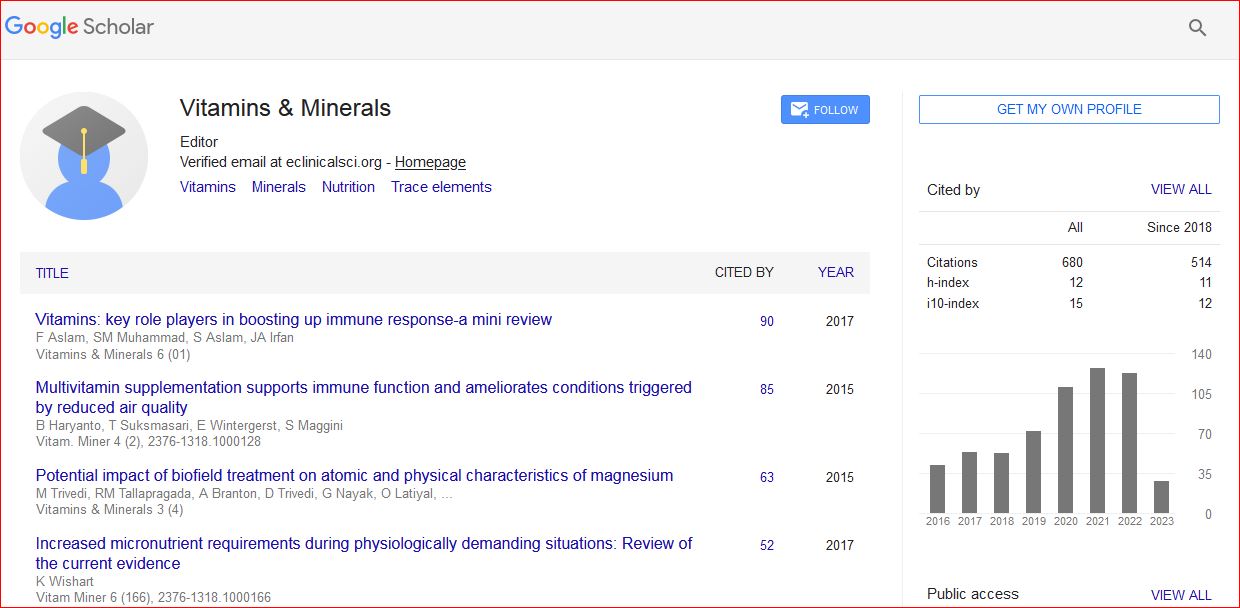
Vitamins & Minerals received 790 citations as per Google Scholar report