Perspective - (2025) Volume 9, Issue 3
Received: 02-Jun-2025, Manuscript No. jid-26-186957;
Editor assigned: 04-Jun-2025, Pre QC No. P-186957;
Reviewed: 18-Jun-2025, QC No. Q-186957;
Revised: 23-Jun-2025, Manuscript No. R-186957;
Published:
30-Jun-2025
, DOI: 10.37421/2684-4559.2025.9.331
Citation: Ferreira, Camila. "Genomic RSV Epidemiology in Neonatal Settings." Clin Infect Dis 13 (2025):331.
Copyright: © 2025 Ferreira C. This is an open-access article distributed under the terms of the Creative Commons Attribution License, which permits unrestricted use, distribution and reproduction in any medium, provided the original author and source are credited.
The critical importance of understanding the genomic landscape of respiratory syncytial virus (RSV) within neonatal units cannot be overstated, as this knowledge is fundamental for the development of effective control strategies against this pervasive pathogen. Research in this area is focused on elucidating the genetic diversity and evolutionary trajectories of RSV strains that circulate among these particularly vulnerable populations. By identifying potential emergent variants, scientists aim to pinpoint strains that may exhibit altered transmissibility, increased virulence, or reduced susceptibility to current vaccine efficacy, thereby informing targeted surveillance and intervention measures to safeguard newborns from severe RSV-induced illness. [1]
Recent studies have meticulously detailed the identification and comprehensive characterization of novel RSV genotypes that have been associated with outbreaks occurring within neonatal intensive care units. These investigations underscore the remarkably rapid evolutionary pace of RSV and highlight the indispensable role of real-time genomic sequencing in the timely detection and effective response to emerging strains. Such insights are crucial as they directly impact our understanding of disease severity and the patterns of spread within sensitive hospital environments. [2] Further investigations have delved into the intricate transmission dynamics of RSV within neonatal wards, employing sophisticated phylogenetic analysis of viral genomes to map out transmission pathways. These studies have revealed compelling evidence of clonal expansion in specific RSV lineages and have provided invaluable insights into the mechanisms of nosocomial transmission. Consequently, these findings strongly emphasize the urgent need for enhanced infection control measures that are precisely informed by robust genomic data. [3] A significant contribution to the field has been the presentation of a comprehensive genomic surveillance program specifically designed for RSV within a Brazilian neonatal unit. This program has been instrumental in identifying the dominant circulating strains and meticulously tracking mutations that are potentially linked to immune evasion. The outcomes of this ongoing genomic monitoring program serve as a powerful testament to its utility in enabling the early detection of concerning RSV variants. [4] Additional research has systematically examined the genetic diversity of both RSV-A and RSV-B subtypes within hospital settings, with a particular focus on subtle yet significant changes occurring in key surface proteins. The implications of these observed genetic variations are thoroughly discussed, particularly concerning their potential influence on the accuracy of current diagnostic tools and the efficacy of therapeutic interventions employed in neonatal care. [5] Methodological advancements in RSV surveillance have also been a focus, with one paper evaluating the comparative performance of different next-generation sequencing platforms for analyzing clinical samples obtained from neonatal units. This work offers a valuable overview of the methodologies involved and critically discusses the inherent challenges and distinct advantages associated with rapid genomic sequencing for informing public health responses. [6] A specific study has concentrated on the genomic epidemiology of RSV within neonates during a defined epidemic season, successfully identifying key mutations within the viral G protein. This research further explores the potential ramifications of these identified mutations on viral fitness and the capacity for antibody binding, information that is absolutely critical for informing the development of future vaccine and therapeutic strategies. [7] The practical challenges associated with implementing effective genomic surveillance for RSV, especially within neonatal units situated in resource-limited settings, have been thoroughly examined. This work thoughtfully discusses essential practical considerations, ranging from optimal sample collection protocols to efficient sequencing and data analysis strategies, all aimed at facilitating the effective monitoring of RSV evolution in diverse environments. [8] Another vital contribution reports on a specific cluster of RSV infections identified within a neonatal unit, utilizing whole-genome sequencing to precisely trace the outbreak's origin and delineate its spread. This case study powerfully demonstrates the profound utility of genomic surveillance in accurately identifying transmission links and providing crucial data to inform rapid and effective outbreak response measures within healthcare facilities. [9] Finally, the evolving landscape of RSV and its direct implications for the development of next-generation vaccines and therapeutics are discussed. This paper underscores how invaluable genomic surveillance data can be leveraged to proactively predict and prepare for the emergence of novel variants that might possess the ability to evade existing or planned interventions aimed at combating neonatal RSV disease. [10]The critical necessity of understanding the intricate genomic landscape of respiratory syncytial virus (RSV) within neonatal units is emphasized as a cornerstone for devising effective control strategies. This line of inquiry is dedicated to exploring the genetic diversity and evolutionary patterns of RSV strains prevalent in these highly vulnerable patient groups, with the specific aim of identifying nascent variants that could potentially influence transmissibility, virulence, or the efficacy of vaccines. The insights gleaned from such studies are vital for informing the development of precisely targeted surveillance and intervention measures, ultimately serving to shield newborns from the severe consequences of RSV infection. [1]
The detailed identification and comprehensive molecular characterization of novel RSV genotypes associated with outbreaks in a neonatal intensive care unit are presented. This research highlights the accelerated evolutionary rate of RSV and underscores the paramount importance of employing real-time genomic sequencing technologies. This approach is essential for the prompt detection and effective management of emerging RSV strains, which can have significant implications for disease severity and its propagation within hospital settings. [2] Investigations into the transmission dynamics of RSV within neonatal wards have employed phylogenetic analysis of viral genomes to elucidate transmission pathways. These studies have uncovered clonal expansion patterns within specific RSV lineages and provided critical insights into the modes of nosocomial transmission. Consequently, this evidence strongly advocates for the implementation of enhanced infection control measures informed by robust genomic data. [3] A comprehensive genomic surveillance program for RSV in a Brazilian neonatal unit has been established, successfully identifying the dominant circulating strains and meticulously tracking mutations associated with potential immune evasion. The findings derived from this ongoing genomic monitoring effort reinforce its utility in the early detection of concerning RSV variants, contributing significantly to public health efforts. [4] The genetic diversity of RSV-A and RSV-B subtypes within a hospital environment has been examined, with a specific focus on alterations in critical surface proteins. This research discusses how these genetic variations may impact the performance of current diagnostic methods and the effectiveness of therapeutic interventions utilized in neonatal care settings. [5] Methodological aspects of RSV surveillance have been explored through a comparative analysis of different next-generation sequencing platforms utilized for clinical samples from neonatal units. This work offers a valuable overview of the methodologies and critically discusses the challenges and advantages inherent in rapid genomic sequencing for informing public health responses. [6] The genomic epidemiology of RSV in neonates during a specific epidemic season has been analyzed, leading to the identification of key mutations within the viral G protein. This research further investigates the potential impact of these mutations on viral fitness and antibody binding, knowledge crucial for the strategic development of future vaccines and therapeutics. [7] The practical challenges associated with implementing genomic surveillance for RSV in neonatal units located in resource-limited settings have been thoroughly assessed. The paper provides a detailed discussion of practical considerations encompassing sample collection, sequencing, and data analysis, all essential for enabling effective monitoring of RSV evolution in diverse epidemiological contexts. [8] A report details a specific cluster of RSV infections in a neonatal unit, where whole-genome sequencing was employed to trace the origin and spread of the outbreak. This study effectively demonstrates the power of genomic surveillance in pinpointing transmission links and guiding effective outbreak response strategies within healthcare facilities. [9] The implications of RSV evolution for the development of advanced vaccines and therapeutics are discussed from a genomic perspective. This paper highlights how genomic surveillance data can be strategically utilized to anticipate and prepare for the emergence of variants that may challenge the effectiveness of existing or planned interventions for neonatal RSV disease. [10]This collection of research focuses on the genomic epidemiology of Respiratory Syncytial Virus (RSV) in neonatal settings. Studies highlight the importance of genomic surveillance for understanding RSV strain diversity, evolutionary patterns, and transmission dynamics within hospitals, particularly neonatal intensive care units. Researchers are identifying novel genotypes, tracking mutations associated with immune evasion, and assessing the impact of genetic variation on diagnostics and therapeutics. The findings emphasize the need for rapid genomic sequencing to detect emerging strains, inform infection control measures, and guide the development of next-generation vaccines and treatments to protect vulnerable newborns from severe RSV disease.
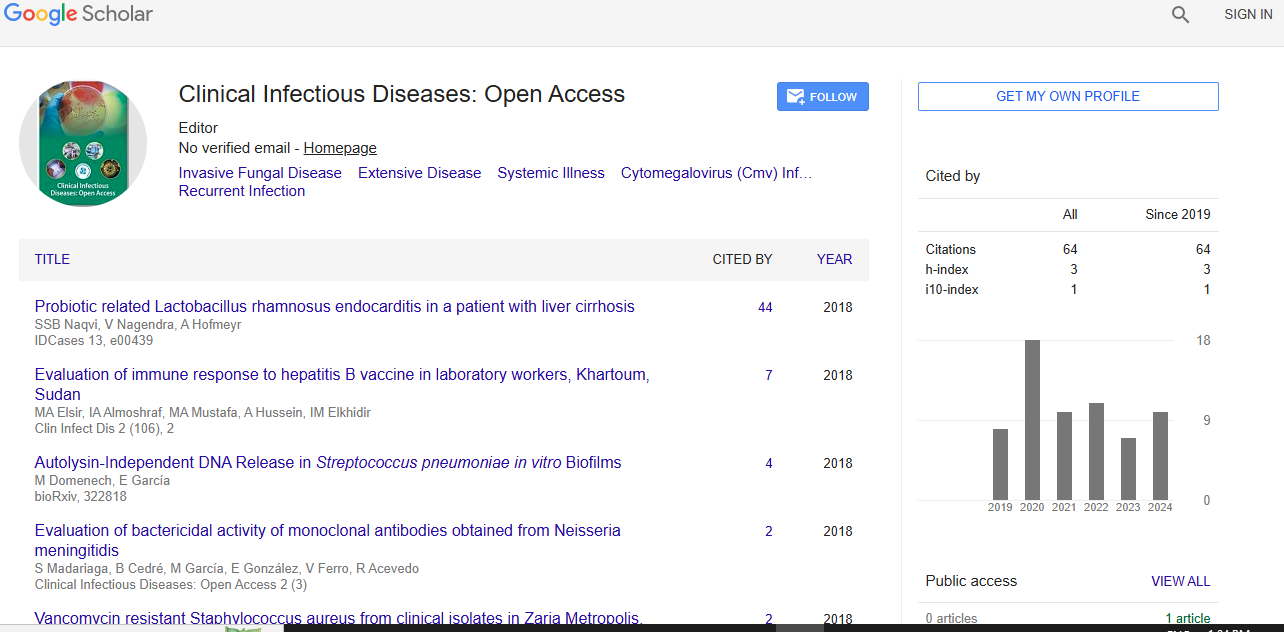
Clinical Infectious Diseases: Open Access received 1149 citations as per Google Scholar report