Research Article - (2026) Volume 11, Issue 2
Received: 26-Mar-2026, Manuscript No. apn-26-187060;
Editor assigned: 30-Mar-2026, Pre QC No. P-187060;
Reviewed: 09-Apr-2026, QC No. Q-187060;
Revised: 16-Apr-2026, Manuscript No. R-187060;
Published:
23-Apr-2026
, DOI: 10.5281/zenodo.19814719
Citation: Alanazi, Ahmed F. “The Ones Who Stay: Nurses’ Light in the Darkness of Mental Illness.” Adv Practice Nurs 11 (2026): 678.
Copyright: © 2026 Alanazi AF. This is an open-access article distributed under the terms of the Creative Commons Attribution License, which permits unrestricted use, distribution, and reproduction in any medium, provided the original author and source are credited.
Background: While extensive research exists on nurses in other medical specialties, psychiatric nursing, particularly caring for patients with persistent suicidal ideation, remains insufficiently explored. This paper used Qualitative Interpretive Meta-Synthesis (QIMS) to analyze five studies exploring nurses’ lived experiences in this setting. By adapting this method, the study synthesizes qualitative findings to reveal recurring emotional, ethical and operational challenges.
Method: QIMS helped uncovering collective themes and generates novel perspectives inform future research. An initial broad search presented a substantial number of studies, which were then systematically narrowed down to five key studies based on predefined research criteria. The researcher meticulously coded, synthesized and reviewed these studies to identify emerging themes, insights and compelling quotes. This in-depth analysis provided a comprehensive understanding of the data, revealing nuanced perspectives on nursing care for suicidal patients.
Results: The included studies helped the researcher synthesizing five themes: 1) Confronting Existential Struggles in Care: Suffering, Resilience and the Search for Meaning, 2) The Emotional Landscape of Care: Shared Vulnerability and Resilience, 3) Unwavering Dedication: The Heart of Caregiving, 4) Safety as the Foundation: Building Trust Through Secure Care and 5) Navigating the Storm: The Emotional Toll of Client Crises on Caregivers. Through these themes, nurses described feelings of grief, guilt and resilience, emphasizing the need for tailored coping strategies and institutional reforms to mitigate occupational stress. The findings also highlight the intersection of their personal vulnerability and professional dedication to their field.
Implications: The study’s findings address three critical needs: 1) filling the research gap on psychiatric nurses’ challenges, 2) highlighting urgent systemic supports needed amid rising global mental health demands and 3) guiding targeted interventions like resilience training and policy reforms to improve nurse well-being and patient care.
Qualitative Interpretive Meta-Synthesis (QIMS) • Psychiatric nurses • Mental health facilities • Suicide
Mental disorders extend far beyond clinical diagnoses, profoundly impacting individuals' lives through disrupted relationships, diminished occupational functioning and reduced quality of life [1]. These conditions affect populations globally without socioeconomic or demographic boundaries, frequently co-occurring with substance use disorders, interpersonal difficulties and significant emotional distress. Without proper treatment, mental disorders often get worse, making it hard for people to work, focus, or enjoy life [2]. But the most devastating consequence of untreated mental illness is suicide, an act born of despair, a last resort for those drowning in depression, trauma, or unbearable pain [3]. Nearly half of those who take their own lives are known to have struggled with mental illness, a chilling statistic that underscores the lethal intersection of psychological suffering and desperation [4]. Despite its prevalence, suicide remains shrouded in silence, a taboo met with societal avoidance, inadequate resources and a lack of awareness [5-7]. Studies reveal that 90% of suicide victims had a diagnosable mental health condition, most commonly depression, which increases suicide risk twentyfold [1]. Yet 60% of those struggling never receive treatment, hindered by stigma, cost, or lack of providers especially in underserved areas where psychiatric care is virtually nonexistent [8]. In the U.S. alone, suicide rates have surged by 36% since 2000, now claiming more lives than car accidents among teens and young adults. Despite these alarming trends, 80% of male suicides and disproportionately high rates among veterans and LGBTQ+ youth underscore how cultural silence and systemic gaps perpetuate this crisis. Each death costs society $1.3 million, but the human toll, families shattered, potential unrealized is immeasurable [9]. Yet behind every statistic lies a human story of silent suffering. Suicidal ideation does not emerge in a vacuum. It festers in the shadows of prolonged, unaddressed mental anguish, often unnoticed until it is too late [10]. Those most determined to die become the hardest to save, their plans concealed behind forced smiles or withdrawn silence [1, 9]. And when they are lost, the aftermath is a tidal wave of grief, guilt and trauma for those left behind, families, friends and caregivers burdened with unanswerable questions [11, 12]. Among the first lines of defense are nurses, whose constant presence and clinical vigilance place them at the forefront of suicide prevention [13, 14]. From admission to discharge, nurses monitor, assess and intervene to protect their patients from any invisible threats. Yet, even their watchful eyes cannot combat this crisis alone [15].
Nurses are routinely exposed to horrific and traumatic situations, enduring emotional distress, physical exertion and profound loss on a daily basis [16]. They do not merely treat patients; they form deep connections with them, sharing in their struggles, hopes, and, at times, their final moments. When a patient dies, nurses grieve not only for the life lost but for the relationship they built, one that often extended to the patient’s family members, who may have relied on the nurse for comfort and guidance [17]. The emotional weight of this responsibility is staggering. A nurse’s day can feel like riding a rollercoaster, with highs and lows that span the full spectrum of human experience. In a single shift, a nurse might feel profound gratitude after witnessing a patient’s recovery, only to be plunged into frustration by systemic inefficiencies or anger at a doctor’s dismissive attitude [8]. The emotional whiplash is relentless, yet nurses persevere, compartmentalizing their own feelings to provide unwavering care [10]. Nowhere is this emotional toll more evident than in psychiatric nursing. Nurses working in mental health facilities and psychiatric hospitals bear witness to some of the most harrowing human experiences imaginable [1]. They listen to patients recount trauma, abuse and despair, stories that would shake most people to their core. But, psychiatric nurses are not confined to hospitals. Many work as home-visit nurses, traveling to care for patients who lack other support systems. These nurses provide everything from basic needs, such as hygiene assistance and meal preparation, to complex medical interventions like medication administration, wound care and emergency response [18]. Their work is unpredictable; one home visit might involve comforting a lonely elderly patient, while the next could require de-escalating a violent outburst from someone in psychosis. The isolation of home care adds another layer of stress, as these nurses often work alone, without the immediate backup of a hospital team [19].
Despite these challenges, nursing remains one of the most rewarding professions in healthcare. It is consistently ranked as one of the most trusted and respected careers, offering job security, competitive salaries and the unparalleled satisfaction of making a tangible difference in people’s lives [3]. Many nurses describe their work as a vocation rather than just a job, driven by a deep sense of purpose. Yet, this sense of fulfillment does not negate the immense occupational stress that comes with the role. Nurses experience clinical depression at twice the rate of the general population [13]. While depression affects approximately 9% of the public, studies show that 18% of nurses report symptoms of depression, a staggering disparity [20]. Anxiety is equally pervasive, manifesting in nervousness, restlessness, fatigue, difficulty concentrating and even panic attacks [19]. The reasons behind nurse burnout are multifaceted, but research consistently points to systemic failures. Studies show that burnout is closely linked to unsupportive management, inadequate training programs and a lack of continuing education for staff working with high-risk patients [21]. Excessive paperwork, often a byproduct of bureaucratic healthcare systems, further drains nurses’ energy, leaving them with less time for actual patient care. Staff shortages compound the problem which worsened when COVID-19 hit, forcing nurses to take on heavier workloads with fewer resources. Violence in healthcare settings is another critical issue.
Psychiatric nurses frequently encounter verbally and physically aggressive patients, with studies reporting a rise in workplace assaults [22]. These traumatic encounters contribute to higher burnout rates, as nurses struggle to reconcile their commitment to care with the very real risks they face [23]. The stressors of nursing do not disappear at the end of a shift. Many nurses carry their work home, grappling with emotional residue from difficult cases. Personal life can further complicate matters, financial stress, marital conflicts and parenting responsibilities all compete for a nurse’s already depleted energy [24, 25]. The emotional labor of nursing leaves little room for self-care, creating a vicious cycle where nurses pour into others while neglecting their own mental health [4].
Objective
Psychiatric nursing is one of the toughest but most overlooked jobs in healthcare. These nurses face unique challenges that go beyond normal stress, deeply affecting their emotions and mental health. This paper explores their daily struggles, focusing on four key issues: the emotional toll of crisis care, the long-term impact of repeated trauma, how workplace conditions add to their stress and the coping strategies that help them keep going. Understanding these challenges is crucial because psychiatric nurses play a vital role in mental health care, yet their needs are often ignored. As mental health demands grow worldwide, supporting these nurses better can improve both patient care and their own well-being. The study uses interviews and personal stories to uncover the real experiences of psychiatric nurses, giving voice to struggles that often go unseen.
The QIMS approach was designed to build collective understanding by contributing to an evolving 'web of knowledge' [26]. At its core, this method is interpretive, focusing on qualitative meaning rather than numerical data, while its meta dimension broadens perspectives by examining patterns across studies. Through synthesis, it weaves these diverse findings into coherent insights, creating a structured yet flexible framework for examining complex human experiences in systems, workplaces and communities. Central to this process is the PI, whose role is critical in clarifying the broader context of the research topic and its relationships. The PI’s interpretive lens ensures that often-overlooked impacts, particularly those affecting caregivers, are rigorously examined and integrated into the synthesized knowledge.
Research question
What are the lived experiences of psychiatric nurses caring for patients with persistent suicidal ideation and how do these experiences impact their emotional wellbeing, professional practice and the quality of patient care?
PI Note: As both, a mental health provider and someone personally touched by loss, I understand how profoundly suicide reshapes lives. In my professional experience, I've witnessed the devastation nurses endure when losing patients they've cared for, heartbreak that lingers long after shifts end. But this issue becomes painfully real when it enters your personal world. I’ve lost two clients and a dear friend to suicide, moments that shattered the illusion so many cling to, the belief that suicide is something we talk about but never truly face. When that illusion breaks, the world no longer feels as safe. Suddenly, the abstract becomes agonizingly concrete. Suicide stops being a statistic or a case study; it becomes empty chairs at dinner tables, unanswered text messages and grief that changes you forever. This dual perspective informs my approach to this paper. I write not just as a researcher, but as an insider who understands how suicide ripples through families, leaving behind pain, guilt and questions that have no easy answers.
Sampling: The PI initiated the research by conducting comprehensive searches across multiple academic databases utilizing search terms on four key elements: psychiatric/mental health nurses, suicide-related experiences (ideation, attempts and completions), qualitative research methodologies and various mental health care settings. The PI systematically reviewed five major databases, Nursing Abstracts, Medline, Psychology and Behavioral Sciences, EBSCOhost and JSTOR, applying inclusion criteria limited to peer-reviewed English studies from 2010-2025 containing face-to-face interview data. From an initial pool of 714 identified studies, sequential screening reduced this to 268 potentially relevant articles. The PI then carefully evaluated these for substantive qualitative data, particularly the presence of direct participant quotations and rich thematic content, resulting in 22 high-quality studies. Through rigorous final assessment, the PI selected five exemplary papers that not only met all methodological criteria but also offered particularly vivid, insightful narratives directly addressing the research question. The initial database searches identified 714 potential records. After removing 309 duplicates and 137 records flagged as ineligible by automated tools, 268 studies underwent full screening. Rigorous evaluation based on predefined inclusion criteria further narrowed the selection to 22 studies for eligibility assessment. Following careful review of methodology and content, the final analysis incorporated 5 high-quality qualitative studies that best addressed the research objectives (Figure 1).
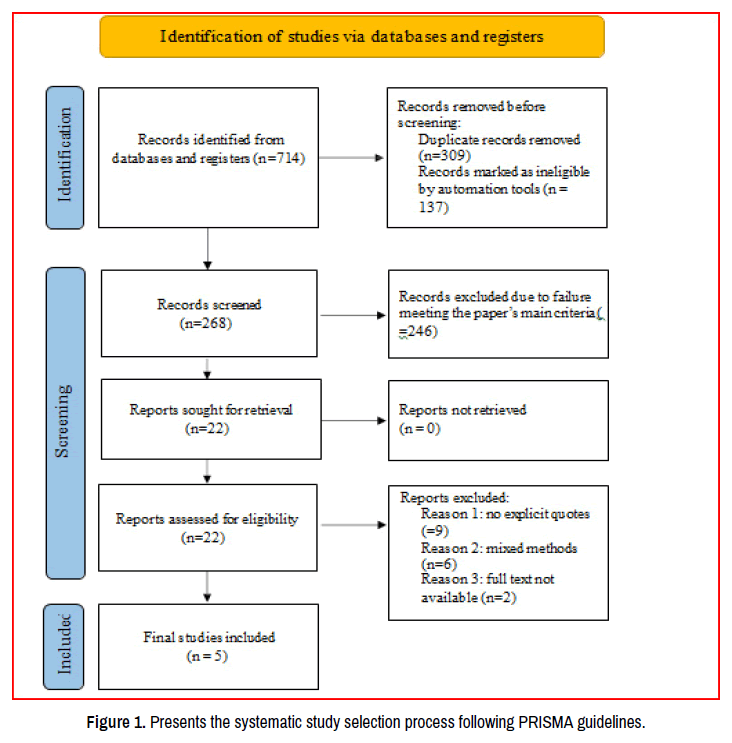
Figure 1. Presents the systematic study selection process following PRISMA guidelines.
Themes Extraction: Quotes were obtained directly from the included studies and transferred into a word file along with each study's main information. The analysis began with the PI immersing himself in the quotations before conducting initial coding. During theme identification, the PI observed a recurrent pattern of constructs consistent with existential thought. As a result, a Directed Content Analysis (DCA) was utilized to frame the manifest content of the texts. In line with DCA best practices, theoretical categories were objectively and accurately established using predefined categorical definitions [8]. Descriptions for the categorical constructs of ultimate concerns were drawn from their seminal work. To enhance rigor and minimize bias, the PI invited an independent nurse (who received compensation for their analytical contributions) to refine interpretations of emerging concepts and metaphors from participant quotations. This collaborative review process strengthened thematic development through iterative dialogue and external validation of coding decisions. NVivo software was used for coding and organizing themes, ensuring consistency in analysis. During theme synthesis, the PI, in collaboration with the assistant, developed a unified interpretation of the themes, translating nurses’ lived experiences through the lens of existential ultimate concerns following DCA. After analyzing the results from each study, the PI refined the initial 15 themes into 5 synthesized themes to enhance clarity and accessibility for the audience. This consolidation was carefully executed to ensure that the final themes fully captured the depth and meaning of the original findings. Through rigorous comparison and iterative review, the PI verified that the 5 distilled themes comprehensively represented the essence of all 15 preliminary themes, preserving their significance while delivering a more streamlined interpretation (Table 1).
| Author/s publication year | Title | Qualitative and collection method | Age, race and gender | Sample size |
|---|---|---|---|---|
| Leila Jansson, 2018 | Experiences of Assessing Suicide Risk in Specialized Mental Health Outpatient Care in Rural Areas. | Interview. Descriptive design using an inductive approach. | Various ages & all genders. | 12 |
| Hafford-Letchfield.2018. | He just gave up: Anexploratory study into theperspectives of paid careers on supporting older people living in care homes with depression, self-harm and suicide ideation and behaviors. | Co-produced qualitative study using inductive approach. | Various ages & all genders. | 33 |
| Julia Hagen. 2017. | Relational Principles in theCare of Suicidal Inpatients:Experiences of Therapistsand Mental Health Nurses. | Semi-structured individual interviews. | Ages between 28-60. Three women, fivemen. Various racial/ethnic groups. | 8 |
| Joeri Vandewalle,2019 | Contact and communicationwith patients experiencingsuicidal ideation: Aqualitative study of nurses’perspectives. | Face-to-face interview. | Ages between 18-35 & all genders. | 19 |
| Julia Hagen,2017 |
Mental Health Nurses'Experiences of Caring forSuicidal Patients inPsychiatric Wards: AnEmotional Endeavor. | Face-to-face interview. | Ages between 43-60 & all genders. | 8 |
Table 1. Summary of the included studies.
Triangulation: This study utilized methodological triangulation to enhance the credibility and depth of findings through multiple verification strategies. First, data source triangulation was achieved by analyzing five qualitative studies from four countries (U.S., U.K., Norway, Sweden), capturing diverse cultural and clinical perspectives on psychiatric nursing. Second, investigator triangulation involved collaboration between the primary researcher and an independent nurse reviewer, who cross-validated coding decisions and thematic interpretations to minimize bias. The nurse’s compensated participation ensured dedicated engagement with the analytical process (Table 2).
| Studies’ Titles | Original Themes |
|---|---|
| Experiences of Assessing Suicide Risk in Specialized Mental Health Outpatient Care Old in Rural Areas. | Ambivalent messages |
| Old beliefs and myths | |
| Experiencing and intuition as a resource | |
| Agreement and routine for better not worse | |
| He just gave up: An explanatory study into the perspectives of paid careers on supporting older people living in care homes with depression, self-harm and suicide ideation and behavior. | The meaning of giving up: Recognition and understanding |
| Depression, self-harm and suicide in care homes. | |
| Valuing staff contribution: Combatting prejudice. | |
| Relational Principles in the Care of Suicidal Inpatients: Experiences of Therapists and Mental Health Nurse. | Connection and care. |
| Duty and control. | |
| Contact and communication with patients experiencing suicidal ideation: A qualitative study from a nurses perspective. | Creating avenues to patients experiencing SI. |
| Creating a safe atmosphere to talk about suicidality | |
| Valuing staff contribution: Combatting prejudice. | |
| Mental health Nurses’ Experiences of Caring For Suicidal Patients in Psychiatric Wards: An Emotional Endeavor. | Alternatives to suicidal cues. |
| Emotions evoked by suicidal and suicidal acts. | |
| Regulation of emotions and emotional expressions. |
Table 2. The original themes extracted from the studies.
Third, theoretical triangulation integrated existential frameworks (e.g., meaning- making in caregiving) with empirical data, allowing themes to emerge both inductively and deductively. Finally, methodological consistency was maintained by using NVivo for systematic coding while preserving the richness of nurses’ direct quotes. These overlapping verification layers strengthen the study’s validity, ensuring the synthesized themes authentically reflect nurses’ lived experiences across contexts. By aligning multiple perspectives, geographic, disciplinary and analytical, this approach mitigates the limitations of individual studies and reinforces the robustness of the meta-synthesis.
The PI organized the findings into clear themes that reveal how caregivers face tough questions about life and death, manage strong emotions in their work and show deep commitment to their patients. The quotes highlight how safety and trust form the foundation of good care, while also showing how dealing with crises affects caregivers themselves. Through these responses, we see both the challenges of caregiving and the remarkable strength it requires.
Presentation of Content
In accordance with ethical research practices, all personally identifiable information has been anonymized. Direct quotes from participants are cited using study reference numbers only (e.g., [5]), with no names, locations, or other identifying details included.
Theme 1: Confronting Existential Struggles in Care: Suffering, Resilience and the Search for Meaning. Care work at its most profound level involves confronting fundamental human questions of suffering, purpose and mortality. This theme reveals how nurses navigate the tension between their professional commitment and the existential realities of working with vulnerable populations. Through their experiences, we see how they construct meaning amidst situations that challenge the boundaries of human control and professional responsibility. The following statement reveals a mature perspective on suicide prevention, fully committing to protocols while accepting that some outcomes remain beyond control.
“Once I have done a suicide risk assessment, I feel that I have done everything in my power. And if something still happens, it is not because I have failed but rather that some things are impossible to foresee, affect, or prevent.” [5]. While the first nurse found peace in accepting the limits of prevention, the following response reveals how another caregiver transformed personal doubt into professional growth. This practitioner reflects on a painful learning experience, one that reshaped their entire approach to suicide risk: “In some way, I had worked some years and so … maybe I missed all the clear signs … I believe however, due to this event … I have become more aware and focused more on suicide risk assessments. After what happened it has become like a reflex.” [5].
Theme 2: The Emotional Landscape of Care: Shared Vulnerability and Resilience. Caregiving exists in a space where profound emotional connections intersect with immense professional challenges. This theme explores the dual realities of vulnerability and resilience that define the caregiver-client relationship. Through the following response, we see how caregivers and clients mutually shape each other’s emotional worlds, moments of doubt, growth and unexpected strength revealing a shared human experience. “They tend to not say so much that they are giving up, but you notice that they start to give up. You know they’ll eat less and less and less until they’ve not eaten anything and then they’ll stop talking and then just things like that until eventually they do pass on.” [26]. While some patients express their surrender through silent withdrawal, others articulate their despair with striking clarity, as seen in this nurse’s account of a patient who rationalizes his own death as an act of financial pragmatism: “what he normally says he thinks life is no more worth living. He is thinking wasted and he rather would die and leave the money to the family...So what says to me, I’m not going to get better, so why don’t I die now and save the money for the loved ones, yeah” [26].
Theme 3: Unwavering Dedication: The Heart of Caregiving. This theme captures the profound commitment that drives caregivers to go beyond duty, working extra hours, advocating tirelessly and providing emotional solace even in impossible situations. It reveals how deep compassion persists despite burnout risks, showing caregiving's core truth: its greatest strength lies in the vulnerable, human choice to care "too much." These stories highlight the quiet sacrifices that sustain both patients and caregivers through medicine's hardest moments. The following response reveals that effective care requires both medical expertise and human connection. While accurate diagnosis and treatment address the biological aspects of illness, it's the therapeutic relationship that gives patients the hope and trust needed to fully engage in their recovery. The clinician-patient bond acts as a catalyst, transforming evidence-based interventions from abstract protocols into personally meaningful healing processes. “A relationship keeps people alive. That is not enough, you have to be able to assign a correct diagnosis and implement effective treatment for the underlying disorder. But the relationship makes them believe, I think, that you will and can help them. And then they give themselves the time it takes for the other [treatment] to work” [27]. However, another response shows the nurse's ethical approach to acute psychiatric care, balancing immediate safety protocols with respect for patient autonomy. While acknowledging patient frustration with intensive monitoring, the nurse justifies these temporary measures as necessary to preserve life during crisis periods, emphasizing that such interventions allow patients to later exercise meaningful self-determination. The statement reflects a crucial distinction between safeguarding immediate survival ("keep you alive until you overcome the crisis") and honoring ultimate personal agency ("people own their own life"), framing restrictive care as preserving - rather than denying - future autonomy. This perspective demonstrates how clinical responsibility and patient rights can coexist in high-risk situations. “…as long as they are in this ward and that is what I have said to some people too, who gets pissed off at this 100% follow-up and such, that it is a part-actually a part of my job is to keep you alive until you overcome the crisis you are in now and then you can make a decision on that afterwards, what you are going to do with your life. Yes…Because people own their own life, they do. But my job is to keep people alive” [27].
Theme 4: Safety as the Foundation: Building Trust Through Secure Care. This theme underscores how physical and emotional safety forms the essential basis for effective care. It highlights the critical role of consistent, trauma-informed safety measures in fostering patient trust, demonstrating that only when individuals feel truly secure can therapeutic relationships and meaningful healing begin. The theme explores how caregivers balance protective protocols with compassionate presence to create environments where vulnerability can safely emerge. The response demonstrates a caregiver's dedication to providing emotional support through intentional presence and companionship. Recognizing that some patients struggle to initiate contact, the caregiver takes the initiative to regularly check in, offering stability through their reliable availability. This approach emphasizes the therapeutic power of simply being with someone in their distress, creating a sense of safety and connection that vulnerable individuals can depend on. The description of being someone to hold on to illustrates how these moments of human connection serve as psychological anchors during difficult times. This perspective highlights how fundamental, non-technical aspects of care, like showing up and bearing witness -can be just as valuable as formal interventions in supporting those in crisis. “If they cannot come to me, then I go regularly to patients myself. Just to be there with them. Sometimes it helps people when you sit down moment with them and they know ‘someone is there, someone I can hold on to” [28].
This response illustrates a clinician's direct yet compassionate approach to suicide risk assessment. The caregiver demonstrates professional competence by immediately addressing suicidal ideation with clear, clinically relevant questions that escalate in specificity from general thoughts to concrete plans. This transparent communication style serves dual purposes: it gathers critical safety information while modeling open dialogue about distressing topics. The matter-of-fact tone ("discuss straightaway") suggests a normalization of these difficult conversations, reducing stigma and encouraging honest disclosure. This approach balances clinical urgency with human connection, treating suicide prevention as both a technical responsibility and an opportunity for therapeutic engagement. “I am surely going to say to a person; ‘You have suicidal thoughts, how must I interpret this? ‘ ‘Do you have plans yet? ‘Have you written any farewell letters? ‘These are things that I discuss straightaway with people” [28].
Theme 5: Navigating the Storm: The Emotional Toll of Client Crises on Caregivers. This theme explores the profound emotional impact on caregivers who regularly support clients in crisis. It reveals how repeated exposure to trauma, suicidality and extreme distress creates a cumulative psychological burden, blurring professional boundaries while demanding extraordinary resilience. The metaphor of "navigating the storm" captures the dual challenge caregivers face: maintaining clinical competence amidst chaotic situations while privately managing their own fear, grief and vulnerability. Through firsthand accounts, the theme documents both the costs (secondary trauma, moral distress) and unexpected growth (deeper empathy, refined crisis skills) that emerge from this emotionally intense work. Ultimately, it calls for systemic recognition of caregivers' emotional labor and better support structures for those who steady others through life's darkest moments. The following response highlights the caregiver's crucial role in modeling stability during mental health crises. The participant emphasizes the need to project calm confidence when supporting individuals in acute distress, serving as an emotional anchor amid turmoil. Importantly, they acknowledge the delicate balance required, maintaining professional composure to contain the patient's crisis while internally processing difficult disclosures like suicidal ideation. The phrase "endure hearing" reveals the emotional labor involved in calmly receiving traumatic statements without becoming overwhelmed. This perspective underscores crisis care as both a clinical skill and an exercise in emotional regulation, where caregivers must manage their own reactions to effectively support vulnerable patients.
“Yes, it is about being the calm and confident one. (…) We represent, or in my opinion should represent, when someone in a deep crisis is admitted and then someone in the surroundings has to stay calm and steady. And appear like confident then. (…) You must be aware of it so that the patient's crisis does not color [affect] you so much that you are at a loss, but that you're able to be there and endure hearing that someone says ‘yes, I want to die. I don't want to live”. Nevertheless, the next response captures a caregiver's recognition of their emotional limits after prolonged exposure to patient crises. The interviewee requests temporary role changes to recover from the cumulative stress of suicide interventions, demonstrating self-awareness and sustainable approach to trauma work. Their need to "collect myself" highlights both the emotional toll of crisis care and the importance of institutional support for staff wellbeing“…if one has been in that kind of pressure with several patients[engaging in suicidal acts/self-harm] over several weeks and that-that one somehow feels that now I need a break, if it could be possible that I work with another kind of issue now, then I prefer that for a few days to kind of collect myself a little again”.
The findings presented in this section reveal the profound and complex reality of caregiving for vulnerable populations. They capture a world where professional duty meets deep human vulnerability, illustrating how caregivers navigate the tension between clinical protocols and the raw, emotional experiences of life, suffering and death. Across their stories, a central truth emerges: effective care is built on a foundation of trust and human connection. It requires the strength to sit with someone in their darkest moments, the awareness to know the limits of intervention and the resilience to manage the personal cost of such demanding work. The results highlight that caregiving is not merely a set of technical tasks but a deeply relational practice, one that demands emotional fortitude and a commitment to preserving the dignity and autonomy of every patient. Ultimately, these voices underscore the essential, often invisible, labor of caregivers who must remain a steady presence in the storm, balancing the need to protect life with the profound responsibility of simply bearing witness to it.
Psychiatric nursing, particularly in the context of suicide prevention, represents one of the most emotionally and professionally demanding specialties in healthcare. The synthesized themes, ranging from existential struggles to the emotional toll of client crises, paint a vivid picture of a workforce operating at the edge of human endurance, often without adequate institutional support (Table 3). These findings underscore the urgent need for systemic reforms to address burnout, improve workplace conditions and recognize the unique contributions of psychiatric nurses in mental healthcare. Furthermore, one of the most striking revelations of this study is the existential burden carried by psychiatric nurses. For example, the theme Confronting Existential Struggles in Care, nurses openly shared their emotional turmoil when witnessing profound suffering, yet many spoke of finding purpose in "being the calm within their patients’ storms." Their responses in The Emotional Landscape of Care revealed a delicate balance, they described moments of deep connection with patients that fueled their compassion, but also admitted to "carrying home the weight" of unresolved grief. When reflecting on Unwavering Dedication, their words echoed a quiet resolve, with phrases like, "You don’t walk away because someone’s pain is messy." For Safety as the Foundation, nurses emphasized practical concerns, like consistent protocols and nonjudgmental spaces, as vital to their ability to trust and intervene effectively. Finally, Navigating the Storm laid bare their rawest challenges: sleepless nights replaying crises, but also adaptive strategies like peer support groups that helped them "breathe through the chaos."
| Studies’ Title | The Researcher’s Synthesized Themes |
|---|---|
| Experiences of Assessing Suicide Risk in Specialized Mental Health Outpatient Care Old in Rural Areas. | Confronting Existential Struggles in Care: Suffering, Resilience, and the Search for Meaning. |
| He just gave up: An explanatory study into the perspectives of paid careers on supporting older people living in care homes with depression, self-harm and suicide ideation and behavior. | The Emotional Landscape of Care: Shared Vulnerability and Resilience. |
| Relational Principles in the Care of Suicidal Inpatients: Experiences of Therapists and Mental Health Nurse. | Unwavering Dedication: The Heart of Caregiving. |
| Contact and communication with patients experiencing suicidal ideation: A qualitative study from a nurse’s perspective. | Safety as the Foundation: Building Trust through Secure Care. |
| Mental health Nurses’ Experiences of Caring For Suicidal Patients in Psychiatric Wards: An Emotional Endeavor. | 1- Navigating the Storm: The Emotional Toll of Client Crises on Caregivers. |
Table 3. The researcher’s synthesized themes.
This study offers some strength, including the use of QIMS methodology to synthesize diverse qualitative studies into a cohesive interpretation. By incorporating research from multiple countries, the findings provide a broad yet nuanced understanding of psychiatric nurses' experiences. The inclusion of direct quotes from nurses adds depth and authenticity to the themes, ensuring that their voices remain central to the discussion. Additionally, the rigorous selection process and triangulation of sources enhance the credibility of the results. However, the study is not without limitations. The reliance on existing qualitative studies means that the findings are constrained by the scope and focus of the original research. For instance, cultural differences in nursing practices or healthcare systems may not be fully captured, limiting the generalizability of the results. The small sample size of five studies, while carefully selected, may also exclude perspectives from underrepresented regions or settings. Furthermore, the interpretive nature of QIMS introduces the potential for researcher bias, despite efforts to mitigate this through independent review and thematic validation. Another limitation is the lack of longitudinal data, which could provide insights into how nurses' experiences evolve over time. The study also does not explore the impact of organizational policies or institutional support in depth, leaving room for future research to examine these factors more closely. Despite these limitations, the study offers valuable insights into the emotional and professional realities of psychiatric nursing, laying the groundwork for further investigation.
The nurses in this study, the ones who show up every day for people who want to die, are not built differently. They're just people. They cry. They lose sleep. They second-guess themselves. They carry patients with them long after shifts end, wondering if they could have done more, said something different, noticed the signs earlier. Some of them have lost patients to suicide. Some have lost more than one. And after each loss, they have to get up and do it all over again, because someone else needs them. What struck me most was how they talked about their work. Not as a job, but as something closer to a calling. They used words like privilege and honor when describing the moments they sat with someone in their darkest hour. They talked about patients like family, about grief that hits just as hard, about celebrations when someone turns a corner. One nurse said that a relationship keeps people alive. Not medication alone. Not protocols. Another said their job is simply to keep you alive until you overcome the crisis you're in, because people own their own lives. They understand that they can't save everyone. But they also understand that they have to try anyway.
And yet, here's the hard truth nobody wants to say out loud: we are burning these people out. We keep asking them to do more with less. More patients, more paperwork, more violence on the units, more trauma, more grief. And when they break, when the depression hits or the anxiety won't stop or they just can't feel anything anymore, we act surprised. We offer them a hotline number and send them back to the floor. We treat their pain like it's their own personal failing, not a predictable outcome of a broken system. These nurses weren’t asking for much. They wanted enough staff on shift so they could breathe. They wanted someone to say that must have been hard and actually mean it. They wanted a place to process what they carry, without being told they're too sensitive or not cut out for the work. They wanted to be seen the way they see their patients as human. As worthy of care. So maybe that's where we start. Not with big policy speeches or fancy programs. Just with the simple act of seeing them. Of admitting that the people who sit with suffering deserve someone to sit with them too. Of building workplaces where it's okay to say I'm struggling, where asking for help isn't seen as weakness, where grief has a place to go instead of just piling up inside. Because here's the thing. Mental healthcare doesn't run on medicine or machines. It runs on people. On their hearts and their patience and their willingness to stay in the room when everything in them wants to run. And if we keep breaking those people, if we keep expecting them to pour from empty cups, there won't be anyone left to sit with us when we're the ones who can't see a way out. These nurses are the ones who stay. The ones who hold on when everyone else has let go. The least we can do is hold on to them.
I would like to express my sincere gratitude to the nurses who participated in the studies included in this meta-synthesis. Their willingness to share their deeply personal experiences, the joys, sorrows and struggles of caring for patients with suicidal ideation, made this work possible. Their voices are the foundation upon which this paper is built. I am also grateful to the independent nurse reviewer whose thoughtful insights and collaboration strengthened the thematic analysis. I also thank the researchers whose original work formed the basis of this synthesis; their efforts captured the real experiences of psychiatric nurses across different settings, helping us better understand this vital yet often overlooked field of care. To that end, this work was conducted independently, with no affiliations or involvements that might bias the findings.
None.
Google Scholar, Cross Ref, Indexed at
Google Scholar, Cross Ref, Indexed at
Google Scholar, Cross Ref, Indexed at
Google Scholar, Cross Ref, Indexed at
Google Scholar, Cross Ref, Indexed at
Google Scholar, Cross Ref, Indexed at
Google Scholar, Cross Ref, Indexed at
Google Scholar, Cross Ref, Indexed at
Google Scholar, Cross Ref, Indexed at
Google Scholar, Cross Ref, Indexed at
Google Scholar, Cross Ref, Indexed at
Google Scholar, Cross Ref, Indexed at
Google Scholar, Cross Ref, Indexed at
Google Scholar, Cross Ref, Indexed at
Google Scholar, Cross Ref, Indexed at
Google Scholar, Cross Ref, Indexed at
Google Scholar, Cross Ref, Indexed at
Google Scholar, Cross Ref, Indexed at
Journal of Advanced Practices in Nursing received 410 citations as per Google Scholar report