Perspective - (2025) Volume 13, Issue 2
Received: 01-Apr-2025, Manuscript No. jaat-26-183149;
Editor assigned: 03-Apr-2025, Pre QC No. P-183149;
Reviewed: 17-Apr-2025, QC No. Q-183149;
Revised: 22-Apr-2025, Manuscript No. R-183149;
Published:
29-Apr-2025
, DOI: 10.37421/2329-6542.2025.13.348
Citation: Eklund, Lars. ”Simulating Cosmic Evolution: Methods, Models, and Research.” J Astrophys Aerospace Technol 13 (2025):348.
Copyright: © 2025 Eklund L. This is an open-access article distributed under the terms of the Creative Commons Attribution License, which permits unrestricted use, distribution and reproduction in any medium, provided the original author and source are credited.
Computational astrophysics represents a cornerstone in our endeavor to comprehend the grand narrative of cosmic evolution, particularly as it unfolds across immense spatial scales. The power of numerical simulations allows us to meticulously model the intricate processes that govern the formation and development of vast cosmic structures such as galaxies and galaxy clusters, with gravity and baryonic physics acting as the primary sculptors. These simulations are instrumental in tackling the complexities of phenomena like the formation of dark matter halos, the intricate tapestry of the cosmic web, and the dynamic interplay between gas dynamics, the birth of stars, and feedback mechanisms. The relentless pursuit of enhanced accuracy and resolution in these simulations is continuously pushing the boundaries of our understanding, yielding deeper insights into the fundamental parameters that define our universe, including the enigmatic nature of dark matter and dark energy. Such groundbreaking research is actively pursued at leading institutions, including KTH's Department of Space Engineering, where the forefront of computational resources are harnessed to unravel these cosmic mysteries [1].
Equally vital are high-resolution cosmological simulations, which are indispensable for resolving the fine-grained structures that reside within dark matter halos, structures that are of paramount importance for deciphering the processes of galaxy formation. These simulations frequently integrate sophisticated models that capture the nuances of baryonic physics, encompassing hydrodynamics, radiative transfer, and the crucial influence of stellar feedback. The inherent challenge lies in the accurate representation of multi-scale physics, spanning from the vast cosmic web down to the delicate nuances of individual star-forming regions. Significant advancements in both algorithms and computational capacity are enabling increasingly faithful and realistic portrayals of these complex physical interactions [2].
The large-scale architecture of the universe, characterized by the emergent cosmic web composed of filaments, voids, and clusters, stands as a direct testament to the gravitational evolution of initial density fluctuations. Cosmological simulations are indispensable tools for not only replicating this observed cosmic architecture but also for rigorously testing various cosmological models. Specifically, the intricate interplay between dark matter and baryonic matter is the decisive factor in shaping the formation and defining the properties of galaxies within this cosmological framework. The fidelity of these simulations is contingent upon the accurate incorporation of fundamental physics and the availability of substantial computational resources [3].
Dark energy and dark matter, the prevailing constituents of the universe, exert a profound influence on the formation of large-scale structures, a phenomenon that is a central focus of cosmological simulations. These simulations meticulously explore how the universe's expansion rate and the clustering behavior of matter are intricately shaped by these elusive components. Through the critical comparison of simulation predictions against a wealth of observational data, including measurements from the cosmic microwave background and extensive galaxy surveys, cosmologists are empowered to place stringent constraints on the fundamental properties of dark energy and dark matter [4].
The intricate processes of galaxy formation and evolution are inextricably bound to the characteristics of their host dark matter halos and the broader cosmic environment in which they reside. Computational astrophysics plays a pivotal role in simulating these complex phenomena, thereby enabling researchers to rigorously test a diverse array of models pertaining to star formation, feedback mechanisms, and the dynamics of galaxy mergers. It is highly probable that the Department of Space Engineering at KTH leverages these sophisticated simulations to investigate the wide spectrum of observed galaxy properties and to elucidate their underlying origins [5].
The formation of the cosmic web, which describes the large-scale distribution of matter throughout the universe, is a fundamental prediction derived from the standard cosmological model. Hydrodynamical simulations are crucial for achieving a deep understanding of how gravity, acting upon initial density fluctuations and coupled with the intricacies of baryonic physics, meticulously sculpts this complex and vast structure. These simulations effectively illuminate the multifaceted interactions between dark matter and gas, and critically, their collective role in the hierarchical assembly of cosmic structures [6].
Numerical methodologies and algorithms form the foundational bedrock of computational astrophysics. The development of efficient and precise techniques for solving the complex governing equations of gravity, hydrodynamics, and radiative transfer is of paramount importance for the successful execution of large-scale simulations. This encompasses ongoing advancements in N-body methods, grid-based codes, and particle-mesh techniques. The Department of Space Engineering would undoubtedly be deeply involved in the implementation and meticulous optimization of these advanced methods on cutting-edge high-performance computing architectures [7].
The comprehensive study of structure formation across all discernible scales necessitates sophisticated modeling that accurately captures the intricate interplay between dark matter, gas, and stars. Large-scale cosmological simulations are specifically designed to encompass this complex cosmic evolution, tracing its trajectory from the nascent stages of the early universe through to the present epoch. These simulations provide an essential framework for the rigorous testing of cosmological models and for gaining a profound understanding of the physical processes that govern the formation of galaxies and galaxy clusters, frequently leveraging the immense power of supercomputing facilities [8].
Comprehending the epoch of reionization, a pivotal era when the universe's first stars and galaxies began the process of ionizing the prevalent neutral hydrogen, represents a primary objective of contemporary cosmology. Large-scale simulations are absolutely indispensable for modeling this intricate process, which involves the critical feedback effects originating from early luminous sources and the dynamic propagation of ionization fronts. These simulations are vital for the accurate interpretation of observational data acquired from advanced telescopes such as the James Webb Space Telescope [9].
The formation and subsequent evolution of galaxy clusters, recognized as the most massive gravitationally bound structures within the observable universe, constitute prime targets for the application of large-scale cosmological simulations. These simulations delve into the mechanisms by which clusters assemble hierarchically, the critical role dark matter plays in their dynamical behavior, and the baryonic physics that governs both the hot intracluster medium and the populations of galaxies contained within these colossal structures. This line of research directly informs and refines our fundamental understanding of cosmology and astrophysics [10].
Computational astrophysics serves as a critical discipline for unraveling the complex tapestry of cosmic evolution, with a particular emphasis on phenomena occurring at vast cosmological distances. The utilization of numerical simulations provides an unparalleled avenue for modeling the formation and subsequent development of large-scale structures, including galaxies and galaxy clusters, which are primarily governed by the forces of gravity and the principles of baryonic physics. These sophisticated simulations are adept at addressing intricate phenomena such as the formation of dark matter halos, the development of the cosmic web, and the dynamic interplay between gas dynamics, star formation, and feedback processes. Continuous advancements in the accuracy and resolution of these simulations are consistently yielding deeper insights into the fundamental parameters that characterize our universe, as well as shedding light on the nature of dark matter and dark energy. This specialized field of research is often undertaken at esteemed institutions, such as KTH's Department of Space Engineering, where the most advanced computational resources are employed for these investigations [1].
High-resolution cosmological simulations are indispensable for their capacity to resolve the fine-scale structures found within dark matter halos, which are of critical importance for understanding the processes of galaxy formation. These simulations routinely incorporate advanced models for baryonic physics, including detailed hydrodynamics, radiative transfer, and the significant impact of stellar feedback. The primary challenge lies in accurately capturing the multi-scale physics involved, ranging from the expansive cosmic web down to the localized regions where stars are actively forming. Progress in algorithms and the ever-increasing availability of computational power are enabling the creation of increasingly realistic representations of these astrophysical processes [2].
The large-scale structure of the universe, often described as the cosmic web and characterized by its network of filaments, voids, and clusters, is a direct consequence of the gravitational evolution of initial density fluctuations. Cosmological simulations are invaluable tools for both reproducing this observed cosmic structure and for testing the validity of different cosmological models. Specifically, the interplay between dark matter and baryonic matter dictates the formation and characteristics of galaxies within this overarching framework. The accuracy of these simulations is directly dependent on the precise incorporation of fundamental physics and the availability of sufficient computational power [3].
Dark energy and dark matter are identified as the dominant constituents of the universe, and their influence on the formation of large-scale structures is a primary objective of cosmological simulations. These simulations aim to elucidate how the expansion rate of the universe and the clustering behavior of matter are shaped by these enigmatic components. By meticulously comparing the predictions generated by these simulations with observational data, such as that from the cosmic microwave background and large galaxy surveys, cosmologists are able to place significant constraints on the properties of dark energy and dark matter [4].
Galaxy formation and evolution are intrinsically linked to the properties of their host dark matter halos and the surrounding cosmic environment. Computational astrophysics plays a pivotal role in simulating these complex processes, allowing researchers to rigorously test various theoretical models concerning star formation, feedback mechanisms, and galaxy mergers. It is highly probable that the Department of Space Engineering at KTH utilizes these advanced simulations to investigate the wide diversity of observed galaxy properties and to explore their origins [5].
The formation of the cosmic web, which represents the large-scale distribution of matter in the universe, is a fundamental prediction of the standard cosmological model. Hydrodynamical simulations are crucial for understanding the detailed processes by which gravity, acting on initial density fluctuations, coupled with the complexities of baryonic physics, sculpts this intricate cosmic structure. These simulations effectively reveal the complex interactions between dark matter and gas, and their pivotal role in the hierarchical assembly of cosmic structures [6].
Numerical methods and algorithms are fundamental to the practice of computational astrophysics. The development of efficient and accurate techniques for solving the complex equations that govern gravity, hydrodynamics, and radiative transfer is of paramount importance for conducting large-scale simulations. This area includes ongoing advancements in N-body methods, mesh-based codes, and particle-mesh techniques. The Department of Space Engineering would be directly concerned with the implementation and optimization of these sophisticated methods on high-performance computing architectures [7].
The comprehensive study of structure formation across all scales necessitates sophisticated modeling that accurately depicts the interplay between dark matter, gas, and stars. Large-scale cosmological simulations are designed to capture this complex cosmic evolution from the early universe to the present day. These simulations provide a vital framework for testing cosmological models and for understanding the physical processes that govern the formation of galaxies and galaxy clusters, often utilizing powerful supercomputing facilities [8].
Understanding the epoch of reionization, a critical period when the first stars and galaxies ionized the neutral hydrogen in the universe, is a key objective in modern cosmology. Large-scale simulations are essential for modeling this intricate process, which involves the feedback from early luminous sources and the propagation of ionization fronts. These simulations aid in the interpretation of observational data obtained from advanced telescopes like the James Webb Space Telescope [9].
The formation and evolution of galaxy clusters, which are the largest gravitationally bound structures in the universe, are prime targets for large-scale cosmological simulations. These simulations investigate the hierarchical assembly of clusters, the role of dark matter in their dynamics, and the baryonic physics governing the hot intracluster medium and the galaxy populations within them. This research directly contributes to our understanding of cosmology and astrophysics [10].
Computational astrophysics utilizes numerical simulations to model cosmic evolution, galaxy formation, and the large-scale structure of the universe. These simulations incorporate gravity, baryonic physics, dark matter, and dark energy to reproduce phenomena like the cosmic web and galaxy clusters. Advances in resolution and algorithms, coupled with high-performance computing, enable increasingly realistic representations of these complex processes. Research in this field focuses on understanding dark matter and dark energy, the epoch of reionization, and galaxy evolution. Institutions like KTH's Department of Space Engineering play a key role in this research by employing advanced computational resources and methodologies. The development of efficient numerical techniques is crucial for the success of these simulations, which provide a vital framework for testing cosmological models and interpreting observational data.
None
None
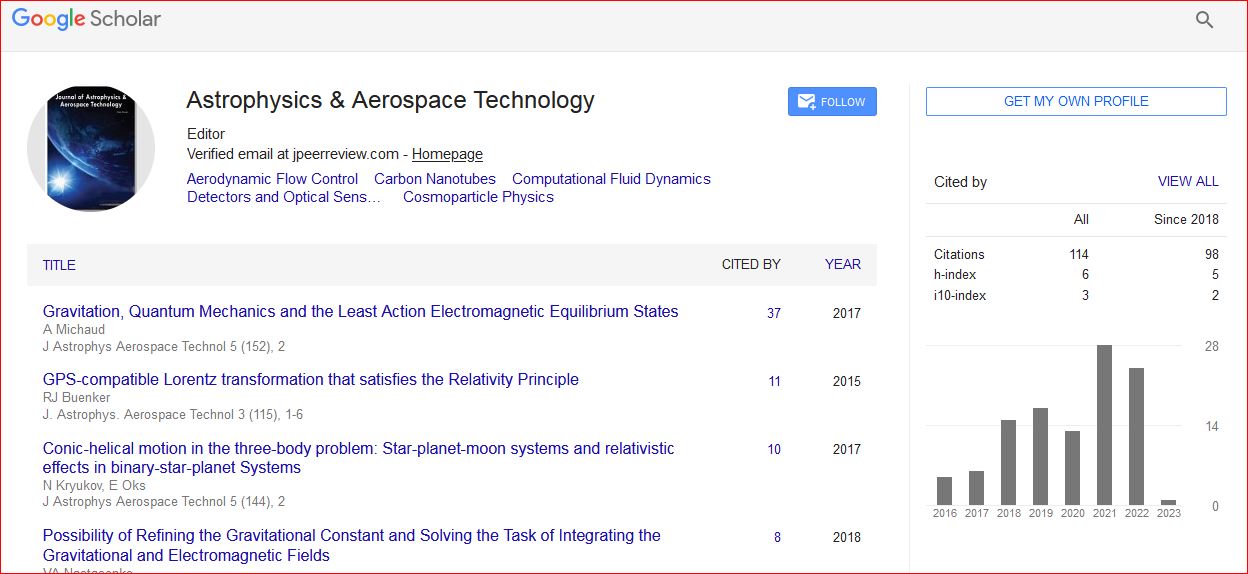
Astrophysics & Aerospace Technology received 114 citations as per Google Scholar report