Research Article - (2026) Volume 16, Issue 1
Received: 18-Nov-2024, Manuscript No. JTESE-24-152830;
Editor assigned: 21-Dec-0024, Pre QC No. JTESE-24-152830 (PQ);
Reviewed: 06-Dec-2024, QC No. JTESE-24-152830;
Revised: 13-Feb-2026, Manuscript No. JTESE-24-152830 (R);
Published:
20-Feb-2026
, DOI: 10.37421/2165-8064.2026.16.688
Citation: Thirunavukarasu B, Nandagopal KR, and Karthikeyan G. "Redefining Eco-Friendly Materials and Processes for Sustainable Fashion." J Textile Sci Eng 16 (2026): 688.
Copyright: © 2025 Thirunavukarasu B, et al. This is an open-access article distributed under the terms of the creative commons attribution license which permits
unrestricted use, distribution and reproduction in any medium, provided the original author and source are credited.
This study presents three distinct case studies within the apparel industry, focusing on the challenges and sustainable solutions at each stage from production to after consumption.
Raw material production: This section examines the environmental challenges associated with sourcing material, like cotton, and discusses sustainable practices, including organic farming and reduce resource consumption and carbon emissions.
Material processing: Here, I explore the environmental impacts of textile wet processing, including high water usage and chemical pollution. Sustainable solutions, such as water-efficient technologies and eco-friendly dyes, are highlighted to illustrate how the industry can minimize its ecological footprint.
Post usage impacts: The final case study addresses the significant waste generated from used garments. It outlines the issues of landfill overflow and resource wastage while proposing solutions like enhanced recycling programs, upcycling initiatives, and the promotion of secondhand markets to reduce the overall environmental impact. Through these case studies, the study aims to provide a comprehensive overview of the apparel industry's sustainability challenges and actionable solutions across its lifecycle.
Sustainability • Raw material • Processing • Recycling • Carbon emission
Cotton is one of the most widely used natural fibers globally, but its cultivation presents significant environmental challenges. Traditional cotton farming is resource-intensive, contributing to high carbon emissions, excessive water usage, and soil degradation. This case study examines the environmental impacts of conventional cotton cultivation and explores sustainable solutions aimed at reducing its carbon footprint [1].
Environmental impacts of conventional cotton cultivation
High water consumption: Cotton farming requires substantial amounts of water, often leading to the depletion of local water resources. For instance, it takes about 7,000 liters of water to produce just one kilogram of cotton [2].
Chemical usage: Conventional cotton farming relies heavily on synthetic pesticides and fertilizers, which can contaminate soil and water systems, harming biodiversity and human health [3].
Pesticides:
Pyrethroids (Synthetic insecticides)
Example: Permethrin (C21H20Cl2O3)
Example: Cypermethrin (C22H19Cl2NO3)
Organophosphates
Example: Chlorpyrifos (C9H11Cl3NO3PS)
Example: Malathion (C10H19O6PS2)
Neonicotinoids
Example: Imidacloprid (C9H10ClN5O2)
Example: Thiamethoxam (C7H10ClN5O3S)
Bacillus thuringiensis (Bt)
A biological insecticide derived from bacteria, used for controlling certain pests.
Fertilizers:
Nitrogen fertilizers
Example: Urea (CO(NH2)2)
Example: Ammonium Nitrate (NH4NO3)
Phosphate fertilizers
Example: Monoammonium Phosphate (MAP) (NH4H2PO4)
Example: Diammonium Phosphate (DAP) ((NH4)2HPO4)
Potassium fertilizers
Example: Potassium Chloride (KCl)
Example: Potassium Sulfate (K2SO4)
Micronutrient fertilizers
Example: Zinc Sulfate (ZnSO4)
Example: Iron Chelate (various formulations, e.g., Fe-EDTA).
These chemicals play crucial roles in promoting cotton growth and protecting crops from pests, but they can also pose environmental risks if not managed properly. Sustainable practices aim to minimize their use and impact [4].
Soil degradation: Intensive farming practices contribute to soil erosion and depletion of nutrients, reducing land productivity over time.
Chemical reactions involving pesticides:
Degradation of organophosphates
Reaction: Organophosphates (e.g., chlorpyrifos) can hydrolyze in the soil
Impact: This reaction produces less toxic metabolites but can reduce microbial diversity by disrupting the microbial community, essential for soil mineral cycling.
Pyrethroid breakdown
Reaction: Pyrethroids (e.g., cypermethrin) can undergo photodegradation a hydrolysis: C22H19Cl2NO3+H2O→C22H19Cl2NO2+HCl+H2O
Impact: The resulting products can persist in the soil, affecting nontarget organisms and leading to alterations in soil structure and nutrient cycling.
Chemical reactions involving fertilizers:
Nitrification process
Reaction: Ammonium-based fertilizers (e.g., urea) are converted to nitrates through nitrification:
Impact: The formation of nitrate can lead to leaching, resulting in groundwater contamination and nutrient imbalance.
Phosphate availability
Reaction: Phosphate fertilizers (e.g., DAP) can react with soil minerals: Ca3(PO4)2+H2SO4→CaSO4+H3PO4
Impact: This reaction can lead to the formation of less soluble phosphates, reducing nutrient availability for cotton plants and potentially contributing to soil acidification.
Soil mineral interactions
Soil acidity:
Reaction: The application of ammonium fertilizers can lead to acidification
Impact: Increased H+^++ ions can displace essential cations from soil minerals, leading to nutrient deficiencies and reduced soil fertility.
Salinization:
Reaction: Over irrigation combined with fertilizer use can cause salt accumulation, particularly sodium salts:
Impact: High sodium levels can lead to soil structure degradation, reducing water infiltration and increasing erosion.
Carbon emissions
The entire lifecycle of cotton from cultivation to processing contributes significantly to greenhouse gas emissions, primarily through the use of fossil fuels in machinery and transportation.
Organic cotton farming: Organic cotton is grown without synthetic fertilizers and pesticides. This method not only reduces chemical runoff but also enhances soil health. Studies show that organic cotton farming can sequester carbon in the soil, thus mitigating emissions (Figure 1).

Figure 1: Organic cotton
Water-efficient practices: Implementing drip irrigation and rainwater harvesting can drastically reduce water usage in cotton cultivation. These methods allow farmers to use water more efficiently, minimizing waste and conserving local water supplies [5].
Crop rotation and polyculture: Rotating cotton with other crops can improve soil fertility and reduce pest populations naturally, decreasing the need for chemical inputs. This practice enhances biodiversity and resilience against climate change (Figure 2).
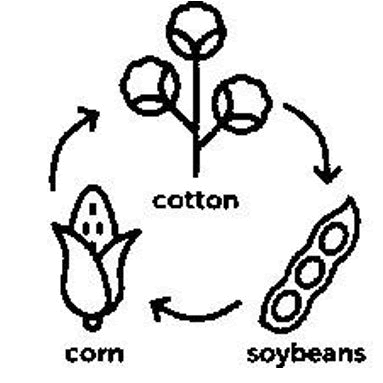
Figure 2: Polyculture.
Agroforestry: Integrating trees into cotton farming systems can improve carbon sequestration, enhance biodiversity, and provide additional income through fruit or timber production.
Sustainable certification programs
Certifications such as the Global Organic Textile Standard (GOTS) and Better Cotton Initiative (BCI) promote sustainable practices in cotton farming. These programs encourage transparency and traceability in the supply chain, making it easier for consumers to choose sustainably produced cotton (Figure 3) [6].

Figure 3: GOTS certificate.
Case example: The Better Cotton Initiative (BCI)
The Better Cotton Initiative (BCI) is a global program aimed at making cotton production better for the people who produce it, the environment it grows in, and the sector’s future. By promoting sustainable practices among farmers, BCI has helped reduce the environmental impact of cotton cultivation significantly. In countries like India and Pakistan, BCI-trained farmers have adopted watersaving techniques and reduced chemical use, leading to an estimated reduction of over 3 million tons of CO2 emissions annually (Figure 4).

Figure 4: BCI certificate.
BCI farmers achieved 22% higher profits than comparison farmers, on average, by optimising their use of synthetic fertiliser and chemical pesticide. In addition, they used 13% less irrigation water than comparison farmers. In 2018-19, better cotton production in India accounted for 12% of national production.
Environmental impact of textile wet processing and sustainable solutions
Textile wet processing, which includes dyeing, bleaching, and finishing, is a critical stage in the textile production chain. However, it poses significant environmental challenges, including high water consumption, chemical pollution, and substantial carbon emissions [7]. This case study examines the environmental impacts of traditional wet processing methods and explores sustainable solutions aimed at reducing the carbon footprint of this essential industry segment.
Environmental impacts of traditional textile wet processing
Water consumption: Wet processing is highly water-intensive, with some dyeing processes requiring up to 200 liters of water per kilogram of fabric. This excessive usage can lead to the depletion of local water resources.
Chemical pollution: The use of synthetic dyes and finishing agents often results in the release of hazardous chemicals into water bodies. These pollutants can harm aquatic ecosystems and pose risks to human health.
Azo dyes
Reactive red 120
Disperse blue 35
Acid yellow 23
Azo dyes, commonly used in the textile industry, can undergo various chemical reactions with water that may lead to environmental hazards. Here’s a detailed overview:
Hydrolysis of azo dyes:
Azo dyes can hydrolyze in aqueous environments, particularly when exposed to high temperatures or alkaline conditions. This reaction can lead to the formation of amines and other byproducts.
Reaction: Azo Dye−X+H2O→Azo Dye−OH+HX
Hazard: The hydrolysis process can generate aromatic amines, many of which are toxic and potentially carcinogenic. For instance, dyes like Reactive Black 5 can release aniline, a hazardous compound, into the water.
Ionization of azo dyes
Azo dyes can ionize in water, especially if they contain sulfonic acid groups. This can enhance their solubility but also lead to potential toxicity.
Hazard: The presence of ionized azo dyes in water can lead to toxic effects on aquatic organisms. Additionally, high concentrations can disrupt the natural balance of aquatic ecosystems.
Photodegradation
Azo dyes can undergo photodegradation when exposed to UV light in aqueous solutions. This process breaks the azo bond and generates various byproducts.
Reaction: Azo Dye+hν→Degradation Products
Hazard: The degradation products can include harmful substances, some of which may be more toxic than the original dye. This can lead to increased toxicity in water bodies and affect aquatic life.
Biodegradation
Some azo dyes can be partially biodegradable under certain conditions, but many are resistant to microbial degradation.
Reaction: Azo Dye+Microbial action→Byproducts-including amines
Hazard: The persistence of azo dyes and their metabolites in water can lead to long-term environmental contamination, affecting drinking water sources and harming aquatic organisms.
Environmental impact
Toxicity: Azo dyes and their degradation products can be toxic to fish, invertebrates, and microorganisms, disrupting aquatic ecosystems.
Bioaccumulation: Some breakdown products can bioaccumulate in the food chain, leading to higher concentrations in predators.
Water quality: The presence of synthetic dyes in water can reduce transparency and disrupt photosynthesis in aquatic plants.
Energy use and carbon emissions: The heating and cooling processes in wet processing are energy-intensive and frequently rely on fossil fuels. This contributes significantly to carbon emissions throughout the textile lifecycle.
Waste generation: Large amounts of wastewater generated during wet processing are often inadequately treated, leading to the discharge of toxic substances into the environment.
Sustainable solutions for reducing carbon footprint
Water management techniques: Implementing closed-loop systems can significantly reduce water usage by recycling wastewater. Techniques such as waterless dyeing, which uses supercritical CO2, eliminate the need for water altogether.
Eco-friendly dyes and chemicals: Transitioning to natural or lowimpact synthetic dyes reduces the environmental impact. Companies like Dystar have developed dyes that require less water and energy, minimizing pollution (Figure 5).

Figure 5: Eco passport.
Energy efficiency improvements: Upgrading machinery to energyefficient models and utilizing renewable energy sources can reduce the carbon footprint associated with wet processing. For example, solar-powered dyeing facilities can substantially lower reliance on fossil fuels.
Wastewater treatment solutions: Implementing advanced wastewater treatment technologies, such as membrane bioreactors, can effectively remove harmful substances from wastewater before it is discharged. This reduces the impact on local water bodies and ecosystems.
Certification and standards: Adopting standards such as the Global Organic Textile Standard (GOTS) and OEKO-TEX® can guide manufacturers toward sustainable practices. These certifications ensure that processing methods meet environmental criteria, encouraging companies to minimize their ecological footprint (Figure 6).

Figure 6: Oeko tex.
Case example: The Eco-Tex project
The Eco-Tex project, implemented in India, aimed to transform textile wet processing practices in the region. Through training programs, the initiative introduced sustainable dyeing techniques and wastewater treatment solutions. Participating mills adopted waterefficient dyeing processes, reducing water consumption by up to 50%. The project also facilitated the installation of solar panels, decreasing reliance on grid electricity and cutting carbon emissions by approximately 30%. The success of the Eco-Tex project demonstrates the feasibility of sustainable practices in textile wet processing (Figure 7).

Figure 7: Eco tex.
Used garment waste and its environmental impact
The disposal of used garments has emerged as a pressing environmental issue, with millions of tons of clothing discarded each year. This waste contributes to landfill overflow, resource depletion, and significant greenhouse gas emissions. This case study explores the environmental impacts of used garment waste and presents sustainable solutions to reduce the carbon footprint associated with this growing problem.
Environmental impacts of used garment waste
Landfill overflow: Approximately 92 million tons of textile waste is generated globally each year, with a substantial portion coming from used garments. These textiles often take decades to decompose, producing methane a potent greenhouse gas during the process.
Resource wastage: The production of used garments involves extensive resource consumption, including water, energy, and raw materials. When these garments are discarded, the resources invested in their production are effectively wasted, leading to further environmental degradation.
Carbon emissions: The lifecycle emissions of used garments extend beyond their disposal. The energy and resources required to produce new clothing to replace discarded items contribute significantly to the industry’s carbon footprint.
Chemical pollution: Many used garments, particularly those made from synthetic fibers and treated with dyes, can release harmful chemicals as they decompose in landfills, contaminating soil and groundwater.
Sustainable solutions for reducing carbon footprint
Enhanced recycling programs: Implementing robust recycling initiatives can divert used garments from landfills. For example, H and M has launched a garment collection program that allows customers to drop off used clothing at stores, which is then sorted for recycling or resale.
Upcycling initiatives: Upcycling involves transforming used garments into new products. Companies like Reformation and Eileen Fisher have established programs to repurpose unsold or damaged clothing into new collections, reducing waste and extending the life of textiles.
Secondhand market growth: The rise of secondhand platforms, such as ThredUp and Poshmark, allows consumers to buy and sell used clothing. This trend not only promotes the reuse of garments but also reduces demand for new clothing production, thereby lowering the overall carbon footprint.
Consumer education: Educating consumers about the environmental impact of their clothing choices is vital. Campaigns can encourage mindful purchasing, responsible disposal, and the benefits of buying secondhand or upcycled items.
Collaboration across the industry: Collaborative efforts among brands, retailers, and recycling organizations can improve the management of used garment waste. Initiatives like the Textile Recycling Association work to establish better recycling infrastructure and practices in the fashion industry.
Case example: Patagonia’s worn wear program
Patagonia’s worn wear program exemplifies a successful approach to managing used garment waste. This initiative encourages customers to repair, reuse, and recycle their clothing [8,9]. Patagonia offers repair services, educational resources on garment care, and a platform for customers to buy and sell secondhand Patagonia items. The program has successfully diverted thousands of pounds of clothing from landfills and promotes a culture of sustainability among consumers. By extending the life of its products, Patagonia not only reduces waste but also minimizes the need for new production, ultimately lowering carbon emissions associated with garment manufacturing (Figure 8).

Figure 8: Patagonia.
In 2019 Worn Wear kept 56 Worn Wear repair events across Europe that involved 25,000 people and helped to repair 100,288 garments.
Achievements and awards
The Confederation of Indian Textile Industry (CITI) has announced Textile Sustainable Awards 2024, which aim to acknowledge and celebrate excellence in sustainability within the Indian textile industry.
The prestigious accolades will be presented in two distinct categories, offering textile mills and industry stakeholders an opportunity to showcase their commitment to sustainability practices.
CITI Birla economic and textile research foundation awards 2024 will specifically recognise textile mills for outstanding efforts in adopting eco-friendly and sustainability practices.
Categories include ‘Best Practices in Social Responsibility and Green Practices’ and ‘Innovative Material Management in Textile Mills’ (Figure 9).
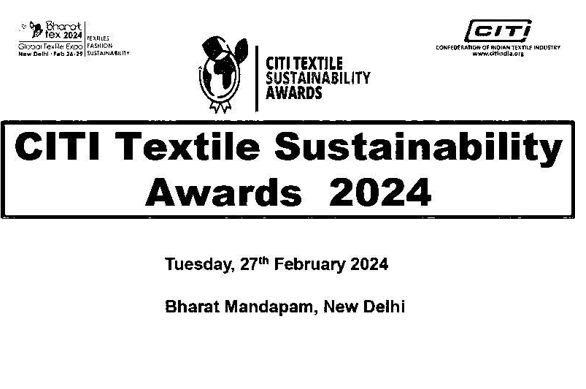
Figure 9: Sustainability award.
World’s prominent companies offering sustainable fabrics; Top 10 by revenue
• Vivify Textiles
• Polyfibre Industries
• Foss Performance Materials
• Grasim
• Textil Santanderina
• Teijin Limited
• Pilipinas Ecofiber Corp
• Wellman
• Pure Waste Textiles Ltd
• Advanced Materials
Sustainable cotton cultivation presents a viable solution to mitigate the environmental impacts associated with traditional farming practices. By adopting organic farming methods, implementing waterefficient practices, and participating in certification programs like BCI, the cotton industry can significantly reduce its carbon footprint. This study highlights the importance of transitioning towards sustainable practices to ensure the long-term viability of cotton as a key resource in the textile industry while addressing urgent environmental concerns.
The environmental impact of textile wet processing is substantial, contributing to water depletion, chemical pollution, and high carbon emissions. However, by adopting sustainable solutions such as water management techniques, eco-friendly dyes, energy-efficient practices, and advanced wastewater treatment, the industry can significantly reduce its carbon footprint. Case studies like the Eco-Tex project illustrate the potential for transforming traditional practicesinto sustainable models. Moving forward, the textile industry must prioritize sustainability to mitigate its environmental impact and contribute to global climate goals.
Used garment waste presents significant environmental challenges, contributing to landfill overflow, resource depletion, and carbon emissions. However, by implementing sustainable solutions such as enhanced recycling programs, upcycling initiatives, promoting secondhand markets, consumer education, and fostering collaboration across the industry, the carbon footprint associated with used garments can be significantly reduced. Case studies like Patagonia’s Worn Wear program highlight the potential for innovative approaches to address this critical issue. Moving forward, the fashion industry must embrace these sustainable practices and work collectively to mitigate the environmental impact of used garment waste.
[Crossref]
Journal of Textile Science & Engineering received 1008 citations as per Google Scholar report