Commentary - (2025) Volume 10, Issue 5
Received: 01-Sep-2025, Manuscript No. PE-26-179308;;
Editor assigned: 03-Sep-2025, Pre QC No. P-179308;;
Reviewed: 17-Sep-2025, QC No. Q-179308;;
Revised: 22-Sep-2025, Manuscript No. R-179308;;
Published:
29-Sep-2025
, DOI: 10.37421/2472-1042.2025.10.307
Citation: Al-Khalid, Faisal. ”Preventive Pharmacotherapy: Superior Long-Term Cost-Effectiveness.” Pharmacoeconomics 10 (2025):307.
Copyright: © 2025 Al-Khalid F. This is an open-access article distributed under the terms of the Creative Commons Attribution License, which permits unrestricted use, distribution and reproduction in any medium, provided the original author and source are credited.
Preventive pharmacological interventions, despite potentially higher initial investments, offer superior long-term cost-effectiveness for numerous chronic diseases when contrasted with purely curative strategies. This economic advantage is principally derived from their capacity to postpone or avert disease progression, thereby diminishing the frequency and cost of hospitalizations and enhancing overall patient quality of life. The fundamental economic benefit of prevention relies on the accurate identification of at-risk populations and the subsequent implementation of targeted, evidence-based therapeutic approaches [1].
The economic case for proactively investing in preventive pharmacotherapy for conditions such as type 2 diabetes is exceptionally strong. Early therapeutic engagement can substantially reduce the incidence of costly microvascular and macrovascular complications, including nephropathy, retinopathy, and myocardial infarction. This foresightful management strategy frequently results in a lower aggregate cost of care throughout an individual's lifespan when compared to addressing established complications post-diagnosis [2].
Within the domain of mental health disorders, preventive pharmacotherapy plays a crucial role in mitigating the economic burden associated with acute episodes, inpatient care, and prolonged disability. For instance, the judicious early use of mood stabilizers or antidepressants can avert recurrent manic or depressive episodes, thereby preserving an individual's productivity and reducing the utilization of healthcare resources [3].
The cost-effectiveness of preventive strategies in managing respiratory ailments, such as asthma and chronic obstructive pulmonary disease (COPD), is consistently demonstrated through a reduction in disease exacerbations and hospital admissions. Proactive administration of inhaled corticosteroids for asthma or long-acting bronchodilators for COPD can forestall severe symptom flares, which are inherently expensive to manage and profoundly impact patient well-being [4].
The preventive application of statin therapy for the primary prevention of cardiovascular events stands as a significant public health success and a demonstrably cost-effective intervention. The comparatively low cost of statin medications, coupled with their proven ability to reduce the incidence of heart attacks and strokes, substantially outweighs the costs associated with treating these acute and often debilitating conditions [5].
In the context of infectious diseases, the strategic use of preventive pharmacotherapy, including prophylactic antibiotics or antiviral agents in specific high-risk scenarios or vulnerable populations, can avert the substantial costs associated with treating active infections and prevent their onward transmission. The economic benefits are significantly amplified when the broader societal impact of widespread outbreaks is considered [6].
The economic rationale for employing preventive pharmacotherapy in the management of osteoporosis is robust. Early intervention utilizing agents such as bisphosphonates or other bone-modifying drugs can markedly decrease the incidence of fractures, which are frequently debilitating and associated with substantial direct and indirect healthcare expenditures, encompassing hospitalization, surgical interventions, and long-term care needs [7].
For conditions such as glaucoma, preventive pharmacological approaches aimed at reducing intraocular pressure have the potential to delay or entirely prevent irreversible vision loss. The long-term economic savings are considerable when one weighs the substantial costs of managing blindness and its associated societal consequences against the ongoing, albeit manageable, cost of topical ocular therapies [8].
The shift from solely curative interventions to preventive pharmacotherapy for chronic kidney disease (CKD) is a rapidly evolving area of clinical and economic focus. Interventions like angiotensin-converting enzyme (ACE) inhibitors or angiotensin II receptor blockers (ARBs), when initiated early in the disease course, can effectively slow CKD progression, thereby deferring or eliminating the need for highly expensive renal replacement therapies such as dialysis or transplantation [9].
A comprehensive evaluation of the cost-effectiveness of preventive pharmacotherapy necessitates meticulous consideration of various factors, including disease prevalence within populations, patient adherence to treatment regimens, long-term health outcomes, and broader societal costs. While curative treatments address immediate health concerns, preventive measures ultimately provide a more sustainable and economically advantageous framework for managing population health over extended periods [10].
Preventive pharmacological strategies are increasingly recognized for their superior long-term economic advantages over curative approaches in managing a wide spectrum of chronic diseases. This economic superiority stems from their ability to avert or delay disease progression, leading to fewer hospitalizations and an improved quality of life for patients. The core economic benefit hinges on identifying high-risk individuals and implementing effective, evidence-based prevention programs [1].
Economically, the rationale for investing in preventive pharmacotherapy for conditions like type 2 diabetes is compelling. Early intervention with medications can significantly decrease the occurrence of expensive microvascular and macrovascular complications, such as kidney disease, eye damage, and heart attacks. This proactive approach typically results in a lower lifetime cost of care compared to managing established complications later on [2].
In the realm of mental health, preventive pharmacotherapy offers a valuable strategy for reducing the economic burden associated with acute psychiatric episodes, hospital stays, and long-term disability. For instance, initiating mood stabilizers or antidepressants early can prevent the recurrence of manic or depressive episodes, thus preserving individual productivity and minimizing healthcare resource use [3].
The cost-effectiveness of preventive measures in respiratory diseases like asthma and COPD is largely evident in the reduction of exacerbations and hospital admissions. Prophylactic use of inhaled corticosteroids for asthma or long-acting bronchodilators for COPD can prevent severe symptom flares that are costly to manage and significantly disrupt patients' lives [4].
Preventive use of statins for primary prevention of cardiovascular events is a well-established public health success and a clearly cost-effective intervention. The relatively low cost of statins, combined with their proven efficacy in preventing heart attacks and strokes, far exceeds the expense of treating these conditions should they occur [5].
For infectious diseases, preventive pharmacotherapy, such as prophylactic antibiotics or antivirals in high-risk settings, can avert the significant costs of treating active infections and prevent transmission. The economic benefits are amplified when considering the societal costs of widespread outbreaks [6].
The economic justification for preventive pharmacotherapy in osteoporosis is substantial. Early treatment with bisphosphonates or similar agents can significantly reduce the incidence of debilitating fractures, which incur considerable direct and indirect healthcare costs, including hospitalization, surgery, and long-term care [7].
In conditions like glaucoma, preventive pharmacological therapies that lower intraocular pressure can delay or prevent irreversible vision loss. The long-term cost savings are significant when compared to the expenses associated with managing blindness and its societal impact versus the ongoing cost of eye drop treatments [8].
The transition towards preventive pharmacotherapy for chronic kidney disease (CKD) is gaining momentum. Early use of medications like ACE inhibitors or ARBs can slow disease progression, thereby reducing the need for costly renal replacement therapies such as dialysis or transplantation [9].
Evaluating the cost-effectiveness of preventive pharmacotherapy requires a thorough understanding of disease prevalence, treatment adherence, long-term outcomes, and societal costs. While curative treatments address immediate issues, preventive strategies offer a more sustainable and economically advantageous approach to managing population health over time [10].
Preventive pharmacotherapy demonstrates superior long-term cost-effectiveness across a range of chronic and acute conditions. By averting or delaying disease progression, reducing hospitalizations, and enhancing quality of life, these interventions provide significant economic benefits. Examples include cardiovascular disease prevention with statins, type 2 diabetes management, mental health support, respiratory disease control, infectious disease prophylaxis, osteoporosis treatment, glaucoma management, and slowing the progression of chronic kidney disease. While requiring upfront investment, the proactive approach of preventive pharmacotherapy offers a more sustainable and economically advantageous model for population health management compared to solely relying on curative treatments.
None
None
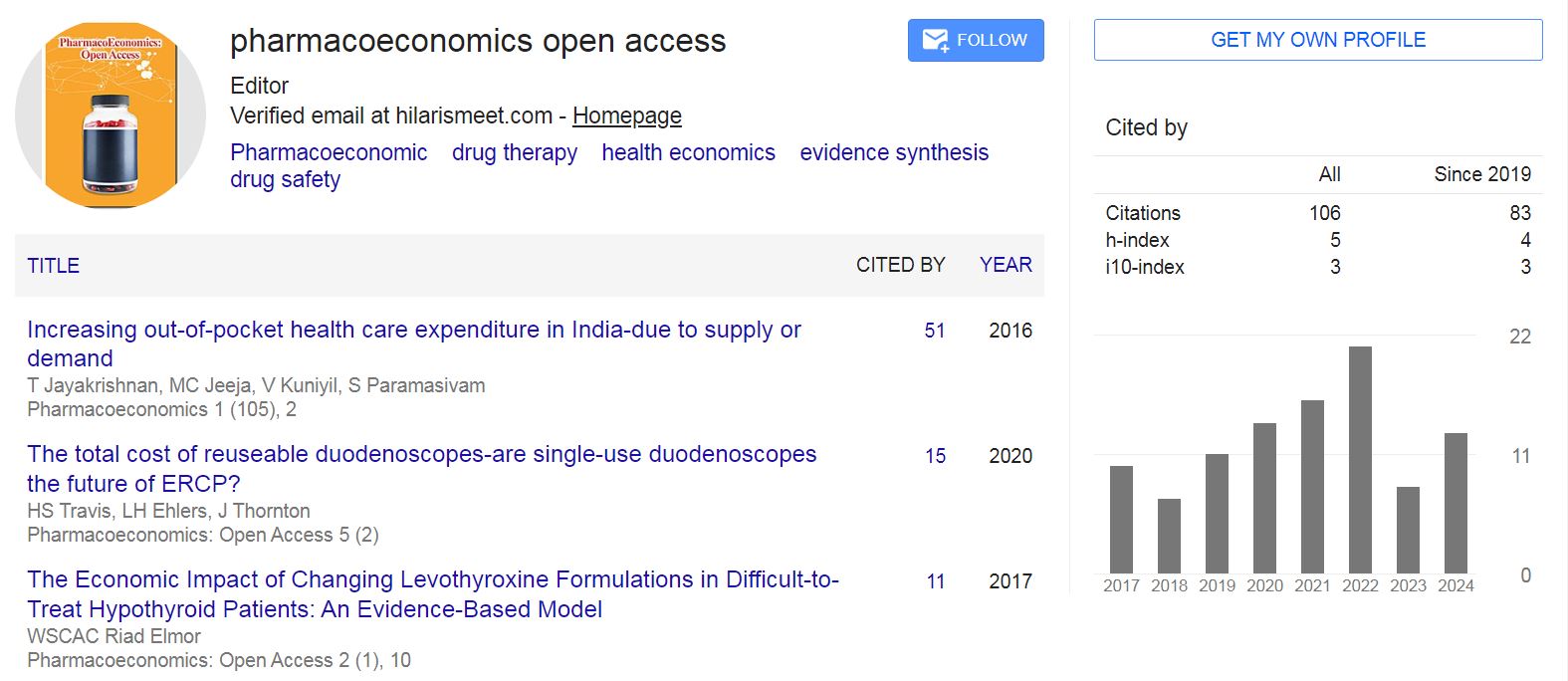
Pharmacoeconomics: Open Access received 106 citations as per Google Scholar report