Research Article - (2026) Volume 17, Issue 1
Received: 11-Oct-2024, Manuscript No. JAR-24-150037;
Editor assigned: 14-Oct-2024, Pre QC No. JAR-24-150037 (PQ);
Reviewed: 28-Oct-2024, QC No. JAR-24-150037;
Revised: 05-Feb-2026, Manuscript No. JAR-24-150037 (R);
Published:
12-Feb-2026
, DOI: 10.37421/2155-6113.2025.17.971
Copyright: © 2025 Tegegne AS, et al. This is an open-access article distributed under the terms of the creative commons attribution license which permits unrestricted use, distribution and reproduction in any medium, provided the original author and source are credited.
Background: One of the sub-Sahran African countries with high number of people living with HIV is Ethiopia. Among the regions in Ethiopia, Amhara region is the one in which many people are under HIV medication treatment. This research has been conducted with objective to detect variable significantly affected the level of adherence under cART in Government Hospitals throughout Amhara region.
Methods: A cohort secondary data found from a random sample of 1540 HIV-positives under cART were used for current investigation. A binary logistic regression modeling was conducted in data analysis. The study was conducted in 18 government hospitals in Amhara region, Ethiopia.
Results: The predictors like patients’ age (AOR=1.020, 95% CI: 1.001, 1.1200), baseline CD4 cell count (0.980, 95% CI: 0.764, 0.991), visits of health institutions (AOR=0.9900, 95% CI: 0.6723, 0.9990), patients living without their partner (AOR=1.01, 95% CI: 1.003, 1.112), male patients (AOR=1.01, 95% CI: 1.001, 1.021), patients living in urban area (AOR=0.98, 95% CI: 0.96, 0.99), educated patients (AOR=0.950, 95% CI: 0.92, 0.98), socially violated patients (AOR=1.012, 95% CI: 1.008, 1.234), opportunistic adult patients (AOR=1.062, 95% CI: 1.049, 1.191), patients who did not disclosed their disease (AOR=1.062, 95%CI: 1.038, 1.254) had significant effect on non-adherence to medication. Similarly, WHO stages significantly affected on the variable of interest.
Conclusions: Socio-demographic variables such as age, baseline CD4 cell count, patients living without their partners, male patients, rural patients, patients faced social violence, opportunistic adult patients, patients who did not disclosed their disease status need espetial attion. Health related education is recommended for non-adherent patients to be adherent for the prescribed treatment.
Non-adherence to medication • cART • HIV patients • Adults • Education
HIV gradually reduce the resistance of our body’s ordinary defense in contradiction of disease [1]. Active Immune Disease Syndrome (AIDS) is a long-lasting and infectious disease produced by HIV [2]. The latest phase for HIV is AIDS and it is the period that the patients’ body cannot extended its defense from disease. The wider use of combination cART has changed AIDS into a chronic but treatable condition for a larger proportion of People Living with HIV (PLHIV) in sub-Saharan Africa [3]. Optimal adherence is required to obtain sustainable viral suppression, to reduce drug resistance and keeping HIV patients in first line regimens. However, for many people in the study area, the life of people living with HIV under treatment are so short because of non-adherence to cART. Policy makers and public health specialists have warned to monitor adherence to ART to avoid widespread of drug resistance and to apply cost effective cART program [4]. Our country, currently, in the Amhara region (one of the regions in Ethiopia), large number of people living with the virus are under cART [5,6]. Few of the people followed their treatment have substantial progress on their health standing, however this is not true for others because of the reason that such people have low adherence performance and this leads patients to be become drug confrontation during treatment and not to be progressive in their life [7,8].
Being non-adherence to medication may result in current regimen failure in current regimens and leads to next regimen with high costs for treatment [9,10]. Hence, high levels of follow ups are necessary for consistent viral suppression [11] and for avoidance of drug resistance [12]. Non-adherence to the prescribed medicine bases treatment failures and high number viral loads, and this further leads to growth of adaptable infections and eventually deaths amongst PLHIV under cART [13-15]. Finally, low performance adherence patients are get a maximum risk in AIDS related diseases [16].
It is recommended to develop a model with repeated measures using shared random effects, considering the repeated measures taken on the same individual [17]. Recently, cross-sectional study was conducted on predictors of non-adherence to prescribed medication, however, such studies did no investigate the changes occurred within the same individual or changes occurred among the group over time. However, previous studies did not investigate the repeated observations on the same subject and consider only one hospital for their studies [18-20]. Such studies are fragmented and cannot indicate the region wide non-adherence level. Hence, the current study was conducted with objectives to investigate variables substantially affected for HIV-patients to be non-adherence to prescribed medicine under cART in 18 governmental hospitals in Amhara region, Ethiopia. As far as investigators’ knowledge is concerned, there is shortage of writings conducted in region wide with longitudinal/panel data for HIV-positive people under cART. This made the current study to be essential to evaluate whether the worldwide knowledge also effort in the study area.
Study area and design
The study was directed in Amhara region, one of the eleven regions in Ethiopia. A health institution retrospective cohort study design was directed on 1540 HIV disease-ridden people under cART at 18 governmental hospitals in the region, North-Western Ethiopia. The data were secondary and taken in ART sections of each hospital.
Data source
The current study used secondary data that have been composed of patients’ chart collected by the health staff that were already recoded previously for HIV management resolution. Hence, the data were, documented in each patient’s chart and filed in ART segment of the 18 hospitals. A binary logistic regression model was used in detecting predictors of the variable of interest.
Participants
Participants under current investigation were those HIV patients whose visits were from January, 2017 up to December, 2020.
Sample size and sampling procedures
About 17,500 PLWHIV were getting treatment in Amhara region. Amongst of them, 8235 were on cART. Hence, random samples of 1540 HIV positive adults were selected, considering their ART identification number. Cochran’s formula indicated below was conducted in determining sample size, considering 95% confidence level, 5% degree of precision for proportion of TB/HIV co-infection. The formula used in this regard was
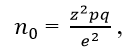
where n0 is the required sample size in the whole target population, z is the selected critical value of desired confidence level, p is the estimated proportion of an attribute that is presented in the population, q=1-p and e is the desired level of precision. After calculation of the size of the sample for the whole population, a stratified random sampling technique was used for selecting a representative sample from each of the governmental hospitals in the region. Hence, the sample size was allocated proportionally based on the number of patients followed-up at each hospital.
Inclusion and exclusion criterion
The participants under current study were adults satisfied the insertion measures. Hence, all PLWHIV who started cART with age >18 years irrespective of their behavior classification in the study time and accessible during data collection time were included under investigation. On the other hand, patients under treatment for cART whose age were <18 years, patients with less than two follow-ups on their treatment were excluded in this treatment.
Response and predictor variables for current study
The variable of study for current investigation was non-adherence to cART. This variable was measured using pills counts done by physicians at the treatment site. At initial time, participants were forced to come back for checkups with bottles previously taken from treatment site and unemployed pills (if any) at each treatment visit without their awareness for the reason that unemployed pills used for categories of patients as adherent or non-adherent. Hence, Medication non-adherence=(Number of unemployed pills)/(Total pills taken) × 100% [19]. A person was categorized as dietary adherent given that the patient always followed dietary commands directed by the health staff, else the patient was categorized as non-adherent. Similarly, a patient was categorized as time adherent if he/she always follows scheduling instructions given the health practitioners otherwise categorized as non-adherent. Patients’ self-reported results like whether or not pills had been missed on the day of interview, the earlier time, the earlier three times and the earlier seven days’ time before the interview was used to evaluate the level of medication follow ups to cART. Based on this, a patient was classified as nonadherent to medication if the patient performed <95% of the directed pills. If the patients’ adherence was ≥ 95% of cART, he/she categorized as adherent to medication.
The three measures of adherence were used in current investigation for considering combined adherence levels. These were self-reported pill count, time adherence reported by the participants and the dietary report given the patients.
The explanatory variables under this study were sex (male, female), age in years, marital status (living with partners, living without partners), level of education (educated, non-educated), whether there is social support (yes, no), existence of social violence (yes, no), residence area (urban, rural), existence of mental depression (yes, no), religion (Orthodx, Protestant, others), functional status (working, bedridden, ambulatory), occupational status (employed, non-employed, self), opportunistic infectious disease (yes, no), cell phone ownership (yes, no), WHO stages of HIV (stages I, II, III, IV), level of disclosure of the disease (yes, no), BMI in kg/m2, baseline CD4 cell count and baseline hemoglobin. The categories of each predictor are indicated in Table 1.
In this study, dropouts were HIV-positive patients who did not come back to the ART clinic until the end of study period. A dropout could be existed because of death, move to other treatment site and named as loss to follow ups [16].
Data analysis
Data were edited, cleaned, coded and entered in to a computer and analyzed using SAS software. Data were described to summarize basic participants’ characteristics. All predictors were correlated with the dependent variable in bivariate data analysis were taken in to consideration for final analysis. To investigate the variables substantially contributed for the variation of adherence level was conducted using binary logistic regression model. Model selection was done step by step procedures. Adjusted Odds Ratios (AOR) and their 95% CI were also used to evaluate the association between the response and predictors.
Combined Anti-Retroviral Therapy (cART) was made using the three adherence measures (medication, dietary and time instruction) considering issues related with the level of adherence. Hence, in current investigation non-adherence was defined as for a PLWHA missed any one of the three criterion mentioned above.
Quality of data
To test the level of quality of data, the pilot test was done on a randomly selected 45 individuals and amendments were done and edited to include important points those helped to collect information from participants.
Statistical Analysis of System (SAS) version 9.4 software was conducted in data analysis. In data analysis, binary logistic regression was used in detecting variables substantially affected the variable of interest. Statistical decision was made at 5% level of significance. The two models namely separate and joint were used and compared each other considering standard errors occurred in the two models. A set of random effects and correlation structures were used in joint modeling data analysis.
To assess the association between non-adherences to medication, the joint generalized linear mixed model was fitted. In this model, the correlation between the two responses was specified through the random effect structure (alpha) assuming separate random intercept for each outcome and combining them by imposing joint multivariate distribution on the random intercept. Method of parameter estimation for joint model was conducted for the subject-specific and marginal residuals.
Binary logistic regression model and its application: In this investigation, analysis of binary data in terms of the binomial distributions with logit transformation was also conducted. The result considers two possible outcomes (yes, no) conducted with binary logistic regression model with logit link function.
Let Y be a random variable with probabilities P(Y=1)=π and P(Y=0)=1−π. Then, the random variable, Y has the binomial distribution with parameters (n, π) defined as:

where, πi depends on a vector of observed covariates xi and let πi be a linear function of the covariates as πi= β0+β1X1+…+βkXk.
The probability πi has to be between zero and one, but the linear predictor can take any real value. The solution for such problem is model the transformation as a linear function of the covariates and this can be done in two steps.
First: The probability of πi interims of its odds is given by oddsi= πi/1-πi
Second: The logit or log-odds of the given function is expressed as:

The above formula (2) has the effect of removing the floor restriction. This is known as logistic regression model that follows a linear model. In this model, the effect of a unit change in Xj is to increase/decrease the log-odds by an amount βj (j=1,2,…,k) keeping the other predictors constant. Equivalently, the model may be written in terms of the odds of a positive response as:

Here, the effect of a unit change in Xj is to increase/decrease the odds of a positive response by the factor exp (βj) called the odds ratio. Finally, the probability of a positive response is considered as;

Londitudinal health related data: In medication treatment, it is known that repeated measures are taken at different time on the same subject/individual. Repeated measures conducted on the same subject are highly correlated and there is significance dependency of each other. Such data are termed as longitudinal or panel data.
The socio-economic and demographic variables are indicated in Table 1. As it is indicated in Table 1, about 67% of the patients were in urban areas, 52% of them were living with their partners, 52% of the participants were males, 58%the patients didn’t disclose their disease status and 56% of the patients were non-adherent. Table 1 also indicates that the patients were taken at 18 government hospitals. The expected age of participants was 57 years with standard deviation of 23.7 years. The expected weight of all particpants was 57 Kg with standard deviation of 13 kg.
| Variables | Categories | n | % |
| Residence | Rural | 526 | 33.3 |
| Urban | 1053 | 66.7 | |
| Education level | Non-educated | 407 | 25.8 |
| Primary | 527 | 33.4 | |
| Secondary | 419 | 26.5 | |
| Tertiary | 226 | 14.3 | |
| Marital status | With part | 814 | 51.6 |
| Without part | 765 | 48.4 | |
| Sex | Female | 815 | 51.6 |
| Male | 764 | 48.4 | |
| WHO stages | st 1 | 627 | 39.7 |
| st 2 | 347 | 22 | |
| st 3 | 317 | 20.1 | |
| st 4 | 288 | 18.2 | |
| Disclosure of the status of disease | No | 922 | 58.4 |
| Yes | 657 | 41.6 | |
| Adherence level | Adherent | 692 | 43.8 |
| Non-adherent | 887 | 56.2 | |
| Hospital | Akista | 27 | 1.7 |
| Ataye | 40 | 2.5 | |
| Boru | 24 | 1.5 | |
| Debark | 60 | 3.8 | |
| Debre Birhan | 26 | 1.7 | |
| Debre Markos | 206 | 13 | |
| Debre Tabor | 253 | 16 | |
| Dessie | 207 | 13.1 | |
| Enat | 51 | 3.2 | |
| Felege Hiwot | 238 | 15.1 | |
| Finote Selam | 36 | 2.3 | |
| Gondar | 142 | 9 | |
| Hidar 11 | 12 | 0.8 | |
| Lalibela | 32 | 2 | |
| Mehal Meda | 42 | 2.7 | |
| Metema | 95 | 6 | |
| Motta | 18 | 1.1 | |
| Woldia Hospital | 68 | 4.3 |
Table 1. Socio-economic characteristics of participants (n=1578).
The cov. structure in this study was conducted considering Akakai Information Criteria (AIC) and Bayesian Information Criterion (BIC). Few covariance structures were considered to select the one suitable to the given data. Some of the covariance structures conducted for model selection were; Unstructured (UN), Compound Symmetric (CS), firstorder autoregressive (AR (1)) and Toeplitze (Toep). Table 2 displays the corresponding fit statistics of the structures obtained from the Newton-Raphson algorithm.
| IC (Information Criterion) | Un | CS | TEOPLZ | AR (1) |
| AIC (smaller is better) | 53521.6 | 50204.6 | 54079.9 | 49835.5 |
| AICC (smaller is better) | 53521.6 | 50204.6 | 54080.5 | 49835.5 |
| BIC (smaller is better) | 53517.6 | 50194.6 | 54029.9 | 49827.5 |
| Average CCC | -0.2341 | -0.671 | 0.4904 | 0.9709 |
Table 2. Comparison of covariance structure.
As it is indicated in Table 2, AR (1) had smallest information criterion hence, the covariance structure used for data analysis was AR (1). The parameter estimation for the variable of interest is indicated in Table 3.
Table 3 indicates that marital status had significant effect for the variable of interest. Hence, compared patients living with their partner with those living without partner, the expected odds of being nonadherence to treatment to patients alive without their spouse was increased by 1% as equated to participants living with their partners, given the other things constant (AOR= 1.01; 95% CI: (1.003, 1.112), p=0.006).
The expected odds of being non-adherent to medication for male adults was increased by 1% as compared to males, keeping the other things constant (AOR=1.01; 95% CI; (1.001, 1.021); p-value=0.007).
The predictor variable, residence area significantly affected nonadherent to cART. Hence, the expected odds of being non-adherence to treatment by the urban HIV infected adults was minmized by 2% keeping the others the same (AOR=0.98; 95% CI; (0.96, 0.99), p=0.004.
The expected odds of being non-adherent to medication by educated adult patients was reduced by 5% as compared to educated adults, keeping the other things constant (AOR=0.950, 95% CI; (0.92. 0.98). p=0.003).
Similarly, the expected odds of being non-adherence to treatment by participants not released the status of disease to their sexual partners was increased by 6% as equated to participants disclosed the disease status to sexual partners, keeping the other things constant (AOR=1.062, 95% CI;(1.038, 1.254). p<0.001).
Existence of social violence had statistical significant effect for HIV positive adults not disclosed the status of HIV disease for sexual partners. Hence, the expected likelihoods of non-adherence to treatment medication by socially violated HIV positive was increased by 1.2% as equated to those socially not violated HIV infected adults, given the other covariates the same (AOR=1.012, 95% CI: (1.008, 1.234), p<0.01).
The expected likelihoods of patient to be non-adherence to treatment medication by opportunistic adult patients was increased by 6.2% as compared to opportunistic adults, keeping the other things constant (AOR=1.062, 95% CI; (1.049, 1.191). p-value=0.002).
WHO stages had also statistically significant effect for nonadherence to medication. Hence, the expected likelihoods of patients to be non-adherence to treatment by HIV-positive adults whose WHO stage 1 was increased by 12.8% as compared to WHO stage 4 given the others the same. Similarly, the expected likelihood of patients to be non-adherence to treatment medication by HIV-positive adults whose WHO stage 2 was increased by 13.9% as equated to WHO stage 4 given the others the same and the expected likelihood of patients to be non-adherence to treatment medication by HIV-positive adults whose WHO stage 3 was reduced by 10.5% as equated to WHO stage 4 given the others covariates the same.
| Parameter | Estimates | St. error | Adjusted Odds Ratio (AOR) | Wald 95% CI | p-value | |
| Intercept | 3.01 | 0.03 | 20.287 | 11.53 | 58.62 | <0.001* |
| Age | 0.02 | 0.01 | 1.02 | 1.001 | 1.12 | 0.004* |
| Weight | -0.01 | 0.01 | 0.99 | 0.723 | 1.844 | 0.082 |
| Initial CD4 count | -0.02 | 0.01 | 0.98 | 0.764 | 0.991 | <0.001* |
| Visiting times | -0.01 | 0.01 | 0.99 | 0.6723 | 0.999 | <0.001* |
| Mar, stat (Ref.=With spouse) | ||||||
| Without apouse | 0.01 | 0.021 | 1.01 | 1.003 | 1.112 | 0.006* |
| Sex (Ref.=Female) | ||||||
| Male | 0.01 | 0.012 | 1.01 | 1.001 | 1.021 | 0.007* |
| Residence area (Ref.=Rural ) | ||||||
| Urban | -0.02 | 0.023 | 0.98 | 0.96 | 0.99 | 0.004* |
| Level of education (Ref.=Non-educated) | ||||||
| Educated | -0.05 | 0.452 | 0.95 | 0.92 | 0.98 | 0.003* |
| Ownership of cell phone (Ref.=No) | ||||||
| Yes | -0.02 | 0.036 | 0.98 | 0.52 | 1.99 | 0.081 |
| Existence of social violence (Ref.=No) | ||||||
| Yes | 0.012 | 0.354 | 1.012 | 1.008 | 1.234 | <0.001* |
| Opportunistic infectious disease (Ref.=Yes) | ||||||
| No | 0.06 | 0.521 | 1.062 | 1.049 | 1.191 | 0.002* |
| Disclosure of the disease (Ref.=Yes) | ||||||
| No | 0.032 | 0.354 | 1.062 | 1.038 | 1.254 | <0.001* |
| WHO stages (Ref.=Stage IV) | ||||||
| Stage I | 0.12 | 0.347 | 1.1275 | 1.0457 | 1.2254 | 0.013* |
| Stage II | 0.13 | 0.065 | 1.1388 | 1.0276 | 1.3564 | 0.021* |
| Stage III | 0.1 | 0.048 | 1.10517 | 1.0978 | 1.3526 | 0.010* |
| Note: *stands for significant variables at 95% CI | ||||||
Table 3. Parameter estimates for non-adherence.
The current study tried to identify predictors of non-adherence among HIV positive adults under cART. The prevalence under this study indicates that among the total participants in the current study, 56% of them had poor adherence to medication. Potential predictors have been identified for different levels of adherence under cART are discussed as follows.
Age significantly affects the level of being non-adherence for people living with HIV. As age increase, the non-adherence to medication also increases. It is known that, adherence level decrease as age of individual increase Hence, being older, the HIV infected individuals are more likely to be non-adherence to treatment medication [6,19]. Another previously conducted research indicates that younger age group are less likely to be non-adherence to treatment medication [20].
HIV positive people with high number of CD4 cell count encourages to be medication as wells as food and time adherent to long live with the virus. The result in this regard is consistent with another previously conducted investigation [5].
As visiting time of the heath institution increase, HIV positive adults are encouraged to be adherent to medication because of their awareness and health related education they got at every visiting time of health institutions. This result is similar with another previous research. The result is also aligning with another previously conducted researches.
Marital Status also significantly affects the degree of being nonadherence to medication. HIV positive adults living with his/her partners are more likely to be adherent, since such patients help each other in taking medication, food and time adherence. Patient living with his/her partner may use as reminder for taking medication as prescribed by health staff. The expected motive for this might HIVpositive adults living with their partners fell more concern about the care of partners. The result in this regard is similar with previously conducted research [7] and contradicted with another research.
Male HIV positive adults are more likely to be non-adherence to treatment medication as equated to females. The experience obtained from family planning (birth control) for females helps to be more adherences for medication. This indicates that males are more probable to be poor adherence to treatment medication. Another reason may be the fact that females are willing to disclose their HIV status, due to their responsibility of their concern on their partners’ health or to avoid their guilt [8]. This result is similar with another research and opposed with another investigation. In this regard, another study is needed.
Urban participants might have good empathetic on disclosing a disease status to get social support from the government and communities around them. The culture at rural area is stricter as compared to urban and the HIV positive adults disclosed the disease status might be more adherent to treatment and that patients at rural area lack information how and when the disease is transmitted from one individual to another.
The other covariates substantially contributed for the variation of adherence level is social violence. The expected reason for this is that HIV-positive adults fear the existed conditions that those patients disclosed the disease status violated by people living together [12]. This further has negative effect for the patients to be non-adherence to medication.
Education plays substantial contributions for patients to be nonadherence to treatment medication. Educated people are more likely to disclose the disease and to be adherent as equated to noneducated participants. The expected reason may be the fact that such people have better understanding about advantage of being adherence to medication. Information on how to prevent HIV transmission is crucial to disclose the disease status and this encourages for the patient to be adherent to treatment medication.
Majority of the participants under investigation were non-adherent to medication which is a creditable strategy, that will target those not likely to be adherent to medication. Overall, the level of being nonadherence to medication for HIV positive result is above what the government of Ethiopia intends to have in the country
There are different reasons for the patients to be non-adherence to medication, some of the reasons were, forgetful ness, hid their disease to the people around them fear of being considered as a bad person, no enough time to discuss (partner works in other place) and fear of physical abuse. Different patients disclosed the status of the disease in different times and only 44% of the patients considered under current investigation being adherent to medication.
As a recommendation, health related education for HIV positive adults to be less likely for non-adherence to medication. Knowledge on HIV transmission is also important to reduce being non-adherence special support for those HIV infected individual, being adherence to medication. This research was not without limitation, the data were taken on one treatment site, including the other treatment sites may provide additional information about the prevalence and predictors associated with why HIV infected individuals not disclose their HIV status to sexual partners, friends, relatives and generally to the society.
Because of the secondary nature OD data used in current study, informed consent has been waived by Bahir Dar University ethical review committee with reference number: RCS/1412/2020. There was no chance of communication between investigators and respondents. To secure the confidentiality and compliance with the Declaration of Helsinki within the manuscript of patient related data, the name of patients was not given to investigators, rather id number and important variables related to current investigation were given to researchers. Hence, the Bahir Dar University Ethical Committee approved this study.
The current study is not published anywhere and not under consideration for publication in any other journals. An author agreed for the manuscript to be submitted to this journal.
The used for study is available in corresponding author. The secondary data will not be made available publically due to concerns about protecting participants’ identity and respecting their rights to privacy. Data was collected by healthcare provider at the time that patients came for receiving treatment.
The authors declare that they have no known competing financial interests or personal relationships that could have appeared to influence the work reported in this paper.
Not applicable.
All authors made a significant contribution in the conception, study design, execution and acquisition of data, analysis and interpretation. The authors also participated equally in drafting, revising or critically reviewing the article; gave final approval of the version to be published and have agreed on the journal to which the article has been submitted. Authors agreed to be accountable for all aspects of the work.
[Crossref] [Google Scholar] [PubMed]
[Crossref] [Google Scholar] [PubMed]
[Crossref] [Google Scholar] [PubMed]
[Crossref] [Google Scholar] [PubMed]
[Crossref] [Google Scholar] [PubMed]
[Crossref] [Google Scholar] [PubMed]
[Crossref] [Google Scholar] [PubMed]
[Crossref] [Google Scholar] [PubMed]
[Crossref] [Google Scholar] [PubMed]
[Crossref] [Google Scholar] [PubMed]
[Crossref] [Google Scholar] [PubMed]
[Crossref] [Google Scholar] [PubMed]
[Crossref] [Google Scholar] [PubMed]
[Crossref] [Google Scholar] [PubMed]
Journal of AIDS & Clinical Research received 5264 citations as per Google Scholar report