Research Article - (2025) Volume 11, Issue 6
Received: 03-Dec-2025, Manuscript No. aso-25-177580;
Editor assigned: 04-Dec-2025, Pre QC No. P-177580;
Reviewed: 22-Dec-2025, QC No. Q-177580;
Revised: 26-Dec-2025, Manuscript No. R-177580;
Published:
30-Dec-2025
, DOI: 10.5281/zenodo.18503196
Citation: Gnangnon, Freddy Houehanou Rodrigue, Henok Mahutin Depkemadoha, Fidel Agossou and Ganiou Adjade, et al. "Post-Mastectomy Surgical Outcomes: Quality of Life and Psychosocial Impact among Women in Southern Benin." Arch Surg Oncol 11 (2025): 217.
Copyright: 2025 Gnangnon FHR, et al. This is an open-access article distributed under the terms of the Creative Commons Attribution License, which permits unrestricted use, distribution and reproduction in any medium, provided the original author and source are credited.
Background: Breast cancer is a major global health concern, particularly in low-resource settings like Benin, where late-stage presentation often necessitates mastectomy. Mastectomy, while therapeutic, profoundly impacts body image, sexuality and psychosocial well-being. However, evidence on these post-mastectomy outcomes is scarce in the Beninese context. This study aimed to assess the Quality of Life (QoL), psychosocial experience and symptoms of anxiety and depression among mastectomized women in southern Benin. Methods: We conducted a descriptive and analytical cross-sectional study from August to December 2023 in two tertiary hospitals in Cotonou. Fifty consecutive women who had undergone total or partial mastectomy at least two months prior were recruited. Data were collected using a structured questionnaire that included sociodemographic and clinical variables, the EORTC QLQ-C30 (global QoL), the EORTC QLQ-BR23 (breast cancer–specific domains) and the Hospital Anxiety and Depression Scale (HADS) for psychosocial assessment. Statistical significance was set at p<0.05. Results: The 50 participants had a mean age of 55.4 years. Most had received chemotherapy (98%) and radiotherapy (79%). The mean global quality-of-life score (EORTC QLQ-C30) was 69.4, with generally high physical, emotional, cognitive and social functioning scores. Sexual functioning and sexual satisfaction were the most impaired domains, while body image scores remained moderate. Only 2.3% of women presented clinically significant depressive symptoms on the HADS. Age, education level, income and family support showed significant associations with several quality-of-life dimensions (p<0.05). Conclusion: Despite socioeconomic constraints, mastectomized women in southern Benin reported overall satisfactory quality of life, although sexual functioning remained notably affected. These results underscore the critical need for integrated psychosocial and sexual support in survivorship care and provide initial evidence to inform patient-centred breast cancer care in Benin.
Surgical oncology • Breast cancer • Mastectomy • Quality of life • Cross-sectional study • Benin
• Breast cancer remains frequently diagnosed at advanced stages in Benin, making mastectomy the predominant surgical treatment and raising concerns about its psychosocial impact.
• Despite socioeconomic constraints, mastectomized women reported a satisfactory overall quality of life (mean global QoL=69.4), with high scores for physical, emotional and role functioning.
• Sexual functioning and sexual satisfaction were the most severely impaired domains, highlighting the need for targeted sexual and psychological support.
• Only 2.3% of participants presented clinically significant depression and strong family support was positively associated with better psychosocial outcomes.
• Findings underline the importance of a holistic survivorship approach integrating psychological care, sexual counselling and socioeconomic assistance to improve the long-term well-being of women after mastectomy in resource-limited settings.
Breast cancer remains the most common malignancy among women worldwide and one of the leading causes of female mortality in Low- and Middle-Income Countries (LMICs) [1, 2]. According to the World Health Organization (WHO), more than 2.3 million new cases were diagnosed in 2020, with nearly 70% occurring in resource-limited settings [1]. In sub-Saharan Africa, progress in early diagnosis and treatment remains inconsistent and the psychosocial consequences of the disease are frequently underestimated [3, 4].
In Benin, as in many West African countries, breast cancer is the most prevalent malignancy among women, both in incidence and mortality. Efforts to strengthen screening and treatment have been reinforced in recent years through the establishment of oncology units in several university hospitals. However, delayed presentation remains frequent and radical mastectomy continues to be the predominant surgical approach due to the limited availability of breast-conserving surgery and adjuvant radiotherapy [5].
Although often medically indicated, mastectomy represents a profound psychological and social challenge. The loss of a breast extends beyond its anatomical dimension; it affects feminine identity, body image, marital relationships and sexuality. In cultural contexts where the female body carries deep symbolic and social significance, such physical mutilation may be perceived as an affront to dignity, womanhood and social worth [6, 7].
The psychosocial consequences of mastectomy are multifactorial. Several studies have reported alterations in body image, reduced sexual activity and increased levels of anxiety and depression [6, 8]. The severity of these effects varies according to factors such as age, educational attainment, marital status, social support and, importantly, the cultural environment in which women live [6, 8].
In Benin, few studies have investigated the post-mastectomy experience, particularly its subjective dimensions, such as quality of life and mental health. Most existing research has focused on clinical or epidemiological aspects, with limited attention to psychological recovery or patient-reported outcomes [5]. Yet comprehensive breast cancer care requires a deep understanding of the psychosocial implications of treatment.
This study was therefore conducted in southern Benin to assess the quality of life and psychosocial experiences of women who had undergone mastectomy and to identify factors associated with depression and reduced quality of life. We hypothesized that despite improved survival through surgery, overall quality of life remains impaired, particularly in domains related to femininity, sexuality and social well-being. Findings from this study could inform holistic post-mastectomy care programs, integrating psychological support, sexual counseling and social assistance, thereby improving patient outcomes and reducing the long-term societal and economic burden of breast cancer in Benin.
This cross-sectional study has been reported in line with the STROCSS guidelines [9].
This descriptive and analytical cross-sectional study was conducted from August to December 2023 in two tertiary referral hospitals in southern Benin: the National University Hospital Center Hubert Koutoukou Maga (CNHU-HKM) in Cotonou and the University Hospital Center of Mother and Child – Lagune (CHU-MEL). Both are public tertiary-care facilities equipped with specialized oncology units providing surgical oncology, chemotherapy and radiotherapy. These sites were selected because they manage the majority of breast cancer cases in southern Benin and ensure routine follow-up for mastectomized women. The country’s population was estimated at 13.35 million in 2022, with a fertility rate of 5.7 children per woman and a life expectancy of 61.2 years and the guaranteed inter-professional minimum wage is approximately 84 US dollars [10].
The study population included women aged 18 years or older who had undergone total mastectomy for breast cancer at least two months before the survey, were followed in one of the two hospitals, provided written informed consent and were able to communicate in French or a local language with interpreter assistance. Women were excluded if they had active metastatic disease, major cognitive or psychiatric disorders impairing communication, or declined participation. Recruitment was continuous during the study period through follow-up visits and hospital admissions. No financial incentives were offered.
Data were collected through face-to-face interviews using a structured, standardized questionnaire administered by trained investigators. The instrument included sociodemographic and clinical variables (age, education, marital status, income, type of mastectomy, adjuvant therapy), the EORTC QLQ-C30 for global quality of life, the EORTC QLQ-BR23 for breast cancer–specific quality of life and the Hospital Anxiety and Depression Scale (HADS) for psychological assessment. Interviews lasted 30–45 minutes and were conducted in private settings. For non-French-speaking participants, questions were translated into Fon, Mina, or Yoruba to ensure semantic equivalence. A pilot test involving five patients verified clarity and feasibility. These five patients were not included in the final analysis. Completed questionnaires were systematically checked and entered into Excel before exportation to R (version 4.1.3) and XLSTAT (2023) for analysis.
Descriptive statistics were expressed as means ± standard deviations or frequencies and percentages. Associations between variables were assessed using Student’s t-test, one-way ANOVA, or Chi-square tests, with p<0.05 considered statistically significant. Missing items <5% were imputed using mean values of corresponding dimensions and internal consistency was evaluated using Cronbach’s α, with values ≥0.70 deemed acceptable.
Sociodemographic characteristics of participants
A total of 50 mastectomized women followed at CNHU-HKM and CHU-MEL were approached for participation in the study. Seven women declined participation and one was excluded due to local recurrence at the mastectomy site associated with a poor general condition (WHO performance status= 4). Patient inclusion and exclusion are shown in Figure 1.
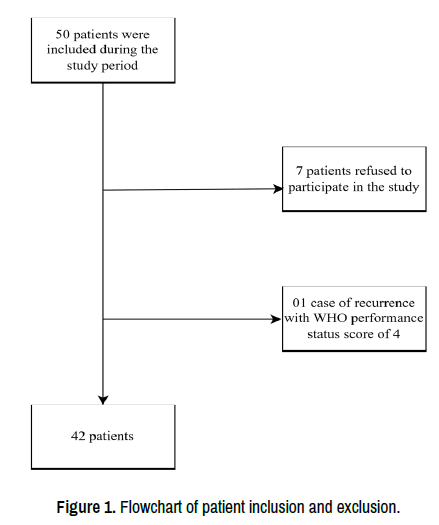
Figure 1. Flowchart of patient inclusion and exclusion.
Age and marital status of participants
The mean age of participants was 55.4 ± 11.3 years, ranging from 28 to 79 years.
The most represented age group was 61–83 years (36%), followed by 39–50 years (31.0%). Figure 2 shows the distribution of patients by age.
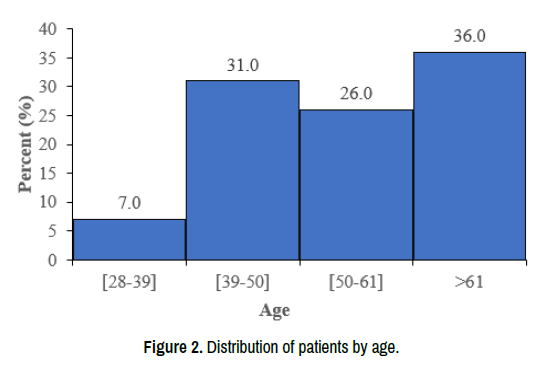
Figure 2. Distribution of patients by age.
Nearly three-quarters of the participants (72.0%) were married or living in a stable union, whereas 14.0% were widowed and 7.0% were single. Figure 3 shows the distribution of patients according to marital status. The estimated mean monthly income of the patients was 128,600 FCFA ± 67,400 FCFA, with substantial disparities observed between salaried employees and women working in the informal sector.
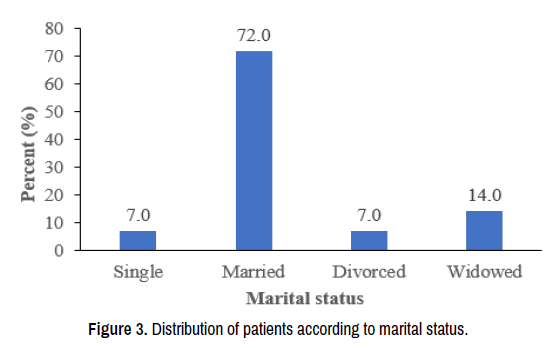
Figure 3. Distribution of patients according to marital status.
All patients (n=42) reported financial problems due to their physical condition or medical treatment, with the majority (73.8%) experiencing "a lot" of problems (Table 1). More than half of the participants (54.8%) presented with one or more comorbidities (Table 1).
| Frequency (n) | Percentage (%) | ||
|---|---|---|---|
| Recruitment Site | CNHU – HKM | 33 | 78.6 |
| CHUMEL | 9 | 21.4 | |
| Monthly Income (FCFA) | <100 000 | 15 | 35.7 |
| 100 000–200 000 | 21 | 50.0 | |
| >200 000 | 6 | 14.3 | |
| Occupation | Civil servant | 18 | 42.9 |
| Retail vendor | 10 | 23.8 | |
| Informal commerce | 9 | 21.4 | |
| Homemaker | 2 | 4.8 | |
| Craft worker | 2 | 4.8 | |
| Farmer | 1 | 2.4 | |
| Experience of Financial Problems | A lot | 31 | 73.81 |
| Moderately | 7 | 16.67 | |
| Comorbidities | None | 19 | 45.2 |
| Present | 23 | 54.8 | |
| Type of Comorbidity | Single | 10 | 24.0 |
| Multiple | 13 | 31.0 |
Table 1. Sociodemographic and clinical characteristics of the study population.
Treatment characteristics
Most patients had received neoadjuvant chemotherapy (69.0%), followed by adjuvant chemotherapy (29.0%), radiotherapy (79.0%) and hormone therapy (1.0%).
Postoperative complications included seroma, wound infection and lymphedema.
Regarding psychosocial support, the majority of participants reported consistent assistance from their families primarily from spouses and children (87.0%) while only a small proportion experienced emotional isolation or lacked support (13.0%).
Global quality of life (EORTC QLQ-C30)
According to Table 2, the questionnaire's internal reliability was acceptable, with Cronbach’s α values ranging from 0.40 to 0.90. Sampling adequacy, assessed using the Kaiser–Meyer–Olkin (KMO) index, ranged from 0.48 to 0.60, indicating sufficient variability among responses.
| Scale (Mean ±SD) | Statistics | |||
|---|---|---|---|---|
| QLQ-C30 | Cronbach’s α | KMO | ||
| Global health status | 69.4 | 0.45 | 0.5 | |
| Functional scales | Physical functioning | 89.7±4.3 | 0.71 | 0.6 |
| Role functioning | 94.8±5.1 | 0.65 | 0.5 | |
| Emotional functioningl | 88.1±1.7 | 0.7 | 0.48 | |
| Cognitive functioning | 79.8±10.3 | 0.76 | 0.5 | |
| Social functioning | 70.2±8.8 | 0.62 | 0.5 | |
| Symptom scale | Fatigue | 7.9 | 0.42 | 0.53 |
| Nausea and vomitingt | 2 | 0.9 | 0.5 | |
| Pain | 12.7 | 0.48 | 0.5 | |
| Dyspnea | 13.5 | - | - | |
| Insomnia | 7.1 | - | - | |
| Appetite loss | 10.3 | - | - | |
| Constipation | 4 | - | - | |
| Diarrhea | 0 | - | - | |
| Financial difficulties | 88.9 | - | - | |
| QLQ BR-23 | Body image | 70.2 | 0.78 | 0.65 |
| Sexual functioning | 29.8 | 0.92 | 0.5 | |
| Sexual enjoyment | 24.6 | - | - | |
| Future perspective | 70.6 | - | - | |
| Symptom scale | Systemic therapy side effects | 12.6 | 0.52 | 0.59 |
| Breast symptoms | 15.5 | 0.32 | 0.51 | |
| Arm symptoms | 12.4 | 0.44 | 0.52 | |
| Hair loss | 26.2 | - | - | |
Table 2. Mean scores and reliability statistics for EORTC QLQ-C30 and QLQ-BR23 scales.
The mean global quality-of-life score was 69.4 / 100, reflecting a moderate perception of general health and well-being after mastectomy.
Functional scales: The mean functional scores were analyzed across five domains and are expressed as mean ± standard deviation (Table 2). Role functioning yielded the highest results at 94.8 ± 5.1, followed by physical functioning at 89.7 ± 4.3 and emotional functioning at 88.1 ± 1.7. The scores were comparatively lower for the remaining domains, with cognitive functioning recorded at 79.8 ± 10.3 and social functioning showing the lowest mean score of 70.2 ± 8.8.
Symptom scales: Symptom scores were generally low, ranging from 2.0 for nausea/vomiting to 13.5 for dyspnea, with the notable exception of financial difficulties (88.9).
Age and sociocultural correlates
Participants younger than 50 years exhibited lower social-functioning scores (62.5) than their older counterparts, indicating greater physical, emotional and social challenges among younger women. These patterns were consistent across ethnic groups (Fon, Yoruba, Goun, Adja, Mina, Nago, Bariba, Senoufo, Dendi, Peda), religious affiliations (Christian, Muslim, traditional), occupations and educational levels.
Divorced participants appeared more affected, with particularly low social-functioning scores. No statistically significant differences were observed according to religion or ethnicity (p>0.05).
Breast cancer specific quality of life (EORTC QLQ-BR23)
The breast cancer specific assessment using the EORTC QLQ-BR23 revealed marked variations across several domains of functioning and symptomatology. The internal reliability of the scale was acceptable (Cronbach’s α>0.40; Kaiser–Meyer–Olkin [KMO]= 0.50–0.65).
Functional scales: The mean functional scores for the specific scales were as follows (Table 2): future perspective had the highest mean score (70.6), followed closely by body image (70.2). In contrast, sexual-related scores were markedly lower, with sexual functioning at 29.8 and sexual enjoyment presenting the lowest mean score (24.6).
Body image remained a central concern for most participants (score of 70.2). Many reported feelings of mutilation, loss of femininity, or discomfort in public settings (functional scales˂30). This perception was particularly pronounced among women younger than 50 years and among those who had not undergone breast reconstruction (p<0.01). Sexual functioning and sexual enjoyment represented the most severely affected domains, with mean scores of 29.8 and 24.6, respectively.
Symptom scales: The mean symptom scores were generally low (Table 2). Breast or chest-wall symptoms had the highest mean score (15.5), followed by systemic therapy side effects (12.6) and arm symptoms (12.4). Hair loss showed a higher mean score (26.2); however, this applied only to the subset of participants who experienced this symptom. Treatment-related side effects were dominated by fatigue, hot flashes and musculoskeletal pain, particularly among women receiving hormone therapy (p=0.03).
Emotional status: Anxiety and depression (HADS)
Assessment of emotional well-being using the Hospital Anxiety and Depression Scale (HADS) demonstrated satisfactory internal consistency and sampling adequacy.
• For anxiety: Cronbach’s α=0.67; KMO=0.59
• For depression: Cronbach’s α=0.82; KMO=0.76
Most participants scored below 7 on both subscales, indicating a low prevalence of anxiety and depressive disorders, with the majority falling within the normal range .
Factors associated with quality of life
Bivariate analysis (Table 3) identified several statistically significant associations:
| Functional Scales | Symptom Scale | |||||||||
|---|---|---|---|---|---|---|---|---|---|---|
| Body Image | Sexual Functioning | Sexual Enjoyment | Future Perspective | Systemic Therapy Side Effects | Breast Symptoms | Arm Symptoms | Hair Loss | p-value | ||
| Age | 55.6 | 38.9 | 33.3 | 44.4 | 12.7 | 11.1 | 14.8 | 44.4 | <0.05 |
|
| 55.8 | 28.2 | 28.2 | 69.2 | 15.4 | 14.1 | 16.2 | 25.6 | |||
| 75.0 | 36.4 | 30.3 | 78.8 | 11.7 | 18.9 | 11.1 | 24.2 | |||
| 82.2 | 24.4 | 15.6 | 71.1 | 10.8 | 15.0 | 9.6 | 24.4 | |||
| Education Level | None | 80.6 | 27.8 | 22.2 | 55.6 | 11.1 | 22.2 | 7.4 | 0.0 | <0.05 |
| Primary | 51.0 | 20.8 | 16.7 | 66.7 | 10.7 | 12.5 | 8.3 | 33.3 | ||
| Secondary | 76.5 | 30.4 | 23.5 | 82.4 | 13.5 | 15.2 | 13.1 | 23.5 | ||
| University | 71.4 | 34.5 | 31.0 | 61.9 | 12.9 | 16.1 | 15.1 | 31.0 | ||
| Marital Status | Single | 41.7 | 25.0 | 16.7 | 50.0 | 16.7 | 8.3 | 27.8 | 0.0 | >0.05 |
| Divorced | 88.9 | 16.7 | 22.2 | 88.9 | 11.1 | 16.7 | 11.1 | 22.2 | ||
| Married | 68.9 | 34.4 | 28.9 | 72.2 | 12.4 | 15.8 | 12.2 | 28.9 | ||
| Religious sister | 75.0 | 16.7 | 33.3 | 66.7 | 19.0 | 33.3 | 0.0 | 33.3 | ||
| Widow | 76.4 | 16.7 | 5.6 | 61.1 | 11.9 | 12.5 | 11.1 | 22.2 | ||
| Income | Low <100 000 | 61.7 | 24.4 | 17.8 | 68.9 | 11.1 | 14.4 | 7.4 | 31.1 | >0.05 |
| Medium ]100 000; 200 000[ | 73.0 | 33.3 | 30.2 | 71.4 | 13.4 | 15.9 | 14.8 | 19.1 | ||
| High >200 000 | 81.9 | 30.6 | 22.2 | 72.2 | 13.5 | 16.7 | 16.7 | 38.9 | ||
| Occupation | Civil servant | 65.5 | 29.8 | 31.0 | 64.3 | 16.0 | 17.3 | 12.7 | 28.6 | >0.05 |
| Entrepreneur | 71.9 | 31.3 | 22.2 | 73.6 | 11.1 | 14.9 | 12.0 | 25.0 | ||
| Retired | 77.1 | 20.8 | 16.7 | 75.0 | 9.5 | 12.5 | 13.9 | 25.0 | ||
| Comorbidity | Yes | 70.5 | 25.7 | 25.0 | 68.1 | 13.9 | 14.6 | 10.7 | 23.6 | >0.05 |
| No | 69.9 | 35.2 | 24.1 | 74.1 | 10.9 | 16.7 | 14.8 | 29.6 | ||
| Mastectomy | Total | 69.7 | 30.1 | 25.2 | 71.5 | 12.5 | 15.7 | 12.2 | 25.2 | >0.05 |
| Skin-sparing | 91.7 | 16.7 | 0.0 | 33.3 | 14.3 | 8.3 | 22.2 | 66.7 | ||
| Chemotherapy | Neoadjuvant | 69.8 | 31.0 | 26.4 | 71.3 | 12.0 | 14.7 | 11.9 | 25.3 | >0.05 |
| Adjuvant | 70.1 | 26.4 | 19.4 | 72.2 | 13.5 | 16.0 | 13.0 | 30.6 | ||
| No chemotherapy | 83.3 | 33.3 | 33.3 | 33.3 | 19.1 | 33.3 | 22.2 | 0.0 | ||
| Radiotherapy | Yes | 70.5 | 31.3 | 27.3 | 71.7 | 12.4 | 15.7 | 10.4 | 23.2 | >0.05 |
| No | 69.4 | 24.1 | 14.8 | 66.7 | 13.2 | 14.8 | 19.8 | 37.0 | ||
| Breast Reconstruction | Yes | 65.5 | 29.8 | 23.8 | 73.8 | 14.3 | 14.9 | 11.1 | 33.3 | >0.05 |
| No | 72.6 | 29.8 | 25.0 | 69.1 | 11.7 | 15.8 | 13.1 | 22.6 | ||
Table 3. Associations between sociodemographic/clinical factors and EORTC QLQ-BR23 scores.
• Marital status: Married women demonstrated higher global quality-of-life scores compared with single or widowed participants (p<0.05).
• Educational level: Higher education was positively associated with better emotional and social functioning. Women with secondary or university education achieved significantly higher mean scores than those without formal education (p<0.05).
• Monthly income: Participants with higher income (>100,000 FCFA) showed superior role functioning and fewer financial difficulties (p<0.01).
• Time since mastectomy: Women operated on more than two years earlier exhibited better emotional adjustment but lower body-image scores, suggesting gradual yet incomplete psychological reorganization.
• Family support: Strong family support correlated positively with both social and emotional functioning, emphasizing the protective role of supportive relationships in post-mastectomy recovery.
Principal findings
This study assessed the quality of life, psychosocial experience and prevalence of depressive symptoms among mastectomized women in southern Benin and identified factors associated with these outcomes. Using a descriptive and analytical cross-sectional design well suited for estimating health indicators in a defined population at a specific time [4] the study showed an overall satisfactory global QoL score (69.4), with high functional scores in physical, emotional, cognitive and social domains. Despite this positive global profile, sexual functioning and enjoyment remained the most impaired dimensions, consistent with previous findings in Africa and elsewhere [11, 12]. Body image was moderately preserved (70.2), but strongly influenced by age and marital status, with younger and single women reporting greater distress, in line with findings from Archangelo SCV, et al. [13] and Fobair P, et al. [14].
The prevalence of clinically significant depression was remarkably low (2.3%), contrasting with higher rates reported in Ethiopia (25%) [15] and other LMIC settings. Sociocultural resilience, strong family involvement and spiritual coping frequently emphasized by participants likely contributed to this discrepancy. Although not quantitatively measured, these mechanisms are consistent with protective psychosocial factors described in comparable contexts.
Adjuvant treatments played a variable role in survivors' well-being. Chemotherapy, received by 98% of participants, was not significantly associated with QoL scores, likely due to the time elapsed since treatment completion, allowing recovery from acute toxicities. Radiotherapy (79%), however, was significantly associated with higher global QoL and better functional outcomes (p<0.05), suggesting beneficial effects on physical recovery and symptom relief. These findings align with evidence describing both the burden of chemotherapy-related toxicities [16, 17] and the positive impact of effective local disease control through radiotherapy.
Sociodemographic and economic determinants remained central to survivorship outcomes. Younger age, lower education and financial hardship were strongly associated with poorer QoL, echoing findings by Shim EJ, et al. [18], Kaminska M, et al. [19] and Konieczny M, et al. [20]. Economic vulnerability was pervasive, consistent with previous studies linking poverty to impaired functioning and lower survivorship outcomes [4, 21]. The low uptake of reconstructive surgery mainly due to financial constraints, fear of reoperation and limited access mirrors global trends reported elsewhere [5, 7].
Overall, the study's findings align with international literature on post-mastectomy survivorship, while highlighting the distinctive sociocultural and socioeconomic realities shaping women’s recovery in sub-Saharan Africa.
Strengths and limitations
A key strength of this study lies in its rigorous methodological approach. The exhaustive recruitment of all eligible women minimized selection bias, while the digitalized KoboCollect questionnaire and face-to-face administration reduced missing data and misinterpretation. Pretesting further ensured clarity and internal consistency. The use of standardized, validated instruments (EORTC QLQ-C30, QLQ-BR23, HADS) [22-24] strengthened internal validity and comparability with international studies.
However, several limitations must be acknowledged. The relatively modest sample size due to challenges in locating patients and geographic dispersion may limit external validity. Recall bias, inherent to retrospective self-reporting, cannot be fully excluded. Cultural variations in the expression of mental distress may also have contributed to the low prevalence of depression. Additionally, some psychosocial determinants frequently cited by participants (religiosity, social support, resilience) were not quantitatively measured, which may lead to residual confounding in interpreting the mental health outcomes.
Despite these limitations, bias was mitigated through standardized protocols and direct data collection methods and the study provides a reliable overview of survivorship challenges in this population.
Relevance and implications
The findings have important implications for clinical practice, survivorship care and health policy. The generally satisfactory QoL, despite socioeconomic hardship, highlights substantial resilience among Beninese survivors but also underscores persistent unmet needs particularly in sexual health, financial support and body-image related distress. These areas should be prioritized in follow-up care and counseling.
Given the strong influence of age, education and financial hardship on QoL outcomes, future clinical pathways should integrate tailored psychosocial interventions, health education and socioeconomic assistance. Improving access to radiotherapy currently limited and costly remains essential, as does expanding coverage for reconstructive surgery, which remains inaccessible for most patients.
From a research perspective, future studies should include larger, multi-center cohorts and integrate quantitative assessments of social support, spirituality and community-based coping strategies, which appear to play a key protective role but remain understudied. Longitudinal designs would further clarify causal pathways and trajectory changes in QoL over time.
Overall, the study contributes valuable evidence on survivorship after mastectomy in a low-resource sub-Saharan context, emphasizing the need for comprehensive, culturally sensitive and equity-oriented models of post-cancer care.
This study provides essential insights into the quality of life, psychosocial well-being and socioeconomic challenges faced by mastectomized women in southern Benin. Overall quality of life was satisfactory, supported by high functional scores, preserved body image and a remarkably low prevalence of depression. However, significant impairments persisted in the sexual domain, highlighting an area of unmet need in survivorship care. Age, education and financial hardship emerged as key determinants of well-being, reaffirming the complex interplay between medical, psychological and economic factors in post-mastectomy recovery.
These findings underscore the need for a holistic, patient-centered approach integrating psychological support, sexual health counseling, socioeconomic assistance and improved access to comprehensive cancer services including reconstructive surgery and affordable radiotherapy. Strengthening universal health coverage and supportive care pathways could substantially improve long-term survivorship outcomes.
Future research should explore larger, multicenter cohorts, incorporate longitudinal follow-up and examine the roles of social support, spirituality and cultural coping mechanisms in greater depth. Such studies will be crucial for designing culturally adapted survivorship programs that enhance the overall well-being of breast cancer survivors in sub-Saharan Africa.
• Conception: FHRG.
• Supervision: FHRG.
• Data collection: FHRG, HMD, MA.
• Statistical analysis: FHRG, HMD, FA.
• Final approval of the version to be published: all the authors
• Administrative Support: LEMACEN
Ethical Considerations
The study was conducted in accordance with the ethical principles of the Declaration of Helsinki (2013 revision).
“Artificial intelligence (ChatGPT, OpenAI GPT-5.1, November 2025) was used exclusively to assist with English translation and occasional linguistic refinement during the writing and revision stages of the manuscript. No AI tool was involved in study design, data collection, data analysis, interpretation of results, or Figure creation. Only anonymised manuscript text (without any patient-level or sensitive data) was provided to the system through its cloud-based interface. All AI-assisted outputs were systematically reviewed, corrected when necessary and fully validated by the authors, who assume complete responsibility for the scientific integrity, accuracy and originality of the final manuscript. No conflicts of interest or financial ties to AI vendors exist.”
Not applicable.
No funding was available for this study.
Ethical considerations and data confidentiality were respected. Permissions from relevant hospital authorities were obtained beforehand.
The datasets used and/or analyzed during the current study are available from the corresponding author upon reasonable request.
The authors declare that they have no conflict of interest.
Google Scholar, Cross Ref, Indexed at
Google Scholar, Cross Ref, Indexed at
Google Scholar, Cross Ref, Indexed at
Google Scholar, Cross Ref, Indexed at
Google Scholar, Cross Ref, Indexed at
Google Scholar, Cross Ref, Indexed at
Google Scholar, Cross Ref, Indexed at
Google Scholar, Cross Ref, Indexed at
Google Scholar, Cross Ref, Indexed at
Google Scholar, Cross Ref, Indexed at
Google Scholar, Cross Ref, Indexed at
Google Scholar, Cross Ref, Indexed at
Google Scholar, Cross Ref, Indexed at
Google Scholar, Cross Ref, Indexed at
Google Scholar, Cross Ref, Indexed at
Google Scholar, Cross Ref, Indexed at
Google Scholar, Cross Ref, Indexed at
Google Scholar, Cross Ref, Indexed at
Archives of Surgical Oncology received 37 citations as per Google Scholar report