Opinion - (2025) Volume 9, Issue 4
Received: 01-Jul-2025, Manuscript No. jchd-26-185698;
Editor assigned: 03-Jul-2025, Pre QC No. P-185698;
Reviewed: 17-Jul-2025, QC No. Q-185698;
Revised: 22-Jul-2025, Manuscript No. R-185698;
Published:
29-Jul-2025
, DOI: 10.37421/2684-6020.2024.9.254
Citation: Schmidt, Oliver. ”Personalized Coronary Heart Disease:
Biomarkers, Genes, Therapies.” J Coron Heart Dis 09 (2025):254.
Copyright: © 2025 Schmidt O. This is an open-access article distributed under the terms of the Creative Commons Attribution License, which permits unrestricted use,
distribution and reproduction in any medium, provided the original author and source are credited.
Coronary heart disease (CHD) stands as a paramount global health concern, demanding comprehensive strategies for its effective management and prevention. The landscape of CHD care is rapidly advancing, with a growing emphasis on personalized treatment pathways tailored to individual patient profiles and risk factors. This personalized approach involves intricate risk stratification, aiming to identify individuals most susceptible to developing or experiencing adverse cardiovascular events, thereby enabling targeted interventions before clinical manifestations become severe. Early detection is increasingly reliant on the discovery and validation of novel biomarkers that can signal underlying disease processes at their nascent stages, offering a window for preemptive action and improved prognoses. The development of targeted pharmacological interventions represents a significant frontier, with researchers striving to create therapies that address specific molecular pathways involved in CHD pathogenesis, moving beyond broad-acting agents to more precise and effective treatments. The intricate interplay between an individual's genetic predisposition, their lifestyle choices, and the emergence of novel therapeutic targets is fundamental to enhancing patient outcomes and reducing the burden of cardiovascular mortality and morbidity. Emerging therapeutic targets, such as PCSK9 inhibitors that dramatically lower LDL cholesterol and anti-inflammatory agents that address the chronic inflammatory component of atherosclerosis, are revolutionizing the medical management of CHD. This dynamic field of research is characterized by continuous evolution, fueled by new discoveries and a deepening understanding of the complex biological mechanisms underlying CHD. A crucial aspect of this progress is the growing recognition of the necessity for interdisciplinary collaboration, bringing together experts from diverse fields to collectively combat the multifaceted challenge posed by coronary heart disease. The future of CHD management hinges on integrating these diverse elements into cohesive and effective clinical strategies, ensuring that patients receive the most advanced and individualized care available, leading to better long-term health and quality of life. This collaborative spirit is essential for translating cutting-edge research into tangible clinical benefits for a growing global population affected by this disease, underscoring the importance of a united front against this persistent health threat. The commitment to advancing knowledge and applying it to patient care drives innovation in this critical area of medicine, aiming to reduce the global impact of CHD.[1]
The pathophysiology of atherosclerosis, the underlying cause of most CHD, is being illuminated by novel insights, which are consequently paving the way for the development of more effective and targeted therapies. A deep understanding of the inflammatory cascades that occur within the arterial wall is proving to be a critical element in unraveling the complex mechanisms driving atherosclerosis. This involves a detailed exploration of the specific roles played by various immune cells and the intricate signaling pathways that collectively contribute to plaque development, progression, and potential instability. Consequently, anti-inflammatory drugs and immunomodulatory approaches are progressively gaining traction and recognition as highly promising therapeutic strategies aimed at significantly slowing disease progression and effectively preventing the occurrence of acute coronary events. The biological processes involved in the formation and destabilization of atherosclerotic plaques are intimately linked to chronic inflammation. Targeting these inflammatory pathways offers a unique opportunity to intervene in the disease process at its root. Researchers are investigating how to modulate the immune response within the arterial wall to reduce the inflammatory burden and promote plaque stability. This includes exploring the effects of various anti-inflammatory agents and immunomodulatory compounds on the cellular and molecular mechanisms that drive atherosclerosis. The ultimate goal is to develop therapies that not only reduce the risk of cardiovascular events but also improve the overall health of the arterial system. The complexity of these inflammatory processes necessitates a thorough understanding of the interactions between different cell types and signaling molecules within the arterial wall. This knowledge is crucial for designing effective therapeutic interventions that can precisely target the inflammatory pathways involved in atherosclerosis without causing undue side effects. The continued research in this area holds significant promise for transforming the management of cardiovascular disease and improving patient outcomes.[2] The management of dyslipidemia, a profoundly significant and modifiable risk factor for coronary heart disease, is currently undergoing a period of substantial evolution and refinement. Traditional therapies, such as statins, have long been the cornerstone of lipid-lowering treatments, demonstrating significant benefits in reducing cardiovascular events. However, the advent of newer lipid-lowering therapies, most notably PCSK9 inhibitors, has introduced a paradigm shift, showcasing their capacity to achieve substantial reductions in cardiovascular events, particularly in high-risk populations. The current focus in clinical practice is shifting towards optimizing the intensity of lipid-lowering treatments and judiciously considering the use of combination therapies, which involve employing multiple classes of lipid-lowering agents simultaneously. This approach aims to achieve target lipid levels more effectively and rapidly, especially in individuals identified as being at high risk for cardiovascular events. Personalized approaches, which meticulously consider an individual's unique genetic factors, metabolic profile, and importantly, their adherence to prescribed medication regimens, are becoming increasingly paramount in tailoring effective dyslipidemia management. The genetic makeup of an individual can influence their response to different lipid-lowering medications, making pharmacogenomic approaches a valuable tool in optimizing treatment. Furthermore, ensuring patient adherence is critical, as even the most effective therapies will fail if not taken as prescribed. Therefore, strategies that enhance patient engagement and understanding of their treatment plan are essential. The ultimate goal is to achieve optimal lipid control in all patients, thereby minimizing their risk of developing or experiencing cardiovascular complications.[3] Genetic insights are playing an increasingly vital role in both understanding the fundamental mechanisms of coronary heart disease (CHD) and in guiding its clinical management. Extensive genome-wide association studies (GWAS) have been instrumental in identifying numerous genetic loci, specific regions of the genome, that are significantly associated with an increased risk of developing coronary artery disease. This burgeoning understanding of the genetic architecture of CHD is beginning to inform the development of more personalized prevention strategies, allowing for earlier identification of at-risk individuals and more precise risk stratification based on their genetic makeup. While the clinical implementation of these genetic insights is still in its nascent stages, the potential for genetic information to revolutionize preventive cardiology is immense. Pharmacogenomics, a related field, also plays a crucial role by enabling the tailoring of medication choices based on an individual's genetic profile, thereby predicting potential treatment responses and minimizing the risk of adverse drug reactions. The application of genetic knowledge promises to move CHD management from a one-size-fits-all approach to a highly individualized and proactive strategy, ultimately leading to better patient outcomes and a reduced burden of cardiovascular disease. The ongoing research in this area is continuously expanding our knowledge of how genetic factors influence CHD, paving the way for more effective interventions.[4] Lifestyle modifications continue to represent a foundational cornerstone in both the prevention and effective management of coronary heart disease (CHD). These essential modifications encompass a range of behaviors, including the promotion and adoption of healthy dietary patterns, the integration of regular physical activity into daily routines, the critical cessation of smoking, and the implementation of effective strategies for managing psychological stress. Emerging research consistently highlights the profound and sustained long-term benefits associated with adopting and diligently maintaining these healthy lifestyle behaviors. Importantly, these benefits are often amplified when these lifestyle interventions are employed in conjunction with evidence-based pharmacological therapies, leading to significant and meaningful reductions in cardiovascular risk. The synergistic effect of lifestyle changes and medication is a powerful tool in combating CHD. Emphasizing these aspects in patient care is crucial for long-term cardiovascular health. The consistent application of these principles can lead to substantial improvements in patient outcomes. Educating patients about the importance and benefits of these modifications is a key component of comprehensive CHD management. These lifestyle changes empower individuals to take an active role in their own health.[5] The role and clinical utility of novel biomarkers in the context of coronary heart disease (CHD) are undergoing a rapid and expansive evolution. Beyond the well-established and traditionally measured markers, such as low-density lipoprotein (LDL) cholesterol, a new generation of sophisticated assays is being developed and validated. These advanced assays are designed to detect subtle yet critical indicators of underlying disease processes, including subclinical inflammation, the vulnerability of atherosclerotic plaques to rupture, and the presence of endothelial dysfunction, which signifies impaired function of the inner lining of blood vessels. These emerging biomarkers hold significant promise for substantially improving the accuracy and precision of risk prediction for CHD events, providing clinicians with more refined tools to identify individuals at elevated risk. Furthermore, they are poised to play a crucial role in guiding more informed and personalized treatment decisions, allowing for the selection of therapies best suited to an individual's specific disease profile. The ability of these novel biomarkers to effectively monitor therapeutic response in real-world clinical practice is also a key area of development, enabling clinicians to assess the efficacy of interventions and make timely adjustments as needed. The integration of these advanced biomarkers into routine clinical care has the potential to transform CHD management, making it more proactive, personalized, and effective.[6] Cardiovascular imaging techniques continue to exhibit remarkable advancements, offering increasingly unparalleled insights into the intricate structure and dynamic function of the coronary arteries and the heart muscle (myocardium). Sophisticated techniques such as advanced computed tomography angiography (CTA), cardiac magnetic resonance imaging (CMR), and novel echocardiographic methods are proving to be absolutely crucial for the accurate diagnosis of CHD, a comprehensive assessment of cardiovascular risk, and the precise guidance of interventional procedures in patients diagnosed with CHD. These non-invasive imaging tools are rapidly becoming indispensable components of contemporary cardiology practice, providing a detailed, three-dimensional view of the cardiovascular system that was previously unattainable. Their ability to visualize plaque characteristics, assess blood flow, and evaluate myocardial function allows for a more complete understanding of a patient's cardiovascular status. The continuous refinement of these technologies is leading to improved diagnostic accuracy, enhanced risk stratification, and more effective treatment planning, ultimately contributing to better patient outcomes and improved management of coronary artery disease. The integration of these advanced imaging modalities into the clinical workflow is essential for providing state-of-the-art care for patients with cardiovascular conditions.[7] The management of patients presenting with acute coronary syndromes (ACS), a critical manifestation of CHD, is fundamentally reliant upon prompt and accurate diagnosis, timely revascularization procedures to restore blood flow to the heart muscle, and the implementation of optimal medical therapy. Emerging strategies in this high-acuity setting are continuously being refined, including the judicious use of more potent antiplatelet agents designed to prevent blood clot formation, the application of improved percutaneous coronary intervention (PCI) techniques for minimally invasive procedures, and the development of tailored secondary prevention measures. These comprehensive strategies are aimed at significantly reducing the risk of recurrent cardiovascular events and substantially improving long-term survival rates for ACS patients. The rapid evolution of treatments for ACS reflects the ongoing commitment to improving outcomes for individuals experiencing these life-threatening cardiac events. The coordinated efforts of the healthcare team are crucial for delivering timely and effective care to these vulnerable patients. The focus on both immediate management and long-term prevention is key to optimizing patient recovery and quality of life following an ACS event.[8] Cardiovascular rehabilitation programs are recognized as an essential and vital component in the comprehensive care of patients with coronary heart disease (CHD). These structured programs are specifically designed to promote patient recovery following a cardiac event or intervention, significantly improve their functional capacity and exercise tolerance, and demonstrably reduce the risk of experiencing future cardiovascular events. The typical components of a well-rounded cardiovascular rehabilitation program encompass carefully supervised exercise training, comprehensive education on risk factor modification strategies, and crucial psychosocial support tailored to the individual needs and capacities of each patient. The multidisciplinary approach inherent in these programs addresses the physical, emotional, and behavioral aspects of recovery, empowering patients to adopt healthier lifestyles and regain confidence in their physical abilities. The long-term benefits of participating in such programs are well-established, contributing to improved quality of life and reduced healthcare utilization among CHD survivors.[9] The integration of artificial intelligence (AI) and machine learning (ML) into the field of cardiology is profoundly transforming the approach to managing coronary heart disease (CHD) care. These advanced computational technologies are increasingly being employed across various aspects of CHD management, including the enhancement of risk prediction models, the automation of complex image analysis from cardiovascular imaging studies, the generation of personalized treatment recommendations tailored to individual patient characteristics, and the identification of novel therapeutic targets that may have previously gone unnoticed. The potential for AI and ML to significantly enhance both the efficiency and the accuracy of CHD management is immense, promising to streamline clinical workflows, improve diagnostic capabilities, and ultimately lead to more effective and personalized patient care. The ongoing development and application of these technologies are poised to revolutionize cardiovascular medicine, offering new avenues for research and clinical practice aimed at improving outcomes for patients with CHD. The collaborative synergy between human expertise and AI-driven insights holds the key to unlocking new frontiers in cardiac care. The application of these technologies represents a significant leap forward in our ability to diagnose, treat, and prevent heart disease.[10]Coronary heart disease (CHD) continues to be a major cause of mortality worldwide, underscoring the necessity for a comprehensive and multifaceted approach to its management and prevention. Recent advancements in the field have placed a significant emphasis on developing personalized treatment strategies that are tailored to the specific needs and risk profiles of individual patients. This personalized approach begins with accurate risk stratification, a process that helps clinicians identify individuals who are at higher risk of developing or experiencing adverse cardiovascular events, allowing for early and targeted interventions. Early detection is becoming increasingly reliant on the identification and utilization of novel biomarkers, which can signal the presence of disease processes at their earliest stages, thereby providing a critical window for preemptive medical management and improving overall patient prognoses. The development of targeted pharmacological interventions represents a key frontier in CHD research, with a focus on creating therapies that address specific molecular pathways involved in the pathogenesis of the disease, moving beyond broader-acting agents to more precise and effective treatments. The complex interplay between an individual's genetic predisposition, their lifestyle choices, and the emergence of novel therapeutic targets is fundamental to improving patient outcomes and reducing the global burden of cardiovascular morbidity and mortality. Emerging therapeutic targets, such as PCSK9 inhibitors that significantly lower LDL cholesterol levels and anti-inflammatory agents that address the chronic inflammatory component of atherosclerosis, are revolutionizing the medical management of CHD and offering new hope for patients. This dynamic and rapidly evolving area of research is fueled by continuous discoveries and a deepening understanding of the complex biological mechanisms underlying CHD. A crucial aspect of this progress is the growing recognition of the indispensable need for interdisciplinary collaboration, which brings together experts from diverse fields to collectively address the multifaceted challenges posed by coronary heart disease. The future of CHD management hinges on the successful integration of these diverse elements into cohesive and effective clinical strategies, ensuring that patients receive the most advanced and individualized care available, leading to improved long-term health and enhanced quality of life. This collaborative spirit is essential for translating cutting-edge research into tangible clinical benefits for a growing global population affected by this pervasive disease, emphasizing the importance of a united front against this persistent health threat. The commitment to advancing knowledge and applying it to patient care drives innovation in this critical area of medicine, aiming to reduce the global impact of CHD and improve patient well-being.[1]
Novel insights into the intricate pathophysiology of atherosclerosis are actively paving the way for the development and implementation of more effective therapeutic strategies. A fundamental aspect of this progress involves gaining a deeper understanding of the inflammatory cascades occurring within the arterial wall, which are critical drivers of disease progression. This exploration delves into the specific roles of various immune cells and the complex signaling pathways that orchestrate plaque development, progression, and eventual instability. Consequently, anti-inflammatory drugs and immunomodulatory approaches are increasingly being recognized and utilized as highly promising therapeutic options aimed at significantly slowing the advancement of atherosclerosis and effectively preventing the occurrence of acute coronary events. The biological processes underlying atherosclerotic plaque formation and destabilization are intimately linked to chronic inflammation, making these pathways a prime target for intervention. Researchers are actively investigating methods to modulate the immune response within the arterial wall to reduce inflammation and promote plaque stability, thereby mitigating the risk of rupture and subsequent cardiovascular events. This includes exploring the effects of diverse anti-inflammatory agents and immunomodulatory compounds on the cellular and molecular mechanisms that drive atherosclerosis. The ultimate objective is to develop therapies that not only reduce the incidence of cardiovascular events but also contribute to the overall health and integrity of the arterial system. The complexity of these inflammatory processes necessitates a comprehensive understanding of the intricate interactions between different cell types and signaling molecules within the arterial wall. This detailed knowledge is indispensable for designing effective therapeutic interventions that can precisely target the specific inflammatory pathways involved in atherosclerosis without inducing significant or undesirable side effects. Continued research in this domain holds immense promise for transforming the management paradigms for cardiovascular disease and substantially improving patient outcomes.[2] The management of dyslipidemia, a critical modifiable risk factor for coronary heart disease (CHD), is undergoing a significant and dynamic evolution. While statins have long been the established cornerstone of lipid-lowering therapies, demonstrating considerable success in reducing cardiovascular events, newer agents have emerged to further enhance treatment efficacy. Among these, PCSK9 inhibitors have proven particularly impactful, demonstrating substantial reductions in cardiovascular events, especially in high-risk patient populations. Current clinical strategies are increasingly focusing on optimizing the intensity of lipid-lowering treatments and exploring the judicious use of combination therapies. This approach aims to achieve target lipid levels more effectively and rapidly, particularly for individuals at high risk of experiencing cardiovascular events. The paramount importance of personalized approaches is becoming increasingly evident, with a growing emphasis on considering individual genetic factors, patient adherence to medication, and other unique patient characteristics to tailor the most effective treatment plan. The genetic makeup of an individual can significantly influence their response to various lipid-lowering medications, making pharmacogenomic considerations increasingly relevant in optimizing therapeutic strategies. Furthermore, ensuring robust patient adherence is crucial, as even the most potent therapies will yield suboptimal results if not taken consistently as prescribed. Therefore, strategies aimed at enhancing patient engagement and understanding of their treatment regimen are vital for successful dyslipidemia management. The overarching goal remains to achieve optimal lipid control in all patients, thereby minimizing their risk of developing or experiencing debilitating cardiovascular complications and improving their long-term health outcomes.[3] Genetic insights are progressively becoming more integral to both understanding the underlying mechanisms of coronary heart disease (CHD) and guiding its clinical management. Extensive genome-wide association studies (GWAS) have been instrumental in pinpointing numerous genetic loci that are significantly associated with an increased risk of developing coronary artery disease. This expanding comprehension of the genetic architecture of CHD is beginning to inform the development of more personalized prevention strategies and refined risk stratification methods, enabling earlier identification of susceptible individuals. While the clinical implementation of these genetic findings is still in its early stages, their potential to revolutionize preventive cardiology is substantial. Pharmacogenomics, a related discipline, also plays a vital role by facilitating the selection of medications tailored to an individual's genetic profile, thereby enhancing the prediction of treatment responses and minimizing the likelihood of adverse drug reactions. The application of genetic knowledge promises to shift CHD management away from a standardized approach towards a highly individualized and proactive strategy, ultimately leading to improved patient outcomes and a reduced overall burden of cardiovascular disease. Ongoing research in this area continues to expand our knowledge of how genetic factors influence CHD, paving the way for more effective and precise interventions. The integration of genetic information into clinical decision-making holds the potential for a paradigm shift in cardiovascular care.[4] Lifestyle modifications remain a fundamental and indispensable cornerstone in both the prevention and effective management of coronary heart disease (CHD). These crucial modifications encompass a range of health-promoting behaviors, including the promotion and adoption of nutritious dietary patterns, the consistent integration of regular physical activity into daily life, the critical cessation of smoking, and the implementation of effective strategies for managing psychological stress. Emerging scientific research consistently highlights the profound and sustained long-term benefits associated with adopting and diligently maintaining these healthy lifestyle behaviors. Critically, these benefits are often significantly amplified when these lifestyle interventions are implemented in conjunction with evidence-based pharmacological therapies, leading to substantial and clinically meaningful reductions in overall cardiovascular risk. The synergistic effect achieved through the combination of lifestyle changes and appropriate medical treatment represents a powerful strategy in combating CHD. Emphasizing these lifestyle aspects in patient care is paramount for ensuring long-term cardiovascular health and well-being. The consistent application of these principles can lead to significant improvements in patient outcomes and a reduction in the incidence of cardiovascular events. Educating patients thoroughly about the importance and multifaceted benefits of these modifications is an essential component of comprehensive CHD management. These proactive lifestyle changes empower individuals to take an active and central role in managing their own health and preventing disease.[5] The clinical significance and utility of novel biomarkers in the context of coronary heart disease (CHD) are undergoing a rapid and expansive evolution. Beyond the well-established traditional markers, such as low-density lipoprotein cholesterol (LDL-C), a new generation of sophisticated diagnostic assays is being developed and rigorously validated. These advanced assays are specifically designed to detect subtle yet critical indicators of underlying pathophysiological processes, including the presence of subclinical inflammation, the assessment of atherosclerotic plaque vulnerability to rupture, and the identification of endothelial dysfunction, which signifies an impairment in the function of the inner lining of blood vessels. These emerging biomarkers hold considerable promise for substantially improving the accuracy and precision of risk prediction for future CHD events, providing clinicians with more refined tools to identify individuals at elevated risk. Furthermore, they are expected to play a crucial role in guiding more informed and personalized treatment decisions, enabling the selection of therapies that are best suited to an individual's specific disease profile and risk factors. The ability of these novel biomarkers to effectively monitor therapeutic response in routine clinical practice is also a key area of ongoing development, empowering clinicians to assess the efficacy of interventions and make timely adjustments to treatment regimens as needed. The integration of these advanced biomarkers into standard clinical care has the potential to fundamentally transform CHD management, making it more proactive, personalized, and ultimately more effective in improving patient outcomes and reducing the burden of cardiovascular disease.[6] Cardiovascular imaging techniques are experiencing continuous and remarkable advancements, offering increasingly unparalleled insights into the intricate structure and dynamic function of the coronary arteries and the myocardium. Advanced modalities such as computed tomography angiography (CTA), cardiac magnetic resonance imaging (CMR), and innovative echocardiographic methods are proving to be critically important for accurate diagnosis, comprehensive cardiovascular risk assessment, and precise guidance of interventional procedures in patients diagnosed with CHD. These non-invasive imaging tools are rapidly becoming indispensable components of contemporary cardiology practice, providing detailed, often three-dimensional, visualization of the cardiovascular system that was previously unattainable. Their capacity to visualize plaque characteristics, accurately assess blood flow dynamics, and evaluate myocardial function allows for a more complete and nuanced understanding of a patient's cardiovascular status. The ongoing refinement and technological improvements of these imaging modalities are leading to enhanced diagnostic accuracy, more precise risk stratification, and the development of more effective treatment planning strategies, all of which ultimately contribute to improved patient outcomes and better overall management of coronary artery disease. The integration of these advanced imaging modalities into the standard clinical workflow is essential for delivering state-of-the-art, high-quality care to patients presenting with a wide range of cardiovascular conditions.[7] The management of patients presenting with acute coronary syndromes (ACS), a critical and life-threatening manifestation of coronary heart disease (CHD), relies heavily on prompt and accurate diagnosis, timely restoration of blood flow to the heart muscle through revascularization procedures, and the meticulous implementation of optimal medical therapy. Emerging strategies in this high-acuity clinical setting are continuously being refined to improve patient outcomes. These advancements include the judicious use of more potent antiplatelet agents to prevent blood clot formation, the application of improved percutaneous coronary intervention (PCI) techniques for minimally invasive procedures, and the development of highly tailored secondary prevention measures. These comprehensive strategic efforts are aimed at significantly reducing the risk of recurrent cardiovascular events and substantially improving the long-term survival rates for individuals who have experienced an ACS event. The rapid evolution of therapeutic approaches for ACS underscores the ongoing commitment to enhancing patient care and outcomes for individuals facing these serious cardiac emergencies. The coordinated efforts of a multidisciplinary healthcare team are absolutely crucial for delivering timely, effective, and high-quality care to these vulnerable patients. The strategic focus on both immediate management of the acute event and robust long-term prevention strategies is key to optimizing patient recovery, functional capacity, and overall quality of life following an ACS event.[8] Cardiovascular rehabilitation programs are widely recognized as an essential and vital component in the comprehensive management and recovery of patients with coronary heart disease (CHD). These structured, multidisciplinary programs are specifically designed to facilitate patient recovery following a cardiac event or intervention, significantly improve their functional capacity and exercise tolerance, and demonstrably reduce the risk of experiencing subsequent cardiovascular events. The core components of a well-designed cardiovascular rehabilitation program typically include carefully supervised exercise training tailored to individual capabilities, comprehensive patient education regarding risk factor modification strategies, and essential psychosocial support. This support is meticulously tailored to address the individual needs and capacities of each patient, recognizing the multifaceted impact of CHD. The inherently multidisciplinary approach characteristic of these programs addresses the physical, emotional, and behavioral aspects of recovery, empowering patients to adopt healthier lifestyles and regain confidence in their physical abilities. The long-term benefits associated with consistent participation in such programs are well-documented, contributing to improved quality of life, enhanced functional independence, and reduced healthcare utilization among CHD survivors. These programs represent a critical investment in the long-term health and well-being of individuals affected by heart disease.[9] The integration of artificial intelligence (AI) and machine learning (ML) technologies into the practice of cardiology is profoundly transforming the landscape of coronary heart disease (CHD) care. These advanced computational techniques are increasingly being utilized across various critical aspects of CHD management, including the enhancement of predictive modeling for risk assessment, the automation of complex image analysis derived from cardiovascular imaging studies, the generation of highly personalized treatment recommendations tailored to individual patient characteristics, and the identification of novel therapeutic targets that might have previously been overlooked. The potential for AI and ML to significantly improve both the operational efficiency and the diagnostic accuracy of CHD management is immense, promising to streamline clinical workflows, enhance diagnostic capabilities, and ultimately lead to more effective and personalized patient care strategies. The ongoing development and expanding application of these technologies are poised to revolutionize cardiovascular medicine, opening up new avenues for research and clinical practice aimed at improving outcomes for patients diagnosed with CHD. The synergistic collaboration between human clinical expertise and AI-driven insights holds the key to unlocking unprecedented advancements in cardiac care and patient management. The application of these powerful technologies represents a significant leap forward in our collective ability to diagnose, treat, and ultimately prevent heart disease more effectively.[10]Coronary heart disease (CHD) management is evolving towards personalized strategies, emphasizing risk stratification, early detection via novel biomarkers, and targeted pharmacological interventions. Genetic predispositions, lifestyle factors, and emerging therapies like PCSK9 inhibitors and anti-inflammatory agents are crucial for improving outcomes. Atherosclerosis research focuses on inflammation within arterial walls, leading to new anti-inflammatory and immunomodulatory treatments. Dyslipidemia management is advancing with newer therapies beyond statins, focusing on optimizing treatment intensity and combination therapies tailored to individual needs. Genetic insights are increasingly informing personalized prevention and risk stratification, with pharmacogenomics aiding in medication selection. Lifestyle modifications, including diet, exercise, and stress management, remain fundamental and are synergistic with pharmacological treatments. Novel biomarkers are improving risk prediction and guiding treatment, while advanced cardiovascular imaging provides detailed insights for diagnosis and intervention. Acute coronary syndromes are managed with prompt diagnosis, revascularization, and optimal medical therapy, including potent antiplatelet agents and improved PCI techniques. Cardiovascular rehabilitation programs are vital for recovery, functional improvement, and risk reduction. Artificial intelligence and machine learning are transforming CHD care through improved risk prediction, automated image analysis, and personalized treatment recommendations.
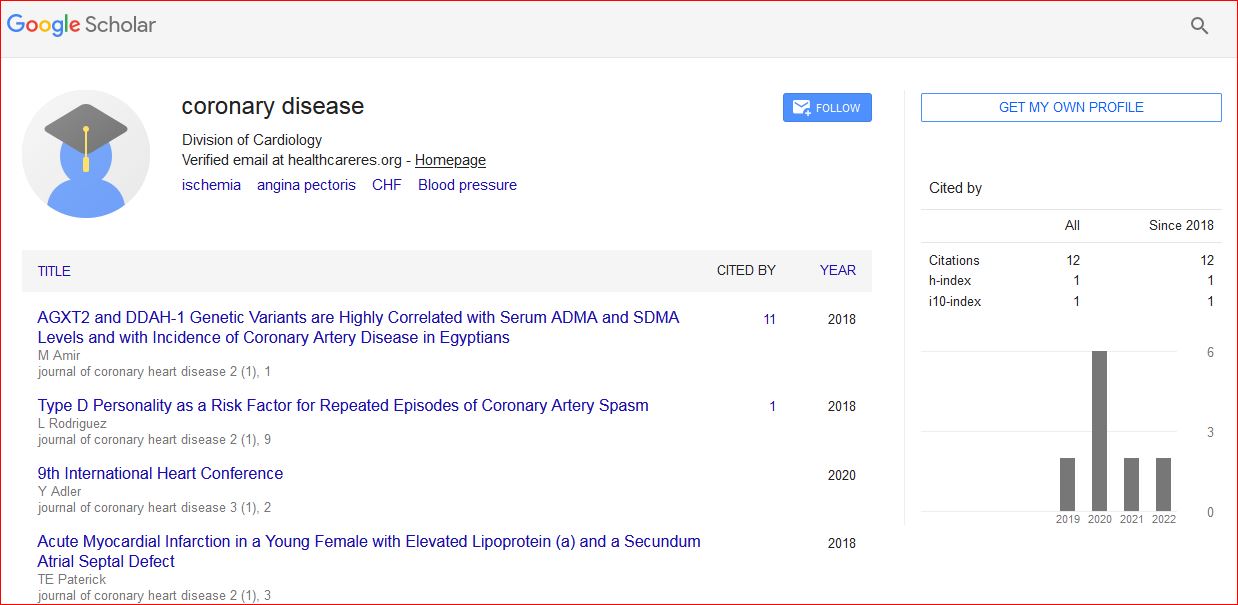
Journal of Coronary Heart Diseases received 15 citations as per Google Scholar report