Opinion - (2025) Volume 9, Issue 4
Received: 01-Jul-2025, Manuscript No. hps-26-184468;
Editor assigned: 03-Jul-2025, Pre QC No. P-184468;
Reviewed: 17-Jul-2025, QC No. Q-184468;
Revised: 22-Jul-2025, Manuscript No. R-184468;
Published:
29-Jul-2025
, DOI: 10.37421/2573-4563.2025.9.359
Citation: © 2025 Nilsson S. Ingrid This is an open-access article distributed under the terms of the Creative Commons Attribution License, which permits unrestricted use, distribution and reproduction in any medium, provided the original author and source are credited.
Copyright: Nilsson, Ingrid S.. ”NASH: Complex Liver Disease, Emerging Therapies, Multiple Targets.” J Hepatol Pancreat Sci 09 (2025):359.
Non-alcoholic steatohepatitis (NASH) is a complex and progressive liver disease characterized by a spectrum of hepatic abnormalities, including fat accumulation, inflammation, and hepatocellular damage. This condition significantly elevates the risk of developing advanced liver fibrosis, cirrhosis, and ultimately hepatocellular carcinoma, posing a substantial global health challenge. The pathogenesis of NASH is understood to involve a multi-hit process, where various molecular and cellular insults converge to drive liver injury and progression. Key among these are insulin resistance, a fundamental metabolic derangement; gut dysbiosis, characterized by an imbalance in the gut microbial community; endoplasmic reticulum stress, arising from the cellular machinery's inability to cope with accumulating misfolded proteins; mitochondrial dysfunction, impacting cellular energy production and increasing oxidative stress; and the activation of pro-inflammatory pathways that perpetuate liver inflammation and injury. Recognizing these intricate pathogenic mechanisms has spurred the development of emerging pharmacotherapies aimed at targeting these specific pathways. Promising candidates include agents designed to improve insulin sensitivity, such as peroxisome proliferator-activated receptor (PPAR) agonists, which can positively influence lipid and glucose metabolism. Additionally, agents that reduce inflammation are being investigated, with farnesoid X receptor (FXR) agonists and fibroblast growth factor 21 (FGF21) analogs showing potential in clinical studies. Furthermore, therapies aimed at promoting fibrolysis, the breakdown of scar tissue, are also under development to address the critical issue of fibrosis, a hallmark of advanced NASH and a predictor of adverse outcomes [1].
The intricate interplay of metabolic dysregulation, immune activation, and fibrogenesis forms the bedrock of NASH progression. While insulin resistance is widely recognized as a central driver, other crucial factors contribute to the pathogenesis. Mitochondrial dysfunction and the resulting oxidative stress play pivotal roles in inciting hepatocellular injury, leading to cell death and the release of inflammatory mediators. Furthermore, the gut-liver axis exerts a profound influence, with gut-derived factors and alterations in bile acid metabolism contributing significantly to the inflammatory milieu within the liver. These complex interactions highlight the multifaceted nature of NASH and underscore the need for comprehensive therapeutic strategies that address these interconnected pathways. Current therapeutic efforts are therefore focused on modulating these drivers, with newer agents demonstrating promising potential to halt or even reverse the progression of liver damage seen in NASH [2].
Fibrosis is a defining characteristic of NASH and serves as a critical prognostic indicator for adverse liver-related outcomes. The relentless presence of hepatic inflammation and ongoing hepatocellular injury triggers a cascade of events, primarily involving the activation and proliferation of hepatic stellate cells. These cells, normally quiescent, transform into myofibroblast-like cells that excessively deposit extracellular matrix components, leading to the accumulation of scar tissue in the liver. Consequently, targeting the pathways that govern hepatic stellate cell activation and the intricate process of matrix remodeling has become a central focus in the development of novel pharmacotherapies for NASH. By intervening in these fibrogenic processes, therapeutic agents aim to prevent the progression to more severe liver disease and improve patient prognoses [3].
The gut-liver axis represents a critical nexus in the pathogenesis of NASH, underscoring the bidirectional communication between the intestinal tract and the liver. Intestinal dysbiosis, characterized by an altered composition and function of the gut microbiota, can lead to increased intestinal permeability, often referred to as a 'leaky gut.' This compromised barrier allows for the translocation of microbial products, such as lipopolysaccharide (LPS), from the gut lumen into the portal circulation. These microbial products can then reach the liver, where they activate inflammatory pathways and contribute to metabolic dysfunction, thereby exacerbating hepatic inflammation and promoting NASH progression. Consequently, therapies aimed at modulating the gut microbiota, such as probiotics or prebiotics, or strengthening the intestinal barrier function are garnering attention and show promise in preclinical and early clinical studies [4].
Peroxisome proliferator-activated receptor (PPAR) agonists, particularly those exhibiting pan-PPAR activity, have emerged as a significant therapeutic avenue for NASH, demonstrating notable efficacy in improving histological features of the disease. These agents exert their beneficial effects by modulating key pathways involved in lipid and glucose metabolism, effectively reducing hepatic steatosis and improving insulin sensitivity. Furthermore, PPAR agonists possess anti-inflammatory and anti-fibrotic properties, contributing to the amelioration of liver damage by targeting multiple pathogenic processes simultaneously. However, careful consideration of potential long-term safety concerns and specific side effects associated with these agents is crucial for their successful clinical implementation [5].
Farnesoid X receptor (FXR) agonists represent another promising class of therapeutic agents being developed for the treatment of NASH. FXR is a nuclear receptor that plays a pivotal role in regulating bile acid homeostasis, a process intimately linked with hepatic lipid and glucose metabolism. By activating FXR, these agonists can modulate bile acid profiles, suppress inflammatory responses, and attenuate fibrogenesis within the liver. Clinical trials investigating FXR agonists have demonstrated positive outcomes, suggesting their potential to improve NASH-related liver histology. Nevertheless, careful patient selection and diligent monitoring are essential due to the potential for certain side effects, most notably pruritus, which requires careful management [6].
Fibroblast growth factor 21 (FGF21) analogs are currently under development as potential therapies for NASH, with a primary focus on addressing key pathogenic mechanisms such as insulin resistance, dysregulated lipid metabolism, and chronic inflammation. FGF21 is an endocrine hormone known to be a crucial regulator of systemic metabolism. Its analogs, designed to mimic or enhance its physiological actions, have shown promising results in preclinical and clinical trials, demonstrating the capacity to improve hepatic steatosis and reduce inflammatory markers in the liver. These findings highlight the therapeutic potential of targeting the FGF21 pathway for NASH management [7].
Beyond addressing metabolic and inflammatory pathways, direct approaches aimed at reducing hepatic fat accumulation are considered essential for managing NASH. Steatosis, or fatty liver, is a primary driver of NASH progression, and alleviating this burden is crucial for preventing further liver damage. Therapies that influence the intricate processes of lipogenesis (fat synthesis), lipolysis (fat breakdown), or lipid transport within the liver are currently under investigation. By targeting these mechanisms, researchers aim to reduce the accumulation of triglycerides in hepatocytes, thereby mitigating a key factor that contributes to liver injury and the subsequent development of inflammation and fibrosis [8].
The development of novel combination therapies holds substantial promise for the effective management of NASH. Given that NASH is driven by multiple interconnected pathogenic insults, addressing these concurrently may offer superior therapeutic efficacy compared to monotherapies. Strategies involving combinations of agents that target inflammation, fibrosis, and metabolic dysfunction simultaneously are being explored. This approach acknowledges the complexity of NASH pathogenesis and aims to provide a more comprehensive and potent intervention that can halt or reverse disease progression by tackling its various facets [9].
An in-depth understanding of the genetic underpinnings of NASH is indispensable for identifying individuals at higher risk of developing the disease and for developing precisely targeted therapeutic interventions. Genetic variations, or polymorphisms, in specific genes have been associated with an increased susceptibility to and severity of non-alcoholic fatty liver disease (NAFLD) and its progressive form, NASH. Notably, polymorphisms in genes such as patatin-like phospholipase domain-containing protein 3 (PNPLA3) and transmembrane 6 superfamily member 2 (TM6SF2) have been consistently linked to a greater predisposition to NAFLD and NASH, highlighting the role of genetic factors in disease etiology and progression [10].
Non-alcoholic steatohepatitis (NASH) is a complex liver disease characterized by fat accumulation, inflammation, and liver cell damage, increasing the risk of fibrosis, cirrhosis, and hepatocellular carcinoma. The pathogenesis involves a multi-hit process including insulin resistance, gut dysbiosis, endoplasmic reticulum stress, mitochondrial dysfunction, and activation of pro-inflammatory pathways. Emerging pharmacotherapies are targeting these pathways, with promising candidates including agents that improve insulin sensitivity (e.g., PPAR agonists), reduce inflammation (e.g., FXR agonists, FGF21 analogs), and promote fibrolysis [1].
The intricate interplay of metabolic dysregulation, immune activation, and fibrogenesis underpins NASH progression. Beyond insulin resistance, mitochondrial dysfunction and oxidative stress play crucial roles in driving hepatocellular injury. Furthermore, gut-derived factors and altered bile acid metabolism contribute significantly to hepatic inflammation. Current therapeutic strategies aim to address these multifaceted drivers, with newer agents showing potential to halt or reverse liver damage [2].
Fibrosis is a hallmark of NASH and a critical predictor of adverse liver outcomes. Persistent hepatic inflammation and hepatocellular injury trigger the activation and proliferation of hepatic stellate cells, leading to excessive extracellular matrix deposition. Targeting pathways that modulate hepatic stellate cell activation and matrix remodeling is a key focus of novel NASH therapies [3].
The gut-liver axis plays a pivotal role in NASH pathogenesis. Dysbiosis, increased intestinal permeability, and the translocation of microbial products like lipopolysaccharide (LPS) can promote hepatic inflammation and metabolic dysfunction. Therapies aimed at modulating the gut microbiota or strengthening the intestinal barrier show promise in preclinical and early clinical studies [4].
PPAR agonists, particularly those with pan-PPAR activity, have demonstrated efficacy in improving histological features of NASH. These agents modulate lipid and glucose metabolism, reduce inflammation, and exert anti-fibrotic effects by targeting multiple pathogenic pathways. However, concerns regarding long-term safety and specific side effects need careful consideration [5].
Farnesoid X receptor (FXR) agonists represent a promising class of drugs for NASH. By modulating bile acid homeostasis and suppressing inflammation and fibrosis, FXR agonists have shown positive results in clinical trials. Careful patient selection and monitoring are essential due to potential side effects such as pruritus [6].
Fibroblast growth factor 21 (FGF21) analogs are being developed for NASH, targeting insulin resistance, lipid metabolism, and inflammation. FGF21 is a key metabolic regulator, and its analogs have shown potential to improve liver steatosis and reduce inflammation in clinical trials [7].
In addition to targeting metabolic and inflammatory pathways, approaches aimed at directly reducing hepatic fat accumulation are crucial. Agents that affect lipogenesis, lipolysis, or lipid transport are under investigation, with the goal of alleviating steatosis, a primary driver of NASH progression [8].
The emergence of novel combination therapies holds significant promise for NASH. Addressing the multiple pathogenic insults simultaneously, such as inflammation, fibrosis, and metabolic dysfunction, may offer superior efficacy compared to monotherapies [9].
Understanding the genetic underpinnings of NASH is crucial for identifying at-risk individuals and developing targeted therapies. Polymorphisms in genes such as PNPLA3 and TM6SF2 are associated with increased susceptibility to and severity of NAFLD and NASH [10].
Non-alcoholic steatohepatitis (NASH) is a complex liver disease characterized by fat accumulation, inflammation, and cellular damage, leading to fibrosis and potentially liver cancer. Its pathogenesis involves multiple factors including insulin resistance, gut dysbiosis, ER stress, and mitochondrial dysfunction. Emerging therapies target these pathways, with agents like PPAR agonists, FXR agonists, and FGF21 analogs showing promise. Fibrosis, a key indicator of poor outcomes, is addressed by targeting hepatic stellate cell activation. The gut-liver axis also plays a significant role, with therapies modulating the gut microbiota being explored. Strategies to reduce hepatic fat accumulation directly are also important. Combination therapies that address multiple aspects of NASH simultaneously are considered promising. Genetic factors, such as variations in PNPLA3 and TM6SF2, influence NASH susceptibility and severity.
None
None
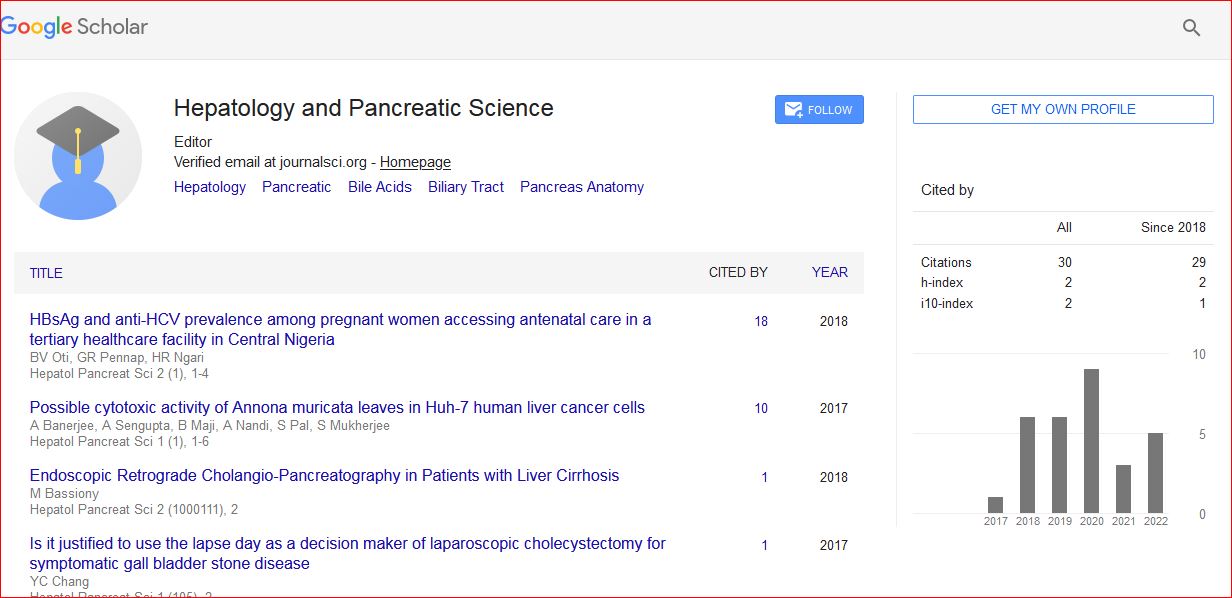
Hepatology and Pancreatic Science received 34 citations as per Google Scholar report