Perspective - (127) Volume 11, Issue 6
Received: 01-Dec-2025, Manuscript No. cdp-26-185478;
Editor assigned: 03-Dec-2025, Pre QC No. P-185478;
Reviewed: 17-Dec-2025, QC No. Q-185478;
Revised: 22-Dec-2025, Manuscript No. R-185478;
Published:
29-Dec-2025
, DOI: 10.37421/2572-0791.2025.11.207
Citation: Khan, Ayesha. ”Managing Depression: Treatments, Lifestyle, and Relapse Prevention.” Clin Depress 11 (2025):207.
Copyright: © 2025 Khan A. This is an open-access article distributed under the terms of the Creative Commons Attribution License, which permits unrestricted use, distribution and reproduction in any medium, provided the original author and source are credited.
Persistent sadness and fatigue are hallmark symptoms of major depressive disorder, significantly impacting daily functioning and quality of life. Effective management strategies often involve a combination of psychotherapy, pharmacotherapy, and lifestyle modifications. Cognitive Behavioral Therapy (CBT) and Interpersonal Therapy (IPT) are well-established psychotherapies that help individuals challenge negative thought patterns and improve interpersonal relationships. Antidepressant medications, such as selective serotonin reuptake inhibitors (SSRIs) and serotonin-norepinephrine reuptake inhibitors (SNRIs), are frequently prescribed to address neurochemical imbalances. Beyond clinical interventions, lifestyle factors like regular exercise, adequate sleep hygiene, and a balanced diet play a crucial role in symptom amelioration and overall well-being. Mindfulness-based interventions are also gaining recognition for their ability to enhance emotional regulation and reduce rumination [1].
The therapeutic alliance between patient and therapist is a critical predictor of treatment success in managing persistent sadness and fatigue. A strong, collaborative relationship fosters trust, enhances engagement with treatment protocols, and improves adherence to medication and therapeutic exercises. When individuals feel understood and supported, they are more likely to explore underlying issues contributing to their symptoms and implement the changes necessary for recovery. This highlights the importance of therapist training in empathy, active listening, and motivational interviewing techniques [2].
Lifestyle interventions, particularly regular physical activity, demonstrate significant efficacy in alleviating symptoms of persistent sadness and fatigue. Exercise has been shown to modulate neurotransmitter systems, reduce inflammation, and improve sleep quality, all of which are beneficial for mood regulation. Even moderate-intensity aerobic exercise can lead to notable improvements. The key is consistent engagement, which can be challenging for individuals experiencing profound fatigue. Therefore, a gradual and personalized approach to increasing physical activity is recommended, often in conjunction with psychological support [3].
Sleep disturbances are a common and often debilitating comorbidity of persistent sadness and fatigue. Irregular sleep patterns can exacerbate mood symptoms and cognitive impairments, creating a vicious cycle. Effective management requires a multi-faceted approach, including optimizing sleep hygiene (e.g., consistent bedtime, avoiding stimulants), addressing underlying psychological factors contributing to insomnia, and, in some cases, pharmacological interventions targeted at sleep regulation. Cognitive Behavioral Therapy for Insomnia (CBT-I) is a highly effective non-pharmacological treatment [4].
Mindfulness-based interventions, such as Mindfulness-Based Cognitive Therapy (MBCT), offer a valuable adjunct for individuals struggling with persistent sadness and fatigue. These approaches train individuals to cultivate present-moment awareness, observe thoughts and feelings without judgment, and detach from ruminative thought patterns. MBCT has demonstrated effectiveness in preventing relapse in recurrent depression and can also help manage current symptoms by reducing emotional reactivity and increasing distress tolerance. The emphasis on acceptance and non-reactivity can be particularly helpful for those overwhelmed by pervasive negative emotions [5].
Nutritional factors play a role in mental health, and deficiencies in certain micronutrients have been linked to increased risk or severity of depressive symptoms. While not a standalone treatment, ensuring adequate intake of vitamins (e.g., B vitamins, Vitamin D) and omega-3 fatty acids may support overall mood and energy levels. A balanced diet rich in fruits, vegetables, whole grains, and lean protein is fundamental. However, it's important to note that dietary changes alone are unlikely to resolve severe depression, and professional guidance is essential to address potential deficiencies and develop a comprehensive treatment plan [6].
Cognitive Behavioral Therapy (CBT) is a cornerstone treatment for persistent sadness and fatigue. It focuses on identifying and challenging maladaptive thought patterns and behaviors that contribute to depression. By teaching individuals to recognize cognitive distortions (e.g., all-or-nothing thinking, catastrophizing) and develop more balanced perspectives, CBT empowers them to break cycles of negative thinking and engage in more rewarding activities. Behavioral activation, a key component of CBT, specifically targets increasing engagement in pleasurable and meaningful activities, directly addressing fatigue and anhedonia [7].
Interpersonal Therapy (IPT) offers a psychodynamic approach to managing persistent sadness and fatigue by focusing on the role of interpersonal relationships. IPT identifies four primary problem areas: grief, role disputes, role transitions, and interpersonal deficits. By improving communication skills, resolving interpersonal conflicts, and building social support networks, IPT helps individuals address the relational factors that may contribute to or maintain depressive symptoms. This approach is particularly useful for those whose depression is significantly linked to relationship difficulties [8].
Psychoeducation is a vital component in the management of persistent sadness and fatigue. Educating individuals about the nature of their illness, its common symptoms, treatment options, and self-management strategies empowers them to become active participants in their recovery. Understanding the biological, psychological, and social factors contributing to depression can reduce self-blame and stigma, fostering a more hopeful outlook. Providing clear, accessible information about medications, therapy techniques, and lifestyle adjustments is crucial for adherence and long-term well-being [9].
Relapse prevention is a critical aspect of long-term recovery from persistent sadness and fatigue. This involves identifying triggers and early warning signs of symptom recurrence and developing personalized strategies to manage them. Skills learned in therapy, such as problem-solving, stress management, and emotional regulation, are vital. Continued engagement with supportive relationships, maintenance of healthy lifestyle habits, and, in some cases, ongoing medication can significantly reduce the risk of relapse and promote sustained well-being [10].
Persistent sadness and fatigue are central to the experience of major depressive disorder, profoundly affecting an individual's capacity to engage in daily life and diminishing their overall quality of life. The effective management of this condition necessitates a comprehensive approach that integrates psychotherapy, pharmacotherapy, and strategic lifestyle adjustments. Within the realm of psychotherapy, Cognitive Behavioral Therapy (CBT) and Interpersonal Therapy (IPT) stand out as well-established modalities. These therapies are designed to equip individuals with the tools to deconstruct and challenge negative cognitive frameworks and to foster improvements in their interpersonal connections [1].
Pharmacological interventions frequently involve the prescription of antidepressant medications, with selective serotonin reuptake inhibitors (SSRIs) and serotonin-norepinephrine reuptake inhibitors (SNRIs) being common choices. These medications aim to rectify imbalances in brain neurochemistry that are often implicated in depressive states. In addition to these clinical treatments, the incorporation of lifestyle modifications, such as consistent engagement in physical exercise, the establishment of robust sleep hygiene practices, and the adoption of a balanced dietary regimen, plays an indispensable role in mitigating symptoms and enhancing general well-being. Furthermore, mindfulness-based interventions are increasingly recognized for their capacity to bolster emotional regulation and curb the tendency towards rumination [1].
The strength and quality of the therapeutic alliance between a patient and their therapist emerge as a significant determinant of successful treatment outcomes for persistent sadness and fatigue. A robust, collaborative relationship cultivates an environment of trust, thereby enhancing patient engagement with prescribed treatment protocols and improving adherence to both pharmacological therapies and therapeutic exercises. When individuals perceive themselves as being genuinely understood and adequately supported, they are more inclined to delve into the underlying factors contributing to their symptomatology and to implement the necessary changes for their recovery. This underscores the vital importance of therapist proficiency in empathy, active listening, and the application of motivational interviewing techniques [2].
Regular physical activity, as a prominent lifestyle intervention, has demonstrated considerable efficacy in the alleviation of symptoms associated with persistent sadness and fatigue. The physiological effects of exercise include the modulation of neurotransmitter systems, a reduction in inflammatory processes, and improvements in sleep quality, all of which contribute positively to mood regulation. Even engaging in moderate-intensity aerobic exercise can yield significant improvements. The crucial element for sustained benefit is consistent participation, which can present a challenge for individuals experiencing profound fatigue. Consequently, a gradual and individualized approach to increasing physical activity is advisable, often best implemented in conjunction with psychological support [3].
Sleep disturbances frequently accompany persistent sadness and fatigue, often reaching a debilitating level. Irregular sleep patterns can exacerbate mood-related symptoms and cognitive deficits, thereby perpetuating a detrimental cycle. Effective management necessitates a multifaceted strategy. This includes optimizing sleep hygiene, which involves establishing consistent sleep and wake times and avoiding stimulants before bed, as well as addressing the underlying psychological factors that contribute to insomnia. In certain cases, pharmacological interventions specifically targeting sleep regulation may also be warranted. Cognitive Behavioral Therapy for Insomnia (CBT-I) stands out as a highly effective non-pharmacological treatment for sleep-related issues in this context [4].
Mindfulness-based interventions, exemplified by Mindfulness-Based Cognitive Therapy (MBCT), provide a valuable supplementary approach for individuals contending with persistent sadness and fatigue. These methodologies train participants in the cultivation of present-moment awareness, encouraging them to observe their thoughts and emotions without judgment and to develop the capacity to detach from persistent ruminative thought patterns. MBCT has shown efficacy in preventing the recurrence of depression and can also aid in managing current symptoms by diminishing emotional reactivity and enhancing distress tolerance. The inherent emphasis on acceptance and non-reactivity proves especially beneficial for individuals who feel overwhelmed by pervasive negative emotions [5].
Nutritional status plays a discernible role in the landscape of mental health, with identified deficiencies in specific micronutrients being correlated with an elevated risk or increased severity of depressive symptoms. While dietary modifications alone are not a panacea, ensuring an adequate intake of essential vitamins, such as B vitamins and Vitamin D, and omega-3 fatty acids can contribute to improved mood and energy levels. The foundation of good mental health nutrition rests on a balanced diet rich in fruits, vegetables, whole grains, and lean proteins. It is imperative to recognize that significant depressive episodes are unlikely to be resolved solely through dietary changes, and professional guidance is indispensable for addressing potential deficiencies and formulating a holistic treatment plan [6].
Cognitive Behavioral Therapy (CBT) is widely recognized as a foundational treatment modality for persistent sadness and fatigue. Its efficacy stems from its focus on identifying and subsequently challenging maladaptive cognitive patterns and behaviors that perpetuate depressive states. By imparting skills to recognize cognitive distortionsâ??such as all-or-nothing thinking and catastrophizingâ??and to foster more balanced perspectives, CBT empowers individuals to break free from cycles of negative rumination and to re-engage in more fulfilling activities. A critical component of CBT is behavioral activation, which specifically targets increasing participation in pleasurable and meaningful endeavors, thereby directly addressing symptoms of fatigue and anhedonia [7].
Interpersonal Therapy (IPT) presents a psychodynamic framework for managing persistent sadness and fatigue, with a particular emphasis on the significant influence of interpersonal relationships. IPT systematically addresses four primary problem domains: unresolved grief, disputes within relationships, difficulties navigating role transitions, and deficits in interpersonal functioning. Through the enhancement of communication skills, the facilitation of conflict resolution in relationships, and the strengthening of social support networks, IPT assists individuals in confronting and resolving the relational factors that may contribute to or sustain depressive symptoms. This therapeutic approach is particularly well-suited for individuals whose depression is strongly associated with challenging relationship dynamics [8].
Psychoeducation serves as an indispensable element in the comprehensive management of persistent sadness and fatigue. The process of educating individuals about the nature of their illness, its characteristic symptoms, available treatment options, and effective self-management strategies is instrumental in fostering their active participation in the recovery journey. A thorough understanding of the biological, psychological, and social factors that contribute to depression can effectively diminish self-blame and the burden of stigma, thereby cultivating a more optimistic outlook. The provision of clear and accessible information regarding pharmacological treatments, therapeutic techniques, and recommended lifestyle adjustments is paramount for ensuring patient adherence and promoting sustained long-term well-being [9].
Major depressive disorder is characterized by persistent sadness and fatigue, significantly impacting daily life. Management strategies include psychotherapy (CBT, IPT), pharmacotherapy (SSRIs, SNRIs), and lifestyle modifications. A strong therapeutic alliance is crucial for treatment success. Lifestyle factors like exercise, sleep hygiene, and a balanced diet play a vital role. Mindfulness-based interventions help with emotional regulation, while nutritional support is also considered. Psychoeducation empowers patients, and relapse prevention strategies are key for long-term well-being. Sleep disturbances and nutritional deficiencies are common comorbidities that require integrated management.
None
None.
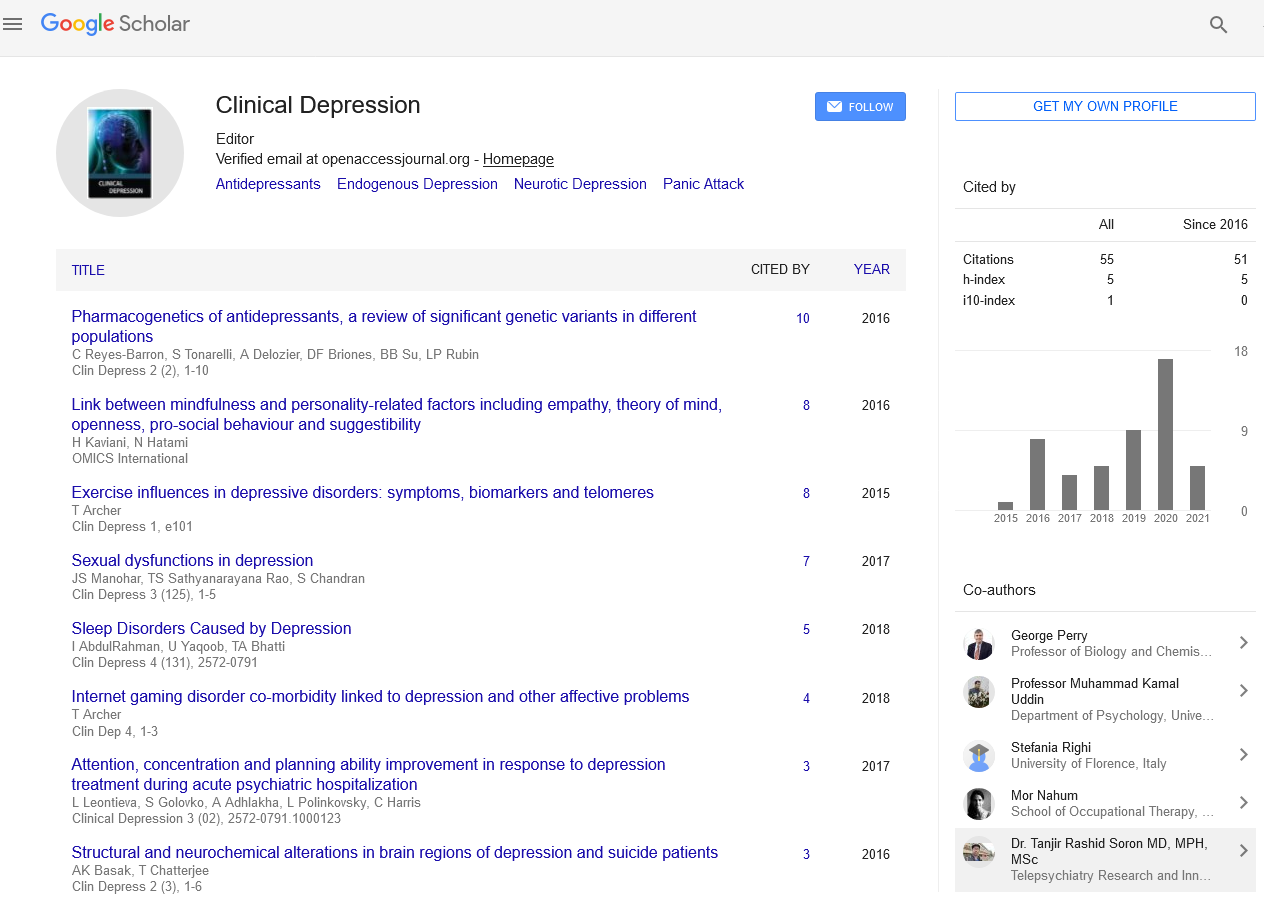
Clinical Depression received 89 citations as per Google Scholar report