Research Article - (2026) Volume 16, Issue 1
Received: 22-Sep-2024, Manuscript No. JPRM-24-148570;
Editor assigned: 25-Sep-2025, Pre QC No. JPRM-24-148570 (PQ);
Reviewed: 01-Oct-2025, QC No. JPRM-24-148570;
Revised: 02-Feb-2026, Manuscript No. JPRM-24-148570 (R);
Published:
09-Feb-2026
, DOI: 10.37421/2161-105X.2025.15.738
Citation: Tufa, Muluneh Kidane. "Magnitude and Associated Factors of Respiratory Distress Syndrome among Preterm Neonate Admitted to
Addis Ababa Public Hospital, Ethiopia 2023/24." J Pulm Respir Med 16 (2026): 738.
Copyright: © 2026 Tufa MK. This is an open-access article distributed under the terms of the creative commons attribution license which permits unrestricted
use, distribution and reproduction in any medium, provided the original author and source are credited.
Introduction: Respiratory distress syndrome is a catastrophic respiratory problem among preterm neonates. It increases the suffering of neonates and the economic expenditure of the countries. Notably, it is a major public health issue in low and middle-income countries such as Ethiopia. Studies regarding respiratory distress syndrome among pre term neonates are limited in Ethiopia.
Objectives: The study aims to determine the magnitude and associated factors of respiratory distress syndrome among pre-term neonates admitted to the neonatal intensive care units of Addis Ababa public hospitals, Addis Ababa, Ethiopia, 2023/24. Method: An institutional-based cross-sectional study design was conducted in the NICUS of selected public hospitals of Addis Ababa. A systematic random sampling technique was used to recruit a predetermined sample size by using the registration numbers of the neonates admitted to the selected public hospitals from January 2023 to December 2023. A total of 373 neonates were included in the analysis. A binary logistic regression analysis was used to analyze the association between neonatal respiratory distress and Independent variables. Variables with a P-value of less than 0.25 and fulfilled the assumption of logistic regression from bi-variable analysis was considered for the multivariable logistic analysis. The strength of the association was evaluated using an odds ratio with a 95% confidence interval, and a P-value<0.05 was considered to declare significant associations.
Result: In this study the magnitude of RDS among preterm neonates admitted to Addis Ababa public hospitals was 47.5%, (95% CI 42.9 to 52.5%). C/S delivery (AOR, 4, 443; 95%, CI, 1.851-10.664), presence of maternal pre-eclampsia (AOR, 5.041: 95% CI, 2.629-9.669), 1st minute Apgar score <7 (AOR: .334 95% CI, .170-.655), 5th minute Apgar score <7 (AOR .378 95% CI . 171-.832), presences of sepsis (AOR, 2.970 95% CI, 1.603-5.504) and MAS (AOR: 2.272 95% CI 1.215-4.428) were statistically significant factors.
Conclusion: The current study showed that the magnitude of preterm neonatal RDS was high. Hence, healthcare providers and other concerned stakeholders should give due attention, and appropriate intervention for preterm neonates with preventable and treatable factors.
Prevalence • Preterm • Respiratory distress syndrome • Neonatal intensive care unit
The World Health Organization defines preterm birth as births after 28 weeks and before 37 completed weeks of gestation since the last menstrual period of a woman [1].
Preterm births frequently have different risk factors, some can be attributed to early labor induction or cesarean delivery, whether for medical or non-medical reasons. Preterm birth is frequently caused by infections, repeated pregnancies, and chronic illnesses including diabetes, hypertension, and genetics, among other things. Based on gestational age, preterm delivery can be further classified as extremely preterm (less than 28 weeks), very preterm (28 to 32 weeks), and intermediate preterm (32 to <37 full weeks of gestation [2].
Global studies have identified risk factors for preterm birth, reduced cervical length, smoking, persistent coughing, short interpregnancy intervals, anemia, UTIs, and certain pregnancy complications (such as multiple pregnancies, hypertension during pregnancy, vaginal bleeding, PROM, IUFD, congenital fetus anomalies, polyhydramnios, and oligohydramnios), inadequate prenatal care, and lifestyle factors (such as low pregnancy weight and substance use during pregnancy [3].
85% of preterm births worldwide occur in East Africa and Asia, where the burden of preterm births is disproportionately concentrated. Because of the sharp rise in preterm births and their disproportionate role in the elevated rates of infant mortality, preterm births pose a serious threat to emerging nations [4]. Because some organ systems are still developing in preterm babies, they are more vulnerable to certain illnesses [5].
In the first few hours after delivery, babies frequently experience Respiratory Distress syndrome (RD). During the transition from fetal to newborn life, it is frequently observed. Newborns with RD usually present with tachypnea, cyanosis, nasal flaring, intercostal retractions, and loud grunting. Rapid physiologic changes in the cardiorespiratory and circulatory systems are necessary for a healthy transition from fetal to newborn life. The alterations cause the placenta's gas exchange to be redirected to the lungs, necessitating the replenishment of alveolar fluid with air and the commencement of regular breathing. While some neonates may have temporary RD, if it does not go away, appropriate diagnostic and treatment measures must be taken in order to maximize recovery and reduce morbidity [6].
Among the complications of preterm neonates, Respiratory Distress Syndrome (RDS) is the major one, which is induced by the shortage or deficiency of surfactant in the lungs with the clinical manifestations of grunting, tachypnea, retractions, nasal flaring, increased effort of inhalation at birth, or in a while thereafter, and a necessity for complementary oxygen support. It is the main cause of morbidity and mortality and accounts for 7%–50% of preterm newborns [1].
The primary cause of the illness is the absence of surfactant, a slick material that aids in lung filling and prevents the air sacs from contracting. Breathing becomes difficult for the newborn due to neonatal RDS, and the earlier the baby is born, the greater the chance they will have RDS and need extra oxygen to help breathe [1-3].
Neonatal Respiratory Distress (NRD) is a main cause of neonatal morbidity and mortality in developing countries [7]. Clinical trials have shown that surfactant replacement therapy in RDS decreases mortality and improves the clinical outcomes of ventilated premature newborns [8]. It is more prevalent in low-resource countries than in high-income countries [9].
Statement of the problem
Preterm neonates frequently have Respiratory Distress Syndrome (RDS), particularly if they were born before 34 weeks of gestation. Prematurity and low birth weight are the main risk factors for RDS. Additional risk factors include being white, being a male, being late preterm, having siblings with RDS, having twins or numerous pregnancies, having a C-section (cesarean delivery), having a mother with diabetes, having an infection, having a sick infant during delivery, being chilly, stressed out, or hypothermic [4].
Most of the patients who are hospitalized in the neonatal critical care unit suffer from respiratory conditions, specifically pneumonia, RDS, TTN, and MAS. Prematurity and maternal hyperglycemia were the two biggest risk factors for respiratory diseases [5]. TTN exhibited both the highest rate of survival and the highest risk of respiratory distress syndrome-related mortality [10].
Each year, 13 million babies are thought to be born before 37 full weeks of pregnancy worldwide. The majority of low and middleincome countries have the highest rates, while several middle and high-income nations, especially those in the Americas, are seeing an increase. Every year, almost a million premature babies pass away, making preterm birth the primary direct cause of neonatal death (27%). The main contributing reason for newborn deaths is preterm birth [8,9].
In Poland (12.8%), Nigeria (46.9%), and Ethiopia (45%), RDS was the cause of premature newborn deaths [2,6,7]. According to a different study, hospitals in low-resource nations saw between 40% and 60% of premature baby deaths, with oxygen therapy being the only treatment available to most of them [11].
Prematurity is the fourth (11%) most common cause of mortality for children under five in Ethiopia and the main (34%) cause of fatalities for newborns [4].
Ethiopia is the second most populous country in Africa, after Nigeria, where the majority of the population lives in rural areas, with an annual population growth rate of 2.6%. The country's demographics are similar to those of most sub-Saharan African countries in that they are marked by high death rates, rapid fertility, and a short life expectancy [12].
The World Health Organization (WHO) advises the use of antenatal corticosteroid medication for high-risk women, Kangaroo mother care, Continuous Positive Airway Pressure (CPAP), tocolytics for premature labor, and appropriate oxygen therapy in order to address this issue and lower newborn morbidity and mortality [4]. Moreover, in an effort to lower newborn morbidity such as RDS, the Federal Ministry of Health has focused appropriately on expanding access to high-quality neonatal care. RDS remains a significant public health issue in spite of these efforts, contributing to increased neonatal suffering and mortality as well as rising costs in Ethiopia including Addis Ababa [6].
Preterm mortality was found to be unacceptably high in Ethiopia including Addis Ababa. Fortunately, the main causes of death were found to be respiratory distress syndrome and birth asphyxia which are preventable and treatable hence early detection and timely management of this problem are highly recommended to improve preterm survival [9].
The prevalence of preterm respiratory distress rate was 34.0% in studies conducted in Mizan Tepi University Benji Maji zone. Respiratory distress was significantly associated with being a multiple (twin) AOR=1.8 (1.05–3.09), non-cephalic presentation at delivery AOR=4.9 (1.96–12.2), presence of asphyxia AOR=1.85 (1.01–3.69), an APGAR of <7 at 5-min AOR=1.64 (1.18–2.7), and a gestational age between 31 and 34 weeks AOR=1.85 (1.12–3.5) [13].
The study conducted on Debre tabor shows that, proportion of RDS was 40% of which 49.5% died. Preterm neonate born with gestational age of <34 weeks of age, 5th minute Apgar <7, and newborn with birth weight of <1500 gram were predictors of RDS [14].
Despite the fact that most Addis Ababa public hospitals have high cases of preterm neonatal delivery, to the best knowledge of the researcher, preterm respiratory distress and its associated factors is not studied in Addis Ababa Public hospitals.
Significance of the study
Little is known about factors affecting preterm neonatal respiratory distress in Ethiopia, including those admitted to Neonatal Intensive Care Units (NICU) in Addis Ababa public hospitals. This study helps in programming and policy improvement by identifying associated factors for preterm neonatal respiratory distress.
The study helps the health professionals in the study hospital take special consideration of the general preventive mechanisms of these factors. Similarly, the findings of this study will be helpful for policymakers in preventing these specified factors, aside from being reference data for NGOs and other researchers interested in the area.
Study setting
The study was conducted in selected public hospitals in Addis Ababa, including St. Paul’s Hospital Millennium Medical College, st, peter specialized Hospital, and Yekatit 12 Hospital Medical College (Y12HMC).
St. Paul’s Hospital was established in 1969, with the help of the German Evangelical Church, to serve the poor. The school opened and became a higher education institution in 2007 under the Ethiopian Federal Ministry of Health (EFMOH), which is the largest specialized hospital in Ethiopia. It provides a tertiary-level referral hospital with over 700 beds and serves as the training center for undergraduate and postgraduate students. It has 31 Neonatal Intensive Care Unit (NICU) beds with a total annual admission of 1063 preterm neonates.
St peter specialized hospital which is established in 1953 E.C, located on the capital Addis Ababa. It has 54 Neonatal Intensive Care Unit (NICU) beds with a total annual admission of 876 preterm neonates.
Yekatit 12 Hospital Medical College, established in 1915, began its service with 25 beds. Since 1987, this hospital has been governed by the Addis Ababa city administration health bureau; in 2003, it was named the Y12 Hospital Medical Science College and served more than 5 million people in the catchment area. It has 29 Neonatal Intensive Care Unit (NICU) beds with a total annual admission of 720 preterm neonates.
Study design and period
An institutional-based cross-sectional design was conducted from May 20, 2024, to June 20, 2024.
Source of population and study population
Source population: All neonates admitted to neonatal intensive care units of public hospitals in Addis Ababa from January 1st, 2023, to December 30th 2023 GC.
Study population: Preterm neonates were admitted to neonatal intensive care units of Addis Ababa public hospital from January 1st , to December 30th, 2023.
Inclusion and exclusion criteria
Inclusion criteria: Preterm neonates admitted to neonatal intensive care units from January 1st, to December 30th, 2023, in the selected hospitals.
Exclusion criteria: Preterm neonates with incomplete information, on the medical records, or preterm neonates with cardiovascular malformations as a primary cause of admission were excluded from the study.
Sample size determination and sampling procedures
Sample size determination
Sample size is calculated by using single population proportion formula.
n=(zα/2)² × pq/d²
n=(zα /2)² × p (1-p)/d²
n=(1.96)² × (0.34(1-0.34))/(0.05)2
n=(1.96)² × (0.34(1-0.34))/(0.0025)
n=(3.84) (0.34) (0.66)/(0.0025)
n=345
Where, n=the required sample size
d=margin of error between the sample and population=5%=0.05
Z=standard normal distribution value at 95% confidence level Zα/2=1.96 for 95% confidence interval
p=magnitude of pre term neonatal respiratory distress syndrome (34.0%) from the previous study conducted in Mizan Tepi University Bench Maji Zone, South-West Ethiopia, 2022.
Note: Then, by adding 10% of non-respondent rate, final desired sample size is 345+ 10% non-Response rate, n=380.
Then, the final sample size is 380.
Sampling procedure/techniques: There are Ten (10) hospitals in Addis Ababa having neonatal intensive care units. These hospitals are Black Lion Specialized Hospital, Zewditu Memorial Hospital, Yekatit 12 Hospital, St. Paul Hospital, Gandhi Hospital, Ras-Desta Hospital, Dagmawi Minilik Hospital, St. Petro's Hospital, and Tirunesh-Bejing Hospital. Among these, three of them, namely: SPHMMC, St. Peter Specialized Hospital, and Yekatit 12 hospital, were selected using the probability sampling method. During the study period, that is, from January 1st, 2023, to December 30th, 2023, the total admission to preterm neonatal intensive care units of the selected hospitals was 2712. Then proportional allocations to each hospital, SPHMMC, St Petros, and Yekatit 12 Hospital are 149, 130 and 101 study units, respectively, have been selected by using systematic sampling from the three selected hospitals [15].
Study variables
Dependent variable: Respiratory distress syndrome among preterm neonate
Independent variables
Socio-demographic factors: Maternal age, residence, place of delivery.
Obstetric related factors: Documented Pre-Mature Rupture of Membrane (PROM), Antepartum Hemorrhage (APH), Mode of delivery: Multiple twin pregnancies, place of delivery, ANC follow up, gravidity, occurrence of preeclampsia, essential hypertension, maternal DM, Corticosteroid administration.
Neonatal related factors: Sex of neonate, birthweight, breast feeding, pre-maturity, detected and documented meconium aspiration syndrome, Transient Tachypnea of the Newborn (TTN), Apgar score, asyphxia, sepsis, anemia, congenital malformation, hypothermia, hypoglycemia, necrotizing enterocolitis, and IUGR.
Data collection tools
Data was collected using a structured and pre-tested questionnaire which developed from different literatures to collect information from medical charts. First of all, the medical charts of neonates admitted to selected hospitals before one year (January 2023 to December 2023 GC) was collected using a sampling frame from the registration book [16]. Then, using the checklist, socio-demographic characteristics of the mother, the medical problem during the pregnancy, place of delivery, gestational age, age of the neonate, medical problems, and treatments was some of the items included in the data extraction checklist.
Data collection methods: Two BSc neonatal nurse, data collectors and one MSc neonatal nurse supervisor having possible experience in data collection was recruited. One-day training was given to data collectors and supervisor about the research objective, data collection tool, and sampling procedure. Selection of preterm was made according to inclusion and exclusion criteria. The principal investigator was supervising these trained data collectors.
Data quality assurance
Pretest was employed in 5% of the sample size by using the dataextracted checklist in SPHMMC hospital with medical charts of preterm neonatal RDS after admission to the neonatal intensive care unit during January 2022–December 2022 G.C. Also data profiling, data auditing, cleansing/clearing, proof reading was used. This is used for the modification of prepared tools to measure intended variables. In addition, the close supervision of data collectors by the principal investigator was also continued during the progress of data collection.
Data processing and analysis
After the necessary data is collected, using kobo toolbox software, then it was transferred to the Statistical Package for Social Science (SPSS) Version 26 software for further analysis.
Descriptive statistics was used to describe sociodemographic variables using frequencies. Binary logistic regressions were used to observe the association (p-value ≤ 0.25 for bivariable and pvalue<0.05 for multivariable) between independent variables and a dependent variable. The strength of the statistical association was measured by the odds ratio, 95% confidence intervals, and statistical significance will have considered at p<0,05.
Ethical consideration
Ethical clearance was obtained from SPHMMC, Institutional Review Board (IRB) and Addis Ababa Health bureau. The ethical clearance was submitted to SPHMMC hospital, Yekatit 12 specialized hospital, and St. Petros hospital to get permission for conducting the study. After getting permission from the hospital administration, the request letter was written for the concerned bodies of the respective departments. Following this, searching and obtaining the selected samples’ medical records was processed with the assigned person. Finally, strict care of the patients’ medical records and the confidentiality of records that could identify study participants was protected. This has been achieved through animosity and by abandoning the individually identifiable information, which specifically refers to the identity of patients like MRNs, and coding instead [17].
Dissemination and utilization of the result
The result of the study will be submitted and presented to department of intensive Medicine, School of Medicine, and SPHMMC. The result of the study will be disseminated to the Federal Minister of Health, Addis Ababa public health research and emergency management core processes, and Addis Ababa town governmental hospitals. Hard and soft copies will be available in the library of SPHMMC for graduate students as well as for other concerned readers. Effort will be made to publish the study in one of peerreviewed national or international journals and also present the result in locally or international held seminars, workshops, conferences, and meetings.
Sociodemographic, medical and obstetric characteristics of mothers of preterm neonates
A total of 380 preterm neonates’ charts were reviewed, and 373 (98.16%) met the enrolment criteria. In this study, most of the mothers 328 (87.9%) were in the age group of 20–35 years old with a median age of 27 years old, and 310 (83.1%) were from urban areas. Two third of mathers, 250 (67%) were given birth in the hospital and 163 (43.7%) had prolonged labour. More of the mathers 214 (57.4%) are primi gravida, among the total enrolled mothers, 184 (49.3%) had given birth through spontaneous vaginal delivery, 195 (79.1%) of pregnancies were singleton. In this study, the majority of mothers 350 (93.8%) had ANC follow-ups in nearby health institutions, and 172 (46.1%) of them had pre-eclampsia. Moreover, 203 (54.4%) mothers had taking corticosteroid treatment, and one third of the mathers 135 (36.2%) had PROM. Among the total enrolled mathers, 97 (26%), 90 (24%) of the mathers had APH and oligohahdraminase respectively (Table 1). 95 (25.5%), 96 (25.7%) and 42 (11.3%) of the mathers had essential hypertension, mathernal DM and HIV/AIDS infection respectively (Figure 1).
| Variables | Category | Frequency | Percent |
| Age of the mather | >35 | 40 | 10.7 |
| 20-35 | 328 | 87.9 | |
| <20 | 5 | 1.3 | |
| Place of delivery | Hospital | 250 | 67 |
| Health center/clinic | 122 | 32.7 | |
| Out of health institution | 1 | 0.3 | |
| Place of residence | Urban | 310 | 83.1 |
| Rural | 63 | 16.9 | |
| ANC follow up | Yes | 350 | 93 |
| No | 23 | 7 | |
| Types of pregnancy | Single | 295 | 79.1 |
| Multiple | 78 | 20.9 | |
| Mode of delivery | SVD | 184 | 49.3 |
| Instrumental | 55 | 14.7 | |
| C/S | 134 | 35.9 | |
| Was labor prolonged | Yes | 163 | 46.7 |
| No | 210 | 56.3 | |
| Gravidity | Prim gravida | 214 | 57.4 |
| Multi gravida | 159 | 42.6 |
Table 1. Socio-demographic, medical and obstetric characteristics of mothers of pre-term neonates admitted at NICU of Addis Ababa public hospital (January 1/2023 to December 30/2023) (N=373).
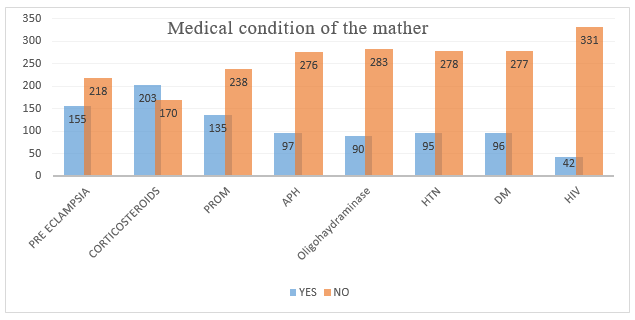
Figure 1. Medical condition of the mather.
Clinical and other characteristics of pre term neonates
In this study, over half of the participants 212 (56.8%) were male, and 228 (61.1%) were admitted within 24 hours of birth. Regarding birth weight, most of neonates 179 (48 %) were between 1500 and 2499 gm. More than half of the neonates 191 (52.1%) had first minute Apgar scores of less than seven, around two third of neonate 250 (67%) was had gestational age between 32 up to >37 weeks. The common medical problems among preterm neonates were Hypothermia 227 (60%) and sepsis 205 (55 %) (Table 2). The other medical problems include, MAS, TTN, jaundice, PNA, NEC, IUGR, hypoglycemia and other congenital anomalies (Figure 2).
| Variables | Category | Frequency | Percent |
| Age of neonate | >= 7 | 69 | 18.5 |
| 2-7 | 76 | 20.4 | |
| <1 | 228 | 61.1 | |
| Sex of neonate | Female | 161 | 43.2 |
| Male | 212 | 56.8 | |
| Gestational age | 32 to <37 | 250 | 67 |
| 28 up to <32 | 91 | 24.4 | |
| < 28 | 32 | 8.6 | |
| Birth weight | >=2500 gm | 11 | 2.9 |
| 1500-2499 | 179 | 48 | |
| 1000-1499 | 161 | 43.2 | |
| <=999 | 22 | 5.9 | |
| 1st minute Apgar | >= 7 | 181 | 48.5 |
| < 7 | 191 | 51.5 | |
| 5th minute Apgar | >=7 | 226 | 60.6 |
| <7 | 147 | 39.4 |
Table 2. Clinical and other characteristics of preterm neonates admitted to Addis Ababa public hospitals from January 1/2023 up to December 30/2023 (N=373).
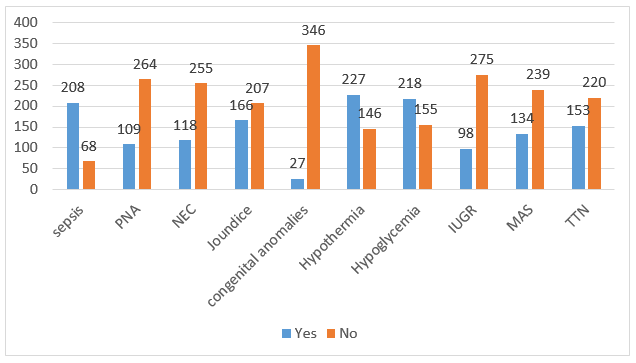
Figure 2. Clinical and other characteristics of preterm neonates.
Magnitude of RDS among preterm neonate admitted to Addis Ababa public hospitals
In this study the magnitude of RDS among preterm neonates admitted to Addis Ababa public hospitals was 47.5%, (95% Cl 42.9 to 52.5%) and from those 56 (31.6%) died.
Factors associated with preterm neonatal respiratory distress syndrome
In the bivariate analysis, mode of delivery, pre-eclampsia, PROM, APH, Oligohahdraminase, 1 st and 5 th minute Apgar score, sepsis,PNA, NEC, jaundice, hypothermia, IUGR, MAS and TTN, were significantly associated with preterm neonatal Respiratory distress syndrome. However, in the multivariable analysis mode of delivery, pre-eclampsia. 1st minute Apgar score, fifth minute Apgar score, sepsis, and MAS, were still statistically significant factors.
The odds of RDS for preterm neonate who delivered from preeclampsia mather has 5 times (AOR=5.04; 95% CI: 2.629 to 9.669) more likely to develop RDS compared to neonates delivered from mathers have not pre-eclampsia. Pre term Neonates delivered by caesarian section had 4 times more likely developing RDS compared with neonates delivered by SVD (AOR=4.443; 95% CI: 1.851 to 10.664) [18].
Preterm neonates who had 1st minute Apgar scores of less than seven has 66.6% more likely of developing RDS (AOR=.334; 95% CI: .170 to .665) as compared with their counterparts also preterm neonates who had 5th minute Apgar scores of less than seven has 62.2 % more likely of developing RDS (AOR=.378; 95% CI: .171 to .832) as compared with their counterparts (Table 3). Preterm neonates who had sepsis has 3 times more likely of developing RDS (AOR=2.970; 95% CI: 1.603 to 5.504) as compared to their opposite groups. And neonates who had MAS has 2 times more likely of developing RDS (AOR=2.272; 95% CI: 1.215 to 4 .248) as compared to their neonates have not MAS (Figure 3).
| Variables | Category | RDS | Bi-variable logistic regression | Multi variate analysis | |||||
| Yes | No | COR | 95% CI | P-value | AOR | 95% CI | P value | ||
| Mode of delivery | Spontaneous | 64 | 120 | ||||||
| Instrumental | 32 | 23 | 2.37 | 1.05-6.87 | 0.74 | ||||
| Caesarian section | 81 | 53 | 2.866 | 1.808-4.541 | 0 | 4.443 | 1.851-10.664 | .001* | |
| Pre-eclampsia | Yes | 122 | 33 | 10.956 | 6.906- 17.704 | 0 | 5.041 | 2.629-9.669 | .000* |
| No | 55 | 163 | |||||||
| PROM | Yes | 79 | 56 | 2.015 | 1.313- 3.094 | 0.001 | 0.725 | .371-1.419 | 0.348 |
| No | 98 | 140 | |||||||
| APH | Yes | 60 | 37 | 2.204 | 1.372-3.541 | 0.001 | 1.423 | .734-2.760 | 0.297 |
| No | 117 | 159 | |||||||
| Oligohahdraminase | Yes | 57 | 33 | 2.346 | 1.438-3.827 | 0.001 | 0.807 | .375-1.735 | 0.583 |
| No | 120 | 163 | |||||||
| 1st M | <7 | 144 | 48 | 0.135 | .086-.214 | 0 | 0.334 | .170-.655 | .001* |
| >=7 | 129 | 52 | |||||||
| 5th M | <7 | 111 | 176 | 0.191 | .110-.333 | 0 | 0.378 | .171-.832 | .016* |
| >=7 | 66 | 20 | |||||||
| Sepsis | Yes | 139 | 66 | 7.205 | 4.524-11.474 | 0 | 2.97 | 1.603-5.504 | .001* |
| No | 38 | 130 | |||||||
| PNA | Yes | 71 | 38 | 2.785 | 1.750-4.431 | 0.001 | 1.552 | .772-3.119 | 0.217 |
| No | 106 | 158 | |||||||
| NEC | Yes | 69 | 49 | 1.935 | 1.242-3.012 | 0.003 | 1.115 | .571-2.178 | 0.75 |
| No | 107 | 147 | |||||||
| Jaundice | Yes | 90 | 76 | 1.633 | 1.082-2.465 | 0.019 | 0.693 | .344-1.395 | 0.304 |
| No | 87 | 120 | |||||||
| Hypothermia | Yes | 131 | 96 | 2.966 | 1,916-4,594 | 0 | 1.729 | .870-3.439 | 0.118 |
| No | 46 | 100 | |||||||
| IUGR | Yes | 73 | 52 | 1.944 | 1.257-3.006 | 0.003 | 0.91 | .454-1.824 | 0.791 |
| No | 104 | 144 | |||||||
| MAS | Yes | 94 | 40 | 4.417 | 2.800-6.968 | 0 | 2.272 | 1.215-4.248 | .010* |
| No | 83 | 156 | |||||||
| TTN | Yes | 86 | 67 | 1.82 | 1.199-2.761 | 0.005 | 0.758 | .390-1.474 | 0.414 |
| No | 91 | 129 | |||||||
| Note: *p-value<0,05 (statistically significant) and 1=reference | |||||||||
Table 3. Multivariate logistic regression analysis of associated factors of preterm respiratory distress syndrome among neonate admitted to Addis Ababa public hospital, Addis Ababa, Ethiopia (n=373).
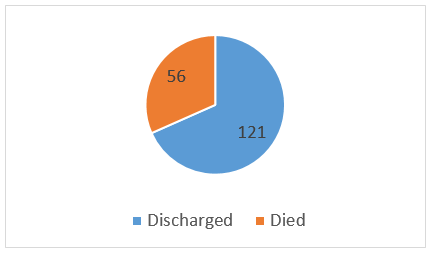
Figure 3. Discharged and died percentage.
In the present study, the magnitude of preterm neonatal respiratory distress was 47.5%; 95% CI (42.9 to 52.5). This study is similar to A study conducted on Cameron 47.5% [19], in Ethiopia such as, Gondar 46.17%, Gurage zone public hospitals 45.1%, Black lion 42.9% and Northern Ethiopia (43.75%). The possible justification is due to similarities in study design, sample size and the presence of similar maternal health problems.
It was high compared studies done in Pakistan 19.7%, India 26.75%, Nepal 34%, in Ethiopia district such as, Debretabour 40% and Mizan Tepi 34% [20]. This could be due to variation in the study population (those studies include all neonates but the current study includes only preterm neonates).
However, it was low compared with studies done in Nigeria 58.4%, Saudi Arabia 54.7%, Kabul 58.8% and Ethiopia Adama teaching hospital 62.8%. This might be due to the improvement in care in recent years due to access to healthcare service, the accessibility of trained healthcare professionals and the behavior of the community toward the search and utilization of health in Ethiopia and exclusion criteria.
Being delivered through caesarean section is a significant factor in this study and raises the risks of RDS in preterm neonates. This finding is supported by Studies conducted in Ethiopia, Kabul, Calgary, Cameron and Egypt. The possible justification is the residual amount of lung fluid in newborns who were delivered by caesarean section is greater, they produce less surfactant to the alveolar surface, and their lung fluid clearance is delayed. The other justification is following a caesarean section, sodium channels in alveolar epithelial cells are less active, which results in impaired fluid evacuation.
The current study found that a low APGAR score <7 at the first and fifth minute is a significant factor of RDS among pre term neonates. This finding is supported by different studies conducted in Cameron Saudi Arabia and Ethiopia. The possible reason for this is a low Apgar score, which is defined as asphyxia, and asphyxia at birth can cause direct harm to alveolar type II epithelial cells and impair the generation of surfactant, which will raise the occurrence of RDS. Additionally, the following two factors are the other reasons for this: hypoxia decreases pulmonary surfactant activity and may even lead to its inactivation, whereas severe birth asphyxia diminishes pulmonary surfactant synthesis and secretion.
Also neonatal sepsis was significantly associated with preterm neonatal respiratory distress syndrome and this is supported by studies conducted in Nepal, Egypt, Saudi Arabia and Ethiopia. This may be due to inflammatory response in the body, leading to the release of various cytokine and inflammatory mediators. This inflammatory response can damage alveoli (air sacs), impairing their ability to produce sufficient surfactant and also it increases permeability of the blood vessels in the lung.
Meconium Aspiration Syndrome (MAS) was significantly associated factors for preterm neonatal respiratory distress syndrome and supported by study conducted in Saudi Arabia and Ethiopia Black lion. The possible justification will be physically block the neonates air way, making difficult to breath, plug the small airway preventing airflow and can cause inflammatory response and destruct alveoli.
Finally, neonate born with pre-eclampsia Mather was significantly associated with the risk of developing RDS. And this is supported by study conducted in Japan. The possible justification will be an abnormal fetal and neonatal pulmonary vascular development. Another reason will be Due to inducing pre mature labour.
The current study showed that the prevalence of preterm neonatal RDS was higher than other studies conducted on other groups of neonates. Modes of delivery, first and Fifth minute Apgar score, caesarian section, pre-eclampsia, sepsis, and meconium aspiration syndrome (MAS) were significant associated factors of preterm neonatal RDS. Hence, healthcare providers and other concerned stakeholders should give due attention, and appropriate intervention for preterm neonates with the aforementioned preventable and treatable factors.
Furthermore, a prospective follow-up study needs to be conducted to assess the true association of significant factors.
The following concerned bodies are responsible and recommended as per below.
For policy makers
Incorporate the need of training for health professionals on general prevention of sepsis, Prematurity and develop standard protocols for all facilities to aware all health professionals attending Delivery and working in NICUs in general.
Training of neonatology nurses can also be the gate in reducing the sepsis in general.
Minister of health should be urged to achieve accessibility for surfactant especially for those pre-term and low birth weight newborns.
For the health professionals
As early neonatal RDS is maternally and delivery related, it can be prevented by increasing the awareness of the ANC and plan of birth place for screening of complications during pregnancy and delivery, then it would be better if focus is given to the area.
Health care providers, especially those working in labor and delivery wards, must give increased attention to complicated labors, to anticipate and take early action in order to avoid birth asphyxia.
For hospitals
Providing different standard protocols for management of neonates and work on availability of surfactant.
For the researchers
A prospective follow-up study needs to be conducted to assess the true association of significant factors.
The study uses standardized checklist to assess the magnitude and associated factors of preterm neonatal respiratory distress syndrome in Addis Ababa public hospitals and conducted in multicenter level.
This study had some limitations. First, it was a cross-sectional Study, that does not show a cause and effect relationship. Second, due to the retrospective nature of the study, some variables were squandered, such as maternal and institutional-related factors like nutritional status of mother, educational level, birth interval might be missed which will have a significant on RD. Lastly, although the study was focused in Addis Ababa, its generalizability to other settings could be another limitation.
[Crossref] [Google Scholar] [PubMed]
[Crossref] [Google Scholar] [PubMed]
[Crossref] [Google Scholar] [PubMed]
[Crossref] [Google Scholar] [PubMed]
[Crossref] [Google Scholar] [PubMed]
[Crossref] [Google Scholar] [PubMed]
[Crossref] [Google Scholar] [PubMed]
[Crossref] [Google Scholar] [PubMed]
[Crossref] [Google Scholar] [PubMed]
[Crossref] [Google Scholar] [PubMed]
[Crossref] [Google Scholar] [PubMed]
[Crossref] [Google Scholar] [PubMed]
[Crossref] [Google Scholar] [PubMed]
[Crossref]
[Crossref] [Google Scholar] [PubMed]
Pulmonary & Respiratory Medicine received 1690 citations as per Google Scholar report