Short Communication - (2025) Volume 11, Issue 3
Received: 02-Jun-2026, Manuscript No. cdp-26-185443;
Editor assigned: 04-Jun-2025, Pre QC No. P-185443;
Reviewed: 18-Jun-2025, QC No. Q-185443;
Revised: 23-Jun-2025, Manuscript No. R-185443;
Published:
30-Jun-2025
, DOI: 10.37421/2572-0791.2025.11.182
Citation: AlHassan, Fatima. ”Integrated Depression Treatment: Therapy, Drugs, Lifestyle.” Clin Depress 11 (2025):182.
Copyright: © 2025 AlHassan F. This is an open-access article distributed under the terms of the Creative Commons Attribution License, which permits unrestricted use, distribution and reproduction in any medium, provided the original author and source are credited.
The effective management of clinical depression represents a multifaceted challenge in modern healthcare, necessitating a comprehensive approach that integrates various therapeutic modalities. Recent advancements and established practices highlight the efficacy of combining psychotherapy, pharmacotherapy, and lifestyle modifications to address the complex nature of this mood disorder. This integrated strategy aims to provide a holistic treatment framework, targeting biological, psychological, and social factors that contribute to and sustain depressive symptoms. Such an approach acknowledges the heterogeneity of depression and the need for individualized care plans that cater to the unique needs of each patient. The pursuit of optimal outcomes in depression treatment has consistently pointed towards the benefits of a synergistic rather than a singular therapeutic strategy. By leveraging the strengths of different interventions, clinicians can develop more robust and effective treatment regimens. The ongoing evolution of research in this field continues to refine our understanding of how these different components interact and contribute to patient recovery and long-term well-being. The integration of these diverse therapeutic avenues is not merely additive but aims for a synergistic effect, where the combined impact is greater than the sum of its parts. This unified approach underscores a paradigm shift towards understanding depression as a complex interplay of factors that require a similarly complex and integrated set of solutions. The evidence base supporting such integrated treatments continues to grow, offering clinicians and patients a more optimistic outlook for managing this pervasive mental health condition [1].
Cognitive Behavioral Therapy (CBT) stands out as a cornerstone of psychotherapy for depression, offering a structured and evidence-based approach to addressing maladaptive thought patterns and behaviors. This therapy focuses on identifying and modifying the cognitive distortions and behavioral deficits that perpetuate depressive states, thereby equipping individuals with practical skills for emotional regulation and problem-solving. The efficacy of CBT has been extensively documented across various populations and severity levels of depression, making it a widely adopted intervention. Its emphasis on the present and on active patient participation fosters a sense of agency and self-efficacy, crucial elements in recovery. The therapeutic process typically involves collaboration between the therapist and the client to set goals and develop strategies for change. This direct and action-oriented approach makes CBT a highly practical intervention for individuals seeking tangible improvements in their mood and functioning. The structured nature of CBT allows for clear progression and measurable outcomes, which can be particularly motivating for patients. Furthermore, CBT has demonstrated effectiveness in preventing relapse, making it a valuable long-term strategy for maintaining mental well-being [2].
Interpersonal Therapy (IPT) offers a distinct yet complementary psychotherapeutic approach, focusing on the crucial role of interpersonal relationships in the development and maintenance of depression. IPT posits that difficulties in social interactions and relationships can trigger or exacerbate depressive episodes, and conversely, that improving these relationships can alleviate symptoms. This therapy typically addresses four main areas: grief, interpersonal role disputes, role transitions, and interpersonal deficits. By focusing on these interpersonal issues, IPT helps patients to enhance their social support networks and improve their capacity to navigate complex social dynamics. The effectiveness of IPT lies in its ability to directly address the social context of depression, recognizing that human connection and effective communication are vital for mental health. This focus on relationships provides a unique avenue for understanding and treating depression, particularly for individuals whose symptoms are closely linked to their social functioning. The targeted approach of IPT allows for a concentrated effort on improving interpersonal efficacy, which can have lasting positive effects on mood and overall life satisfaction. The principles of IPT are grounded in the understanding that social support and healthy relationships are fundamental to human well-being and resilience against mental health challenges [3].
Pharmacotherapy plays a pivotal role in the treatment of depression, with antidepressant medications serving as a primary intervention for many individuals. Among these, Selective Serotonin Reuptake Inhibitors (SSRIs) have emerged as a widely prescribed class due to their generally favorable safety profile and efficacy. SSRIs work by targeting the serotonin system in the brain, a neurotransmitter implicated in mood regulation. By increasing the availability of serotonin in the synaptic cleft, these medications can help to alleviate symptoms of depression such as low mood, anhedonia, and fatigue. The development of SSRIs marked a significant advancement in psychopharmacology, offering a more targeted and often better-tolerated alternative to older classes of antidepressants. Their widespread use is supported by extensive clinical research demonstrating their effectiveness in treating a broad spectrum of depressive disorders. The availability of SSRIs has made effective pharmacological treatment more accessible to a larger patient population. They represent a critical tool in the clinician's arsenal for managing the biological underpinnings of depression. The biochemical mechanisms targeted by SSRIs are thought to be central to restoring mood balance and improving overall psychological functioning [4].
Serotonin-Norepinephrine Reuptake Inhibitors (SNRIs) represent another important class of antidepressant medications, offering a broader spectrum of action by influencing both serotonin and norepinephrine neurotransmitter systems. These dual-acting antidepressants are often considered when SSRIs may not provide adequate relief or when symptoms suggest a particular benefit from modulating both serotonin and norepinephrine. By inhibiting the reuptake of both neurotransmitters, SNRIs can enhance their availability in the brain, leading to improved mood and reduced anxiety. The inclusion of norepinephrine modulation can be particularly beneficial for symptoms such as low energy, lack of motivation, and concentration difficulties, which are common in depression. The development of SNRIs provided clinicians with additional pharmacological options to tailor treatment to the specific symptom profile of individual patients. This expanded range of treatment choices allows for greater personalization in pharmacotherapy. SNRIs are a testament to the ongoing research and development aimed at creating more effective and targeted pharmacological interventions for depression. Their efficacy is supported by a robust body of clinical evidence, making them a valuable component of depression treatment strategies [5].
Beyond psychological and pharmacological interventions, lifestyle modifications are increasingly recognized as crucial components of a comprehensive depression management plan. Regular physical activity, for instance, has demonstrated significant antidepressant effects, making exercise a potent lifestyle intervention. The mechanisms by which exercise exerts its positive influence are thought to involve the modulation of neurotransmitter systems, reduction of systemic inflammation, and promotion of neurogenesis, all of which can contribute to improved mood and cognitive function. Engaging in physical activity can provide a sense of accomplishment and improve self-esteem, further aiding in recovery. The benefits of exercise extend beyond its direct impact on neurochemistry, encompassing psychological and social advantages as well. Its accessibility and low cost make it a highly attractive adjunct to other therapies. The evidence supporting the antidepressant effects of exercise is substantial, positioning it as a vital element in both the treatment and prevention of depression. Its role in enhancing overall health and well-being further solidifies its importance as a lifestyle intervention [6].
Nutritional strategies also play a significant role in influencing mood and mental well-being, with dietary patterns impacting the risk and severity of depression. A diet characterized by a high intake of fruits, vegetables, whole grains, and healthy fats, often referred to as a Mediterranean diet, has been associated with a lower incidence and reduced severity of depressive symptoms. Conversely, diets high in processed foods, unhealthy fats, and refined sugars are linked to an increased risk of depression. The complex interplay between diet and mental health is mediated by various factors, including gut microbiota, inflammation, and the availability of essential nutrients for brain function. This highlights the profound connection between what we eat and how we feel, emphasizing the importance of informed dietary choices for mental health. The recognition of diet as a modifiable factor in depression management opens up new avenues for preventative and therapeutic interventions. Focusing on a nutrient-dense diet can support overall brain health and resilience. The impact of nutrition on mood underscores the holistic approach required for effective mental health care [7].
Sufficient and high-quality sleep is fundamental to maintaining optimal mental health, and disruptions in sleep patterns are frequently observed in individuals experiencing depression. Poor sleep can exacerbate depressive symptoms, creating a cyclical relationship that hinders recovery. Consequently, improving sleep hygiene and addressing sleep disturbances are considered important adjunctive treatment strategies. Establishing regular sleep schedules, creating a conducive sleep environment, and practicing relaxation techniques before bedtime can significantly enhance sleep quality. The intricate connection between sleep and mood regulation means that prioritizing sleep is essential for both emotional stability and cognitive function. Understanding and addressing sleep issues can therefore be a critical step in the therapeutic process. Effective management of sleep disturbances can lead to notable improvements in depressive symptoms and overall quality of life. The foundational role of sleep in mental restoration cannot be overstated [8].
Mindfulness-based interventions, such as Mindfulness-Based Cognitive Therapy (MBCT), offer a valuable approach for individuals with depression, particularly those prone to recurrent episodes. MBCT helps individuals cultivate a greater awareness of their thoughts, feelings, and bodily sensations without judgment. This non-judgmental acceptance can help to de-escalate rumination, a common characteristic of depression that involves repetitive negative thinking. By developing these skills, individuals can learn to disengage from unhelpful thought patterns, thereby reducing the risk of relapse and promoting emotional resilience. Mindfulness practices equip individuals with tools to manage distress and maintain emotional equilibrium. The emphasis on present-moment awareness provides an alternative to dwelling on past regrets or future anxieties, which often fuel depressive states. MBCT represents a powerful therapeutic strategy for fostering long-term mental well-being and preventing the recurrence of depressive episodes [9].
Ultimately, the most effective treatment for moderate to severe depression often involves a combination of psychotherapy and pharmacotherapy, a synergistic approach that addresses both the psychological and biological dimensions of the illness. Monotherapy, relying solely on either psychotherapy or pharmacotherapy, may not be as effective as combined treatment for more severe forms of depression. This integrated approach leverages the strengths of each modality, with psychotherapy providing coping mechanisms and addressing behavioral and cognitive factors, while pharmacotherapy targets the neurochemical imbalances associated with depression. The combined strategy can lead to more rapid and sustained remission of symptoms, as well as improved overall functional recovery. Such a combined approach acknowledges the complexity of depression and the need for a comprehensive treatment plan. This dual-pronged strategy allows for a more robust response to the illness. The evidence supporting the combined treatment of depression with psychotherapy and pharmacotherapy is compelling, indicating its superiority in many cases over single-modality treatments [10].
The treatment landscape for clinical depression is characterized by a growing emphasis on integrated approaches, combining psychotherapy, pharmacotherapy, and lifestyle modifications to achieve optimal patient outcomes. This multi-pronged strategy recognizes the complex interplay of biological, psychological, and social factors that contribute to depressive disorders. The goal is to create a comprehensive treatment plan that addresses the unique needs of each individual, fostering sustained recovery and enhancing overall well-being. The integration of these diverse therapeutic avenues is not merely additive but aims for a synergistic effect, where the combined impact is greater than the sum of its parts. This unified approach underscores a paradigm shift towards understanding depression as a complex interplay of factors that require a similarly complex and integrated set of solutions. The evidence base supporting such integrated treatments continues to grow, offering clinicians and patients a more optimistic outlook for managing this pervasive mental health condition [1].
Cognitive Behavioral Therapy (CBT) is a widely recognized and highly effective form of psychotherapy for depression. Its core principle involves identifying and modifying negative thought patterns and maladaptive behaviors that contribute to or perpetuate depressive symptoms. By teaching patients to challenge irrational beliefs and develop healthier coping mechanisms, CBT empowers individuals to regain control over their mood and improve their overall functioning. The structured nature of CBT, with its focus on present-day problems and collaborative goal-setting, makes it a practical and engaging therapeutic intervention. Its efficacy has been demonstrated across diverse patient populations and varying degrees of depressive severity. The skills learned in CBT can also serve as valuable tools for relapse prevention, promoting long-term mental resilience. This focus on active participation and skill-building ensures that patients are equipped to manage future challenges. The empirical support for CBT's effectiveness is extensive, making it a frontline treatment option in clinical practice [2].
Interpersonal Therapy (IPT) offers a valuable psychotherapeutic perspective by focusing on the impact of relationships and social functioning on an individual's mental health. IPT operates on the premise that difficulties in interpersonal interactions can trigger or exacerbate depression, and conversely, that improving these relationships can lead to symptom alleviation. The therapy targets specific interpersonal problem areas such as grief, role disputes, role transitions, and deficits in social skills. Through guided exploration and problem-solving within these domains, patients learn to enhance their communication skills, build stronger social support networks, and navigate complex social situations more effectively. This relational focus is particularly beneficial for individuals whose depression is closely tied to their social environment or interpersonal experiences. IPT provides a structured framework for addressing these relational challenges, promoting healthier connections and reducing the impact of social stressors on mood. The emphasis on social support underscores its importance as a protective factor against depression [3].
Pharmacotherapy remains a cornerstone in the management of depression, with Selective Serotonin Reuptake Inhibitors (SSRIs) being a primary class of antidepressant medications. SSRIs function by increasing the levels of serotonin, a key neurotransmitter involved in mood regulation, in the brain. This neurochemical adjustment helps to alleviate symptoms such as persistent sadness, loss of interest, and fatigue. The development of SSRIs represented a significant advancement in psychopharmacology, offering a more targeted and generally well-tolerated treatment option compared to older antidepressants. Their widespread use is supported by robust clinical evidence demonstrating their effectiveness in treating a broad spectrum of depressive disorders. SSRIs are often a first-line choice for moderate to severe depression, providing a crucial biological intervention to help restore emotional balance. The precise mechanisms by which SSRIs achieve their therapeutic effects are complex but are fundamentally linked to modulating the brain's neurochemical environment [4].
Serotonin-Norepinephrine Reuptake Inhibitors (SNRIs) provide another critical pharmacological avenue for treating depression, working by influencing both serotonin and norepinephrine neurotransmitter systems. By inhibiting the reuptake of these two crucial neurotransmitters, SNRIs can enhance their availability in the brain, leading to improvements in mood, energy levels, and cognitive function. SNRIs are often considered when SSRIs may not be sufficiently effective or when specific symptoms, such as profound fatigue or lack of motivation, suggest a benefit from modulating norepinephrine in addition to serotonin. This dual-action mechanism offers a broader therapeutic scope and provides clinicians with a valuable alternative when tailoring medication regimens. The clinical evidence supporting the efficacy and tolerability of SNRIs underscores their importance in the pharmacotherapy of depression, offering a flexible option for patient management [5].
Lifestyle modifications are increasingly recognized as integral components of a holistic approach to depression management. Regular engagement in physical activity, or exercise, has demonstrated clear antidepressant effects, positioning it as a potent lifestyle intervention. Exercise can positively influence mood through various mechanisms, including the modulation of neurotransmitters, reduction of inflammation, and promotion of neurogenesis. The benefits extend beyond neurobiological changes, encompassing improvements in self-esteem and a sense of accomplishment. Its accessibility and relatively low cost make it a highly valuable adjunct to other therapeutic modalities. The growing body of research supporting exercise as an effective intervention for depression highlights its significance in promoting both mental and physical well-being. It serves as a powerful tool for individuals seeking to actively engage in their recovery process [6].
Dietary patterns have a demonstrable influence on an individual's mood and overall mental health. Research indicates that a diet rich in fruits, vegetables, whole grains, and healthy fats, such as the Mediterranean diet, is associated with a reduced risk and severity of depression. Conversely, diets high in processed foods, unhealthy fats, and refined sugars may increase the likelihood of experiencing depressive symptoms. The intricate connection between nutrition and mental well-being is mediated by factors such as gut health, inflammation, and the availability of essential nutrients critical for brain function. Therefore, adopting a balanced and nutrient-dense diet is an important lifestyle consideration for supporting mental health. This nutritional aspect underscores the importance of a holistic approach to well-being, recognizing the profound impact of diet on mood regulation [7].
Adequate and quality sleep is fundamental for maintaining overall mental health, and sleep disturbances are commonly experienced by individuals with depression. Disruptions in sleep patterns can exacerbate depressive symptoms, creating a challenging cycle that can impede recovery. Consequently, improving sleep hygiene and addressing sleep issues are considered crucial adjunctive treatments in depression management. Establishing a consistent sleep schedule, optimizing the sleep environment, and practicing relaxation techniques can significantly contribute to better sleep quality. The reciprocal relationship between sleep and mood highlights the importance of prioritizing restful sleep for emotional stability and cognitive function. Addressing sleep problems can therefore be a critical step in the therapeutic journey [8].
Mindfulness-based interventions, exemplified by Mindfulness-Based Cognitive Therapy (MBCT), offer a valuable strategy for individuals susceptible to recurrent depressive episodes. These therapies train individuals to develop a more accepting and non-judgmental awareness of their thoughts, feelings, and bodily sensations. This enhanced awareness can help to interrupt the cycle of rumination, a hallmark of depression characterized by repetitive negative thinking. By learning to disengage from unhelpful thought patterns and cultivate a present-moment focus, individuals can enhance their emotional regulation skills and build resilience against future depressive episodes. Mindfulness practices empower individuals to manage distress more effectively and maintain a more stable emotional state, thus playing a significant role in long-term recovery and relapse prevention [9].
For individuals experiencing moderate to severe depression, a combination of psychotherapy and pharmacotherapy often yields superior outcomes compared to monotherapy. This integrated approach capitalizes on the complementary strengths of each treatment modality. Psychotherapy addresses the psychological and behavioral aspects of depression, providing coping strategies and promoting cognitive restructuring, while pharmacotherapy targets the neurochemical imbalances that contribute to the illness. The synergistic effect of this combined strategy can lead to more rapid symptom relief, deeper remission, and improved functional recovery. This dual-pronged approach acknowledges the complexity of depression and the necessity for comprehensive, personalized treatment plans to achieve the best possible results [10].
Effective treatment for clinical depression involves an integrated approach combining psychotherapy, pharmacotherapy, and lifestyle modifications. Key psychotherapies include Cognitive Behavioral Therapy (CBT) for addressing negative thought patterns and Interpersonal Therapy (IPT) for improving relationships. Pharmacologically, Selective Serotonin Reuptake Inhibitors (SSRIs) and Serotonin-Norepinephrine Reuptake Inhibitors (SNRIs) are foundational. Lifestyle interventions such as regular exercise, a balanced diet, sufficient sleep, and mindfulness practices play a crucial supportive role. Combined psychotherapy and pharmacotherapy are often most effective for moderate to severe depression, addressing both psychological and biological aspects of the illness for sustained well-being and relapse prevention.
None
None
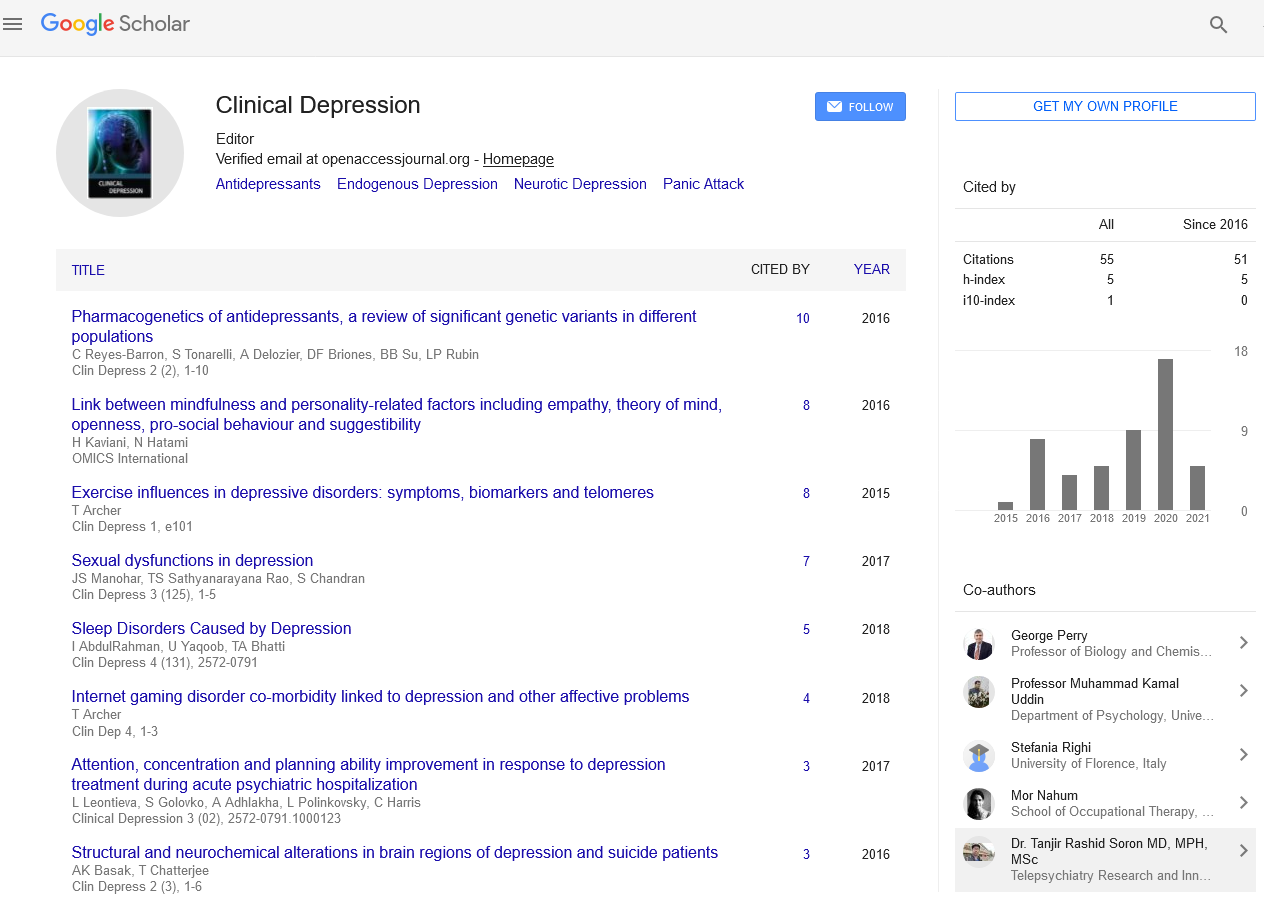
Clinical Depression received 89 citations as per Google Scholar report