Brief Report - (2025) Volume 14, Issue 4
Received: 01-Sep-2025, Manuscript No. jms-25-177886;
Editor assigned: 03-Sep-2025, Pre QC No. P-177886;
Reviewed: 17-Sep-2025, QC No. Q-177886;
Revised: 22-Sep-2025, Manuscript No. R-177886;
Published:
29-Sep-2025
, DOI: 10.37421/2167-0943.2024.13.421
Citation: Matsuda, Riku. ”Insulin Resistance: Mechanisms and Management.” J Metabolic Synd 14 (2025):421.
Copyright: © 2025 Matsuda R. This is an open-access article distributed under the terms of the Creative Commons Attribution License, which permits unrestricted use, distribution and reproduction in any medium, provided the original author and source are credited.
Insulin resistance within skeletal muscle tissue emerges as a pivotal factor in the pathogenesis of type 2 diabetes. The mechanisms underlying this resistance are complex and multifaceted, encompassing significant issues such as mitochondrial dysfunction, which impairs cellular energy metabolism, alongside disrupted insulin signaling pathways that fail to properly respond to insulin. Furthermore, the presence of chronic inflammation contributes significantly to this intricate web of dysfunction. A comprehensive understanding of these specific cellular and molecular pathways is absolutely essential for the successful identification and development of effective new therapeutic strategies aimed at combating this debilitating condition [1].
The liver holds an undeniably critical and central position in the regulation of systemic glucose metabolism. When the liver itself develops insulin resistance, this physiological impairment contributes substantially to the manifestation of hyperglycemia, characterized by elevated blood sugar levels, and is also deeply involved in dyslipidemia, an imbalance of lipids in the blood. Extensive research efforts are currently concentrating on dissecting the precise molecular and cellular pathways within hepatic cells that precipitate this resistance, with the ultimate goal of pioneering highly targeted and effective therapies that can restore normal liver function and glucose control [2].
Adipose tissue, conventionally viewed primarily as an energy storage depot, is now recognized as a remarkably active and dynamic endocrine organ. Its metabolic health is intrinsically linked to overall systemic insulin sensitivity. When adipose tissue becomes insulin resistant, it initiates a detrimental cascade, releasing excessive free fatty acids and potent inflammatory mediators into circulation. These substances then negatively interfere with insulin sensitivity in other vital tissues throughout the body, firmly establishing adipose tissue as a key strategic target for comprehensive metabolic health interventions [3].
Mitochondria are indispensable organelles, functioning as the primary centers for cellular energy production. Their proper function is paramount for metabolic health, and conversely, mitochondrial dysfunction is profoundly and strongly linked to the development and progression of insulin resistance. Significant alterations in mitochondrial dynamics, including their fusion, fission, and overall metabolic efficiency, can critically impair the cells' ability to effectively take up and utilize glucose. This highlights the substantial role of mitochondria as promising and potent therapeutic targets for metabolic disorders [4].
Consistent and regular physical activity stands as an exceptionally potent tool for markedly improving insulin sensitivity across the body. Engaging in physical activity significantly enhances glucose uptake within skeletal muscles, effectively reduces the accumulation of detrimental visceral fat, and contributes substantially to the improvement of overall metabolic health. This makes physical activity a cornerstone strategy, indispensable for both the prevention and effective management of insulin resistance [5].
Genetic predisposition plays a substantial and undeniable role in determining an individualâ??s susceptibility to developing insulin resistance. Recent scientific investigations, particularly comprehensive genome-wide association studies, are proving instrumental in precisely pinpointing specific genes and their associated pathways that predispose individuals to this complex metabolic condition. Such discoveries are rapidly opening new and exciting avenues for the application of personalized medicine approaches [6].
A state of chronic low-grade inflammation is now recognized as a primary driving force behind the development of insulin resistance. The involvement of various immune cells and the activation of specific inflammatory pathways actively disrupt normal insulin signaling, thereby significantly contributing to broad metabolic dysfunction. Consequently, therapeutic strategies that focus on directly targeting these inflammatory processes hold considerable promise for novel interventions [7].
The composition and activity of the gut microbiota are increasingly understood to exert a profound and crucial influence on overall metabolic health and, specifically, on insulin resistance. An imbalanced gut bacterial ecosystem can directly impact host metabolism, propagate inflammation, and interfere with insulin signaling. This intricate bidirectional relationship strongly suggests that targeted manipulation of the gut microbiome could emerge as a viable and promising therapeutic avenue [8].
The scientific community is continuously engaged in the development of new pharmaceutical agents and innovative therapeutic strategies specifically designed to combat the challenges of insulin resistance. These advancements encompass a wide spectrum, from drugs meticulously engineered to target precise signaling pathways to those aimed at enhancing overall cellular energy metabolism. Such ongoing developments offer considerable hope for achieving better and more effective management of various metabolic disorders [9].
Foundational lifestyle changes, particularly focusing on strategic dietary interventions and consistently increasing levels of physical activity, remain absolutely paramount for substantially improving and restoring insulin sensitivity. A focused approach that emphasizes the consumption of whole, unprocessed foods, maintaining balanced macronutrient ratios, and engaging in regular, consistent exercise can powerfully reverse or significantly prevent the progression of insulin resistance. These accessible yet profound interventions are critical to achieving and sustaining long-term metabolic well-being [10].
Insulin resistance within skeletal muscle tissue emerges as a pivotal factor in the pathogenesis of type 2 diabetes. The mechanisms underlying this resistance are complex and multifaceted, encompassing significant issues such as mitochondrial dysfunction, which impairs cellular energy metabolism, alongside disrupted insulin signaling pathways that fail to properly respond to insulin. Furthermore, the presence of chronic inflammation contributes significantly to this intricate web of dysfunction. A comprehensive understanding of these specific cellular and molecular pathways is absolutely essential for the successful identification and development of effective new therapeutic strategies aimed at combating this debilitating condition [1]. The liver holds an undeniably critical and central position in the regulation of systemic glucose metabolism. When the liver itself develops insulin resistance, this physiological impairment contributes substantially to the manifestation of hyperglycemia, characterized by elevated blood sugar levels, and is also deeply involved in dyslipidemia, an imbalance of lipids in the blood. Extensive research efforts are currently concentrating on dissecting the precise molecular and cellular pathways within hepatic cells that precipitate this resistance, with the ultimate goal of pioneering highly targeted and effective therapies that can restore normal liver function and glucose control [2].
Adipose tissue, conventionally viewed primarily as an energy storage depot, is now recognized as a remarkably active and dynamic endocrine organ. Its metabolic health is intrinsically linked to overall systemic insulin sensitivity. When adipose tissue becomes insulin resistant, it initiates a detrimental cascade, releasing excessive free fatty acids and potent inflammatory mediators into circulation. These substances then negatively interfere with insulin sensitivity in other vital tissues throughout the body, firmly establishing adipose tissue as a key strategic target for comprehensive metabolic health interventions [3]. Mitochondria are indispensable organelles, functioning as the primary centers for cellular energy production. Their proper function is paramount for metabolic health, and conversely, mitochondrial dysfunction is profoundly and strongly linked to the development and progression of insulin resistance. Significant alterations in mitochondrial dynamics, including their fusion, fission, and overall metabolic efficiency, can critically impair the cells' ability to effectively take up and utilize glucose. This highlights the substantial role of mitochondria as promising and potent therapeutic targets for metabolic disorders [4].
Consistent and regular physical activity stands as an exceptionally potent tool for markedly improving insulin sensitivity across the body. Engaging in physical activity significantly enhances glucose uptake within skeletal muscles, effectively reduces the accumulation of detrimental visceral fat, and contributes substantially to the improvement of overall metabolic health. This makes physical activity a cornerstone strategy, indispensable for both the prevention and effective management of insulin resistance [5]. Genetic predisposition plays a substantial and undeniable role in determining an individualâ??s susceptibility to developing insulin resistance. Recent scientific investigations, particularly comprehensive genome-wide association studies, are proving instrumental in precisely pinpointing specific genes and their associated pathways that predispose individuals to this complex metabolic condition. Such discoveries are rapidly opening new and exciting avenues for the application of personalized medicine approaches [6].
A state of chronic low-grade inflammation is now recognized as a primary driving force behind the development of insulin resistance. The involvement of various immune cells and the activation of specific inflammatory pathways actively disrupt normal insulin signaling, thereby significantly contributing to broad metabolic dysfunction. Consequently, therapeutic strategies that focus on directly targeting these inflammatory processes hold considerable promise for novel interventions [7]. The composition and activity of the gut microbiota are increasingly understood to exert a profound and crucial influence on overall metabolic health and, specifically, on insulin resistance. An imbalanced gut bacterial ecosystem can directly impact host metabolism, propagate inflammation, and interfere with insulin signaling. This intricate bidirectional relationship strongly suggests that targeted manipulation of the gut microbiome could emerge as a viable and promising therapeutic avenue [8].
The scientific community is continuously engaged in the development of new pharmaceutical agents and innovative therapeutic strategies specifically designed to combat the challenges of insulin resistance. These advancements encompass a wide spectrum, from drugs meticulously engineered to target precise signaling pathways to those aimed at enhancing overall cellular energy metabolism. Such ongoing developments offer considerable hope for achieving better and more effective management of various metabolic disorders [9]. Foundational lifestyle changes, particularly focusing on strategic dietary interventions and consistently increasing levels of physical activity, remain absolutely paramount for substantially improving and restoring insulin sensitivity. A focused approach that emphasizes the consumption of whole, unprocessed foods, maintaining balanced macronutrient ratios, and engaging in regular, consistent exercise can powerfully reverse or significantly prevent the progression of insulin resistance. These accessible yet profound interventions are critical to achieving and sustaining long-term metabolic well-being [10].
Insulin resistance in skeletal muscle is a major player in type 2 diabetes, with its mechanisms involving things like mitochondrial dysfunction, impaired insulin signaling, and chronic inflammation. The liver also plays a critical role in glucose metabolism, and when it becomes insulin resistant, it contributes significantly to hyperglycemia and dyslipidemia. Adipose tissue isn't just a storage depot; it's an active endocrine organ. When it becomes insulin resistant, it releases free fatty acids and inflammatory mediators that mess with insulin sensitivity in other tissues, making it a key target for metabolic health interventions. Mitochondria are crucial for energy production, and their dysfunction is strongly linked to insulin resistance. Changes in mitochondrial dynamics and metabolism can impair glucose uptake and utilization, highlighting their role as potential therapeutic targets. Regular physical activity is a powerful tool for improving insulin sensitivity. It enhances glucose uptake in muscles, reduces visceral fat, and improves overall metabolic health, making it a cornerstone of both preventing and managing insulin resistance. Genetic factors significantly influence an individual's susceptibility to insulin resistance. Recent studies, including genome-wide association studies, are helping us pinpoint specific genes and pathways that predispose people to this condition, opening doors for personalized medicine. Chronic low-grade inflammation is a major driver of insulin resistance. Immune cells and inflammatory pathways disrupt insulin signaling, contributing to metabolic dysfunction. Targeting these inflammatory processes could offer new therapeutic strategies. The gut microbiota plays an increasingly recognized role in metabolic health and insulin resistance. An imbalance in gut bacteria can influence host metabolism, inflammation, and insulin signaling, suggesting that manipulating the microbiome could be a therapeutic avenue. New drugs and therapies are constantly being developed to combat insulin resistance. These range from agents targeting specific signaling pathways to those improving cellular energy metabolism, offering hope for better management of metabolic disorders. Lifestyle changes, particularly dietary interventions and increased physical activity, remain foundational for improving insulin sensitivity. Focusing on whole foods, balanced macronutrients, and consistent exercise can significantly reverse or prevent insulin resistance.
None
None
Indexed at, Google Scholar, Crossref
Indexed at, Google Scholar, Crossref
Indexed at, Google Scholar, Crossref
Indexed at, Google Scholar, Crossref
Indexed at, Google Scholar, Crossref
Indexed at, Google Scholar, Crossref
Indexed at, Google Scholar, Crossref
Indexed at, Google Scholar, Crossref
Indexed at, Google Scholar, Crossref
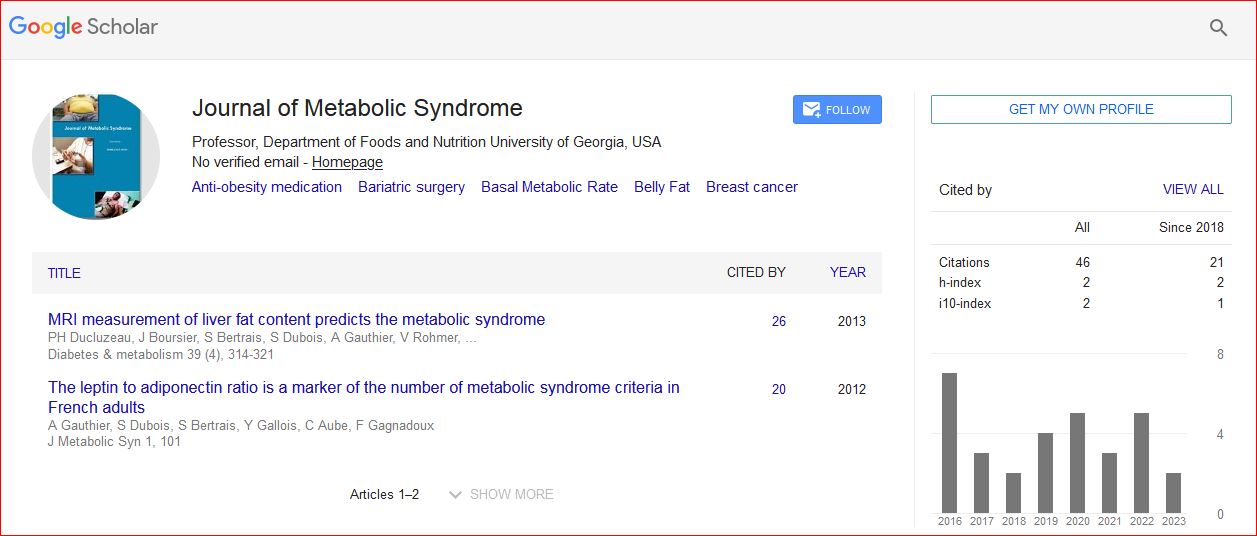
Journal of Metabolic Syndrome received 48 citations as per Google Scholar report