Opinion - (2025) Volume 9, Issue 5
Received: 01-Sep-2025, Manuscript No. jchd-26-185708;
Editor assigned: 03-Sep-2025, Pre QC No. P-185708;
Reviewed: 17-Sep-2025, QC No. Q-185708;
Revised: 22-Sep-2025, Manuscript No. R-185708;
Published:
29-Sep-2025
, DOI: 10.37421/2684-6020.2024.9.264
Citation: Ruiz, Juan Carlos. ”Coronary Heart Disease Prevention:
Lifestyle, Personalized, and Emerging.” J Coron Heart Dis 09 (2025):264.
Copyright: © 2025 Ruiz C. Juan This is an open-access article distributed under the terms of the Creative Commons Attribution License, which permits unrestricted use,
distribution and reproduction in any medium, provided the original author and source are credited.
Coronary heart disease (CHD) remains a paramount global health challenge, largely influenced by modifiable risk factors such as poor dietary habits, sedentary lifestyles, tobacco use, and elevated blood pressure. Effective prevention hinges on evidence-based strategies, prominently featuring lifestyle modifications like adopting a heart-conscious diet abundant in fruits, vegetables, and whole grains, engaging in regular physical activity, and committing to smoking cessation. Proactive health management through regular screenings and timely intervention for conditions like dyslipidemia and diabetes are also critical components of CHD prevention. The evolving understanding of CHD highlights the significance of individualized approaches and the profound impact of socioeconomic factors on disease prevention efforts. The incorporation of these elements into public health initiatives and clinical practice is essential for mitigating the burden of coronary heart disease. This approach acknowledges the complex interplay of various determinants influencing cardiovascular health and underscores the necessity of a comprehensive strategy. The integration of personalized medicine alongside public health interventions promises to further refine our ability to combat this pervasive condition. Continuous research and dissemination of findings are vital for staying abreast of advancements in the field. Ultimately, a multifaceted approach involving individual behavior change, clinical management, and societal support is required to address the persistent threat of coronary heart disease. The advancement of medical science offers new avenues for understanding and managing this complex disease. The focus on prevention at both individual and population levels is a cornerstone of modern healthcare strategies. Recognizing the multifactorial nature of CHD necessitates a broad and inclusive perspective in its management. The ongoing pursuit of knowledge in this domain will undoubtedly lead to more effective interventions in the future. The ultimate goal is to reduce the incidence and mortality associated with coronary heart disease globally. [1]
Dietary patterns exert a substantial influence on cardiovascular well-being and the susceptibility to developing coronary heart disease. Research consistently demonstrates that specific dietary regimes, including plant-based eating, the Mediterranean diet, and the DASH diet, are associated with improved cardiovascular markers such as blood pressure, lipid profiles, and inflammatory indicators. These dietary approaches are linked to a diminished incidence of CHD, emphasizing the crucial role of nutritional interventions in primary prevention strategies. The evidence supports the incorporation of these eating patterns into dietary guidelines for cardiovascular health. Understanding these dietary influences allows for targeted public health messaging and clinical recommendations. The synergy between diet and cardiovascular health is a well-established principle in preventive medicine. Nutritional science continues to unravel the intricate mechanisms by which food impacts the heart. Promoting these healthy dietary patterns is an accessible and effective means of enhancing public health. The impact of diet extends beyond individual health to broader community well-being. The adoption of such diets can lead to significant reductions in healthcare costs associated with cardiovascular diseases. Educating individuals about these dietary benefits is paramount for successful implementation. The long-term adherence to these dietary patterns can yield profound and lasting health improvements. The scientific consensus strongly advocates for their inclusion in cardiovascular disease prevention. [2] Physical activity is a foundational element in the prevention of coronary heart disease, playing an instrumental role in the management of body weight, blood pressure, and cholesterol levels. Current guidelines and research evidence strongly support the integration of both aerobic and resistance training into exercise regimens for optimal cardiovascular health. The importance of tailoring exercise plans to individual needs to enhance adherence and maximize benefits cannot be overstated. Regular physical activity is recognized as a powerful tool for maintaining a healthy cardiovascular system. The benefits of exercise are far-reaching, impacting multiple physiological systems. A sedentary lifestyle is a significant contributor to the rising prevalence of heart disease. Therefore, promoting an active lifestyle is a public health imperative. The recommendations for physical activity are designed to be achievable for a wide range of individuals. Incorporating exercise into daily routines is key to long-term health. The psychological benefits of physical activity also contribute to overall well-being. Scientific research continues to validate the indispensable role of exercise in preventing chronic diseases. The promotion of physical activity should be a collaborative effort involving healthcare providers and community organizations. The evidence unequivocally supports the recommendation of regular physical activity for everyone. [3] Smoking stands as a substantial and entirely preventable risk factor for coronary heart disease. The detrimental effects of tobacco use on the cardiovascular system are multifaceted and well-documented. Effective strategies for smoking cessation, encompassing behavioral counseling and pharmacological interventions, have proven efficacy in helping individuals quit. Public health initiatives aimed at reducing smoking prevalence are essential for protecting individuals from the severe health consequences of tobacco consumption. The impact of smoking cessation on cardiovascular health is profound and immediate. Quitting smoking is one of the most impactful steps an individual can take to improve their health. The availability of cessation support services is crucial for successful quitting. Public awareness campaigns play a vital role in highlighting the dangers of smoking. The societal cost of smoking-related illnesses is immense. Therefore, robust policies and interventions are needed to combat this epidemic. The long-term benefits of quitting far outweigh the challenges of cessation. Healthcare professionals should actively counsel patients on smoking cessation. The collective effort to reduce smoking rates will lead to significant public health gains. The eradication of tobacco use would be a monumental achievement for global health. [4] Hypertension is identified as a primary modifiable risk factor for coronary heart disease. The latest evidence concerning both pharmacological and non-pharmacological approaches to managing elevated blood pressure underscores the significant benefits of lifestyle modifications when integrated with medication. Updated treatment guidelines emphasize the importance of personalized blood pressure targets to optimize patient outcomes. Effective blood pressure control is essential for preventing cardiovascular complications. The management of hypertension requires a comprehensive and individualized approach. Lifestyle interventions, such as diet and exercise, are critical adjuncts to medical therapy. Regular monitoring of blood pressure is crucial for individuals with or at risk of hypertension. The advancement of pharmacological agents has provided new options for treating this condition. However, the focus on lifestyle remains a cornerstone of management. Public health strategies should aim to increase awareness and control of hypertension. The link between uncontrolled hypertension and cardiovascular events is undeniable. Therefore, aggressive management is warranted. The long-term benefits of blood pressure control extend to reducing the risk of stroke and kidney disease as well. The medical community is continually refining the best practices for hypertension management. [5] Dyslipidemia significantly contributes to the development of atherosclerosis and coronary heart disease. Current understanding of lipid metabolism, coupled with the effectiveness of treatments like statins, ezetimibe, and PCSK9 inhibitors, guides the management of dyslipidemia. Risk stratification and personalized lipid-lowering strategies are emphasized for both primary and secondary prevention of cardiovascular events. Optimizing lipid profiles is a key objective in cardiovascular disease prevention. The complex interplay of different lipid fractions influences cardiovascular risk. The advent of novel therapeutic agents has expanded treatment options. However, lifestyle modifications remain a fundamental aspect of lipid management. Individualized treatment plans are crucial for achieving optimal outcomes. The role of genetics in lipid metabolism also warrants consideration. Regular screening for dyslipidemia is recommended for at-risk populations. The long-term management of dyslipidemia requires a sustained commitment from both patients and healthcare providers. The reduction of cardiovascular events through effective lipid management is a primary goal. Continued research is vital for further understanding and refining lipid-lowering therapies. [6] Diabetes mellitus represents a potent risk factor for coronary heart disease. The impact of glycemic control and the role of newer antidiabetic agents, such as SGLT2 inhibitors and GLP-1 receptor agonists, in reducing cardiovascular events are under active investigation. A holistic approach to diabetes management, integrating lifestyle interventions and cardiovascular risk assessment, is highlighted as essential. Effective management of diabetes is paramount for preventing cardiovascular complications. The metabolic derangements associated with diabetes contribute significantly to cardiovascular risk. The newer classes of antidiabetic drugs have demonstrated significant cardiovascular benefits. A comprehensive care plan addresses both glycemic control and cardiovascular risk factors. Patient education and self-management are critical components of diabetes care. Regular monitoring of HbA1c levels is important for assessing glycemic control. The interplay between diabetes and other cardiovascular risk factors necessitates integrated management strategies. The long-term consequences of poorly controlled diabetes can be severe. Therefore, a proactive and vigilant approach is crucial for individuals with this condition. The ongoing advancements in diabetes research offer hope for improved outcomes. [7] The role of inflammation in the pathogenesis of coronary heart disease is increasingly acknowledged. This review delves into the inflammatory pathways implicated in atherosclerosis and explores the potential of anti-inflammatory therapies for both prevention and treatment. Biomarkers of inflammation are also examined for their utility in risk prediction. Understanding the inflammatory component of CHD is vital for developing novel therapeutic strategies. Inflammation contributes significantly to the initiation and progression of atherosclerotic plaque. Targeting inflammatory pathways offers a promising avenue for cardiovascular disease intervention. The development of reliable inflammatory biomarkers can aid in risk assessment. Lifestyle factors, such as diet and exercise, can modulate inflammatory responses. The chronic low-grade inflammation associated with metabolic diseases plays a crucial role. The pursuit of anti-inflammatory agents for cardiovascular protection is an active area of research. The precise mechanisms by which inflammation drives atherosclerosis are complex. Further investigation into these pathways will likely yield new therapeutic targets. The integration of inflammatory markers into risk assessment models is gaining traction. The management of inflammation may prove to be a critical component of comprehensive cardiovascular care. [8] Emerging evidence links air pollution to an increased risk of coronary heart disease. This study investigates the impact of particulate matter exposure on cardiovascular outcomes and discusses potential public health strategies to mitigate these risks. Further research into the specific mechanisms and long-term effects is emphasized. Environmental factors, such as air quality, have a direct impact on cardiovascular health. Exposure to fine particulate matter is associated with adverse cardiovascular events. Identifying and implementing strategies to reduce air pollution is a critical public health priority. The long-term health consequences of chronic exposure to air pollutants are significant. Understanding the biological pathways linking pollution to heart disease is an ongoing area of research. The development of policies to improve air quality is essential for protecting public health. Individual susceptibility to the effects of air pollution may vary. The cumulative impact of environmental exposures on cardiovascular health warrants further attention. The scientific community continues to build a robust body of evidence regarding this issue. Addressing air pollution is not only an environmental concern but also a critical health imperative. [9] The personalization of cardiovascular disease prevention strategies is gaining significant traction. This article explores the application of genetic risk scores and advanced biomarkers in identifying individuals at higher risk for coronary heart disease. The authors discuss how personalized approaches can optimize both lifestyle and pharmacological interventions for enhanced effectiveness. Tailoring medical interventions to individual characteristics is revolutionizing preventive cardiology. Genetic predispositions can significantly influence an individual's risk of developing CHD. Advanced biomarkers offer a more refined assessment of cardiovascular risk. Personalized strategies allow for more precise targeting of interventions. This approach aims to maximize the benefits of prevention while minimizing potential harms. The integration of genetic information into clinical practice is rapidly evolving. Biomarker-based risk assessment can lead to earlier and more effective interventions. The concept of precision medicine is transforming healthcare delivery. The ethical considerations surrounding genetic testing and personalized medicine are important. The future of cardiovascular prevention lies in these individualized approaches. This paradigm shift promises to improve outcomes and enhance the efficiency of healthcare resources. [10]Coronary heart disease (CHD) represents a significant global health concern, largely driven by controllable factors such as unhealthy dietary habits, lack of physical activity, smoking, and hypertension. This guide champions evidence-based preventive measures, with a strong emphasis on lifestyle adjustments. These include embracing a heart-healthy diet rich in fruits, vegetables, and whole grains, committing to at least 150 minutes of moderate-intensity aerobic exercise weekly, and actively pursuing smoking cessation. Early identification through regular health screenings and prompt management of conditions like dyslipidemia and diabetes are also vital. Emerging research underscores the importance of personalized strategies and the influence of social determinants on CHD prevention. The comprehensive nature of these preventive strategies aims to address the multifactorial etiology of CHD. The integration of these lifestyle modifications into daily routines is a cornerstone of effective prevention. Public health campaigns play a crucial role in disseminating this information and encouraging adoption. Clinical guidelines are continuously updated to reflect the latest scientific evidence. The empowerment of individuals to take control of their health is a key objective. The long-term benefits of adopting these preventive measures are substantial. The focus on modifiable risk factors provides tangible avenues for intervention. The interplay between different risk factors necessitates a holistic approach to management. The ongoing evolution of research in this field promises further refinements in preventive strategies. The ultimate goal is to reduce the global burden of coronary heart disease through widespread adoption of these principles. [1]
Dietary patterns play a pivotal role in cardiovascular health and the risk of developing coronary heart disease. A comprehensive review of studies focusing on plant-based, Mediterranean, and DASH diets reveals their positive impact on blood pressure, lipid profiles, and inflammatory markers. These dietary approaches are consistently associated with a reduced incidence of CHD, highlighting the critical importance of nutritional interventions in primary prevention efforts. The scientific consensus strongly supports the adoption of these dietary patterns. The specific macronutrient and micronutrient compositions of these diets contribute to their cardioprotective effects. Educating the public about the benefits of these eating patterns is essential for widespread adoption. The sustainability of these dietary changes is also a key consideration for long-term health. The synergistic effects of various food groups within these diets enhance their overall impact. The emphasis on whole, unprocessed foods is a common thread among these beneficial dietary patterns. The influence of diet extends beyond CHD to other chronic disease prevention. The affordability and accessibility of these food choices should be considered in public health initiatives. The ongoing research continues to elucidate the intricate mechanisms linking diet to cardiovascular health. The widespread implementation of these dietary recommendations can lead to significant improvements in population health. [2] Physical activity is recognized as a cornerstone of coronary heart disease prevention, significantly contributing to weight management, blood pressure regulation, and cholesterol control. Current guidelines and research synthesize the benefits of both aerobic and resistance training for cardiovascular well-being. The development of individualized exercise plans is crucial for ensuring patient adherence and maximizing health benefits. The consistent engagement in physical activity is fundamental for maintaining a healthy heart. The physiological adaptations resulting from regular exercise are diverse and beneficial. Sedentary behavior is a significant risk factor that must be addressed. The recommendations for physical activity are designed to be progressive and adaptable. The integration of enjoyable activities can enhance long-term adherence. The mental health benefits associated with exercise also contribute to overall well-being. The scientific community continues to validate the indispensable role of physical activity in health promotion. Community-based programs can play a vital role in encouraging active lifestyles. The evidence unequivocally supports the recommendation of regular physical activity for all age groups. [3] Smoking remains a prominent and modifiable risk factor for coronary heart disease. This article details the detrimental effects of tobacco use on the cardiovascular system and reviews effective smoking cessation strategies, including behavioral counseling and pharmacotherapy. The authors emphasize the necessity of public health initiatives to curb smoking rates and safeguard individuals from its adverse health outcomes. The cessation of smoking yields immediate and long-term cardiovascular benefits. Tobacco smoke contains thousands of harmful chemicals that directly damage the cardiovascular system. The availability of comprehensive cessation programs is essential for supporting individuals in their quit attempts. Public awareness campaigns are critical for reinforcing the message about the dangers of smoking. The societal and economic costs associated with smoking-related diseases are substantial. Therefore, sustained efforts are required to reduce tobacco use. The challenges of quitting can be overcome with adequate support and resources. Healthcare providers have a crucial role in advising patients on cessation methods. The collective action to reduce smoking prevalence will lead to significant improvements in public health. The ultimate goal of eliminating tobacco-induced harm is achievable through concerted efforts. [4] Hypertension is a major modifiable risk factor for coronary heart disease. This paper examines the latest evidence on pharmacological and non-pharmacological management of high blood pressure, stressing the benefits of lifestyle changes alongside medication. The authors discuss updated treatment guidelines and the importance of personalized blood pressure targets. Effective management of hypertension is critical for preventing cardiovascular complications. The physiological mechanisms underlying hypertension are complex and varied. Lifestyle modifications, including dietary adjustments and regular exercise, are integral to blood pressure control. Pharmacological interventions offer effective means to lower blood pressure when lifestyle changes are insufficient. The concept of personalized medicine is increasingly being applied to hypertension management. Regular monitoring of blood pressure is essential for individuals with or at risk of this condition. The link between uncontrolled hypertension and increased cardiovascular risk is well-established. Therefore, proactive and comprehensive management is warranted. The long-term benefits of blood pressure control extend to a reduced risk of stroke and renal disease. The medical community continues to refine best practices for hypertension management. [5] Dyslipidemia significantly contributes to the development of atherosclerosis and coronary heart disease. This review explores the current understanding of lipid metabolism and the effectiveness of statins, ezetimibe, and PCSK9 inhibitors in managing dyslipidemia. The article emphasizes risk stratification and personalized lipid-lowering strategies for primary and secondary prevention. Optimizing lipid profiles is a key objective in cardiovascular disease prevention. The complex interplay of different lipid fractions influences cardiovascular risk. The advent of novel therapeutic agents has expanded treatment options. However, lifestyle modifications remain a fundamental aspect of lipid management. Individualized treatment plans are crucial for achieving optimal outcomes. The role of genetics in lipid metabolism also warrants consideration. Regular screening for dyslipidemia is recommended for at-risk populations. The long-term management of dyslipidemia requires a sustained commitment from both patients and healthcare providers. The reduction of cardiovascular events through effective lipid management is a primary goal. Continued research is vital for further understanding and refining lipid-lowering therapies. [6] Diabetes mellitus is a potent risk factor for coronary heart disease. This article examines the impact of glycemic control and the role of newer antidiabetic agents, such as SGLT2 inhibitors and GLP-1 receptor agonists, in reducing cardiovascular events. The authors highlight the importance of a holistic approach to diabetes management that includes lifestyle interventions and cardiovascular risk assessment. Effective management of diabetes is paramount for preventing cardiovascular complications. The metabolic derangements associated with diabetes contribute significantly to cardiovascular risk. The newer classes of antidiabetic drugs have demonstrated significant cardiovascular benefits. A comprehensive care plan addresses both glycemic control and cardiovascular risk factors. Patient education and self-management are critical components of diabetes care. Regular monitoring of HbA1c levels is important for assessing glycemic control. The interplay between diabetes and other cardiovascular risk factors necessitates integrated management strategies. The long-term consequences of poorly controlled diabetes can be severe. Therefore, a proactive and vigilant approach is crucial for individuals with this condition. The ongoing advancements in diabetes research offer hope for improved outcomes. [7] The role of inflammation in the pathogenesis of coronary heart disease is increasingly recognized. This review discusses the inflammatory pathways involved in atherosclerosis and the potential of anti-inflammatory therapies for prevention and treatment. Biomarkers of inflammation and their utility in risk prediction are also explored. Understanding the inflammatory component of CHD is vital for developing novel therapeutic strategies. Inflammation contributes significantly to the initiation and progression of atherosclerotic plaque. Targeting inflammatory pathways offers a promising avenue for cardiovascular disease intervention. The development of reliable inflammatory biomarkers can aid in risk assessment. Lifestyle factors, such as diet and exercise, can modulate inflammatory responses. The chronic low-grade inflammation associated with metabolic diseases plays a crucial role. The pursuit of anti-inflammatory agents for cardiovascular protection is an active area of research. The precise mechanisms by which inflammation drives atherosclerosis are complex. Further investigation into these pathways will likely yield new therapeutic targets. The integration of inflammatory markers into risk assessment models is gaining traction. The management of inflammation may prove to be a critical component of comprehensive cardiovascular care. [8] Emerging evidence suggests a link between air pollution and an increased risk of coronary heart disease. This study investigates the impact of particulate matter exposure on cardiovascular outcomes and discusses potential public health strategies to mitigate these risks. The authors emphasize the need for further research into the specific mechanisms and long-term effects. Environmental factors, such as air quality, have a direct impact on cardiovascular health. Exposure to fine particulate matter is associated with adverse cardiovascular events. Identifying and implementing strategies to reduce air pollution is a critical public health priority. The long-term health consequences of chronic exposure to air pollutants are significant. Understanding the biological pathways linking pollution to heart disease is an ongoing area of research. The development of policies to improve air quality is essential for protecting public health. Individual susceptibility to the effects of air pollution may vary. The cumulative impact of environmental exposures on cardiovascular health warrants further attention. The scientific community continues to build a robust body of evidence regarding this issue. Addressing air pollution is not only an environmental concern but also a critical health imperative. [9] The personalization of cardiovascular disease prevention strategies is becoming increasingly important. This article explores the application of genetic risk scores and advanced biomarkers in identifying individuals at higher risk for coronary heart disease. The authors discuss how personalized approaches can optimize lifestyle and pharmacological interventions for greater effectiveness. Tailoring medical interventions to individual characteristics is revolutionizing preventive cardiology. Genetic predispositions can significantly influence an individual's risk of developing CHD. Advanced biomarkers offer a more refined assessment of cardiovascular risk. Personalized strategies allow for more precise targeting of interventions. This approach aims to maximize the benefits of prevention while minimizing potential harms. The integration of genetic information into clinical practice is rapidly evolving. Biomarker-based risk assessment can lead to earlier and more effective interventions. The concept of precision medicine is transforming healthcare delivery. The ethical considerations surrounding genetic testing and personalized medicine are important. The future of cardiovascular prevention lies in these individualized approaches. This paradigm shift promises to improve outcomes and enhance the efficiency of healthcare resources. [10]Coronary heart disease (CHD) is a major global health issue influenced by modifiable factors like diet, physical activity, smoking, and hypertension. Prevention strategies focus on lifestyle modifications, including adopting a heart-healthy diet, regular exercise, and smoking cessation. Early detection and management of conditions like dyslipidemia and diabetes are also crucial. Emerging research highlights the importance of personalized approaches and the impact of social determinants on CHD prevention. Dietary patterns, particularly plant-based, Mediterranean, and DASH diets, significantly influence cardiovascular health and reduce CHD risk. Physical activity is fundamental for managing weight, blood pressure, and cholesterol. Smoking cessation is a critical step in preventing cardiovascular disease. Hypertension management, combining lifestyle changes and medication, is essential. Dyslipidemia requires tailored lipid-lowering strategies. Diabetes control, with newer antidiabetic agents, is vital for reducing cardiovascular events. Inflammation plays a role in atherosclerosis, and anti-inflammatory therapies are being explored. Air pollution is increasingly linked to increased CHD risk, necessitating public health interventions. Personalized prevention, utilizing genetic risk scores and biomarkers, is revolutionizing cardiovascular care by optimizing lifestyle and pharmacological interventions for greater effectiveness.
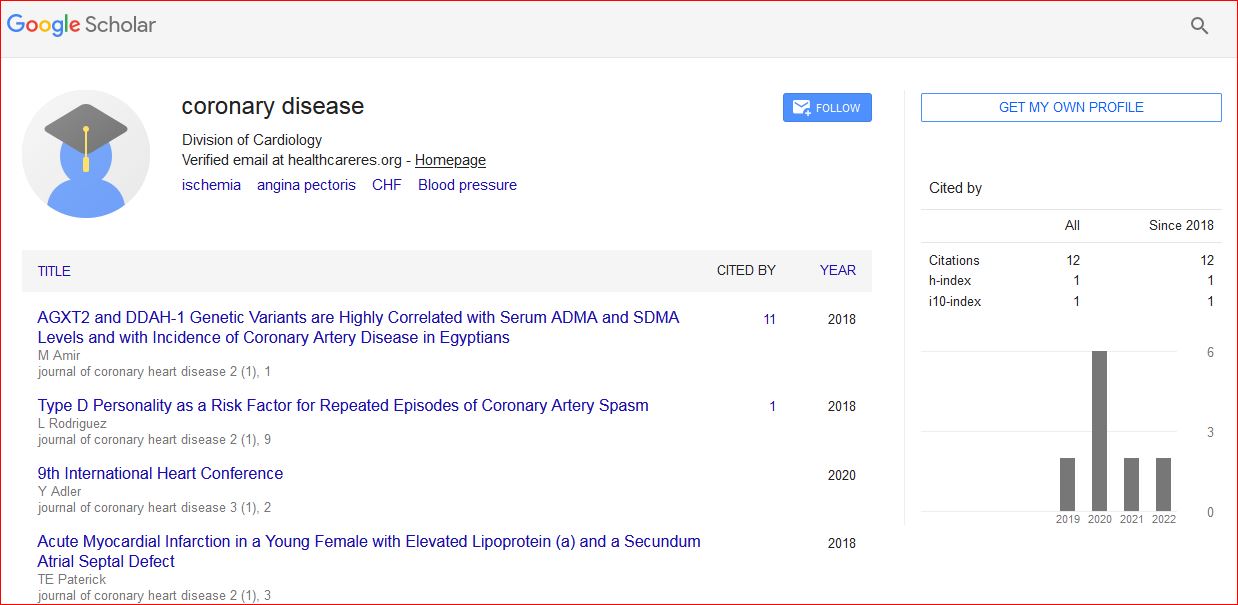
Journal of Coronary Heart Diseases received 15 citations as per Google Scholar report