Short Communication - (2025) Volume 19, Issue 6
Received: 01-Dec-2025, Manuscript No. jmgm-26-188387;
Editor assigned: 03-Dec-2025, Pre QC No. P-188387;
Reviewed: 17-Dec-2025, QC No. Q-188387;
Revised: 22-Dec-2025, Manuscript No. R-188387;
Published:
29-Dec-2025
, DOI: 10.37421/1747-0862.2025.19.762
Citation: Chao, Mei-Ling. ”Chromatin Remodeling: Cancer, Development, and Therapeutics.” J Mol Genet Med 19 (2025):762.
Copyright: © 2025 Chao M. This is an open-access article distributed under the terms of the Creative Commons Attribution License, which permits unrestricted use, distribution and reproduction in any medium, provided the original author and source are credited.
Chromatin remodeling, a fundamental biological process, involves dynamic alterations in the interaction between DNA and proteins, which is crucial for regulating gene expression. Aberrant chromatin remodeling has emerged as a significant factor contributing to the pathogenesis of both cancer and developmental diseases. This process influences the activation of oncogenes, the silencing of tumor suppressor genes, and the disruption of normal developmental pathways. Consequently, research in this area is exploring the potential for developing therapeutic interventions that target chromatin-modifying enzymes and complexes. Understanding the intricate mechanisms of chromatin remodeling is key to unraveling complex disease states and identifying novel therapeutic targets. The dynamic nature of chromatin allows for a wide range of regulatory possibilities, impacting cellular fate and function. Research continues to elucidate the specific roles of different chromatin remodeling factors in various cellular contexts. The field is rapidly advancing, driven by innovative technologies and a deeper understanding of molecular mechanisms. This fundamental process underscores the plasticity of the genome and its susceptibility to environmental and genetic influences. The implications for human health are profound, spanning a wide spectrum of diseases and developmental conditions. Future research will undoubtedly uncover more facets of this critical biological pathway and its therapeutic potential. The careful orchestration of chromatin states is essential for maintaining cellular homeostasis and preventing disease. The intricate interplay between genetic and epigenetic factors highlights the complexity of biological regulation. The continuous exploration of chromatin remodeling pathways promises to yield significant breakthroughs in disease understanding and treatment. The role of these dynamic changes in gene accessibility cannot be overstated. Advances in our understanding are paving the way for precision medicine approaches. The regulatory capacity of chromatin remodeling is vast and multifaceted. [1] Specific histone modifications and ATP-dependent chromatin remodelers are deeply involved in the intricate processes of embryonic development. Dysregulation within these crucial processes can result in the occurrence of congenital anomalies and a variety of developmental disorders. A thorough understanding of these underlying mechanisms offers valuable insights into the plasticity of development and identifies potential therapeutic targets for genetic disorders. The precise control of chromatin structure during embryogenesis is essential for proper cell differentiation and tissue formation. Any deviations from this tightly regulated process can have far-reaching consequences for the developing organism. Investigating the molecular players involved provides a window into the fundamental principles governing development. The identification of specific epigenetic marks associated with developmental stages is a key area of research. The ability to manipulate or correct these marks could offer novel therapeutic avenues for a range of congenital conditions. This knowledge is crucial for both basic research and clinical applications. The complexity of developmental pathways necessitates a detailed understanding of epigenetic regulation. The continuous interplay between genetic blueprints and epigenetic modifications shapes the course of development. The study of chromatin remodeling in this context is vital for addressing a spectrum of developmental challenges. This foundational knowledge is critical for advancing our understanding of human health and disease. The insights gained are instrumental in designing future interventions. The precise choreography of epigenetic events is paramount. [2] The substantial role of SWI/SNF chromatin remodeling complexes in the initiation and progression of diverse types of cancer is widely recognized. Mutations within the subunits of these complexes are frequently observed across a broad spectrum of tumor types, significantly impacting critical cellular processes such as proliferation, differentiation, and apoptosis. Consequently, targeting these mutated complexes presents a promising therapeutic strategy for cancer treatment. The SWI/SNF complex, a key player in chromatin remodeling, acts as a crucial regulator of gene expression, and its aberrant function can drive tumorigenesis. Understanding the specific mutations and their functional consequences is vital for developing effective targeted therapies. The high frequency of SWI/SNF alterations in various cancers underscores their importance in oncogenesis. Research efforts are focused on developing drugs that can specifically inhibit or reactivate these complexes to restore normal cellular function. The complexity of the SWI/SNF machinery presents challenges and opportunities for therapeutic intervention. This area of research holds significant potential for improving cancer patient outcomes. The intricate mechanisms by which SWI/SNF complexes function are still being elucidated. Their involvement in a wide range of cellular processes makes them attractive targets for therapeutic intervention. The precise targeting of these complexes could offer a more effective approach to cancer treatment. The continued investigation into SWI/SNF function is essential. [3] Epigenetic alterations, encompassing changes in DNA methylation and histone modifications, play a critical role in the proper development of the neural system. Disruptions within these epigenetic landscapes are strongly implicated in various neurodevelopmental disorders, including autism spectrum disorder and intellectual disability. This highlights the profound importance of chromatin dynamics in the complex process of brain formation. The establishment and maintenance of neuronal circuits rely heavily on precise epigenetic control. When this control is compromised, it can lead to significant functional deficits. Understanding the specific epigenetic mechanisms involved in neural development is essential for identifying the roots of these disorders. This knowledge can guide the development of diagnostic tools and therapeutic strategies. The intricate regulation of gene expression in the developing brain is heavily influenced by chromatin structure. Aberrant epigenetic modifications can lead to altered neuronal connectivity and function. The study of these alterations is a rapidly evolving field. The potential for epigenetic therapies in neurodevelopmental disorders is a significant area of ongoing research. The complexity of the developing brain makes it particularly susceptible to epigenetic perturbations. This area of research is crucial for understanding and treating a range of neurological conditions. The foundational role of epigenetics in neural development is undeniable. [4] The intricate interplay between oncogenic mutations and the cellular epigenome represents a central theme in cancer biology. Chromatin remodelers are frequently found to be mutated or misregulated in cancer cells, leading to altered gene expression patterns that actively promote tumorigenesis. As a result, therapeutic strategies focused on reversing these epigenetic changes are gaining significant traction. The epigenome acts as a layer of control over gene expression, and its dysregulation in cancer can lead to the uncontrolled growth and survival of tumor cells. Targeting these epigenetic regulators offers a promising approach to combat cancer. The identification of specific chromatin remodelers that are consistently altered in various cancers is a key area of investigation. The development of drugs that can specifically correct these epigenetic abnormalities holds significant therapeutic potential. This approach offers the possibility of targeting cancer cells based on their epigenetic vulnerabilities. The continuous evolution of cancer necessitates the development of novel therapeutic strategies. Epigenetic targeting represents a promising frontier in this endeavor. The understanding of the tumor epigenome is crucial for developing effective treatments. The broad impact of chromatin remodelers on cellular processes makes them critical players in oncogenesis. [5] Developmental disorders frequently originate from disruptions in gene regulatory networks that are meticulously controlled by epigenetic mechanisms. Chromatin remodeling plays an essential role in the establishment and ongoing maintenance of these critical networks. Investigating specific chromatin modifiers provides invaluable insights into the molecular basis of birth defects and various developmental syndromes. The precise regulation of gene expression during development is paramount, and chromatin remodelers are central to this process. When these remodelers function improperly, it can lead to a cascade of errors that manifest as developmental abnormalities. Understanding the specific roles of different chromatin remodeling factors is key to deciphering the etiology of these disorders. This knowledge can inform the development of diagnostic approaches and potentially lead to therapeutic interventions aimed at correcting epigenetic errors. The intricate nature of developmental pathways means that even subtle disruptions can have profound effects. The study of chromatin remodeling in this context is vital for advancing our understanding of developmental biology and medicine. The molecular underpinnings of birth defects are increasingly being revealed through epigenetic research. The impact of chromatin remodelers on gene expression is fundamental to normal development. [6] The complex epigenetic landscape of cancer is significantly shaped by a multitude of chromatin remodeling factors. Comprehending how these factors contribute to oncogenesis, including their roles in maintaining genomic stability and influencing cellular plasticity, is absolutely crucial for developing effective cancer therapies. Chromatin remodelers are not merely passive structural components but active regulators of gene expression that can be hijacked by cancer cells to promote their growth and survival. Their involvement in maintaining genomic integrity is also a critical aspect, as disruptions can lead to the accumulation of mutations that drive cancer progression. Furthermore, their influence on cellular plasticity allows cancer cells to adapt to changing microenvironments and evade therapeutic interventions. Therefore, a deep understanding of these factors is essential for designing targeted treatments that exploit their vulnerabilities. The continuous evolution of cancer makes the identification and targeting of key epigenetic drivers a high priority. This area of research holds immense promise for the future of cancer therapy. The multifaceted roles of chromatin remodeling in cancer underscore its importance as a therapeutic target. Understanding these roles is key to developing novel treatment strategies. The maintenance of cellular identity and function is heavily reliant on chromatin organization. [7] Recent advancements in single-cell epigenomics have furnished an unprecedented level of resolution for the meticulous study of chromatin dynamics throughout the developmental process. These cutting-edge technologies empower researchers to dissect cell-type-specific epigenetic programs and precisely identify aberrant chromatin states that are closely associated with developmental defects. The ability to examine epigenetic profiles at the individual cell level allows for the identification of heterogeneity within cell populations and the detection of subtle epigenetic changes that may precede overt developmental abnormalities. This granular approach is particularly valuable for understanding complex developmental trajectories and identifying the cellular origins of disease. By characterizing the unique epigenetic signatures of different cell types and developmental stages, scientists can gain deeper insights into the molecular mechanisms underlying normal development and the pathogenesis of developmental disorders. The application of single-cell epigenomics is revolutionizing our understanding of developmental plasticity and disease. This technology is instrumental in pinpointing critical regulatory events and identifying potential therapeutic targets. The high-resolution data obtained is invaluable for understanding complex biological processes. The ability to study epigenetic heterogeneity is a major breakthrough. This field is rapidly evolving and holds great promise. [8] Targeting chromatin remodelers with small molecules and biologics represents an emerging and highly promising therapeutic strategy for various cancers. Numerous inhibitors are currently undergoing clinical trials, demonstrating considerable promise in selectively eradicating cancer cells. This is achieved by exploiting the cancer cells' specific dependencies on certain epigenetic pathways for their survival and proliferation. The rationale behind this approach is that cancer cells, due to their genetic and epigenetic alterations, often become uniquely reliant on specific chromatin remodeling pathways. By inhibiting these pathways, cancer cells can be selectively targeted, while normal cells, which rely on different mechanisms, are spared. This offers the potential for more effective treatments with fewer side effects. The development of targeted epigenetic therapies is a rapidly advancing field. The identification of specific vulnerabilities in cancer epigenomes is key to success. The clinical progress of these inhibitors is encouraging. This therapeutic avenue holds significant potential for improving cancer treatment outcomes. The precision of targeting these specific pathways is a major advantage. [9] The precise spatial organization of chromatin within the nucleus is fundamentally essential for effective gene regulation and overall cellular function. Any disruptions in this intricate organization, often mediated by the action of chromatin remodelers, can contribute to the manifestation of various disease phenotypes. These include developmental disorders and cancer, thereby underscoring the critical importance of the three-dimensional genome architecture. The way DNA is packaged and organized within the nucleus influences which genes are accessible for transcription and how regulatory elements interact. Chromatin remodelers are key players in establishing and maintaining this organization. When their function is compromised, it can lead to widespread changes in gene expression and cellular function, contributing to disease. Understanding the principles of chromatin organization and how it is disrupted in disease is vital for developing new therapeutic strategies. The 3D genome architecture is a critical determinant of cellular identity and function. Its disruption has profound implications for human health. This area of research is rapidly expanding our knowledge base. The interconnectedness of chromatin organization and disease is a critical area of study. [10]
Chromatin remodeling, a dynamic process involving alterations in DNA-protein interactions, plays a critical role in gene regulation. Aberrant chromatin remodeling is increasingly recognized as a significant driver of both cancer and developmental diseases, influencing oncogene activation, tumor suppressor gene silencing, and the disruption of normal developmental pathways. This area of research highlights the potential for therapeutic interventions targeting chromatin-modifying enzymes and complexes. The intricate mechanisms by which chromatin is organized and dynamically altered are fundamental to cellular function. Understanding these processes is crucial for deciphering the molecular basis of health and disease. The ability to precisely control gene expression through chromatin modifications allows for cellular differentiation and adaptation. Dysregulation of these processes can have profound consequences. The ongoing exploration of chromatin remodeling continues to reveal its pervasive influence across biological systems. The development of new tools and techniques is accelerating our understanding of these complex mechanisms. The therapeutic potential of targeting chromatin remodelers is a significant area of focus. [1] Specific histone modifications and ATP-dependent chromatin remodelers are intricately involved in embryonic development. Dysregulation of these processes can lead to congenital anomalies and developmental disorders. Understanding these mechanisms provides insights into developmental plasticity and potential therapeutic targets for genetic disorders. The precise choreography of chromatin changes during embryogenesis ensures the correct sequential activation and silencing of genes required for development. Errors in this process can lead to a wide range of congenital defects. Research into these mechanisms is critical for understanding the origins of developmental disorders and for developing strategies to prevent or treat them. The molecular machinery that governs chromatin dynamics during development is complex and highly regulated. The study of these factors offers a unique opportunity to understand the fundamental processes of life. The identification of specific targets for intervention is a major goal. This knowledge is essential for advancing developmental biology. The implications for human health are substantial. [2] The role of SWI/SNF chromatin remodeling complexes in the initiation and progression of various cancers is substantial. Mutations in subunits of these complexes are frequently observed in diverse tumor types, impacting cellular proliferation, differentiation, and apoptosis. Targeting these mutated complexes represents a promising therapeutic avenue. The SWI/SNF complex is a large, multi-subunit enzyme that plays a critical role in nucleosome repositioning and eviction, thereby regulating gene accessibility. Its frequent mutation in a wide array of cancers suggests it is a key player in oncogenesis. Therapeutic strategies aimed at restoring the normal function of SWI/SNF or targeting cancer cells that are dependent on aberrant SWI/SNF activity are actively being pursued. The specific alterations in SWI/SNF function can vary depending on the cancer type, necessitating tailored therapeutic approaches. This area of research continues to yield important insights into cancer development and treatment. The complexity of the SWI/SNF complex presents unique challenges for drug development. [3] Epigenetic alterations, including changes in DNA methylation and histone modifications, are critical for proper neural development. Disruptions in these epigenetic landscapes are implicated in neurodevelopmental disorders such as autism spectrum disorder and intellectual disability, underscoring the importance of chromatin dynamics in brain formation. The developing brain is particularly sensitive to epigenetic perturbations, as precise temporal and spatial regulation of gene expression is essential for neuronal differentiation, migration, and circuit formation. Aberrant epigenetic modifications can disrupt these processes, leading to neurodevelopmental deficits. Understanding these mechanisms is crucial for identifying the underlying causes of these disorders and for developing targeted therapeutic interventions. The intricate interplay between genetics and epigenetics in neural development is a key area of investigation. The potential for epigenetic therapies in treating neurodevelopmental disorders is a growing field of interest. The complexity of brain development makes it a challenging but rewarding area of research. [4] The interplay between oncogenic mutations and the cellular epigenome is a key theme in cancer. Chromatin remodelers are often mutated or misregulated in cancer, leading to altered gene expression patterns that promote tumorigenesis. Therapeutic strategies aimed at reversing these epigenetic changes are gaining traction. Cancer cells often reprogram their epigenomes to facilitate uncontrolled proliferation, survival, and metastasis. Chromatin remodelers, by controlling the accessibility of DNA to transcription factors and other regulatory proteins, are central to this reprogramming. Targeting these remodelers offers a way to disrupt the epigenetic landscape that sustains cancer growth. The development of epigenetic drugs that can specifically target cancer cells based on their unique epigenetic vulnerabilities is a major focus of current research. This approach holds promise for overcoming resistance to conventional therapies. The continuous investigation into the epigenetic basis of cancer is essential. [5] Developmental disorders frequently arise from disruptions in gene regulatory networks controlled by epigenetic mechanisms. Chromatin remodeling is essential for establishing and maintaining these networks. Investigating specific chromatin modifiers provides insights into the molecular basis of birth defects and developmental syndromes. The establishment of precise gene expression patterns during development is orchestrated by complex regulatory networks, many of which are controlled epigenetically. Chromatin remodelers are crucial for fine-tuning these networks, ensuring that genes are expressed at the right time and in the right cells. When these remodelers are dysfunctional, it can lead to a breakdown in developmental signaling and the manifestation of birth defects. Understanding the specific roles of different chromatin remodelers in various developmental processes is key to identifying the underlying causes of these disorders. This knowledge is fundamental to advancing our understanding of developmental biology. [6] The complex landscape of cancer epigenomes is shaped by numerous chromatin remodeling factors. Understanding how these factors contribute to oncogenesis, including their roles in maintaining genomic stability and influencing cellular plasticity, is crucial for developing effective cancer therapies. Cancer cells exhibit profound alterations in their epigenetic profiles, which are often driven by mutations or dysregulation of chromatin remodeling proteins. These alterations can lead to the inappropriate activation of oncogenes or the silencing of tumor suppressor genes, driving tumor initiation and progression. Furthermore, the ability of cancer cells to adapt and survive in challenging environments is often mediated by epigenetic plasticity. Targeting these chromatin remodeling factors offers a promising strategy to disrupt these oncogenic processes and re-establish normal cellular function. The comprehensive understanding of these roles is vital for therapeutic development. [7] Recent advances in single-cell epigenomics have provided unprecedented resolution for studying chromatin dynamics during development. These technologies allow for the dissection of cell-type-specific epigenetic programs and the identification of aberrant chromatin states associated with developmental defects. The ability to analyze epigenetic modifications at the single-cell level has revolutionized our understanding of developmental processes, revealing the heterogeneity of cell populations and identifying specific cell types that are particularly vulnerable to epigenetic dysregulation. This high-resolution approach enables the detailed mapping of developmental trajectories and the identification of critical regulatory checkpoints. By pinpointing aberrant chromatin states associated with developmental defects, researchers can gain deeper insights into disease mechanisms and identify potential targets for intervention. The application of single-cell epigenomics is transforming the study of development and disease. [8] Targeting chromatin remodelers with small molecules and biologics is an emerging therapeutic strategy for cancer. Several inhibitors are in clinical trials, showing promise in selectively killing cancer cells by exploiting their dependence on specific epigenetic pathways. Cancer cells often rely heavily on certain chromatin remodeling pathways to maintain their aggressive phenotypes. By developing drugs that specifically inhibit these critical pathways, it is possible to selectively target and eliminate cancer cells while minimizing harm to healthy tissues. The ongoing clinical trials of these inhibitors are generating exciting results, indicating the potential of this approach to revolutionize cancer treatment. The development of personalized epigenetic therapies based on the specific epigenetic vulnerabilities of a patient's tumor is a key goal for the future. This innovative therapeutic strategy holds significant promise. [9] The precise spatial organization of chromatin within the nucleus is essential for gene regulation and cellular function. Disruptions in this organization, mediated by chromatin remodelers, can contribute to disease phenotypes, including developmental disorders and cancer, highlighting the importance of the 3D genome architecture. The three-dimensional organization of the genome plays a critical role in controlling gene expression by regulating the proximity of regulatory elements to target genes and by influencing the overall accessibility of the chromatin. Chromatin remodelers are key architects of this organization, and their dysfunction can lead to aberrant genome folding, which in turn can lead to altered gene expression patterns and contribute to disease development. Understanding the relationship between chromatin organization and disease is crucial for developing novel therapeutic interventions that target the structural basis of disease. The intricate interplay between chromatin structure and function is fundamental to cellular health. [10]
Chromatin remodeling is a dynamic process essential for gene regulation, playing a critical role in both cancer pathogenesis and embryonic development. Aberrant chromatin remodeling contributes to oncogene activation, tumor suppressor gene silencing, and developmental disorders. SWI/SNF complexes are frequently mutated in cancers, making them therapeutic targets. Epigenetic alterations, including DNA methylation and histone modifications, are crucial for neural development and are implicated in neurodevelopmental disorders. The interplay between oncogenic mutations and the cellular epigenome, particularly involving chromatin remodelers, drives tumorigenesis, with strategies aimed at reversing these epigenetic changes gaining traction. Disruptions in epigenetic mechanisms and chromatin remodeling are major causes of developmental disorders. The complex landscape of cancer epigenomes is shaped by chromatin remodeling factors, which are also crucial for maintaining genomic stability and cellular plasticity. Advances in single-cell epigenomics allow for detailed study of chromatin dynamics during development and the identification of defects. Targeting chromatin remodelers with small molecules and biologics is an emerging cancer therapy strategy showing promise. The spatial organization of chromatin within the nucleus, mediated by remodelers, is vital for cellular function, and its disruption can lead to disease, emphasizing the importance of 3D genome architecture.
None
None
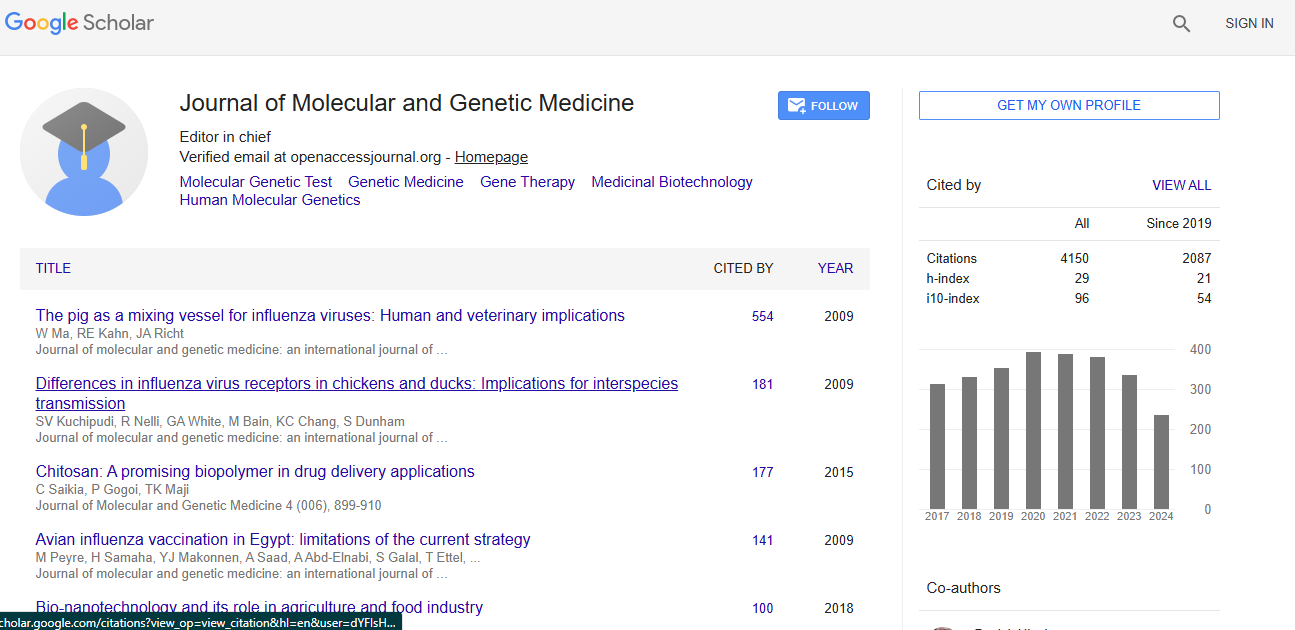
Molecular and Genetic Medicine received 3919 citations as per Google Scholar report