Commentary - (2025) Volume 16, Issue 4
Received: 02-Aug-2025, Manuscript No. jvst-26-188047;
Editor assigned: 04-Aug-2025, Pre QC No. P-188047;
Reviewed: 18-Aug-2025, QC No. Q-188047;
Revised: 25-Aug-2025, Manuscript No. R-188047;
Published:
01-Sep-2025
, DOI: 10.37421/2157-7579.2025.16.314
Citation: Schmidt, Peter. ”Animal Nutrition Deficiencies: Impact
and Solutions.” J Vet Sci Techno 16 (2025):314.
Copyright: © 2025 Schmidt P. This is an open-access article distributed under the terms of the Creative Commons Attribution License, which permits unrestricted use,
distribution and reproduction in any medium, provided the original author and source are credited.
Nutritional deficiencies represent a pervasive challenge in modern animal agriculture, significantly impacting the health, productivity, and overall welfare of livestock. These deficiencies can manifest in various forms, affecting different species and physiological processes. Understanding the specific nutrient requirements and the consequences of their inadequacy is paramount for effective animal husbandry. This review synthesizes current research on common nutritional deficiencies in farm animals, exploring their etiologies, clinical manifestations, and management strategies.
This article delves into the prevalent nutritional deficiencies impacting farm animals, highlighting their significant effects on growth, reproduction, and overall health. It emphasizes the critical role of balanced nutrition in preventing issues like mineral imbalances (e.g., calcium, phosphorus, selenium) and vitamin deficiencies (e.g., vitamin D, E, B vitamins) across various livestock species. Early detection and targeted supplementation strategies are presented as key to mitigating economic losses and improving animal welfare. The research underscores the importance of understanding species-specific dietary requirements and the impact of feed quality on nutrient bioavailability. Focusing on ruminants, this study investigates the implications of trace mineral deficiencies, particularly zinc and copper, on immune function and susceptibility to disease. The paper details how suboptimal levels of these minerals can compromise cellular immunity, leading to increased incidence of mastitis and respiratory infections. It also examines the synergistic effects of different trace minerals and their interaction with dietary components. The findings suggest that precise trace mineral supplementation, tailored to grazing conditions and feed analysis, is crucial for maintaining herd health and productivity. This research explores vitamin E and selenium deficiencies in poultry, a common challenge affecting meat and egg production. The article highlights the antioxidant role of these nutrients and their deficiency-induced impacts on muscle quality, immune response, and susceptibility to stress. It discusses dietary sources, bioavailability, and optimal supplementation levels for different poultry breeds and production stages. The study also examines the relationship between vitamin E status and susceptibility to oxidative stress, emphasizing the need for careful management of dietary fat and antioxidant inclusion. The article investigates calcium and phosphorus imbalances in swine, crucial for skeletal development and metabolic processes. It details how improper ratios can lead to lameness, reduced growth rates, and reproductive inefficiencies. The study assesses the impact of different feed ingredients and anti-nutritional factors on the absorption and utilization of these minerals. Recommendations for optimizing dietary calcium and phosphorus levels based on pig age and physiological status are provided, alongside strategies for preventing rickets and osteomalacia. This paper examines the prevalence and consequences of iodine deficiency in livestock, particularly in regions with iodine-poor soils. It highlights the role of iodine in thyroid hormone synthesis and its impact on metabolism, growth, and reproduction. Clinical signs of iodine deficiency, such as goiter, reduced fertility, and weak offspring, are discussed. The study advocates for routine monitoring of iodine levels and strategic supplementation through feed or water, emphasizing the importance of considering regional variations in soil iodine content. The article focuses on magnesium deficiency in dairy cows, exploring its links to metabolic disorders like grass tetany and milk fever. It details how inadequate magnesium intake, especially during periods of rapid lactation or grazing on lush pastures, can impair neuromuscular function. The study discusses diagnostic methods, dietary management strategies to ensure adequate magnesium supply, and the use of magnesium supplements to prevent hypomagnesemia. The economic impact of reduced milk yield and increased veterinary costs associated with magnesium deficiency is also addressed. This research examines vitamin A deficiency in beef cattle, a critical nutrient for vision, reproduction, and immune function. The paper discusses the signs of deficiency, including night blindness, reduced fertility, and increased susceptibility to infections. It explores factors influencing vitamin A status, such as forage quality, storage, and the conversion of beta-carotene. The study provides recommendations for supplementation strategies to maintain adequate vitamin A levels in beef herds, particularly during dry seasons or when relying on stored feed. This article investigates the impact of copper deficiency on sheep, a condition that can lead to swayback disease, impaired wool growth, and reduced fertility. The study examines the role of copper in enzyme systems and its importance for nervous system development. It discusses factors affecting copper absorption, such as molybdenum and sulfur levels in the diet. Management strategies for preventing and treating copper deficiency in sheep flocks, including soil testing and targeted supplementation, are presented. The paper explores the consequences of phosphorus deficiency in horses, a critical mineral for bone health, energy metabolism, and reproductive function. It details the signs of deficiency, including poor growth, bone abnormalities, and reduced athletic performance. The study assesses the impact of different feed sources and anti-nutritional factors on phosphorus availability. Recommendations for formulating balanced equine diets to prevent phosphorus deficiency and maintain skeletal integrity are provided.The scientific literature extensively documents the detrimental effects of various nutritional deficiencies on the health and productivity of farm animals. These deficiencies, often linked to inadequate feed formulation, poor feed quality, or specific environmental conditions, necessitate careful management and targeted interventions. This section outlines key findings from recent research, highlighting the multifaceted nature of nutritional deficiencies and their implications across different livestock species.
Farm animals are susceptible to a wide array of nutritional deficiencies, which can profoundly affect their physiological functions and economic viability. Deficiencies in essential minerals such as calcium, phosphorus, selenium, zinc, copper, iodine, and magnesium, as well as vitamins like D, E, and A, are commonly observed. These deficiencies can manifest as impaired growth, reduced reproductive success, weakened immune systems, and increased susceptibility to diseases. The economic impact of these issues includes decreased production yields, higher veterinary costs, and potential animal losses. Understanding species-specific nutritional requirements and addressing deficiencies through balanced diets and appropriate supplementation are crucial for maintaining animal health and farm productivity. Early detection and proactive management are essential to mitigate the negative consequences of these nutritional imbalances. In ruminants, trace mineral deficiencies, especially of zinc and copper, have been shown to compromise immune function, making animals more vulnerable to infections like mastitis and respiratory diseases. The interaction between different trace minerals and dietary components further complicates nutrient utilization. Consequently, precise supplementation tailored to specific grazing conditions and feed analyses is vital for sustaining herd health and productivity. The complexity of ruminant digestion and nutrient absorption necessitates a thorough understanding of how feed composition and environmental factors influence trace mineral bioavailability. For poultry, deficiencies in vitamin E and selenium pose significant threats to meat and egg production. These nutrients are potent antioxidants crucial for maintaining cellular integrity and immune responses. Their deficiency can lead to impaired muscle quality, weakened immunity, and increased susceptibility to stress. Careful attention to dietary sources, bioavailability, and optimal supplementation levels for different breeds and production stages is essential. Managing dietary fat content and ensuring adequate antioxidant inclusion are key strategies to prevent these deficiencies. In swine, imbalances in calcium and phosphorus are primary concerns, impacting skeletal development and metabolic processes. Improper ratios can result in lameness, stunted growth, and reproductive problems. The absorption and utilization of these minerals are influenced by various feed ingredients and anti-nutritional factors. Tailoring dietary calcium and phosphorus levels to the age and physiological status of pigs is crucial for preventing conditions like rickets and osteomalacia and ensuring optimal growth and reproductive performance. Iodine deficiency is a persistent challenge in livestock, particularly in regions with iodine-poor soils. Iodine is essential for thyroid hormone synthesis, which regulates metabolism, growth, and reproduction. Clinical signs include goiter, reduced fertility, and the birth of weak offspring. Routine monitoring of iodine levels and strategic supplementation are recommended, considering regional variations in soil iodine content to ensure adequate intake and prevent associated health issues. Magnesium deficiency in dairy cows is closely linked to metabolic disorders such as grass tetany and milk fever. Inadequate magnesium intake, especially during periods of high demand like lactation or grazing on lush pastures, can lead to neuromuscular dysfunction. Diagnostic methods and dietary management strategies are essential for ensuring sufficient magnesium supply and preventing hypomagnesemia. The economic implications of reduced milk yield and increased veterinary costs underscore the importance of addressing this deficiency. Vitamin A deficiency in beef cattle affects vision, reproduction, and immune function, manifesting as night blindness, reduced fertility, and increased susceptibility to infections. Factors such as forage quality, storage, and beta-carotene conversion influence vitamin A status. Implementing appropriate supplementation strategies, particularly during dry seasons or when relying on stored feed, is crucial for maintaining adequate levels and supporting herd health. Copper deficiency in sheep can lead to swayback disease, poor wool growth, and reduced fertility. Copper plays a vital role in enzyme systems and nervous system development. Factors like molybdenum and sulfur in the diet can affect copper absorption. Effective management strategies, including soil testing and targeted supplementation, are necessary to prevent and treat copper deficiency in sheep flocks. Phosphorus deficiency in horses critically impacts bone health, energy metabolism, and reproductive function. Signs include poor growth, bone abnormalities, and decreased athletic performance. The availability of phosphorus from different feed sources and the presence of anti-nutritional factors must be considered. Formulating balanced equine diets is essential to prevent phosphorus deficiency and maintain skeletal integrity, ensuring optimal health and performance.Nutritional deficiencies in farm animals are a significant concern, impacting growth, reproduction, and overall health. These deficiencies can arise from inadequate diets, poor feed quality, or specific environmental factors. Common issues include mineral imbalances (calcium, phosphorus, selenium, zinc, copper, iodine, magnesium) and vitamin deficiencies (D, E, A, biotin). Ruminants are susceptible to trace mineral deficiencies affecting immunity, while poultry suffer from vitamin E and selenium deficiencies impacting production and health. Swine face challenges with calcium and phosphorus imbalances affecting skeletal development. Dairy cows can experience magnesium deficiency leading to metabolic disorders. Beef cattle require adequate vitamin A for reproduction and immunity, and sheep are affected by copper deficiency impacting neurological and reproductive health. Horses require sufficient phosphorus for bone and metabolic functions. Addressing these deficiencies through balanced nutrition, targeted supplementation, and careful feed management is crucial for optimizing animal welfare and agricultural productivity.
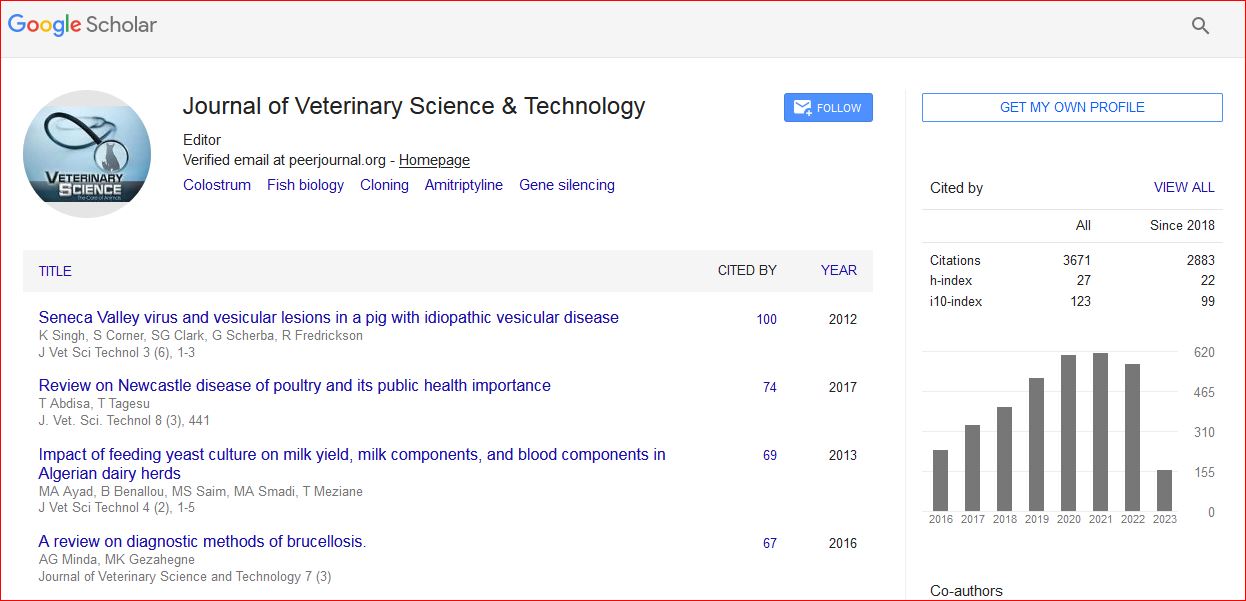
Veterinary Science & Technology received 4472 citations as per Google Scholar report