Perspective - (2025) Volume 9, Issue 2
Received: 01-Apr-2025, Manuscript No. jid-26-186463;
Editor assigned: 03-Apr-2025, Pre QC No. P-186463;
Reviewed: 17-Apr-2025, QC No. Q-186463;
Revised: 22-Apr-2025, Manuscript No. R-186463;
Published:
29-Apr-2025
, DOI: 10.37421/2684-4559.2025.9.321
Citation: Carter, Emily. "Tigecycline For Multidrug-Resistant Acinetobacter Pneumonia."Clin Infect Dis 13 (2025):321.
Copyright: © 2025 Carter E. This is an open-access article distributed under the terms of the Creative Commons Attribution License, which permits unrestricted use, distribution and reproduction in any medium, provided the original author and source are credited.
The emergence of severe multidrug-resistant (MDR) Acinetobacter baumannii pneumonia presents a formidable challenge in clinical practice, necessitating a thorough understanding of effective therapeutic strategies. Tigecycline, a glycylcycline antibiotic, has garnered significant attention for its broad spectrum of activity, including against many Gram-negative pathogens that have developed resistance to conventional treatments. This review aims to synthesize the current clinical evidence surrounding the use of tigecycline in managing this severe infection. Early investigations have focused on defining the clinical outcomes and patient characteristics associated with tigecycline therapy in severe MDR Acinetobacter baumannii pneumonia, providing crucial insights for clinicians facing this difficult-to-treat scenario [1].
These studies highlight the practical application of tigecycline in a challenging context, exploring treatment responses and factors influencing mortality. The landscape of antibiotic therapy for A. baumannii pneumonia is continually evolving, prompting comprehensive evaluations of available agents. Systematic reviews and meta-analyses have been conducted to systematically evaluate the efficacy of tigecycline when compared to other antibiotics for A. baumannii pneumonia, aiming to synthesize existing evidence and provide a broader perspective on its role [2].
This research considers various clinical endpoints and compares tigecycline's performance against alternative treatment regimens in critical care settings. The real-world application of antibiotics in complex patient populations is vital for guiding clinical decision-making. Prospective cohort studies have examined the real-world effectiveness of tigecycline in patients with ventilator-associated pneumonia (VAP) caused by carbapenem-resistant A. baumannii, exploring specific outcomes such as clinical cure rates, microbiological eradication, and survival [3].
These studies offer practical data on tigecycline use in common intensive care unit (ICU) complications. Identifying factors that contribute to unfavorable outcomes is essential for optimizing treatment strategies. Research has focused on risk factors associated with treatment failure and mortality in patients with MDR A. baumannii pneumonia receiving tigecycline, delving into patient-specific factors, pathogen characteristics, and therapeutic strategies that predict these outcomes [4].
This information is critical for better risk stratification and management plans. In an era of escalating antibiotic resistance, the utility of existing antibiotics in treating infections caused by highly resistant organisms is of paramount importance. Retrospective analyses have assessed the outcomes of tigecycline therapy for pneumonia caused by extensively drug-resistant (XDR) A. baumannii, comparing it with other available agents and exploring its role as a last-resort option [5].
These studies provide essential data on tigecycline's efficacy and safety profile in patients with very limited treatment choices. Understanding the pharmacological properties of antibiotics is crucial for optimizing their therapeutic use. Pharmacokinetic and pharmacodynamic (PK/PD) studies have examined tigecycline exposure and its correlation with clinical outcomes in patients with severe pneumonia, aiming to understand how drug concentrations relate to treatment success [6].
This research offers insights for dose optimization and improving therapeutic efficacy. Optimizing the initial administration of an antibiotic can significantly impact its effectiveness. Studies have investigated the impact of tigecycline loading doses on achieving therapeutic concentrations and improving clinical outcomes in patients with severe A. baumannii pneumonia, seeking to determine if a higher initial dose leads to better patient responses [7].
Such investigations provide evidence-based recommendations for optimizing tigecycline administration. Addressing antibiotic resistance often requires exploring novel therapeutic approaches, including combination therapies. Research has explored the synergistic activity of tigecycline in combination with other antibiotics against MDR A. baumannii, aiming to identify effective combination therapies that can overcome resistance mechanisms [8].
This offers a potential strategy to enhance tigecycline's utility. Clinical guidelines and reviews play a crucial role in consolidating evidence and providing practical recommendations for healthcare professionals. Articles have reviewed current guidelines and clinical evidence supporting the use of tigecycline in the management of severe Gram-negative bacterial pneumonia, with an emphasis on A. baumannii [9].
These reviews offer an overview of recommended dosing, adverse effects, and areas for further research. Finally, detailed case presentations offer invaluable real-world insights into the application of specific treatments. Case series have presented detailed clinical information on patients with severe MDR A. baumannii pneumonia treated with tigecycline, offering illustrative examples of its use in clinical practice and capturing nuances of real-world treatment experiences [10].
The clinical effectiveness of tigecycline in treating severe multidrug-resistant (MDR) Acinetobacter baumannii pneumonia is a subject of considerable clinical interest. Initial studies have meticulously investigated the clinical outcomes and patient characteristics associated with tigecycline therapy in this challenging context, aiming to provide clinicians with crucial insights for managing this difficult-to-treat infection [1].
These investigations delve into patient demographics, treatment responses, and key factors that influence mortality, underscoring the practical application of tigecycline in severe cases. The broad spectrum of activity offered by tigecycline necessitates comparative analyses with other established antibiotics. Therefore, systematic reviews and meta-analyses have been undertaken to rigorously evaluate the efficacy of tigecycline in comparison to other antimicrobial agents for A. baumannii pneumonia, seeking to synthesize the existing body of evidence and offer a broader perspective on its therapeutic role [2].
This comprehensive approach considers various clinical endpoints and critically compares tigecycline's performance against alternative treatment regimens within critical care settings. Understanding how an antibiotic performs in real-world clinical scenarios is fundamental for evidence-based practice. Prospective cohort studies have thus been employed to examine the real-world effectiveness of tigecycline in patients afflicted with ventilator-associated pneumonia (VAP) specifically caused by carbapenem-resistant A. baumannii, meticulously exploring specific outcomes such as clinical cure rates, microbiological eradication, and 30-day survival [3].
These studies provide invaluable practical data regarding tigecycline use in a frequent ICU complication, also analyzing patient demographics and comorbidities. Identifying the specific factors that predispose patients to treatment failure and adverse outcomes is a critical step in refining therapeutic strategies. Consequently, research has been dedicated to identifying risk factors associated with treatment failure and mortality in patients with MDR A. baumannii pneumonia who are being treated with tigecycline, examining patient-specific factors, pathogen characteristics, and the influence of various therapeutic strategies on patient prognosis [4].
This detailed analysis aids in better risk stratification and the optimization of patient management plans. In the face of escalating antibiotic resistance, understanding the role of existing drugs in treating infections caused by highly resistant pathogens is paramount. Retrospective analyses have specifically assessed the outcomes of tigecycline therapy for pneumonia attributed to extensively drug-resistant (XDR) A. baumannii, drawing comparisons with other available agents and evaluating its utility as a last-resort therapeutic option [5].
These studies furnish essential data concerning the efficacy and safety profile of tigecycline in patients with severely limited treatment alternatives. The pharmacokinetic and pharmacodynamic (PK/PD) profiles of antibiotics are integral to understanding and optimizing their therapeutic use. Accordingly, pharmacokinetic and pharmacodynamic studies have investigated tigecycline exposure and its direct correlation with clinical outcomes in patients suffering from severe pneumonia, with the objective of elucidating how drug concentrations relate to treatment success [6].
This line of research offers significant insights for dose optimization strategies aimed at enhancing therapeutic efficacy against challenging pathogens. The initial administration of an antibiotic can profoundly influence its subsequent effectiveness. Therefore, research has explored the impact of employing tigecycline loading doses on achieving therapeutic concentrations and subsequently improving clinical outcomes in patients diagnosed with severe A. baumannii pneumonia, seeking to ascertain whether a higher initial dose translates to superior patient responses and a reduction in treatment failures [7].
Such investigations are vital for formulating evidence-based recommendations for optimizing tigecycline administration in critically ill patients. The persistent challenge of antibiotic resistance often necessitates the exploration of novel therapeutic approaches, including the strategic use of combination therapies. Consequently, studies have investigated the synergistic activity of tigecycline when administered in combination with other antibiotics against MDR A. baumannii, with the ultimate goal of identifying effective combination therapies capable of overcoming existing resistance mechanisms [8].
This research holds promise as a strategy to enhance the therapeutic utility of tigecycline and combat the growing threat of antimicrobial resistance. The dissemination of clinical guidelines and comprehensive reviews is instrumental in consolidating the available evidence and providing practical, actionable recommendations for healthcare professionals. Consequently, articles have been published that review the current guidelines and clinical evidence supporting the judicious use of tigecycline in the management of severe Gram-negative bacterial pneumonia, with a particular focus on A. baumannii [9].
These reviews offer a valuable overview of recommended dosing regimens, potential adverse effects, and identify critical areas requiring further research to optimize its clinical application. Finally, the presentation of detailed case studies provides invaluable real-world insights into the practical application of specific therapeutic interventions. Case series have meticulously documented and presented detailed clinical information pertaining to patients with severe MDR A. baumannii pneumonia who were treated with tigecycline, thereby offering illustrative examples of its clinical utility and capturing the intricacies of real-world treatment experiences [10].
This collection of studies comprehensively examines the use of tigecycline in treating severe multidrug-resistant Acinetobacter baumannii pneumonia. Research encompasses clinical outcomes, patient characteristics, and factors influencing mortality in real-world settings. Comparative analyses, including systematic reviews and meta-analyses, evaluate tigecycline's efficacy against other antibiotics. Investigations into ventilator-associated pneumonia and extensively drug-resistant strains highlight tigecycline's role as a last-resort option. Pharmacokinetic and pharmacodynamic studies explore dose optimization, including the impact of loading doses, to improve therapeutic effectiveness. Furthermore, research into synergistic combination therapies and reviews of clinical guidelines provide a broader understanding of tigecycline's application. Case series offer illustrative examples of its use in complex clinical scenarios.
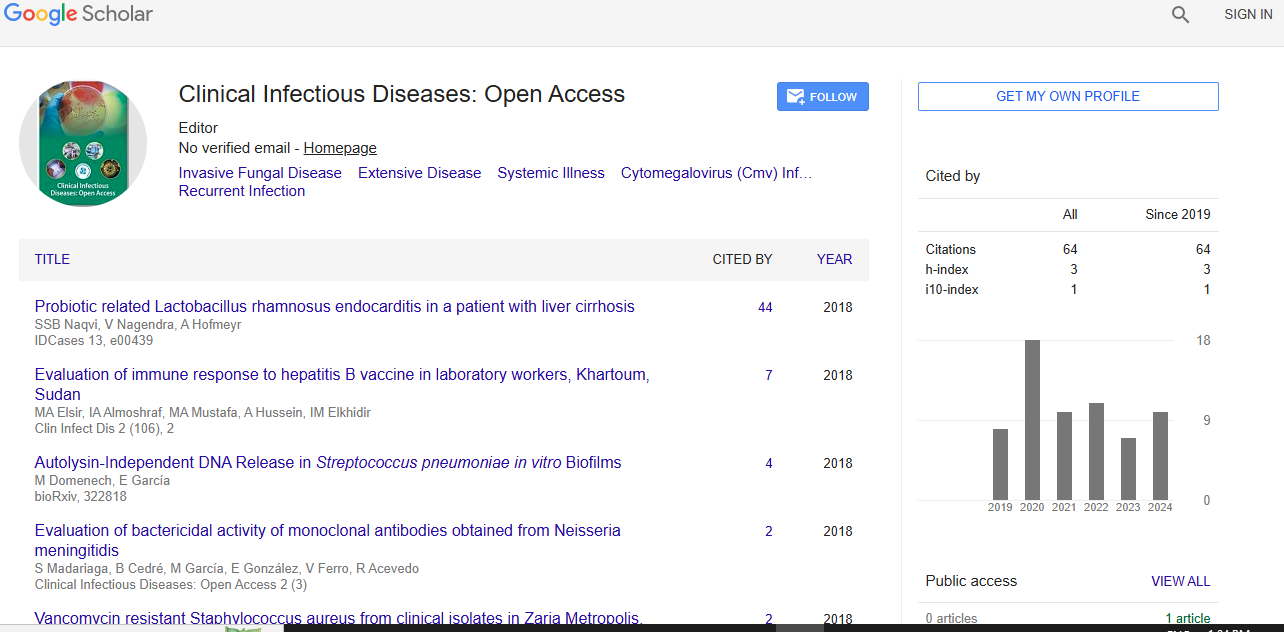
Clinical Infectious Diseases: Open Access received 1149 citations as per Google Scholar report