Perspective - (2025) Volume 9, Issue 2
Received: 01-Apr-2025, Manuscript No. jcre-26-187145;
Editor assigned: 03-Apr-2025, Pre QC No. P-187145;
Reviewed: 17-Apr-2025, QC No. Q-187145;
Revised: 22-Apr-2025, Manuscript No. R-187145;
Published:
29-Apr-2025
, DOI: 10.37421/2795-6172.2025.9.26
Citation: Morales, Jorge. ”Soluble Fiber: Lowering Cholesterol, Improving Heart Health.” J Clin Res 09 (2025):26.
Copyright: © 2025 Morales J. This is an open-access article distributed under the terms of the Creative Commons Attribution License, which permits unrestricted use, distribution and reproduction in any medium, provided the original author and source are credited.
Dietary fiber intake has emerged as a critical factor influencing lipid profiles, particularly in individuals diagnosed with hyperlipidemia. Soluble fiber, a specific type of dietary fiber, has demonstrated significant efficacy in the reduction of LDL cholesterol levels. Its mechanism of action involves binding to bile acids within the gastrointestinal tract, thereby promoting their excretion from the body. This process necessitates the liver to increase its utilization of cholesterol for the synthesis of new bile acids, ultimately leading to a decrease in circulating LDL cholesterol [1].
A comprehensive systematic review and meta-analysis have corroborated the association between increased dietary fiber intake, with a notable emphasis on soluble fiber, and significant reductions in both total cholesterol and LDL cholesterol among hyperlipidemic populations. This effect appears to be dose-dependent, suggesting that higher consumption of fiber yields greater lipid-lowering benefits. The review specifically highlights psyllium and beta-glucans as particularly effective fiber sources for the management of dyslipidemia [2].
The underlying mechanisms by which soluble fibers exert their beneficial effects are multifaceted. Upon ingestion, soluble fibers form a viscous gel within the gastrointestinal tract. This gelation process delays gastric emptying, which in turn reduces the rate at which cholesterol and bile acids are absorbed. Beyond its impact on LDL cholesterol, this physiological effect has also been observed to favorably influence postprandial glucose levels, providing a broader metabolic benefit. The study offers detailed insights into the differential effects of various fiber types on different lipid fractions [3].
A randomized controlled trial specifically investigated the effects of psyllium supplementation on the lipid profiles of patients diagnosed with hypercholesterolemia. The findings from this trial revealed a statistically significant reduction in LDL cholesterol levels, coupled with a notable increase in HDL cholesterol levels, within the group receiving psyllium supplementation when compared to the placebo group. This underscores the therapeutic potential of specific soluble fibers in the clinical management of lipid disorders [4].
Beyond its well-established effects on LDL cholesterol, dietary fiber intake also exerts an influence on triglyceride levels. While the impact on triglycerides may be less pronounced compared to LDL cholesterol, certain studies suggest that an increased consumption of dietary fiber, particularly from sources such as whole grains, can contribute to modest reductions in triglyceride levels in individuals with hyperlipidemia [5].
The intricate interplay between the gut microbiome and dietary fiber is fundamental to understanding fiber's health effects. The fermentation of dietary fiber by the diverse bacterial populations residing in the colon leads to the production of short-chain fatty acids (SCFAs), including acetate, propionate, and butyrate. These SCFAs are bioactive molecules that can modulate lipid metabolism through various intricate pathways, such as suppressing hepatic lipogenesis and enhancing insulin sensitivity, thereby indirectly contributing to improved cholesterol profiles [6].
A study examining the impact of a high-fiber diet intervention on cardiovascular risk markers in hyperlipidemic patients yielded significant findings. The results indicated a notable improvement in overall lipid profiles, characterized by reductions in LDL cholesterol and increases in HDL cholesterol. Furthermore, the intervention was associated with beneficial changes in inflammatory markers, suggesting that the effects of dietary fiber extend beyond simple lipid management, demonstrating pleiotropic benefits [7].
Resistance starches, which represent a specific category of dietary fiber that undergoes fermentation in the colon, have also garnered attention for their potential to enhance metabolic health. While they may not directly bind to cholesterol, the SCFAs produced through their fermentation can influence hepatic lipid metabolism. This influence contributes to improved cholesterol profiles and a reduction in overall cardiovascular risk among hyperlipidemic individuals [8].
Highlighting the broader perspective, research emphasizes the paramount importance of dietary patterns over isolated nutrients for the promotion of cardiovascular health. Diets characterized by a high intake of fruits, vegetables, whole grains, and legumesâ??all of which are inherently rich in dietary fiberâ??are consistently associated with lower cholesterol levels and a diminished risk of cardiovascular disease in hyperlipidemic patients [9].
This clinical trial further solidifies the effectiveness of dietary fiber in managing hyperlipidemia. The study demonstrated that the incorporation of fiber-rich foods into the regular diet led to substantial improvements in LDL cholesterol levels. Significantly, these positive outcomes were achieved even in the absence of substantial concurrent lifestyle changes, underscoring the power of a focused increase in dietary fiber as a potent tool for lipid management [10].
The impact of dietary fiber on cholesterol levels, particularly LDL cholesterol, is a well-documented phenomenon, especially in individuals with hyperlipidemia. Soluble fiber, in particular, has been identified as a key player in this process. Its ability to bind with bile acids in the gut and promote their excretion is a primary mechanism through which it lowers LDL. This binding action prompts the liver to draw more cholesterol from the bloodstream to synthesize new bile acids, thereby reducing overall circulating LDL [1].
Supporting this, a systematic review and meta-analysis have provided robust evidence that an increased intake of dietary fiber, especially soluble fiber, is significantly associated with reductions in both total and LDL cholesterol in populations experiencing hyperlipidemia. The study also points to a dose-response relationship, where greater fiber consumption leads to more pronounced lipid-lowering effects. Psyllium and beta-glucans are noted as particularly effective sources of fiber for managing dyslipidemia [2].
Delving into the mechanistic aspects, soluble fibers create a viscous gel in the digestive tract. This gel slows down the emptying of the stomach and impedes the absorption of cholesterol and bile acids. This dual action not only contributes to lower LDL cholesterol but may also yield positive effects on blood glucose levels after meals. The research provides detailed information on how different types of fibers affect various lipid fractions [3].
A randomized controlled trial focused on psyllium supplementation in hypercholesterolemic patients. The results were compelling, showing significant decreases in LDL cholesterol and increases in HDL cholesterol in the group that received psyllium compared to the control group. This study reinforces the value of specific soluble fibers in therapeutic strategies for lipid disorders [4].
While the effects on LDL cholesterol are often highlighted, dietary fiber also plays a role in modulating triglyceride levels. Although the impact on triglycerides might be less pronounced than on LDL, some research suggests that higher fiber intake, especially from whole grains, can lead to modest reductions in triglycerides in individuals with hyperlipidemia [5].
The gut microbiome is a crucial intermediary in how dietary fiber influences health. The fermentation of fiber by gut bacteria produces short-chain fatty acids (SCFAs) like acetate, propionate, and butyrate. These SCFAs can impact lipid metabolism through various routes, including suppressing fat production in the liver and improving insulin sensitivity, thus indirectly affecting cholesterol levels [6].
A clinical intervention involving a high-fiber diet in hyperlipidemic patients demonstrated significant improvements in cardiovascular risk markers. Key findings included reductions in LDL cholesterol and increases in HDL cholesterol, alongside favorable changes in inflammatory markers. This suggests that fiber offers broader benefits beyond just lipid management [7].
Resistance starches, a type of fermentable fiber found in the colon, have also shown potential in enhancing metabolic health. Their fermentation products, SCFAs, can influence liver lipid metabolism, contributing to better cholesterol profiles and reduced cardiovascular risk in hyperlipidemic individuals, even if they don't directly bind cholesterol [8].
Emphasizing a holistic approach, a systematic review and meta-analysis highlight that dietary patterns rich in fiber, such as those abundant in fruits, vegetables, whole grains, and legumes, are consistently linked to lower cholesterol levels and a decreased risk of cardiovascular disease in hyperlipidemic patients. This suggests that the synergy of fiber-rich foods is crucial [9].
This randomized controlled trial further validated the positive impact of dietary fiber on hypercholesterolemia. The study confirmed that incorporating fiber-rich foods into the diet significantly improved LDL cholesterol levels. Importantly, these improvements were observed even without major changes in other lifestyle factors, confirming dietary fiber as a powerful standalone tool for lipid management [10].
Dietary fiber, particularly soluble fiber, plays a significant role in managing hyperlipidemia by lowering LDL cholesterol levels through mechanisms like bile acid binding. Studies indicate that psyllium and beta-glucans are effective fiber sources. Soluble fiber forms a viscous gel, slowing nutrient absorption and potentially improving glucose control. Research shows consistent benefits in reducing LDL cholesterol and improving overall lipid profiles, with some evidence of triglyceride reduction and broader cardiovascular benefits including reduced inflammation. The gut microbiome's fermentation of fiber into short-chain fatty acids also contributes to these metabolic improvements. Dietary patterns rich in fiber are linked to better cardiovascular health and lower cholesterol.
None
None
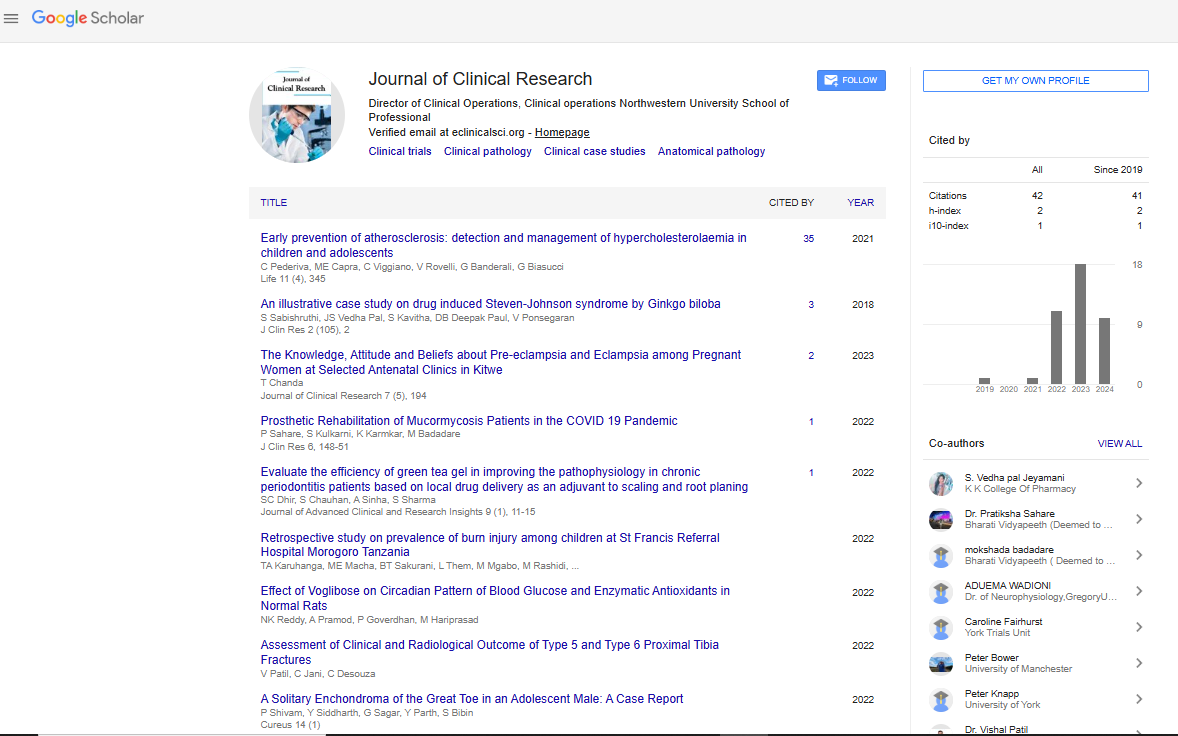
Journal of Clinical Research received 11 citations as per Google Scholar report