Commentary - (2025) Volume 14, Issue 5
Received: 01-Sep-2025, Manuscript No. VTE-26-180114;
Editor assigned: 03-Sep-2025, Pre QC No. P-180114;
Reviewed: 17-Sep-2025, QC No. Q-180114;
Revised: 22-Sep-2025, Manuscript No. R-180114;
Published:
29-Sep-2025
, DOI: 10.37421/2376-1318.2025.14.392
Citation: Tanaka, Yuki. ”Personalized Nutrition: Gene-Diet Precision for Health.” Vitam Miner 14 (2025):392.
Copyright: © 2025 Tanaka Y. This is an open-access article distributed under the terms of the Creative Commons Attribution License, which permits unrestricted use, distribution and reproduction in any medium, provided the original author and source are credited.
The landscape of nutritional science is undergoing a profound transformation, moving beyond generalized dietary guidelines to embrace highly individualized approaches. This paradigm shift is driven by a deeper understanding of how unique biological and environmental factors influence nutrient requirements and metabolism. Personalized nutrition aims to optimize health outcomes by tailoring recommendations to the specific needs of each individual, recognizing that a one-size-fits-all model is often inadequate in addressing the complexities of human health and disease prevention. This approach leverages a wealth of scientific advancements to provide precise dietary guidance. One of the foundational pillars of personalized nutrition lies in understanding how an individual's genetic makeup dictates their response to various nutrients. Nutrigenomics explores these gene-nutrient interactions, revealing how genetic variations can affect nutrient absorption, metabolism, and utilization. By analyzing an individual's genetic profile, it becomes possible to identify predispositions to certain deficiencies or excesses, allowing for targeted dietary interventions that can mitigate these risks and promote optimal health. This genetic insight is a powerful tool in crafting personalized strategies. [1] The influence of the gut microbiome on nutrient status is another critical area of focus. The trillions of microorganisms residing in the gut play a significant role in breaking down food, synthesizing vitamins, and influencing the absorption of essential minerals. Disruptions to this delicate ecosystem, known as dysbiosis, can have far-reaching consequences for micronutrient status and overall health. Personalized interventions targeting the gut microbiome, such as the use of probiotics and prebiotics, offer promising avenues for improving nutrient bioavailability and bolstering health. [2] Epigenetics, the study of heritable changes in gene expression that do not involve alterations to the underlying DNA sequence, also plays a crucial role in personalized nutrition. Epigenetic modifications can be influenced by diet, lifestyle, and environmental factors, leading to dynamic changes in nutrient requirements. By considering an individual's epigenetic profile, alongside their genetic makeup, more precise dietary recommendations can be developed to optimize nutrient metabolism and prevent deficiencies. This adds another layer of sophistication to tailored nutritional guidance. [3] The advent of wearable technology and biosensors has revolutionized the ability to monitor nutrient status in real-time. These devices can track a range of physiological parameters, including nutrient levels, alongside lifestyle factors such as activity and sleep. This continuous stream of data allows for dynamic adjustments to personalized nutrition plans, ensuring that dietary recommendations remain responsive to an individual's changing needs and lifestyle. Such dynamic monitoring enhances the effectiveness of nutritional interventions. [4] Despite the immense potential of personalized nutrition, its implementation in clinical practice presents unique challenges. Ensuring that these strategies are evidence-based, standardized, and effectively communicated to both healthcare professionals and patients is paramount for successful adoption. Overcoming these hurdles requires a collaborative effort to integrate new methodologies and foster a shared understanding of the benefits and practical applications of tailored nutritional plans. The journey towards widespread clinical integration is ongoing. [5] The process of aging brings about significant physiological changes that impact micronutrient needs and absorption. As individuals age, their bodies may become less efficient at absorbing certain vitamins and minerals, increasing the risk of deficiencies. Personalized nutritional approaches are essential for older adults to address these age-related alterations and ensure adequate intake of vital nutrients, thereby maintaining health and preventing the onset of deficiency-related diseases. This focus on specific age groups is critical. [6] Digital platforms have emerged as powerful tools for delivering personalized nutrition advice and support. These platforms can integrate user data, provide tailored recommendations for vitamin and mineral supplementation, and track adherence to dietary plans. By leveraging technology, individuals can receive accessible and customized guidance, leading to improved engagement and better health outcomes. The digital realm offers unprecedented reach. [7] Specific micronutrients, such as vitamin D and calcium, are critical for maintaining bone health. Personalized nutrition strategies for these nutrients consider individual factors that influence their levels, including genetics, lifestyle, and environmental exposures. Tailored approaches to dietary intake and supplementation can effectively optimize vitamin D and calcium levels, thereby supporting skeletal integrity and preventing bone-related disorders throughout life. The focus on bone health is a key area. [8] Furthermore, the interplay between exercise physiology and micronutrient requirements is increasingly recognized. Different types and intensities of physical activity can significantly alter the body's demand for certain vitamins and minerals. Personalized nutritional strategies that account for an individual's exercise regimen are vital for supporting athletic performance, facilitating recovery, and maintaining overall health in active populations. Understanding this relationship is key for athletes. [9] Finally, personalized nutrition offers a powerful framework for managing specific micronutrient deficiencies, such as iron deficiency anemia and vitamin B12 deficiency. By considering individual factors like genetic predispositions and absorption rates, tailored dietary and supplementation plans can be developed for effective treatment. This individualized approach ensures that interventions are optimized for each person's unique physiological profile, leading to more successful outcomes in addressing these common deficiencies. This addresses critical health issues. [10]
The field of personalized nutrition is revolutionizing how we approach dietary recommendations by moving away from generalized advice towards strategies tailored to individual biological, genetic, and lifestyle factors. This personalized approach aims to optimize the intake of essential vitamins and minerals, thereby enhancing health outcomes and improving the prevention and management of chronic diseases. The emphasis is on creating bespoke dietary plans that address unique nutrient needs, offering a more effective and proactive pathway to well-being. This shift signifies a move towards precision health. [1] Central to personalized nutrition is the understanding of how an individual's genetic makeup influences their response to nutrients. Nutrigenomics, the study of how genes interact with diet, allows for the identification of specific nutrient requirements based on genetic variations that affect metabolism and absorption. This genetic insight enables the formulation of dietary plans that are precisely calibrated to an individual's genetic predispositions, ensuring optimal nutrient utilization and mitigating potential health risks associated with genetic variations. This genetic insight is a cornerstone of tailored advice. [2] The gut microbiome, a complex ecosystem of microorganisms in the digestive tract, plays a pivotal role in nutrient absorption and metabolism. This symbiotic relationship means that disruptions in the gut microbiome, known as dysbiosis, can significantly impact an individual's vitamin and mineral status. Personalized interventions that target the microbiome, such as the use of probiotics and prebiotics, are being explored as novel strategies to enhance nutrient bioavailability and support overall health by restoring microbial balance. [3] Nutri-epigenomics extends the concept of personalized nutrition by considering the influence of epigenetic modifications on nutrient requirements. Epigenetic changes, which affect gene expression without altering the DNA sequence, can be influenced by diet and lifestyle. By integrating epigenetic data with genetic information, it is possible to develop highly precise dietary guidance that accounts for an individual's unique metabolic responses, thereby optimizing health and preventing nutrient deficiencies. This integration deepens the personalization aspect. [4] The integration of wearable technology and biosensors is transforming the practice of personalized nutrition by enabling real-time monitoring of nutrient status. These devices, coupled with lifestyle tracking capabilities, provide continuous data streams that inform dynamic adjustments to personalized nutrition plans. This responsive approach ensures that dietary recommendations for vitamins and minerals are continuously optimized, leading to more effective health management and improved outcomes. The continuous data loop is a significant advancement. [5] Implementing personalized nutrition strategies in clinical settings requires addressing several challenges and capitalizing on emerging opportunities. The successful adoption of tailored dietary plans for vitamin and mineral intake hinges on the development of evidence-based methodologies, standardization of practices, and effective communication channels between healthcare providers and patients. Overcoming these implementation barriers is crucial for realizing the full potential of personalized nutrition in healthcare. [6] As individuals age, their micronutrient needs and the efficiency of nutrient absorption can change significantly. This underscores the importance of personalized nutritional approaches for older adults, who may require adjusted vitamin and mineral intake to maintain optimal health and prevent deficiencies. Understanding and addressing these age-related physiological changes through tailored diets is essential for promoting healthy aging and mitigating the risk of deficiency-related diseases. The aging population presents unique nutritional challenges. [7] Digital platforms offer a scalable and accessible means of delivering personalized nutrition advice and supporting individuals in managing their vitamin and mineral supplementation. These platforms can integrate various data sources, employ algorithmic recommendations, and foster user engagement, all contributing to improved adherence to personalized plans and ultimately, better health outcomes. The digital delivery model is expanding access to tailored advice. [8] Personalized nutrition is particularly valuable for optimizing intake of specific micronutrients like vitamin D and calcium, which are critical for bone health. By considering individual factors such as genetics, lifestyle, and geographical location, tailored strategies for dietary intake and supplementation can be developed. These personalized approaches ensure that individuals achieve and maintain optimal levels of vitamin D and calcium, crucial for maintaining skeletal integrity throughout life. This specific focus on bone health highlights a key application. [9] Finally, personalized nutrition plays a vital role in effectively managing specific micronutrient deficiencies, such as iron deficiency anemia and vitamin B12 deficiency. By accounting for individual genetic predispositions and variations in nutrient absorption rates, tailored dietary and supplementation plans can be formulated. This individualized approach ensures that treatment strategies are precisely adapted to each person's unique physiological profile, leading to more successful and efficient management of these common deficiencies. Addressing specific deficiencies is a crucial aspect of personalized care. [10]
Personalized nutrition is revolutionizing health by tailoring vitamin and mineral intake based on an individual's genetic makeup, epigenetics, and lifestyle factors. This approach moves beyond generic recommendations to address unique nutrient needs, optimizing health and preventing disease. Key elements include understanding gene-nutrient interactions, the role of the gut microbiome in nutrient absorption, and the influence of epigenetics on metabolism. Wearable technology and digital platforms are facilitating real-time monitoring and delivery of personalized advice. While challenges exist in clinical implementation, personalized strategies are proving effective for specific needs like bone health and managing micronutrient deficiencies, especially in aging populations and athletes. The focus is on precise, evidence-based interventions for improved health outcomes.
None
None
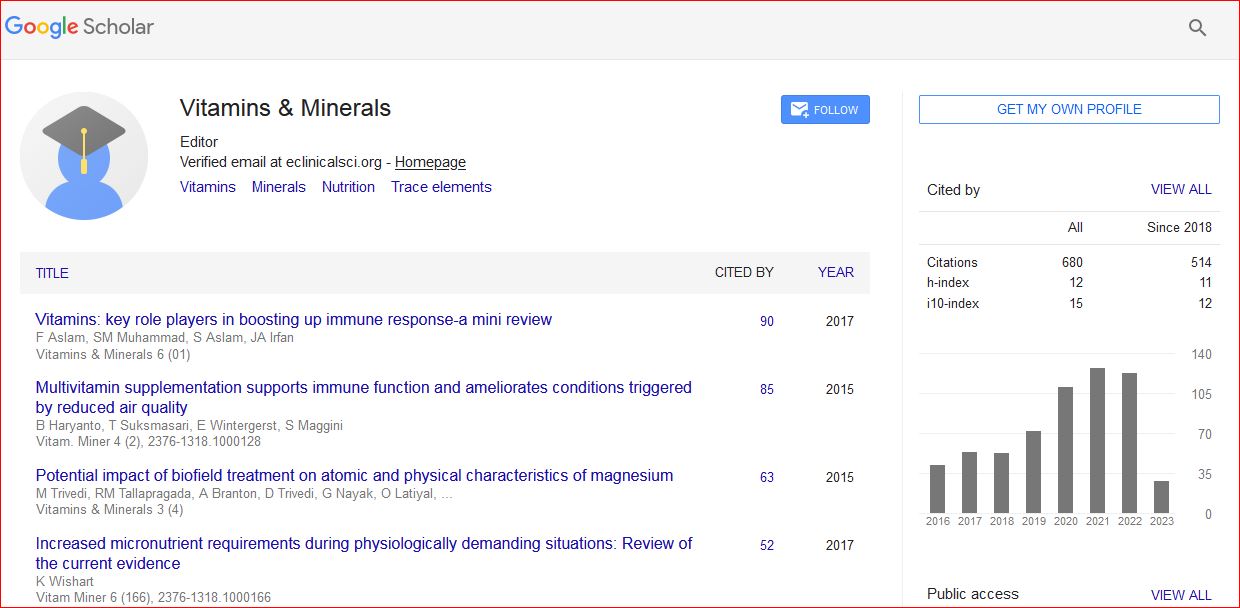
Vitamins & Minerals received 790 citations as per Google Scholar report