Brief Report - (2025) Volume 14, Issue 3
Received: 02-Jun-2025, Manuscript No. jnc-25-171657;
Editor assigned: 04-Jun-2025, Pre QC No. P-171657;
Reviewed: 16-Jun-2025, QC No. Q-171657;
Revised: 23-Jun-2024, Manuscript No. R-171657;
Published:
30-Jun-2025
, DOI: 10.37421/2167-1168.2025.14.707
Citation: Absenger, Lisa. “Nutritional Support in Geriatric Care: Strategies for Healthy Aging.” *J Nurs Care* 14 (2025): 707.
Copyright: © 2025 Absenger L. This is an open-access article distributed under the terms of the Creative Commons Attribution License, which permits unrestricted use, distribution and reproduction in any medium, provided the original author and source are credited.
Older adults face unique nutritional challenges due to physiological changes such as reduced appetite, decreased taste and smell, slower metabolism and impaired absorption of nutrients. Chronic illnesses, medication interactions, dental issues and cognitive decline can further compromise dietary intake. These factors can lead to protein-energy malnutrition, vitamin deficiencies and unintended weight loss, increasing the risk of frailty, falls, infections and delayed recovery from illness. Early identification of nutritional risk is essential. Nurses use tools like the Mini Nutritional Assessment (MNA) to evaluate dietary habits, weight trends, mobility, psychological stress and anthropometric measurements. Regular monitoring enables timely interventions that can prevent complications and promote better health outcomes. Comprehensive assessments should also consider cultural preferences, food availability and psychosocial factors that influence eating behavior. Nurses play a central role in implementing individualized nutrition care plans. Key strategies include; Promoting nutrient-dense foods; Emphasizing protein-rich meals, healthy fats, fiber and hydration can address both macro- and micronutrient needs, Meal modifications: Offering smaller, more frequent meals and enhancing food flavor or texture improves intake, especially in those with diminished appetite or swallowing difficulties. Identifying and managing issues like dental problems, depression and loneliness can improve nutritional status. Encouraging social mealtimes, whether in community centers or nursing homes, can reduce isolation-related undernutrition [2-3].
Nurses educate older adults and caregivers about the importance of a balanced diet, label reading and dietary supplements when necessary. Simple visual aids, meal planning guides and culturally appropriate education materials can enhance understanding and adherence. Empowering older adults to participate in their dietary decisions promotes autonomy and dignity. Nutritional care requires collaboration with dietitians, physicians, speech therapists and social workers. Nurses coordinate care by ensuring dietary recommendations are followed, monitoring tolerance and communicating changes in status. In long-term care facilities, nurses often lead nutrition-focused quality improvement initiatives. Malnutrition in nursing homes and hospitals remains a serious concern. Nurses must advocate for routine nutrition screening policies, adequate staffing during mealtimes and the inclusion of nutrition in care planning. Food fortification, oral nutrition supplements and feeding assistance are essential tools in preventing undernutrition in high-risk geriatric patients. Cognitive impairment poses additional challenges. Nurses must provide cueing, simplified table settings and finger foods to support independence. Maintaining routine and creating a calm, familiar dining environment helps reduce mealtime anxiety. Nutritional care in dementia must also address safety risks like choking and wandering during meals [4].
Nutritional support plays a pivotal role in promoting health, vitality and independence among the elderly population. As individuals age, physiological changes such as reduced metabolism, altered taste perception and diminished nutrient absorption often contribute to malnutrition and related health complications. A well-balanced diet rich in essential nutrients like protein, calcium, vitamin D, B vitamins and antioxidants is crucial to maintaining muscle mass, bone density, cognitive function and immune health. Ensuring adequate hydration and fiber intake also supports digestive efficiency and prevents common geriatric issues like constipation and dehydration. Personalized dietary plans tailored to individual health conditions such as diabetes, cardiovascular disease, or renal impairment can help optimize nutrient intake while managing chronic illnesses. Effective nutritional strategies in geriatric care should combine dietary modifications with regular monitoring and patient education. Incorporating fortified foods, nutritional supplements and culturally appropriate meal options can bridge nutritional gaps in older adults with limited appetite or dietary restrictions. Collaboration among dietitians, caregivers and healthcare professionals is essential for assessing nutritional status and providing timely interventions. Beyond the physiological benefits, maintaining proper nutrition also enhances quality of life by fostering energy, social engagement and emotional well-being. Thus, comprehensive nutritional support forms a cornerstone of healthy aging, enabling older adults to live longer, healthier and more fulfilling lives [5].
Google Scholar Cross Ref Indexed at
Google Scholar Cross Ref Indexed at
Google Scholar Cross Ref Indexed at
Google Scholar Cross Ref Indexed at
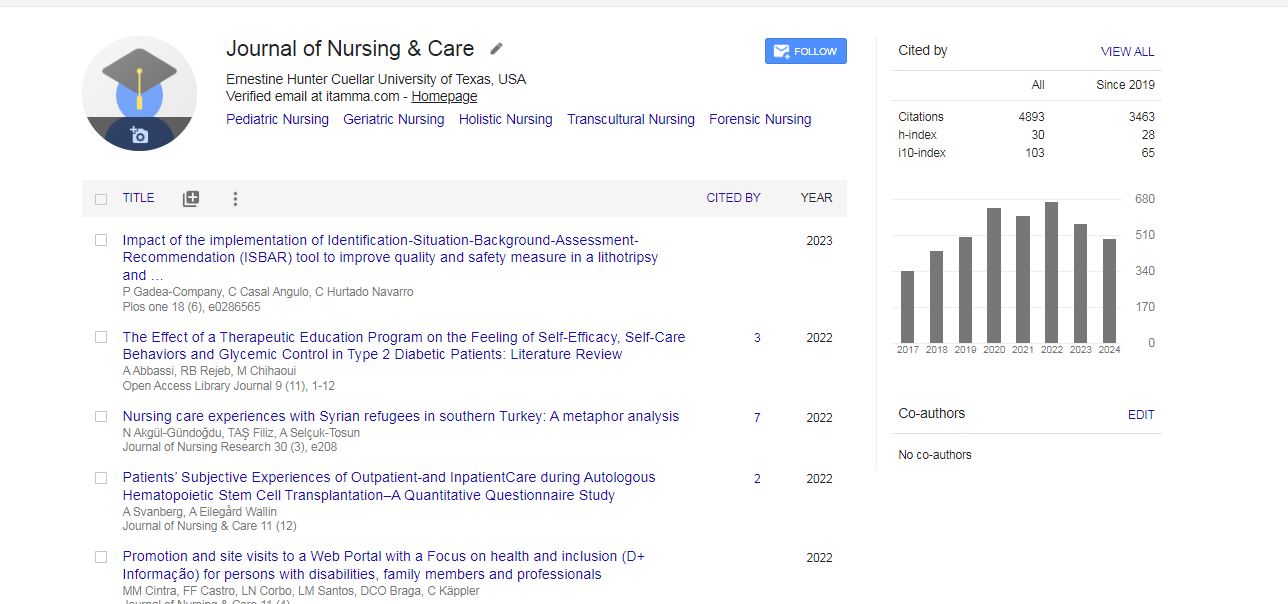
Journal of Nursing & Care received 4230 citations as per Google Scholar report