Short Communication - (2025) Volume 14, Issue 4
Received: 01-Jul-2025, Manuscript No. aim-25-177768;
Editor assigned: 03-Jul-2025, Pre QC No. P-177768;
Reviewed: 17-Jul-2025, QC No. Q-177768;
Revised: 22-Jul-2025, Manuscript No. R-177768;
Published:
29-Jul-2025
, DOI: 10.37421/2427-5162.2025.14.586
Citation: Williams, Peter A.. ”Natural Therapies: Improving Women’s Health and Well-being.” Alt Integr Med 14 (2025):586.
Copyright: © 2025 Williams A. Peter This is an open-access article distributed under the terms of the Creative Commons Attribution License, which permits unrestricted use, distribution and reproduction in any medium, provided the original author and source are credited.
Saffron (Crocus sativus L.) has emerged as a promising natural intervention for alleviating menopausal symptoms. Research highlights its potential efficacy in reducing the severity of hot flashes and improving mood disturbances, such as depression, commonly experienced during menopause. This natural option is suggested to be both safe and effective, with compiled evidence from multiple studies indicating a significant enhancement in the overall quality of life for women navigating the menopausal transition [1].
Vitex agnus-castus, commonly known as chasteberry, has garnered considerable attention in the realm of women's hormonal health. Comprehensive reviews delve into its intricate chemical composition and its broad spectrum of clinical applications. It is particularly noted for its beneficial effects on conditions such as premenstrual syndrome (PMS), premenstrual dysphoric disorder (PMDD), and certain fertility challenges. The herb's mechanism of action primarily involves dopaminergic effects, which judiciously modulate pituitary hormones, thereby offering a natural pathway to achieve balance within the female endocrine system [2].
The role of phytoestrogens in safeguarding cardiovascular health among menopausal women is a significant area of ongoing investigation. Analyses suggest that these plant-derived compounds exert positive influences on various markers of heart health. By mimicking estrogenic effects, phytoestrogens potentially mitigate the heightened cardiovascular risks that are often associated with the decline in endogenous estrogen levels following menopause, presenting a dietary or supplemental strategy for preventative care [3].
Ashwagandha (Withania somnifera), an adaptogenic herb, has been systematically reviewed for its effectiveness in addressing female sexual dysfunction. Findings from such reviews underscore its capacity to enhance key aspects of sexual function, including libido, arousal, and overall satisfaction in women. Its adaptogenic properties are believed to play a crucial role by aiding in stress management and fostering a supportive environment for hormonal equilibrium, thereby improving intimate well-being [4].
Berberine, an isoquinoline alkaloid, has been extensively studied for its molecular actions in the management of polycystic ovary syndrome (PCOS). Research elucidates its multifaceted influence on critical physiological processes pertinent to PCOS, including improvements in insulin sensitivity, regulation of glucose metabolism, and modulation of androgen levels. This offers a valuable natural therapeutic avenue for ameliorating various PCOS symptoms by precisely targeting the underlying physiological mechanisms responsible for the condition [5].
Black cohosh (Cimicifuga racemosa) has been widely evaluated for its efficacy in managing menopausal symptoms, with particular focus on the troublesome experience of hot flashes. While some research indicates a degree of benefit for certain women, the overall body of evidence remains largely mixed and inconclusive. This suggests that while it may be a helpful option for a subset of individuals, more consistent and rigorous research is essential to definitively confirm its widespread utility as a hormonal balancer during the menopausal transition [6].
Traditional Chinese Herbal Medicine (TCHM) presents a compelling alternative or complementary approach for the treatment of uterine fibroids. Reviews investigating TCHM formulations suggest their potential effectiveness in reducing the size of fibroids and alleviating associated symptoms. This indicates a promising natural intervention for women who are seeking non-surgical or less invasive options for this common gynecological condition, highlighting the potential for ancient practices in modern healthcare [7].
Maca (Lepidium meyenii) has been the subject of systematic reviews examining its influence on female sexual dysfunction. The collective evidence suggests that Maca can positively impact libido and enhance overall sexual well-being in women. While the precise mechanisms through which it exerts these effects are still under active investigation, its utility in supporting women's reproductive health and promoting hormonal balance is increasingly recognized, offering a natural aid [8].
Milk Thistle (Silybum marianum) has been explored for its role as a supportive therapy within the context of women's reproductive health. Reviews point to the herb's significant benefits in facilitating liver detoxification processes and exerting potent antioxidant effects. These actions are believed to contribute indirectly yet substantially to hormonal balance by improving the metabolic pathways that are intricately involved in both the synthesis and the elimination of various hormones, thus promoting overall endocrine health [9].
Fenugreek (Trigonella foenum-graecum) is a versatile herb with a wide array of documented benefits for women's health, as comprehensively summarized in systematic reviews. Its potential effects span several key areas, including enhancing lactation, regulating blood sugar levels, and ameliorating menopausal symptoms. Fenugreek is thought to contribute to hormonal equilibrium through its inherent phytoestrogenic properties and its significant impact on various metabolic processes, making it a valuable natural resource [10].
A systematic review and meta-analysis specifically evaluated saffron's impact on menopausal symptoms, revealing its capacity to significantly ease common discomforts such as hot flashes and depressive states. The synthesis of evidence consistently indicates that saffron acts as a safe and effective natural alternative, markedly improving the quality of life for women navigating the menopausal transition. This natural agent offers a promising avenue for holistic symptom management [1]. Vitex agnus-castus, or chasteberry, has been thoroughly reviewed concerning its phytochemistry and clinical utility, particularly for female hormonal health. Its rich chemical profile underpins its efficacy in addressing conditions like PMS, PMDD, and certain aspects of infertility. The herb's primary action involves modulating pituitary hormones via dopaminergic pathways, which in turn helps in restoring and maintaining the delicate balance of the female endocrine system, providing a natural therapeutic option [2]. The relationship between phytoestrogens and cardiovascular health in menopausal women has been systematically analyzed, with findings suggesting a protective role. These plant-derived compounds appear to positively influence key cardiovascular markers, thereby potentially mitigating the elevated risks of heart disease associated with the post-menopausal decline in estrogen. This research highlights a dietary strategy for supporting cardiovascular well-being during this life stage [3]. Ashwagandha (Withania somnifera) has been the subject of systematic reviews investigating its effectiveness against female sexual dysfunction. Studies suggest that this adaptogenic herb can notably improve libido, arousal, and overall sexual satisfaction. These benefits are largely attributed to its stress-reducing and hormone-balancing properties, which work synergistically to enhance sexual health and intimate experiences for women [4]. Berberine's molecular mechanisms in the context of polycystic ovary syndrome (PCOS) have been extensively reviewed, providing insight into its therapeutic potential. The compound demonstrates a profound ability to improve insulin sensitivity, regulate glucose metabolism, and reduce elevated androgen levels. These actions collectively present a natural and targeted approach to managing and alleviating the diverse symptoms associated with PCOS by addressing its core physiological underpinnings [5]. Regarding black cohosh (Cimicifuga racemosa) for menopausal symptoms, particularly hot flashes, a comprehensive systematic review and meta-analysis of randomized controlled trials was conducted. The conclusions indicate that while some women may experience benefits, the overall evidence is mixed. This suggests a need for more definitive research to confirm its broad utility as a reliable hormonal balancer for menopausal women, advising caution in widespread application [6]. Traditional Chinese Herbal Medicine (TCHM) has been evaluated as a treatment modality for uterine fibroids through systematic review and meta-analysis. The compiled evidence suggests that specific TCHM formulations can be effective in reducing fibroid size and alleviating associated discomfort. This positions TCHM as a promising complementary approach, offering women a natural intervention for managing this prevalent gynecological condition without resorting to more invasive treatments [7]. Maca (Lepidium meyenii) has been analyzed for its effects on female sexual dysfunction, with systematic reviews pointing to its capacity to enhance libido and promote overall sexual well-being. Although the precise biochemical pathways are still under investigation, Maca shows considerable promise in supporting women's reproductive health and contributing to hormonal harmony, making it a valuable natural supplement for improving sexual function [8]. The role of Milk Thistle (Silybum marianum) as an adjuvant therapy for women's reproductive health has been explored in systematic reviews. Its notable benefits include potent liver detoxification and significant antioxidant effects. These actions are crucial as they indirectly support hormonal balance by optimizing the metabolic processes responsible for hormone synthesis, breakdown, and elimination, thereby contributing to overall endocrine system health [9]. Fenugreek (Trigonella foenum-graecum) has been systematically reviewed for its diverse applications in women's health, revealing multi-faceted benefits. These include its positive impact on lactation, its role in regulating blood sugar, and its potential to alleviate menopausal symptoms. Its contributions to hormonal equilibrium are largely attributed to its phytoestrogenic properties and its influence on various metabolic functions, underscoring its broad therapeutic utility [10].
This compilation of systematic reviews and meta-analyses highlights various natural and complementary therapies for women's health conditions. Saffron and black cohosh are discussed for their potential in easing menopausal symptoms like hot flashes and depression, though black cohosh's evidence remains mixed. Phytoestrogens are identified for their role in cardiovascular protection during menopause. Ashwagandha and Maca show promise in improving female sexual dysfunction by enhancing libido and overall satisfaction, likely through adaptogenic and hormone-balancing effects. Vitex agnus-castus is noted for its utility in managing hormonal issues such as PMS and PMDD, acting via pituitary hormone modulation. Berberine is explored for its molecular actions in PCOS, specifically its influence on insulin sensitivity and androgen levels. Traditional Chinese Herbal Medicine is presented as a potential intervention for reducing uterine fibroid size and symptoms. Milk Thistle's benefits in liver detoxification and antioxidant effects are linked to indirect hormonal balance. Lastly, fenugreek is recognized for its diverse contributions, including lactation support, blood sugar regulation, and menopausal symptom relief, through its phytoestrogenic properties. These natural options offer valuable avenues for improving women's reproductive and overall well-being.
None
None
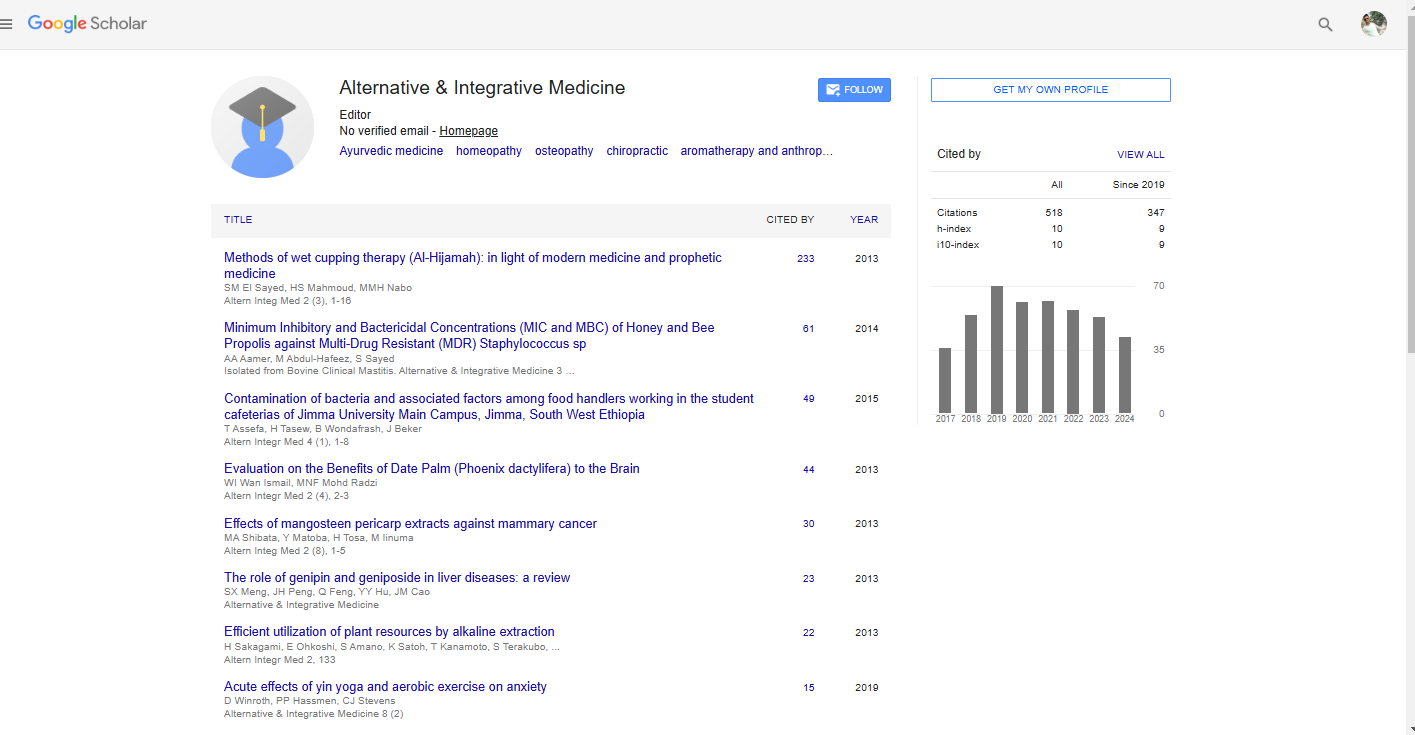
Alternative & Integrative Medicine received 476 citations as per Google Scholar report