Brief Report - (2025) Volume 14, Issue 6
Received: 01-Nov-2025, Manuscript No. VTE-26-180131;
Editor assigned: 03-Nov-2025, Pre QC No. P-180131;
Reviewed: 17-Nov-2025, QC No. Q-180131;
Revised: 24-Nov-2025, Manuscript No. R-180131;
Published:
29-Nov-2025
, DOI: 10.37421/2376-1318.2025.14.400
Citation: Rahim, Nur Aisyah. ”Molybdenum: Essential Trace Element For Human Health.” Vitam Miner 14 (2025):400.
Copyright: © 2025 Rahim A. Nur This is an open-access article distributed under the terms of the Creative Commons Attribution License, which permits unrestricted use, distribution and reproduction in any medium, provided the original author and source are credited.
Molybdenum is an essential trace element that plays a critical role in human health by acting as a cofactor for several vital metalloenzymes. These enzymes are indispensable for various metabolic pathways, including amino acid metabolism, the breakdown of purines, and the detoxification of harmful substances. Deficiencies, although uncommon, can lead to serious health consequences, underscoring molybdenum's crucial function in maintaining metabolic balance and preventing the accumulation of toxic intermediates. [1] Sulfite oxidase, a key enzyme reliant on molybdenum, is paramount for detoxifying sulfite, a potentially dangerous byproduct of sulfur amino acid metabolism. Impaired function of this enzyme, often due to genetic defects or a deficiency in the molybdenum cofactor, can result in severe neurological damage and other serious clinical issues. This emphasizes the direct relationship between molybdenum availability and the effective functioning of sulfite oxidase in preventing sulfite toxicity. [2] Xanthine oxidase, another significant enzyme containing molybdenum, is central to purine catabolism. It facilitates the conversion of hypoxanthine to xanthine and subsequently to uric acid. An overactivity of xanthine oxidase is associated with conditions like hyperuricemia and gout. A thorough understanding of this enzyme's regulation and function is vital for managing disorders linked to purine metabolism and oxidative stress. [3] Aldehyde oxidase, a flavoprotein that also utilizes molybdenum, is involved in the metabolism of a broad spectrum of both exogenous and endogenous aldehydes. These aldehydes can originate from xenobiotic metabolism or alcohol consumption. Its contribution to detoxification processes is substantial, and its activity can influence how certain drugs are processed by the body. [4] Adequate dietary intake of molybdenum is essential for ensuring sufficient levels for optimal enzyme activity. While molybdenum is present in many foods, factors such as soil content and food processing methods can influence its bioavailability. Understanding the dietary sources of molybdenum and potential interactions is key to maintaining proper nutritional status. [5] Genetic disorders affecting the synthesis of the molybdenum cofactor (Moco) can manifest as a range of severe neurological and developmental problems. These inherited conditions underscore the absolute necessity of Moco, and consequently molybdenum, for the proper functioning of multiple critical enzymes. Diagnosing and managing these disorders presents significant challenges but is crucial for patient outcomes. [6] The potential role of molybdenum in preventing dental caries has been explored, with some research suggesting a possible protective effect. While not considered a primary function, its presence in trace amounts might influence microbial activity within the oral cavity. However, further research is required to definitively confirm this role and its clinical importance. [7] Investigating the structural and catalytic mechanisms of molybdenum-containing enzymes is of great importance for the development of new therapeutic strategies. Studying the active sites of these enzymes, particularly the pterin cofactor complexed with molybdenum, provides valuable insights into their biological functions and potential avenues for modulation. [8] Molybdenum's involvement in nitrogen metabolism is indirectly significant through its critical role in nitrogenase enzymes found in microorganisms. These enzymes are responsible for converting atmospheric nitrogen into ammonia, a process that is fundamental to agriculture and global nitrogen cycles. Although not directly involved in human enzymes, this highlights molybdenum's profound biological importance. [9] The interactions between molybdenum and other essential trace elements, such as copper and iron, are significant for maintaining overall nutritional health and optimal enzyme function. A comprehensive understanding of these interrelationships can aid in the accurate assessment and effective management of trace element imbalances within the body. [10]
Molybdenum serves as a crucial trace element for human health, primarily acting as a cofactor for several essential metalloenzymes. These enzymes, including sulfite oxidase, xanthine oxidase, and aldehyde oxidase, are fundamental to various metabolic processes such as amino acid metabolism, purine breakdown, and the detoxification of both xenobiotics and endogenous compounds. While deficiencies are rare, they can lead to severe health issues, emphasizing molybdenum's indispensable role in preserving metabolic homeostasis and preventing the buildup of toxic intermediates. [1] Sulfite oxidase, a critical molybdenum-dependent enzyme, plays a vital role in detoxifying sulfite, a potentially harmful byproduct generated during the metabolism of sulfur-containing amino acids. Malfunctions in this enzyme, often stemming from genetic defects or molybdenum cofactor deficiency, can precipitate neurological damage and other severe clinical presentations. This highlights the direct correlation between molybdenum availability and the proper functioning of this enzyme in averting sulfite toxicity. [2] Xanthine oxidase, another key molybdenum-containing enzyme, is centrally involved in the catabolism of purines, facilitating the conversion of hypoxanthine to xanthine and subsequently to uric acid. Increased activity of xanthine oxidase has been linked to hyperuricemia and gout. Gaining a deeper understanding of this enzyme's regulation and function is crucial for effectively managing conditions associated with purine metabolism and oxidative stress. [3] Aldehyde oxidase, a flavoprotein that also requires molybdenum, participates in the metabolism of a wide array of aldehydes, both external and internal. These aldehydes can arise from the metabolism of foreign substances or from alcohol consumption. Its function in detoxification is significant, and its activity can influence the pharmacokinetic profile of certain medications. [4] The dietary intake of molybdenum is paramount for ensuring adequate levels necessary for enzyme function. Although molybdenum is widely distributed in various food sources, variations in soil composition and food processing techniques can impact its bioavailability. Understanding the primary dietary sources and potential nutritional interactions is key to maintaining optimal molybdenum status. [5] Genetic disorders that disrupt the synthesis of the molybdenum cofactor (Moco) can result in a spectrum of serious neurological and developmental complications. These inherited conditions underscore the absolute necessity of Moco, and consequently molybdenum, for the normal operation of multiple critical enzymes. The diagnosis and management of these disorders are complex yet essential for affected individuals. [6] Research has explored the potential role of molybdenum in the prevention of dental caries, with some studies indicating a possible protective effect. Although not a primary function, its presence in trace amounts may influence microbial activities within the oral cavity. Nevertheless, more extensive research is required to substantiate this role and ascertain its clinical relevance. [7] Elucidating the structural and catalytic mechanisms underlying molybdenum-containing enzymes is fundamental to the development of effective therapeutic interventions. Investigations into the active sites of these enzymes, particularly the interaction between the molybdenum ion and the pterin cofactor, offer valuable insights into their functional dynamics and potential therapeutic modulation. [8] Molybdenum's contribution to nitrogen metabolism, though indirect in humans, is profoundly significant through its incorporation into nitrogenase enzymes in microorganisms. These enzymes are responsible for the critical process of converting atmospheric nitrogen into ammonia, which is vital for both agriculture and the global nitrogen cycle. This highlights molybdenum's fundamental importance in biological systems. [9] The intricate interplay between molybdenum and other essential trace elements, such as copper and iron, is crucial for maintaining overall nutritional well-being and ensuring proper enzyme function. A thorough understanding of these interactions can facilitate the accurate assessment and effective management of imbalances in trace element levels. [10]
Molybdenum is an essential trace element vital for human health, primarily functioning as a cofactor for critical metalloenzymes. These enzymes, including sulfite oxidase, xanthine oxidase, and aldehyde oxidase, are crucial for amino acid metabolism, purine breakdown, and detoxification. Deficiencies, though rare, can cause severe health issues. Sulfite oxidase detoxifies sulfite, preventing neurological damage, while xanthine oxidase is central to purine metabolism and uric acid formation. Aldehyde oxidase metabolizes aldehydes involved in detoxification and drug metabolism. Adequate dietary intake is important for enzyme function, and genetic disorders affecting molybdenum cofactor synthesis can lead to severe health problems. Molybdenum may also play a role in dental health. Its structural and catalytic mechanisms are subjects of therapeutic research, and its role in microbial nitrogen metabolism is globally significant. Interactions with other trace elements like copper and iron are also important for nutritional balance.
None
None
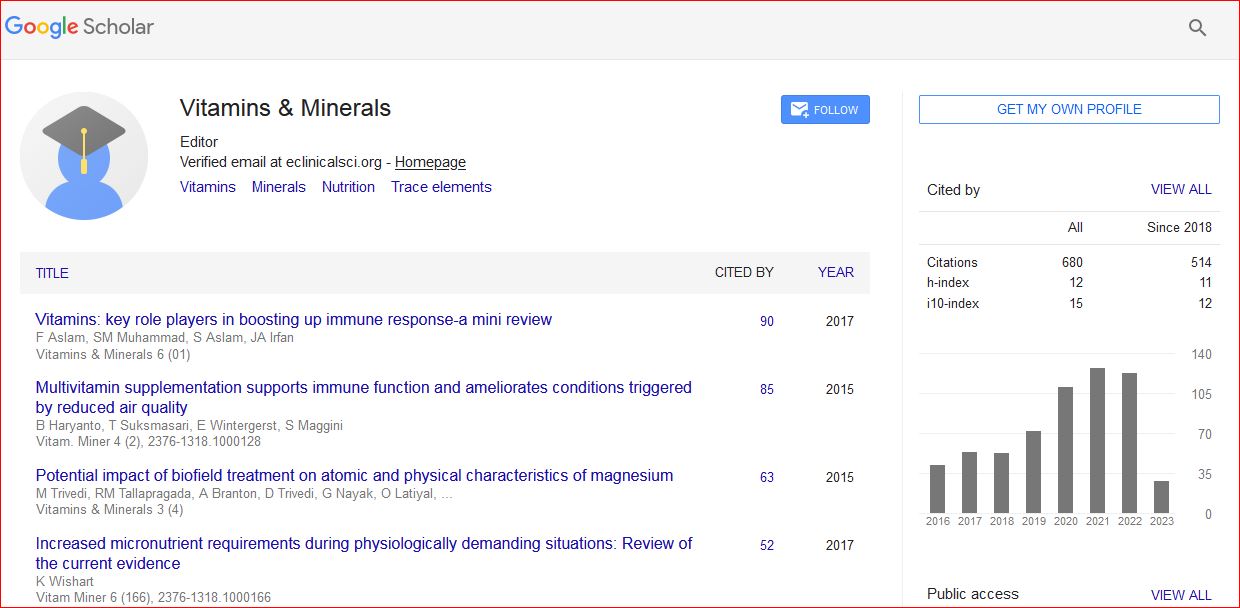
Vitamins & Minerals received 790 citations as per Google Scholar report