Opinion - (2025) Volume 9, Issue 5
Received: 01-Oct-2025, Manuscript No. ahbs-26-182536;
Editor assigned: 03-Oct-2025, Pre QC No. P-182536;
Reviewed: 17-Oct-2025, QC No. Q-182536;
Revised: 22-Oct-2025, Manuscript No. R-182536;
Published:
29-Oct-2025
, DOI: 10.37421/2952-8097.2025.9.338
Citation: Lopez, Juan Carlos. ”Metabolic and Endocrine Disorders:
Impact on Animal Behavior.” J Anim Health Behav Sci 09 (2025):338.
Copyright: © 2025 Lopez C. Juan This is an open-access article distributed under the terms of the Creative Commons Attribution License, which permits unrestricted use,
distribution and reproduction in any medium, provided the original author and source are credited.
Metabolic and endocrine disorders in animals represent a significant area of study, as they can profoundly alter behavior, affecting crucial aspects such as social interactions, learning capacity, anxiety levels, and aggression. Disruptions in glucose metabolism, exemplified by conditions like diabetes, can manifest as lethargy and cognitive deficits in affected animals. Similarly, hormonal imbalances, such as hyperthyroidism, may result in increased irritability and hyperactivity, underscoring the intricate connection between physiological state and behavioral expression. Understanding these links is paramount for the accurate diagnosis and effective management of animal health issues, as behavioral changes often serve as early indicators of underlying physiological problems that require veterinary attention.
Disorders affecting the hypothalamic-pituitary-adrenal (HPA) axis, a central regulator of the body's stress response, are known to precipitate significant behavioral alterations in animals. Chronic stress or specific endocrine conditions like Cushing's disease (hyperadrenocorticism) frequently lead to heightened anxiety, the development of compulsive behaviors, and a tendency towards social withdrawal. In contrast, conditions characterized by adrenal insufficiency might present as generalized lethargy and a diminished responsiveness to environmental stimuli. These observed behavioral changes vividly illustrate the direct and substantial impact that endocrine dysregulation can have on the central nervous system and an animal's overall demeanor. Thyroid hormones are indispensable for maintaining energy metabolism and ensuring proper neurological function, and any imbalances in their levels invariably lead to direct behavioral consequences. In cases of hyperthyroidism, animals may exhibit increased appetite coupled with weight loss, restlessness, pronounced irritability, and in some instances, overt aggression. Conversely, hypothyroidism is commonly associated with symptoms such as lethargy, a depressive state, impaired learning abilities, and a marked reduction in social interaction. The ability to recognize these specific behavioral signs is therefore vital for veterinarians in the accurate diagnosis of thyroid dysfunction. Disorders affecting glucose homeostasis, most notably diabetes mellitus, can exert a significant influence on an animal's cognitive functions and general behavior. Animals struggling with uncontrolled diabetes may display pronounced lethargy, a decreased motivational drive, and impaired problem-solving capabilities, primarily due to the brain's absolute dependence on glucose for energy. Furthermore, the fluctuations in blood sugar levels inherent to this condition can also contribute to increased irritability and generally erratic behavioral patterns. Consequently, the effective management of diabetes is essential for the restoration of normal behavioral patterns. Imbalances in reproductive hormones can precipitate pronounced behavioral shifts in animals, impacting a range of social and territorial behaviors. Disruptions in testosterone or estrogen levels, for example, can significantly affect an animal's social dominance hierarchy, mating behaviors, and the establishment and defense of territory. Conditions such as polycystic ovary syndrome (PCOS) or the physiological changes associated with neutering and spaying can influence levels of aggression, anxiety, and the propensity for affiliative behaviors. Understanding these complex hormonal influences is crucial for ensuring animal welfare and managing behavior, particularly in environments with multiple animals or during breeding programs. Metabolic disorders involving calcium and phosphorus, frequently linked to the regulatory functions of parathyroid hormone and vitamin D, can indirectly but significantly influence an animal's behavior. Hypocalcemia, a condition characterized by low blood calcium levels, can manifest through symptoms like muscle tremors, generalized weakness, and, in more severe instances, neurological signs that include behavioral changes such as heightened excitability or pronounced lethargy. Therefore, maintaining appropriate mineral balance is critically important not only for overall physiological function but also for ensuring behavioral stability in animals. Disorders originating in the adrenal cortex, especially those involving imbalances in glucocorticoids and mineralocorticoids, are known to have profound and wide-ranging behavioral consequences. Addison's disease, a state of hypoadrenocorticism, can manifest as depression, lethargy, and a diminished appetite, while Cushing's disease, or hyperadrenocorticism, is often linked to increased appetite, significant anxiety, and sometimes aggression or compulsive behaviors. These hormones play a critical role in the body's stress response and energy regulation, thereby directly impacting an animal's mood and overall activity levels. Endocrine disruptors, which are environmental chemicals capable of interfering with the normal function of hormones, can lead to long-term consequences affecting animal behavior and development. Exposure to these compounds has been shown to cause reproductive abnormalities, alter stress responses, and induce changes in social behavior, even at very low exposure doses. This specific area of research underscores the inherent vulnerability of animals to exogenous hormonal interference and emphasizes the critical need for meticulous environmental monitoring to protect wildlife. Pancreatic disorders, extending beyond the realm of diabetes, can influence behavior through their impact on the intricate signaling pathways of the gut-brain axis and the availability of essential nutrients. Conditions that compromise digestion and nutrient absorption can lead to a state of malnourishment, which, in turn, can manifest as lethargy, irritability, and significant alterations in typical feeding behaviors. A comprehensive understanding of these interconnected links is therefore important for providing holistic animal care. Growth hormone and its associated metabolic pathways are fundamental to an animal's development and play a crucial role in influencing behavior. Deficiencies or excesses in growth hormone can result in altered energy levels, changes in social behaviors, and even impact cognitive function. For instance, dwarfism resulting from a growth hormone deficiency may be accompanied by notable changes in temperament and activity levels. This highlights the multifaceted and essential role of endocrinology in shaping an animal's entire behavioral repertoire.Metabolic and endocrine disorders in animals exhibit a profound capacity to alter behavioral patterns, impacting critical areas such as social interactions, learning capabilities, anxiety levels, and aggressive tendencies. For example, disturbances in glucose metabolism, as seen in diabetes, can lead to symptoms of lethargy and cognitive impairments. Conversely, hormonal imbalances, like those occurring in hyperthyroidism, may manifest as increased irritability and hyperactivity, illustrating the intricate relationship between physiological health and behavior. Recognizing these connections is essential for the accurate diagnosis and effective management of animal health concerns, as behavioral deviations can serve as early warning signs of underlying physiological issues.
Dysfunctions within the hypothalamic-pituitary-adrenal (HPA) axis, a primary regulator of the stress response system, are frequently associated with significant behavioral modifications in animals. Chronic stress or conditions such as Cushing's disease (hyperadrenocorticism) often result in heightened anxiety, the development of repetitive compulsive behaviors, and social withdrawal. On the other hand, conditions that cause adrenal insufficiency may present as generalized lethargy and a reduced responsiveness to stimuli. These observable behavioral changes underscore the direct influence of endocrine dysregulation on the central nervous system. Thyroid hormones are fundamental to regulating energy metabolism and ensuring optimal neurological function; therefore, imbalances in these hormones have direct behavioral ramifications. Hyperthyroidism in animals can precipitate an increase in appetite, accompanied by weight loss, restlessness, heightened irritability, and in severe cases, aggression. Hypothyroidism, conversely, is typically associated with lethargy, depressive symptoms, impaired learning capacity, and a decrease in social interactions. The identification of these specific behavioral indicators is critical for veterinarians in diagnosing thyroid dysfunction. Conditions affecting glucose homeostasis, such as diabetes mellitus, can substantially impact an animal's cognitive abilities and overall behavioral profile. Animals with inadequately managed diabetes may exhibit noticeable lethargy, reduced motivation, and difficulties with problem-solving tasks, largely due to the brain's critical reliance on glucose for energy. Moreover, fluctuations in blood sugar levels can contribute to increased irritability and unpredictable behavioral patterns. Therefore, effective diabetes management is paramount for restoring normal behavioral patterns. Disruptions in reproductive hormone levels can lead to pronounced behavioral shifts in animals, influencing social dynamics and territorial behaviors. Changes in testosterone or estrogen concentrations, for instance, can affect social dominance, mating behaviors, and territoriality. Conditions like polycystic ovary syndrome (PCOS) or the hormonal shifts associated with neutering and spaying can impact aggression, anxiety, and affiliative behaviors. Understanding these hormonal influences is key to managing animal welfare and behavior, particularly in multi-animal settings or breeding environments. Disorders related to calcium and phosphorus metabolism, often linked to the regulation of parathyroid hormone and vitamin D, can indirectly affect behavior. Hypocalcemia, for example, can manifest as muscle tremors, weakness, and in severe instances, neurological signs including excitability or lethargy. Maintaining proper mineral balance is thus crucial for both physiological health and behavioral stability in animals. Dysfunctions of the adrenal cortex, particularly imbalances in glucocorticoids and mineralocorticoids, have significant behavioral consequences. Addison's disease (hypoadrenocorticism) may lead to depression, lethargy, and decreased appetite, whereas Cushing's disease (hyperadrenocorticism) is frequently associated with increased appetite, anxiety, and sometimes aggression or compulsive behaviors. These hormones are vital for stress response and energy regulation, directly influencing mood and activity levels. Endocrine disruptors, which are environmental chemicals that interfere with hormonal function, can result in long-term effects on animal behavior and development. Exposure to these substances may cause reproductive abnormalities, altered stress responses, and changes in social behavior, even at low doses. This research area highlights the vulnerability of animals to exogenous hormonal interference and stresses the importance of rigorous environmental monitoring. Pancreatic disorders, beyond their association with diabetes, can influence behavior through their effects on gut-brain axis signaling and nutrient availability. Conditions affecting digestion and nutrient absorption can lead to malnourishment, which in turn can cause lethargy, irritability, and changes in feeding habits. Understanding these complex interactions is important for comprehensive animal care. Growth hormone and its associated metabolic pathways are essential for development and can significantly influence behavior. Deficiencies or excesses in growth hormone can lead to altered energy levels, social behaviors, and even cognitive function. For example, dwarfism resulting from growth hormone deficiency may be associated with changes in temperament and activity. This underscores the extensive role of endocrinology in shaping an animal's behavioral repertoire.Metabolic and endocrine disorders significantly impact animal behavior, affecting social interactions, learning, anxiety, and aggression. Conditions like diabetes can cause lethargy and cognitive deficits, while hormonal imbalances such as hyperthyroidism may lead to irritability and hyperactivity. The HPA axis plays a crucial role, with dysregulation causing anxiety and compulsive behaviors. Thyroid hormone imbalances directly influence energy metabolism and neurological function, leading to behavioral changes like restlessness or depression. Reproductive hormone disruptions can alter social dominance and territoriality. Mineral metabolism disorders and adrenal cortex dysfunctions also have profound behavioral effects. Environmental endocrine disruptors pose long-term risks to behavior and development. Pancreatic disorders can affect behavior through gut-brain signaling and nutrient availability. Finally, growth hormone imbalances impact energy levels and social behaviors. Recognizing these links is vital for diagnosing and managing animal health and welfare.
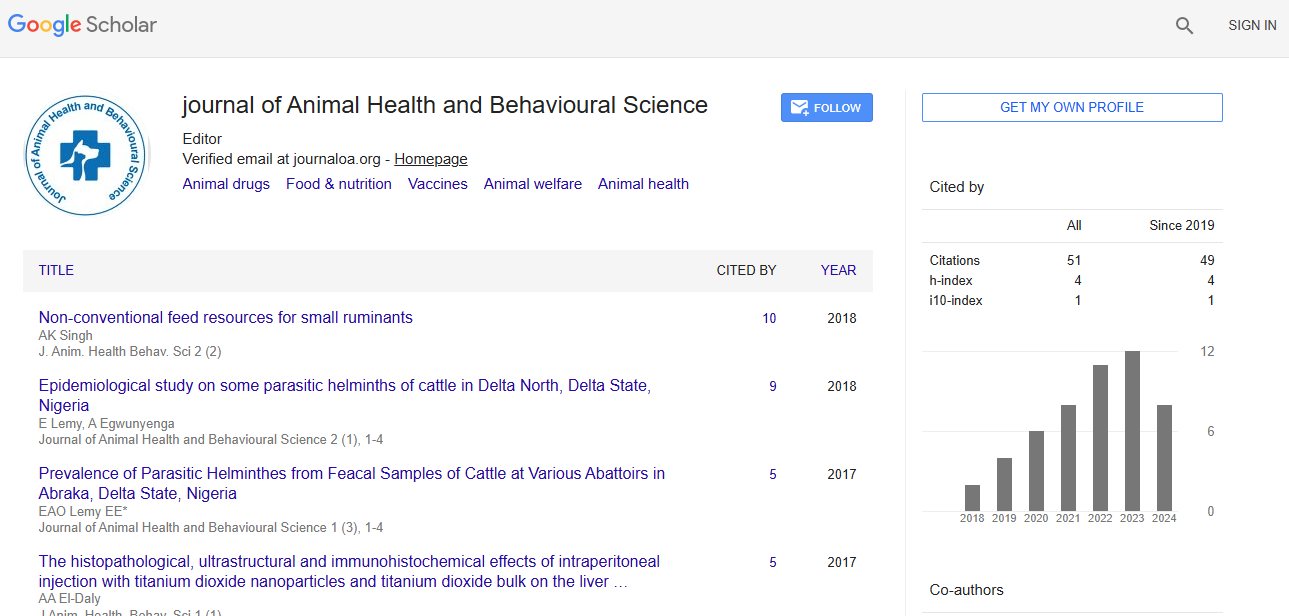
Journal of Animal Health and Behavioural Science received 38 citations as per Google Scholar report