Opinion - (127) Volume 11, Issue 6
Received: 01-Dec-2025, Manuscript No. cdp-26-185475;
Editor assigned: 03-Dec-2025, Pre QC No. P-185475;
Reviewed: 17-Dec-2025, QC No. Q-185475;
Revised: 22-Dec-2025, Manuscript No. R-185475;
Published:
29-Dec-2025
, DOI: 10.37421/2572-0791.2025.11.210
Citation: Andersen, Lars. ”Lifestyle Interventions: Your Path To Depression Recovery.” Clin Depress 11 (2025):210.
Copyright: © 2025 Andersen L. This is an open-access article distributed under the terms of the Creative Commons Attribution License, which permits unrestricted use, distribution and reproduction in any medium, provided the original author and source are credited.
Lifestyle interventions present a promising and evidence-based strategy for supporting individuals in their recovery from depression. These interventions are designed to encompass a broad spectrum of behavioral and environmental modifications, all aimed at enhancing overall well-being, which in turn can profoundly impact mood and alleviate depressive symptoms. A cornerstone of these interventions is regular physical activity, for which robust scientific evidence attests to its antidepressant effects, highlighting its role in improving mental health outcomes. Complementing physical activity, balanced nutrition is recognized as crucial, as the quality of one's diet can significantly influence brain function and modulate inflammatory processes, both of which are implicated in depression. Furthermore, achieving adequate sleep hygiene is of paramount importance, given the well-documented and strong bidirectional relationship between sleep disturbances and the onset or exacerbation of depressive disorders. The cultivation of social connection and active engagement in enjoyable or meaningful activities, often conceptualized as behavioral activation, are vital components for combating the pervasive anhedonia and feelings of isolation frequently experienced by individuals with depression. The integration of mindfulness and stress-reduction techniques, such as meditation and yoga, offers a powerful means to manage rumination and enhance emotional regulation capacities, thereby providing a more stable emotional state. These multifaceted lifestyle interventions, when carefully tailored to the unique needs and preferences of each individual, can serve as potent adjuncts to established traditional therapeutic approaches for depression. Their comprehensive nature addresses multiple contributing factors to depression, offering a holistic pathway towards recovery and improved mental resilience. The growing body of research underscores the efficacy of these lifestyle changes in complementing pharmacological and psychotherapeutic treatments, paving the way for more personalized and effective depression management strategies. The synergistic effect of these interventions, when combined, creates a robust framework for fostering long-term mental health and preventing relapse. Addressing these lifestyle factors holistically empowers individuals to take an active role in their healing journey, leading to more sustainable and meaningful recovery. The implementation of these strategies can lead to a significant improvement in the quality of life for individuals struggling with depression. Promoting these lifestyle changes within clinical practice can foster a more patient-centered and comprehensive approach to mental healthcare. The accessibility and adaptability of these interventions make them a valuable resource for diverse populations experiencing depressive symptoms. Ultimately, the integration of lifestyle modifications represents a significant advancement in the holistic management of depression. [1] The critical role of physical activity in the management of depression is now extensively documented in scientific literature. Engaging in consistent exercise, even at moderate intensities, has been shown to elicit significant reductions in the severity of depressive symptoms, offering a tangible benefit to those affected. The underlying mechanisms responsible for these positive effects are multifaceted, including the release of endorphins, which are natural mood elevators, and the regulation of key neurotransmitters such as serotonin and norepinephrine, both integral to mood stability. Moreover, physical activity has demonstrated a capacity to reduce systemic inflammation, another factor frequently associated with depression. While aerobic exercise is often emphasized, evidence also supports the benefits derived from strength training and mind-body exercises, suggesting a diverse range of effective options. Crucially, consistency in exercise practices is a primary determinant of success, and identifying activities that individuals find enjoyable is essential for fostering long-term adherence to their physical activity regimens. This consistent engagement is key to harnessing the full therapeutic potential of exercise in combating depressive symptoms. The psychological benefits, such as improved self-efficacy and reduced stress, further reinforce the importance of physical activity. The positive feedback loop created by physical activity can encourage further engagement and a more optimistic outlook. Therefore, tailoring exercise recommendations to individual preferences and capabilities is paramount for successful implementation. The integration of physical activity into a comprehensive treatment plan can significantly enhance the recovery process. The accessibility of various forms of physical activity makes it a widely applicable intervention for depression management. Recognizing exercise as a vital component of mental healthcare is a crucial step towards holistic well-being. [2] Nutritional psychiatry, an innovative and burgeoning field, is increasingly illuminating the profound connection between dietary patterns and an individual's mental health. Research consistently indicates that a diet characterized by whole foods, abundant fruits and vegetables, and healthy fats, often referred to as a 'Mediterranean-style' diet, is associated with a notably lower risk of developing depression and a reduced severity of existing depressive symptoms. Conversely, dietary patterns that are high in processed foods, refined sugars, and unhealthy fats have been observed to potentially exacerbate depressive symptoms, highlighting the detrimental impact of poor nutrition. The complex mechanisms underpinning these effects involve the critical role of nutrients in neurotransmitter synthesis, the intricate balance of the gut microbiome, and the modulation of inflammatory pathways within the body. Consequently, making deliberate improvements to dietary patterns is increasingly being recognized as a valuable and effective lifestyle intervention to support the recovery process for individuals experiencing depression. The gut-brain axis, in particular, is a key area of research demonstrating how dietary choices can influence mood. Understanding these connections empowers individuals to make informed nutritional choices for their mental well-being. The accessibility of whole foods makes dietary interventions a practical approach for many. Promoting the adoption of these healthy eating habits can foster long-term mental resilience. Therefore, dietary modifications should be considered a fundamental aspect of a comprehensive depression treatment plan. [3] Sleep is intrinsically and fundamentally linked to the complex processes of mood regulation, playing an indispensable role in maintaining emotional equilibrium. It is widely observed that individuals experiencing depression frequently exhibit disruptions in their sleep patterns, and conversely, persistent poor sleep can significantly exacerbate and worsen existing depressive symptoms, creating a detrimental cycle. Establishing and maintaining robust sleep hygiene practicesâ??which include adhering to consistent sleep and wake schedules, ensuring a conducive and restful sleep environment, and consciously avoiding stimulants, particularly in the hours leading up to bedtimeâ??is therefore a critical and non-negotiable component of a comprehensive approach to depression recovery. Furthermore, the identification and effective treatment of any underlying sleep disorders, such as insomnia or sleep apnea, are also considered vital elements in a holistic strategy aimed at supporting an individual's journey towards recovery from depression. The intricate interplay between sleep and mental health necessitates a thorough evaluation of sleep quality. Prioritizing sleep health is an investment in overall mental well-being. Disruptions in sleep can profoundly impact cognitive function and emotional regulation. Therefore, addressing sleep issues should be an integral part of any mental health treatment plan. [4] Behavioral activation stands out as a highly effective therapeutic approach that actively encourages individuals to increase their engagement with activities that are perceived as rewarding and meaningful in their lives. For individuals who are experiencing depression, a particularly common and debilitating symptom is a pronounced withdrawal from social interactions and a significant loss of interest in pursuits that were once a source of pleasure and fulfillment. By systematically planning, scheduling, and actively participating in a range of activities, individuals can gradually begin to counter these debilitating patterns of withdrawal and anhedonia, which in turn leads to notable improvements in their overall mood and a renewed sense of accomplishment. This particular intervention directly targets and combats the inertia, lack of motivation, and anhedonia that are often the hallmark characteristics of depression, offering a direct pathway to regaining engagement and pleasure. The structured nature of behavioral activation provides a roadmap for progress. Re-engaging in life's activities can foster a sense of purpose and control. The gradual increase in positive experiences can shift emotional states. Therefore, behavioral activation is a powerful tool for overcoming the inertia of depression. [5] Mindfulness-based interventions, including widely recognized approaches such as mindfulness-based cognitive therapy (MBCT) and mindfulness-based stress reduction (MBSR), have consistently demonstrated significant efficacy in managing the symptoms associated with depression and, importantly, in preventing the relapse of depressive episodes. These contemplative practices are designed to cultivate a state of present-moment awareness without engaging in judgmental thoughts, thereby enabling individuals to disengage more effectively from ruminative thought patterns that frequently fuel and perpetuate depressive states. By consciously developing a more adaptive and less reactive relationship with their own thoughts and emotions, individuals can cultivate enhanced emotional regulation capabilities and build greater psychological resilience. This shift in perspective allows for a more balanced and less distressing experience of internal states. The non-judgmental observation of thoughts reduces their power. Developing a new relationship with difficult emotions is key to recovery. Increased self-awareness fosters better coping mechanisms. Therefore, mindfulness-based interventions are valuable for long-term depression management. [6] Social support plays an undeniably critical role in fostering overall mental well-being and is a significant contributing factor to successful recovery from depression. Robust and supportive social connections can effectively act as a powerful buffer against life's stressors, providing individuals with a vital sense of belonging, validation, and emotional security. Interventions specifically designed to focus on building and strengthening an individual's social networks, nurturing supportive relationships, and actively reducing social isolation have been shown to contribute significantly to improvements in mood and a measurable reduction in depressive symptoms. Furthermore, encouraging active engagement in social activities, even when such engagement might initially feel challenging or daunting, is consistently found to be highly beneficial for mental health. The presence of a strong support system can mitigate the impact of negative life events. Feeling connected to others combats feelings of loneliness and alienation. Investing in social relationships is an investment in mental health. Therefore, strengthening social support should be a key component of depression recovery strategies. [7] Effective stress management techniques are recognized as absolutely vital for individuals who are in the process of recovering from depression, primarily because chronic or excessive stress can act as a potent trigger for the onset of mood disorders and can significantly exacerbate existing depressive symptoms. Practices such as progressive muscle relaxation, which involves systematically tensing and releasing muscle groups, deep breathing exercises designed to promote physiological calm, and guided imagery, which uses mental images to induce relaxation, can collectively help to effectively regulate the body's physiological stress response. A crucial aspect of building long-term resilience and preventing the potential relapse of depressive episodes involves learning to accurately identify personal stressors and developing effective, individualized coping mechanisms to address them. Mastering these skills empowers individuals to navigate life's challenges more effectively. Reducing the physiological impact of stress is crucial for mood stabilization. Developing proactive coping strategies builds resilience. Effective stress management contributes to overall psychological well-being. Therefore, stress management techniques are essential for sustained recovery from depression. [8] Direct engagement with nature, a practice increasingly referred to as ecotherapy or nature-based therapy, has consistently demonstrated positive and measurable effects on mental health, including notable reductions in reported levels of stress, anxiety, and depressive symptoms. The simple act of spending time outdoors, whether in a local park, a serene forest, or alongside the calming presence of water, can profoundly promote feelings of well-being, effectively reduce the tendency towards rumination, and generally improve one's overall mood. These nature-based interventions leverage the inherently restorative and calming properties of natural environments to facilitate healing and enhance mental health outcomes. The biophilia hypothesis suggests an innate human need for connection with nature. Exposure to natural environments can reduce cortisol levels, a stress hormone. The sensory experience of nature can be grounding and restorative. Therefore, incorporating nature-based activities can be a valuable addition to depression recovery plans. [9] Creative arts therapies, encompassing modalities such as art therapy, music therapy, and drama therapy, are increasingly being recognized as valuable and effective tools that can significantly aid individuals in their journey of depression recovery. These unique therapeutic approaches provide essential non-verbal avenues for emotional expression, thereby empowering individuals to explore complex emotions, process challenging life experiences, and actively build their self-esteem and sense of self-worth. The inherent nature of the creative process itself can be deeply rewarding and intrinsically motivating, fostering a powerful sense of agency and enhancing feelings of connection with oneself and others. Engaging in creative expression allows for catharsis and self-discovery. The arts offer a safe space for emotional exploration. Building self-esteem through creative endeavors is a significant benefit. Therefore, creative arts therapies represent a potent complementary approach to traditional depression treatments. [10]
Lifestyle interventions offer a promising avenue for supporting individuals in their recovery from depression by encompassing a range of behavioral and environmental modifications aimed at improving overall well-being, which can directly impact mood and depressive symptoms. Key areas include regular physical activity, which has robust evidence for its antidepressant effects, and balanced nutrition, as diet quality can influence brain function and inflammation. Adequate sleep hygiene is also crucial, given the strong bidirectional relationship between sleep disturbances and depression. Social connection and engagement in enjoyable or meaningful activities, often referred to as behavioral activation, are vital for combating anhedonia and isolation. Mindfulness and stress-reduction techniques, such as meditation or yoga, can help manage rumination and improve emotional regulation. These interventions, when tailored to individual needs and preferences, can be powerful adjuncts to traditional treatments. [1] The role of physical activity in depression management is well-established, with regular exercise, even at moderate intensity, leading to significant reductions in depressive symptoms. This effect is thought to be mediated by several mechanisms, including the release of endorphins, regulation of neurotransmitters like serotonin and norepinephrine, and reduction of inflammation. Specific recommendations often suggest aerobic exercise, but strength training and mind-body exercises also show benefits. Consistency is key, and finding enjoyable activities is crucial for long-term adherence, making exercise a vital component of depression recovery. [2] Nutritional psychiatry highlights the strong connection between diet and mental health. A diet rich in whole foods, fruits, vegetables, and healthy fats, termed a 'Mediterranean-style' diet, is associated with a lower risk and severity of depression. Conversely, diets high in processed foods, sugar, and unhealthy fats may exacerbate depressive symptoms through impacts on neurotransmitter synthesis, gut microbiome health, and inflammatory pathways. Improving dietary patterns is a valuable lifestyle intervention for supporting depression recovery. [3] Sleep is fundamentally linked to mood regulation, with depression often disrupting sleep patterns, and poor sleep worsening depressive symptoms. Establishing good sleep hygiene practices â?? consistent sleep schedules, a conducive sleep environment, and avoiding stimulants before bed â?? is crucial for recovery. Treating underlying sleep disorders, such as insomnia or sleep apnea, is also a vital component of a comprehensive approach to depression recovery. [4] Behavioral activation is a therapeutic approach that encourages individuals to increase their engagement in rewarding and meaningful activities, directly combating the withdrawal and loss of interest characteristic of depression. By systematically planning and participating in activities, individuals can counter these patterns, leading to improved mood and a sense of accomplishment, thereby addressing inertia and anhedonia. [5] Mindfulness-based interventions, such as MBCT and MBSR, have demonstrated efficacy in managing depressive symptoms and preventing relapse by cultivating present moment awareness without judgment. This helps individuals disengage from ruminative thought patterns, fostering improved emotional regulation and resilience by developing a different relationship with their thoughts and emotions. [6] Social support plays a critical role in mental well-being and depression recovery, acting as a buffer against stress and providing a sense of belonging. Interventions focused on building social networks, fostering supportive relationships, and reducing social isolation significantly contribute to improved mood and reduced depressive symptoms, making active social engagement beneficial. [7] Stress management techniques are vital for depression recovery, as chronic stress can trigger and exacerbate mood disorders. Practices like progressive muscle relaxation, deep breathing, and guided imagery help regulate the body's stress response. Learning to identify stressors and develop coping mechanisms is key to building resilience and preventing depressive relapse. [8] Ecotherapy or nature-based therapy, involving spending time outdoors in natural environments, has shown positive effects on mental health, including reductions in stress, anxiety, and depressive symptoms. These interventions leverage the restorative properties of nature to promote well-being, reduce rumination, and improve mood. [9] Creative arts therapies, such as art, music, and drama therapy, offer valuable non-verbal means of expression for individuals recovering from depression. These modalities allow for the exploration of emotions, processing of experiences, and building of self-esteem, with the creative process itself being inherently rewarding and fostering a sense of agency and connection. [10]
Lifestyle interventions, encompassing physical activity, balanced nutrition, adequate sleep, social connection, behavioral activation, mindfulness, and stress management, offer a holistic approach to depression recovery. These strategies aim to improve overall well-being and directly impact mood by addressing key factors contributing to depressive symptoms. Regular exercise, a nutrient-rich diet, good sleep hygiene, and engagement in meaningful activities are vital. Mindfulness and stress-reduction techniques help manage rumination and enhance emotional regulation. Social support acts as a buffer against stress. Creative arts therapies and nature-based interventions provide additional avenues for expression and well-being. Tailored to individual needs, these interventions serve as powerful adjuncts to traditional treatments, promoting resilience and preventing relapse.
None
None
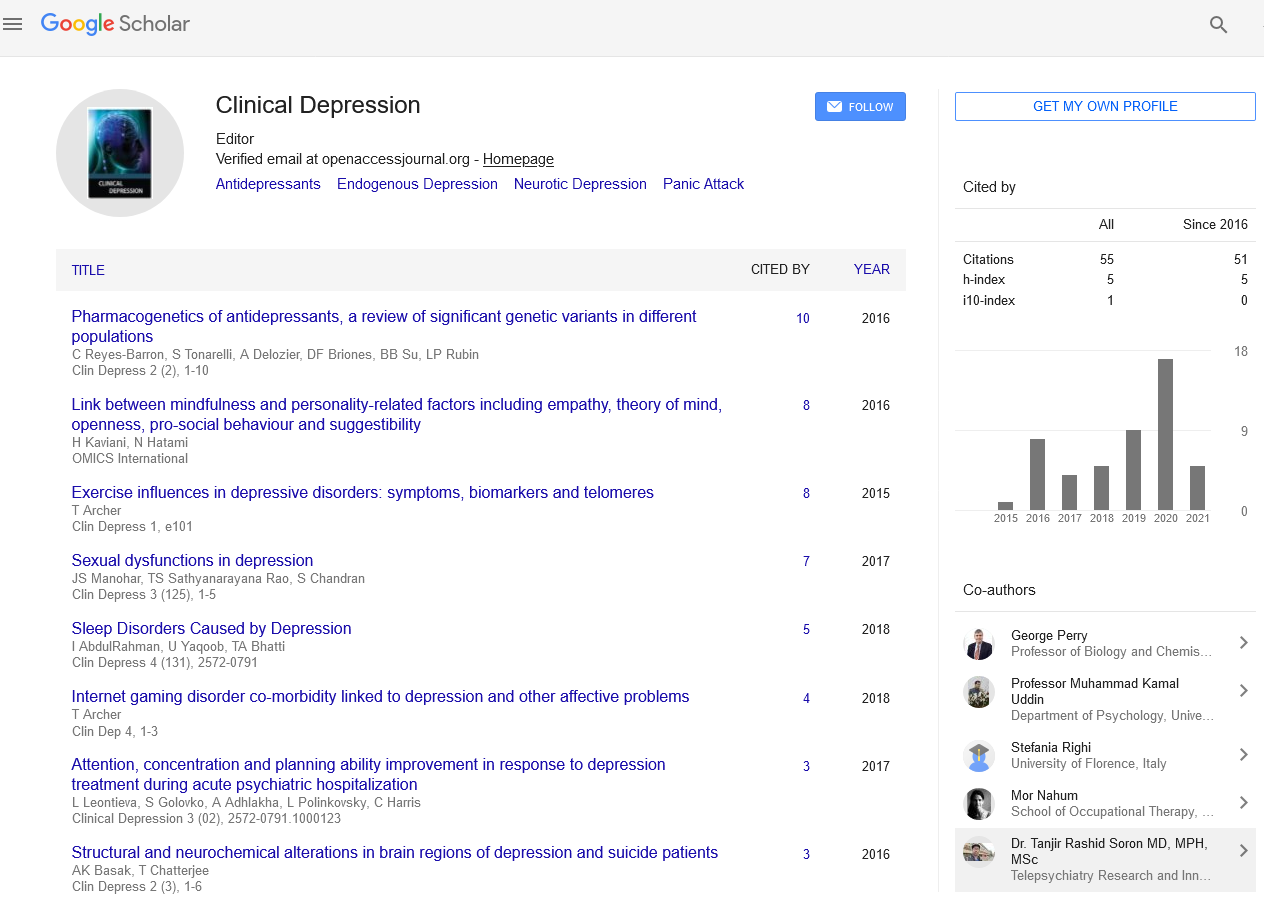
Clinical Depression received 89 citations as per Google Scholar report