Opinion - (2025) Volume 11, Issue 5
Received: 01-Oct-2025, Manuscript No. cdp-26-185485;
Editor assigned: 03-Oct-2025, Pre QC No. P-185485;
Reviewed: 17-Oct-2025, QC No. Q-185485;
Revised: 22-Oct-2025, Manuscript No. R-185485;
Published:
29-Oct-2025
, DOI: 10.37421/2572-0791.2025.11.199
Citation: Petrova, Yelena. ”Lifespan Depression: Diverse Factors, Persistent Challenges.” Clin Depress 11 (2025):199.
Copyright: © 2025 Petrova Y. This is an open-access article distributed under the terms of the Creative Commons Attribution License, which permits unrestricted use, distribution and reproduction in any medium, provided the original author and source are credited.
Depression is a complex mood disorder that affects individuals across the entire lifespan, presenting with varied etiological factors and clinical manifestations from childhood through late adulthood. The understanding of its multifaceted nature is crucial for effective diagnosis and treatment [1].
Early-onset depression in childhood carries a significant risk for the development of persistent mental health challenges throughout an individual's life, underscoring the importance of early identification and intervention strategies [2].
Adolescent depression is frequently marked by irritability and externalizing behaviors, and its continuity into adulthood is associated with a greater burden of comorbid psychiatric and somatic health conditions, necessitating tailored therapeutic approaches [3].
In adulthood, the interplay of genetic predispositions, environmental stressors, and neurochemical imbalances is instrumental in the development and perpetuation of depressive disorders, demanding personalized treatment plans to address these intricate factors [4].
Late-life depression, often presenting with somatic symptoms, can be exacerbated by chronic illnesses and social isolation. Its unique presentation frequently impacts cognitive function and diminishes overall quality of life for older adults [1].
Late-life depression is a significant clinical concern that is frequently overlooked and misdiagnosed due to its superficial resemblance to normal aging processes or its overlap with other concurrent medical conditions. Prompt recognition and timely therapeutic interventions are paramount for enhancing functional outcomes and reducing mortality rates among the elderly [5].
Cognitive dysfunction is a prevalent and often enduring symptom of depression that spans all age demographics. Its impact on daily functioning and the efficacy of treatment necessitates a thorough understanding of these cognitive deficits for comprehensive patient care [6].
Social isolation and the pervasive feeling of loneliness are recognized as substantial risk factors for the onset and exacerbation of depression, particularly among the elderly population. The impact of these psychosocial factors on mental well-being is often amplified by significant life transitions and the experience of loss [7].
The bidirectional relationship between physical health and depression is a well-established phenomenon that is observed across all stages of life. Chronic medical conditions have been shown to increase the likelihood of developing depressive symptoms, and conversely, depression can negatively influence the management and progression of physical illnesses [8].
Traumatic experiences during childhood can inflict profound and enduring psychological scars, substantially elevating the risk of developing depression and other psychiatric disorders in later life. Addressing childhood trauma is therefore a critical aspect of preventative mental healthcare [9].
The manifestation of depression varies significantly across different life stages, with unique etiological factors and clinical presentations observed in childhood, adolescence, adulthood, and late adulthood. Early-onset depression is associated with a higher risk of long-term mental health issues, while adolescent depression often co-occurs with other disorders [1].
Research into the neurobiological underpinnings of depression in children and adolescents reveals distinct patterns of brain development and connectivity when compared to adults. This highlights the critical importance of implementing early intervention strategies to address these developmental differences [2].
Adolescent depression is frequently characterized by irritability and externalizing behaviors. Its persistence into adulthood is associated with a greater burden of comorbid psychiatric and somatic conditions, emphasizing the need for targeted treatment approaches [3].
In adulthood, a complex interplay of genetic vulnerability, environmental stressors, and neurochemical imbalances contributes to the development and maintenance of depressive disorders. This necessitates the adoption of personalized treatment strategies tailored to individual patient profiles [4].
Late-life depression is often characterized by somatic symptoms and can be significantly exacerbated by the presence of chronic illness and social isolation. This form of depression frequently impacts cognitive function and diminishes the overall quality of life for older adults [1].
Late-life depression is a challenging condition that is frequently overlooked and misdiagnosed due to its overlap with normal aging and other co-occurring medical conditions. Early recognition and prompt treatment are crucial for improving functional outcomes and reducing mortality rates in this population [5].
Cognitive dysfunction is a common and often persistent symptom of depression across all age groups. This impairment can significantly impact daily functioning and treatment response, making the understanding of these cognitive deficits key to comprehensive care [6].
Social isolation and loneliness are recognized as significant risk factors for depression, particularly in older adults. The impact of these psychosocial factors on mental well-being is often amplified by life transitions and experiences of loss [7].
The bidirectional relationship between physical health and depression is evident across the lifespan. Chronic physical illnesses increase the risk of developing depressive symptoms, and conversely, depression can negatively affect the management of physical health conditions [8].
Traumatic experiences during childhood can have profound and lasting effects on mental health, substantially increasing the risk of developing depression and other psychiatric disorders later in life. Addressing childhood trauma is therefore a critical component of mental health interventions [9].
Depression exhibits diverse presentations across the lifespan, influenced by unique factors in childhood, adolescence, adulthood, and late life. Early-onset depression poses risks for long-term mental health issues, while adolescent depression often co-occurs with other disorders. In adulthood, biological, psychological, and social elements intertwine. Late-life depression frequently involves somatic symptoms and is worsened by chronic illness and social isolation, impacting cognition and quality of life. Neurobiological differences are noted in early-onset depression, emphasizing early intervention. Adolescent depression may present as irritability and externalizing behaviors, with persistence linked to higher comorbidity. Adult depression stems from a combination of genetic vulnerability, environmental stressors, and neurochemical imbalances, requiring personalized treatment. Late-life depression, often misdiagnosed, necessitates early recognition and management. Cognitive dysfunction is a common symptom across all ages. Social isolation and loneliness are significant risk factors, especially in older adults. A bidirectional link exists between physical health and depression. Childhood trauma significantly increases the risk of later depressive disorders. Neuroinflammation is increasingly implicated in depression across age groups.
None
None
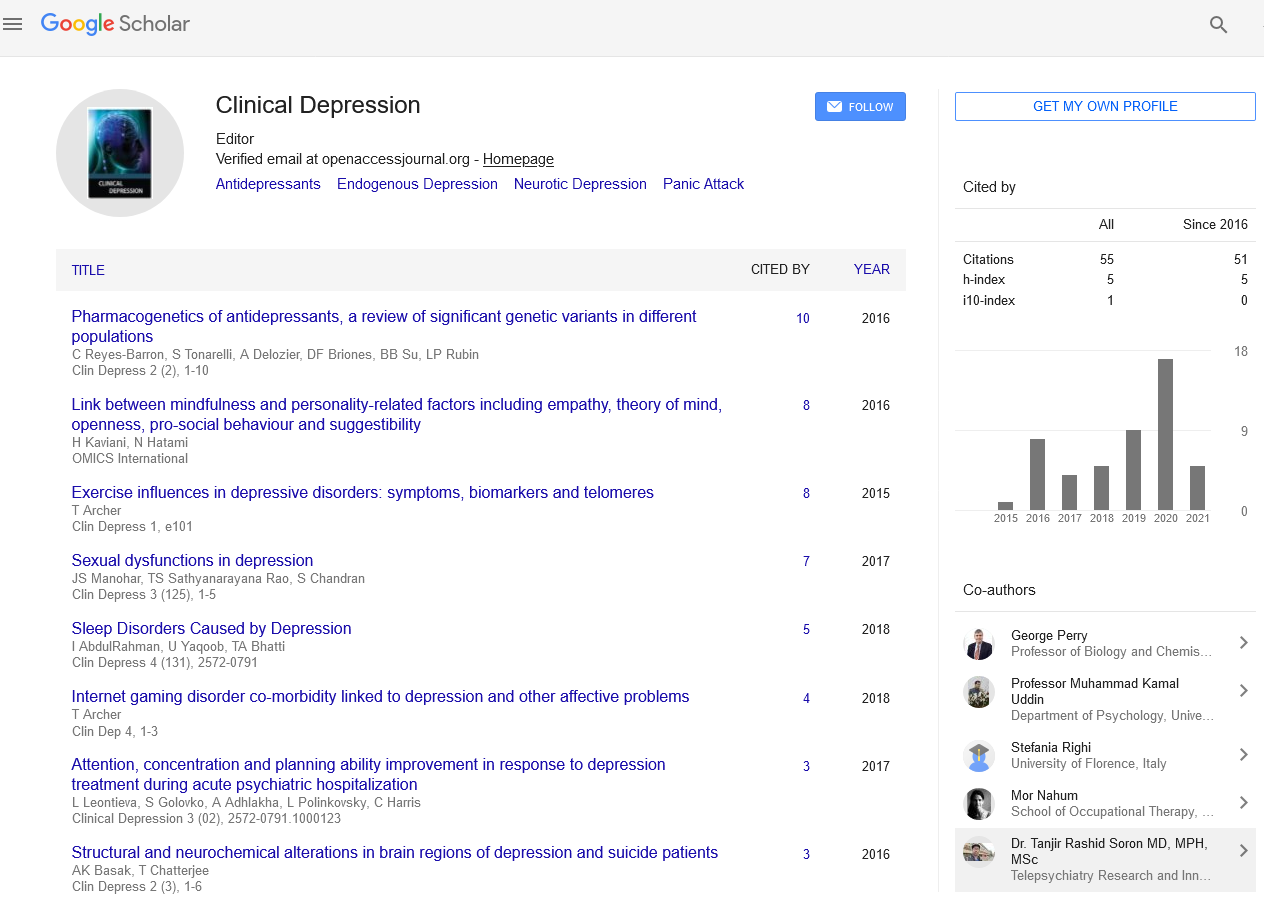
Clinical Depression received 89 citations as per Google Scholar report