Brief Report - (127) Volume 11, Issue 4
Received: 01-Aug-2025, Manuscript No. cdp-26-185470;
Editor assigned: 04-Aug-2025, Pre QC No. P-185470;
Reviewed: 18-Aug-2025, QC No. Q-185470;
Revised: 24-Aug-2025, Manuscript No. R-185470;
Published:
29-Aug-2025
, DOI: 10.37421/2572-0791.2025.11.185
Citation: Rossi, Isabella. ”Holistic Recovery: Sustained Well-Being Beyond Remission.” Clin Depress 11 (2025):185.
Copyright: © 2025 Rossi I. This is an open-access article distributed under the terms of the Creative Commons Attribution License, which permits unrestricted use, distribution and reproduction in any medium, provided the original author and source are credited.
The journey of recovery from clinical depression is a complex and evolving process, extending beyond the mere absence of symptoms to encompass a sustained state of well-being and functional improvement. This perspective acknowledges that true recovery involves significant personal growth and the development of robust coping mechanisms to navigate life's challenges. A multifaceted approach, integrating various therapeutic modalities and lifestyle adjustments, is increasingly recognized as crucial for achieving lasting remission and enhancing overall quality of life for individuals affected by depression. The initial exploration into recovery highlights its dynamic nature, emphasizing that it is not a static endpoint but rather an ongoing process of adaptation and resilience building. This perspective shifts the focus from symptom eradication to fostering a sense of purpose and fulfillment, even in the face of ongoing difficulties [1].
The integration of evidence-based therapeutic interventions forms a cornerstone of effective depression management and recovery. Psychotherapeutic approaches, such as cognitive-behavioral therapy (CBT) and interpersonal therapy (IPT), have demonstrated significant efficacy in helping individuals understand and modify maladaptive thought patterns and interpersonal dynamics that contribute to depressive states. When appropriately utilized, these therapies can equip patients with practical tools to manage their symptoms and improve their daily functioning. The synergistic effect of combining psychotherapy with pharmacotherapy, when indicated, often leads to more comprehensive and sustained improvements. This dual approach addresses both the psychological and biological underpinnings of depression, offering a more robust path to recovery [1].
Lifestyle modifications are increasingly being recognized not merely as adjunctive therapies but as foundational elements for promoting mental well-being and resilience. Regular physical activity, for instance, has been shown to exert profound positive effects on mood regulation, reduce depressive symptoms, and enhance overall quality of life. The neurobiological mechanisms underlying exercise's benefits include the promotion of neurogenesis and the regulation of key neurotransmitters such as serotonin and dopamine. Therefore, incorporating consistent exercise, whether aerobic or resistance training, is advocated as a primary or supplementary treatment strategy for long-term depression recovery. The evidence suggests that physical activity plays a vital role in fostering sustained mental health beyond symptom management [2].
Beyond therapeutic interventions and lifestyle choices, the profound impact of social support networks on recovery from depression cannot be overstated. Strong social connections serve as a critical buffer against stress and significantly reduce the risk of relapse, providing individuals with a sense of belonging and validation. Therapies that specifically target interpersonal difficulties, such as IPT, are effective in fostering healthier relationships and improving social functioning. Active cultivation and maintenance of supportive networks, coupled with clinical assessment and intervention for social deficits, are essential components of a comprehensive recovery plan. Long-term benefits are directly linked to social integration and a sense of community [3].
Psychoeducation plays a pivotal role in empowering individuals with depression and their families throughout the recovery journey. By providing comprehensive information about depression, its symptoms, treatment options, and relapse prevention strategies, psychoeducation can significantly reduce stigma, improve treatment adherence, and enhance coping skills. Educational programs designed for both patients and caregivers foster a collaborative approach to mental health management, equipping individuals with the knowledge and tools necessary to navigate the complexities of depression effectively. This understanding is crucial for maintaining well-being over time and preventing future episodes [8].
Mindfulness-based interventions (MBIs), such as Mindfulness-Based Cognitive Therapy (MBCT), offer a powerful approach to long-term depression recovery by fostering greater awareness of thoughts and emotions without judgment. This practice helps reduce rumination, a common contributor to depressive states, and enhances emotional regulation skills, thereby decreasing the likelihood of relapse. MBIs can be effectively integrated with other therapeutic approaches and lifestyle changes, creating a comprehensive framework for sustained mental health. The cultivation of present-moment awareness is a key strategy for building resilience against future depressive symptoms [4].
Pharmacotherapy remains a critical component in the sustained management of depression and the prevention of relapse. Different classes of antidepressants, each with distinct mechanisms of action, guide long-term treatment strategies. Personalized medication selection, based on individual patient characteristics and symptom profiles, is paramount. While medications can be highly effective, their impact is often maximized when integrated with psychotherapy and lifestyle interventions, ensuring a comprehensive approach to long-term recovery. The management of potential side effects and adherence issues also forms an integral part of pharmacological treatment [5].
Sleep disturbances often coexist with and exacerbate depressive symptoms, creating a bidirectional relationship that can hinder recovery. Chronic insomnia or hypersomnia can significantly worsen mood and impede progress. Evidence-based interventions for sleep disorders in depression, including Cognitive Behavioral Therapy for Insomnia (CBT-I) and pharmacotherapy, are essential components of comprehensive treatment plans. Addressing sleep problems directly contributes to overall well-being and plays a vital role in relapse prevention, underscoring its importance in the recovery process [6].
Self-compassion, characterized by treating oneself with kindness, understanding, and acceptance, is a vital element in long-term depression recovery. Higher levels of self-compassion are consistently associated with reduced depressive symptoms, greater resilience, and improved psychological well-being. Practical techniques for cultivating self-compassion, such as mindful self-kindness and recognizing common humanity, help individuals navigate challenges more effectively, reduce self-criticism, and promote a more sustainable path to recovery. This internal nurturing is fundamental for enduring mental health [7].
Finally, the concept of post-traumatic growth (PTG) offers a valuable perspective on depression recovery, suggesting that individuals can experience significant positive psychological changes following adversity. While not a direct treatment, PTG can emerge as a profound outcome of effective recovery, leading to enhanced appreciation for life, improved relationships, and a greater sense of personal strength. Therapeutic approaches focused on resilience and meaning-making can facilitate this process, enabling individuals to emerge from severe depression with profound personal development and a richer, more fulfilling life [10].
The multifaceted nature of recovery from clinical depression is a central theme, extending beyond mere symptom remission to encompass sustained well-being and functional enhancement. This perspective emphasizes an individualized journey requiring personalized treatment plans to navigate life's adversities. Key strategies involve the integration of psychotherapeutic interventions, such as cognitive-behavioral therapy (CBT) and interpersonal therapy (IPT), alongside pharmacotherapy when deemed appropriate. The foundation for mood regulation and resilience is built upon lifestyle modifications, including regular exercise, balanced nutrition, and adequate sleep. Furthermore, the critical role of social support networks, psychoeducation for patients and their families, and the development of effective coping mechanisms to prevent relapse are highlighted as essential components of a comprehensive recovery framework [1].
Psychotherapeutic interventions play a crucial role in the management and recovery from depression. Cognitive-behavioral therapy (CBT) and interpersonal therapy (IPT) are prominent examples, offering structured approaches to address the cognitive and interpersonal factors contributing to depressive states. These therapies equip individuals with practical skills to challenge negative thought patterns, improve relational dynamics, and enhance emotional regulation. The integration of psychotherapy with pharmacotherapy, when indicated, can amplify treatment efficacy, addressing both psychological and biological aspects of the disorder. This combined approach is often vital for achieving comprehensive and enduring recovery outcomes, as it targets multiple facets of the illness simultaneously [1].
Lifestyle modifications are fundamental for fostering mood regulation and resilience, acting as a cornerstone for long-term depression recovery. Regular physical activity, encompassing both aerobic and resistance training, has demonstrated significant benefits in improving mood, reducing depressive symptoms, and enhancing overall quality of life. These improvements are attributed to neurobiological mechanisms, including the promotion of neurogenesis and the modulation of neurotransmitters like serotonin and dopamine. Consequently, the regular incorporation of exercise is strongly advocated as a primary or adjunctive treatment strategy. The emphasis is on sustained engagement for optimal long-term wellness benefits beyond mere symptom management [2].
Strong social support networks are critically examined for their role in maintaining recovery from depression. Robust social connections act as a buffer against stress, significantly reducing the risk of relapse. Therapies that address interpersonal difficulties, such as Interpersonal Psychotherapy (IPT), are highlighted for their effectiveness in fostering healthier relationships and improving social functioning. The article emphasizes the importance of actively cultivating and maintaining supportive networks, along with clinicians assessing and addressing social deficits. This social integration and sense of belonging are directly linked to sustained mental well-being and resilience over the long term [3].
Psychoeducation is presented as a vital process for empowering individuals with clinical depression and their families, contributing significantly to long-term recovery efforts. By providing information and support regarding depression, its symptoms, treatment options, and relapse prevention strategies, psychoeducation can effectively reduce stigma, improve treatment adherence, and enhance coping skills. Educational programs benefit both patients and caregivers, fostering a collaborative approach to mental health management. This empowerment equips individuals with the understanding and tools necessary to navigate depression and maintain their well-being over time [8].
Mindfulness-based interventions (MBIs), including Mindfulness-Based Cognitive Therapy (MBCT), are explored for their impact on long-term depression recovery. These interventions help individuals develop heightened awareness of their thoughts and emotions without judgment, thereby mitigating rumination and reducing the likelihood of relapse. Evidence supports MBCT's efficacy in preventing depressive episodes and improving emotional regulation. MBIs can be combined with other therapeutic approaches and lifestyle changes to create a robust framework for sustained mental health, with present-moment awareness being key to building resilience [4].
Pharmacotherapy plays a crucial role in the sustained management and relapse prevention of depression. An overview of different antidepressant classes, their mechanisms of action, and guidelines for long-term use is provided. Personalized medication selection based on individual characteristics is emphasized. The article also addresses potential side effects and adherence issues, highlighting the benefits of combination therapy. It underscores that pharmacotherapy is often most beneficial when integrated with psychotherapy and lifestyle interventions for comprehensive recovery [5].
Sleep disturbances are examined for their impact on depression and recovery. The bidirectional relationship between sleep and mood is detailed, explaining how chronic insomnia or hypersomnia can worsen depressive symptoms and impede recovery. Evidence-based interventions for sleep disorders in depression, including Cognitive Behavioral Therapy for Insomnia (CBT-I) and pharmacotherapy, are discussed. Addressing sleep problems is deemed an essential component of comprehensive treatment plans, significantly contributing to overall well-being and relapse prevention [6].
Self-compassion is identified as a vital element for sustained depression recovery. Defined as treating oneself with kindness and understanding, especially during times of suffering, higher levels of self-compassion are linked to reduced depressive symptoms, greater resilience, and improved psychological well-being. Practical techniques for cultivating self-compassion, such as mindful self-kindness and recognizing common humanity, are outlined. Fostering self-compassion helps individuals navigate challenges, reduce self-criticism, and promote a more sustainable recovery path [7].
Post-traumatic growth (PTG) is explored in the context of depression recovery, suggesting that positive psychological changes can occur following adversity. While not a direct treatment, PTG can be an outcome of effective recovery, leading to enhanced appreciation for life, improved relationships, and greater personal strength. Therapeutic approaches focusing on resilience and meaning-making can facilitate this process. Overcoming severe depression can lead to profound personal development and a richer, more fulfilling life, contributing to long-term wellness [10].
Recovery from depression is a dynamic and individualized process extending beyond symptom remission to sustained well-being. Key strategies include psychotherapeutic interventions like CBT and IPT, and pharmacotherapy. Lifestyle modifications such as regular exercise, balanced nutrition, and adequate sleep are foundational. Social support networks, psychoeducation, and effective coping mechanisms are critical for preventing relapse. Mindfulness practices and self-compassion build resilience and aid in managing ongoing challenges. The integration of these elements into personalized treatment plans is essential for long-term mental health and a fulfilling life.
None
None
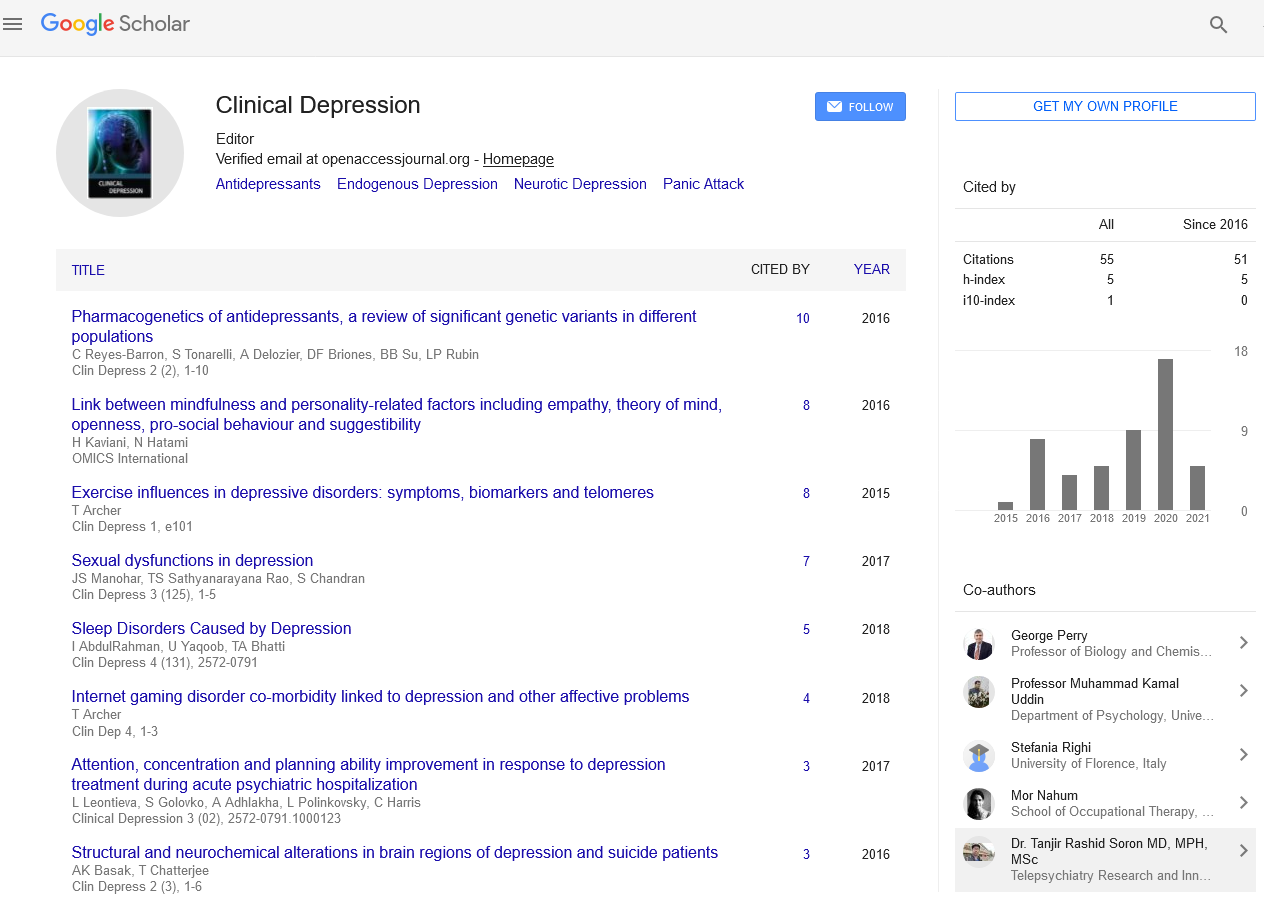
Clinical Depression received 89 citations as per Google Scholar report