Commentary - (2025) Volume 14, Issue 6
Received: 01-Dec-2025, Manuscript No. jnc-25-178149;
Editor assigned: 03-Dec-2025, Pre QC No. P-178149;
Reviewed: 17-Dec-2025, QC No. Q-178149;
Revised: 22-Dec-2025, Manuscript No. R-178149;
Published:
29-Dec-2025
, DOI: DOI: 10.37421/2167-1168.2025.14.742
Citation: Fischer, Naomi. ”Holistic Geriatric Care: Dignity, Autonomy, Quality Of Life.” J Nurs Care 14 (2025):742.
Copyright: © 2025 Fischer N. This is an open-access article distributed under the terms of the Creative Commons Attribution License, which permits unrestricted use, distribution and reproduction in any medium, provided the original author and source are credited.
The field of geriatric nursing is rapidly evolving, driven by the increasing global population of older adults and the unique healthcare needs that accompany aging. This discipline emphasizes a comprehensive and holistic approach to care, recognizing that the physical, emotional, and social well-being of older individuals are intricately linked. The overarching goal is to promote dignity, autonomy, and an enhanced quality of life for this demographic. Special attention is given to the growing prevalence of chronic diseases, necessitating specialized nursing interventions and a proactive approach to management. The complex interplay of multiple health conditions requires nurses to possess advanced assessment and intervention skills to effectively support aging individuals. This includes a keen focus on managing pain effectively, conducting thorough cognitive assessments, and implementing robust fall prevention strategies to ensure safety and maintain independence. The collaborative nature of geriatric care is paramount, requiring seamless communication and coordinated efforts among various healthcare professionals, patients, and their families. Understanding and navigating the ethical landscape of caring for older adults is also a critical component, involving sensitive discussions about autonomy, consent, and end-of-life preferences. The rewards of working with this population are significant, offering opportunities for profound patient relationships and the satisfaction of making a tangible difference in their lives. Continued professional development and the integration of evidence-based practices are essential to meet the dynamic demands of this specialized area of nursing. Advanced nursing strategies are crucial for managing the complexities that arise from multiple chronic conditions prevalent in older adults. This involves proactive assessment and the development of individualized care plans tailored to each patient's specific needs and circumstances. The integration of technology, such as remote monitoring systems, offers new avenues for continuous patient observation and early detection of potential health issues, thereby enhancing the efficiency and effectiveness of care delivery. The promotion of self-management skills empowers older adults to take an active role in their health, fostering a sense of control and improving adherence to treatment regimens. The paper also underscores the importance of a patient-guided approach, ensuring that all care decisions are aligned with individual preferences and deeply held values. The effectiveness of person-centered care models is particularly evident in improving the quality of life for individuals living with dementia. Such models emphasize the creation of individualized care plans that meticulously consider the person's life history, personal preferences, and remaining abilities. By focusing on these aspects, nurses can significantly reduce the occurrence of challenging behaviors and foster greater engagement in daily activities. Creating a supportive and nurturing environment is crucial, enabling nurses to facilitate meaningful interactions and help residents maintain a strong sense of identity. The positive outcomes extend to improved resident well-being and a reduction in staff stress, highlighting the comprehensive benefits of this approach. The critical issue of falls in the elderly population demands a multifaceted and evidence-based prevention approach. This involves the systematic use of risk assessment tools to identify individuals at higher risk, coupled with environmental modifications to create safer living spaces. Promoting physical activity and targeted exercise programs plays a vital role in enhancing balance, strength, and overall mobility, thereby reducing the likelihood of falls. A thorough review of medications is also essential, as certain drugs can significantly increase fall risk. Educating patients and their families about fall prevention strategies within the home environment is a cornerstone of this initiative. The article highlights the indispensable role of interdisciplinary collaboration among nurses, physicians, and physical therapists in developing and implementing effective fall prevention programs that address all contributing factors. Effective pain management in older adults, especially those with multiple comorbidities, is a significant challenge that requires a nuanced and comprehensive nursing approach. A thorough assessment of pain characteristics, including its impact on daily function and overall quality of life, is the foundational step. The discussion encompasses a range of pharmacological and non-pharmacological interventions, emphasizing the utility of a multimodal strategy to achieve optimal pain relief while minimizing adverse effects. Careful titration of analgesics is critical to balance efficacy and safety. Patient education and the principle of shared decision-making are presented as indispensable components that contribute to the success of pain management plans, ensuring that patients are informed and involved partners in their care. The crucial role of nurses in championing the mental well-being of older adults cannot be overstated. This involves a proactive approach to addressing common mental health challenges such as depression, anxiety, and feelings of loneliness, implementing strategies for early detection and timely intervention. Building strong therapeutic relationships founded on trust and empathy is paramount, alongside the judicious use of validated screening tools and the application of evidence-based psychosocial interventions. Nurses must also possess a keen awareness of how social determinants of health can profoundly influence mental health outcomes in the elderly, advocating for supportive social environments. Ethical considerations form a critical dimension of geriatric nursing practice, particularly concerning issues of autonomy, informed consent, and the complexities of end-of-life care. Nurses often navigate challenging situations where they must balance a patient's expressed wishes with the imperative of ensuring their safety, especially when cognitive capacity may be diminished. Open and honest communication with both patients and their families is emphasized as a vital practice, facilitating comprehensive advance care planning and ensuring that patient rights and deeply held values are consistently upheld. The implementation of ethical frameworks and structured decision-making models provides essential guidance for nurses in these sensitive situations. The transformative potential of technology in geriatric nursing is increasingly recognized, offering innovative ways to enhance patient care and improve health outcomes. This includes the widespread adoption of telehealth services, sophisticated remote monitoring devices, robust electronic health records, and various assistive technologies designed to support independent living. These technological advancements offer significant benefits, such as improving medication adherence, enabling earlier detection of health deviations, and bolstering patient independence. However, the discussion also acknowledges the practical challenges associated with technology integration, including issues of accessibility, varying levels of digital literacy among older adults, and the critical importance of ensuring data security and privacy. The vital importance of nutritional support for the aging population is a key area of focus within geriatric nursing. Older adults frequently encounter unique nutritional challenges, including a diminished appetite, difficulties with chewing and swallowing, and the exacerbating effects of chronic diseases on nutrient absorption and utilization. The article reviews evidence-based strategies essential for both nutritional assessment and effective intervention, encompassing tailored dietary modifications and the judicious use of oral nutritional supplements. The collaborative role of interdisciplinary teams is highlighted as crucial in optimizing the nutritional status of older adults, thereby preventing malnutrition and promoting overall health and well-being. Effective communication and strong interpersonal skills are indispensable for nurses providing care to older adults. Active listening, empathy, and a deep sense of cultural sensitivity are fundamental to establishing trust and fostering positive therapeutic relationships. The article addresses specific strategies for communicating effectively with individuals who may be experiencing sensory impairments, cognitive decline, or other communication barriers. The profound impact of adept communication on patient satisfaction, adherence to treatment plans, and ultimately, the improvement of health outcomes is underscored, emphasizing its central role in quality geriatric care. This comprehensive approach to geriatric nursing care acknowledges the multifaceted needs of older adults, integrating medical, social, ethical, and technological considerations to promote optimal health and well-being. The collective insights from these studies underscore the dynamic and evolving nature of geriatric nursing, highlighting the critical importance of specialized knowledge, skilled interventions, and a compassionate, person-centered approach to care. Continuous learning and adaptation are essential for nurses to effectively address the diverse and complex health profiles of the aging population, ensuring that each individual receives care that respects their dignity and enhances their quality of life. The integration of advanced technologies and evidence-based practices further refines the delivery of care, aiming for proactive management of health conditions and the empowerment of older adults in their healthcare journeys. The ethical dimensions of care, particularly concerning autonomy and decision-making capacity, require careful navigation and a commitment to patient advocacy. Ultimately, the goal is to foster an environment where older adults can age with grace, independence, and optimal health outcomes, supported by a dedicated and highly skilled nursing workforce. The emphasis on interdisciplinary collaboration and patient- and family-centered approaches ensures that care is coordinated, holistic, and responsive to individual needs and preferences, recognizing that the journey of aging is unique for each person. The integration of these diverse elements creates a robust framework for geriatric nursing practice. Furthermore, the proactive management of chronic conditions, the prevention of common geriatric syndromes like falls, and the attention to mental and nutritional health are all integral components of this comprehensive care model. The ongoing advancements in technology and the ethical considerations surrounding their use also play a significant role in shaping the future of geriatric nursing, promising to enhance efficiency and patient outcomes. The commitment to lifelong learning and the adoption of evidence-based strategies ensure that nurses are well-equipped to meet the challenges and embrace the opportunities presented by the growing elderly population. The collaborative efforts of healthcare teams, coupled with a deep understanding of the individual needs and preferences of older adults, are the cornerstones of delivering high-quality, person-centered care. The emphasis on promoting autonomy and dignity remains paramount throughout all aspects of geriatric nursing practice, ensuring that older adults are active participants in their healthcare decisions. The ongoing research and development in geriatric nursing continue to refine our understanding and enhance our ability to provide effective and compassionate care to this vital population group. The successful navigation of ethical dilemmas, coupled with the application of advanced clinical skills, ensures that nurses can provide comprehensive support throughout the aging process. The continuous evolution of best practices, informed by robust research, is critical to addressing the complex health needs of older adults effectively. The integration of a person-centered philosophy ensures that care is not only clinically sound but also deeply respectful of individual values and life experiences, fostering trust and improving patient outcomes. The dynamic interplay of these factors shapes the landscape of modern geriatric nursing.
Geriatric nursing is characterized by a profound commitment to providing comprehensive care for the aging population, emphasizing a holistic perspective that addresses physical, psychological, and social aspects of well-being. A cornerstone of this approach is the principle of person-centered care, which actively promotes the dignity, autonomy, and overall quality of life for older individuals. This focus is particularly critical given the escalating prevalence of chronic diseases among this demographic, which consequently elevates the demand for specialized nursing interventions and expertise. Key interventions include sophisticated pain management techniques, accurate cognitive assessments to detect and address potential impairments, and the implementation of effective fall prevention strategies designed to safeguard older adults from injury. The collaborative synergy among different healthcare disciplines, coupled with robust patient and family education initiatives, is essential for optimal outcomes. Furthermore, navigating the inherent ethical considerations within geriatric care requires sensitivity and a deep understanding of patient rights and values. The challenges and profound rewards associated with caring for this unique population underscore the importance of continuous professional development and the steadfast adherence to evidence-based practices. Advanced nursing strategies are now integral to managing the complex and often overlapping chronic conditions that characterize the health profiles of older adults. This involves a proactive and systematic approach to assessment, coupled with the development of highly individualized care plans that cater to the unique needs and circumstances of each patient. The strategic integration of technology, such as remote patient monitoring systems, provides an invaluable tool for continuous health surveillance and the timely identification of emerging health concerns, thereby enhancing the overall efficiency and effectiveness of care delivery. Moreover, fostering and promoting self-management skills empowers older adults to actively participate in and take greater control of their health, leading to improved treatment adherence and a stronger sense of agency. The authors strongly advocate for a care model that is guided by the patient's preferences and values, ensuring that all interventions are aligned with their personal beliefs and life goals. The impact of person-centered care models is significantly demonstrated in their ability to enhance the quality of life for individuals diagnosed with dementia. These models prioritize the development of individualized care plans that are meticulously tailored to the person's life history, unique preferences, and existing capabilities. This tailored approach has been shown to effectively reduce the incidence of challenging behaviors and foster greater engagement in daily activities. Cultivating a supportive and nurturing environment is paramount, enabling nurses to facilitate meaningful interactions and assist residents in maintaining a strong sense of self and identity. The positive ramifications of these approaches extend to improved overall resident well-being and a discernible reduction in occupational stress among healthcare staff. Addressing the critical issue of falls among the elderly population necessitates a comprehensive and evidence-based strategy for prevention. This approach integrates the systematic utilization of risk assessment tools to identify individuals most vulnerable to falls, alongside implementing environmental modifications designed to create safer living and healthcare settings. The promotion of physical activity and tailored exercise regimens plays a pivotal role in enhancing balance, strength, and overall mobility, thereby substantially reducing the risk of fall-related injuries. A meticulous review of all prescribed medications is also a crucial step, as certain pharmacological agents can significantly increase the risk of falls. Equally important is the comprehensive education of both patients and their families regarding effective fall prevention measures that can be implemented within the home environment. The article underscores the indispensable nature of interdisciplinary collaboration, involving nurses, physicians, and physical therapists, in the successful design and execution of robust fall prevention programs. Effective pain management in older adults, particularly those managing multiple comorbidities, presents a complex clinical challenge that requires a nuanced and multidisciplinary nursing approach. The initial and most critical step involves a thorough assessment of pain characteristics, encompassing its qualitative aspects and its impact on daily function and overall quality of life. The discussion systematically explores a broad spectrum of both pharmacological and non-pharmacological interventions, strongly advocating for a multimodal strategy to achieve optimal pain relief while vigilantly minimizing the potential for adverse side effects. Precise titration of analgesic medications is essential to strike a balance between therapeutic efficacy and patient safety. Furthermore, patient education and the principle of shared decision-making are presented as indispensable components that significantly contribute to the successful implementation and adherence to pain management plans. The essential role that nurses play in supporting and promoting the mental well-being of older adults is a significant aspect of geriatric care. This involves a proactive stance in identifying and addressing common mental health issues, such as depression, anxiety, and pervasive feelings of loneliness, by implementing effective strategies for early detection and prompt intervention. The cultivation of strong therapeutic relationships, built on a foundation of trust and empathy, is paramount, alongside the judicious application of validated screening tools and evidence-based psychosocial interventions. Nurses must also possess a heightened awareness of how various social determinants of health can exert a profound influence on mental health outcomes within the elderly population, necessitating advocacy for supportive social contexts. Ethical considerations represent a critical and often sensitive dimension of geriatric nursing practice, particularly concerning the nuanced issues of patient autonomy, informed consent, and the complexities surrounding end-of-life care decisions. Nurses frequently encounter challenging situations where they must carefully balance a patient's expressed wishes with the overarching imperative of ensuring their safety, especially when there is a potential for diminished decision-making capacity. The importance of fostering open, honest, and continuous communication with both patients and their families is highlighted as a vital practice, facilitating comprehensive advance care planning and ensuring that the patient's rights and deeply held values are consistently respected and advocated for. The utilization of established ethical frameworks and structured decision-making models serves to provide essential guidance for nurses navigating these intricate and sensitive situations. The escalating role of technology in the provision of geriatric nursing care offers significant opportunities to enhance patient outcomes and improve the overall quality of care delivery. This encompasses the integration of telehealth services, advanced remote monitoring devices, comprehensive electronic health records, and a variety of assistive technologies designed to support independent living and enhance daily functioning. The benefits derived from these technological advancements are substantial, including improvements in medication adherence, the facilitation of earlier detection of potential health issues, and the empowerment of patients to maintain greater independence. However, the discussion also thoughtfully addresses the practical challenges associated with the widespread adoption of these technologies, including concerns related to accessibility for all patients, varying levels of digital literacy among older adults, and the critical imperative of ensuring robust data security and patient privacy. The critical importance of adequate nutritional support for the aging population is a central theme within the domain of geriatric nursing. Older adults frequently encounter a unique constellation of nutritional challenges, which can include a diminished appetite, physiological difficulties with chewing and swallowing, and the impact of chronic diseases on nutrient absorption and metabolic processes. The article meticulously reviews evidence-based strategies essential for both accurate nutritional assessment and effective intervention, encompassing tailored dietary modifications and the judicious use of oral nutritional supplements. The collaborative role of interdisciplinary teams is emphasized as crucial in the comprehensive optimization of nutritional status for older adults, thereby playing a vital role in the prevention of malnutrition and the overall promotion of health and well-being. The cultivation of effective communication skills and strong interpersonal competencies is indispensable for nurses providing care to the geriatric population. Active listening, genuine empathy, and a profound appreciation for cultural sensitivity are fundamental elements in establishing trust and fostering positive therapeutic relationships. The article provides specific, actionable strategies for communicating effectively with individuals who may be experiencing sensory impairments, cognitive decline, or other significant communication barriers. The profound and far-reaching impact of adept communication on key outcomes such as patient satisfaction, adherence to prescribed treatment plans, and ultimately, the improvement of overall health outcomes is strongly underscored, highlighting its central and critical role in the delivery of high-quality geriatric care. This extensive body of research collectively illuminates the multifaceted and evolving landscape of geriatric nursing. The findings consistently emphasize the necessity of a specialized knowledge base, advanced clinical skills, and a deeply compassionate, person-centered philosophy of care to effectively address the diverse and complex health needs of an aging global population. The commitment to ongoing professional development and the rigorous integration of evidence-based practices are paramount for nurses to navigate the dynamic challenges and seize the opportunities presented by this growing demographic. The emphasis on fostering autonomy and dignity remains a guiding principle across all facets of geriatric nursing, ensuring that older adults are empowered as active participants in their own healthcare journeys. The continuous advancement of technology and the careful consideration of ethical implications associated with its implementation are poised to further refine the efficiency and effectiveness of care delivery, promising enhanced patient outcomes. Ultimately, the collective wisdom from these diverse studies converges on the shared goal of creating an environment where older adults can experience their later years with optimal health, independence, and unwavering dignity, supported by a dedicated, highly skilled, and compassionate nursing workforce. The integration of these various elements forms a robust and adaptable framework for contemporary geriatric nursing practice, poised to meet the needs of current and future generations of older adults. The collaborative efforts of multidisciplinary healthcare teams, when combined with a profound understanding of individual patient needs and preferences, form the bedrock of delivering truly person-centered and high-quality care. The ongoing pursuit of knowledge and the adaptation of best practices are essential for nurses to excel in this field. The continuous evolution of research in geriatric nursing further refines our understanding and enhances our capacity to provide effective and compassionate support throughout the aging process. The successful navigation of complex ethical dilemmas, alongside the application of advanced clinical skills, ensures that nurses can provide comprehensive and holistic support throughout an individual's aging journey. The proactive management of chronic conditions, the critical prevention of common geriatric syndromes like falls, and focused attention on mental and nutritional health are all integral components of this holistic care model. The dynamic interplay of these diverse factors shapes the landscape of modern geriatric nursing, underscoring its importance and complexity.
Geriatric nursing demands a holistic, person-centered approach to care for the aging population, prioritizing dignity, autonomy, and quality of life. This field addresses the growing prevalence of chronic diseases with specialized interventions such as advanced pain management, cognitive assessment, and fall prevention. Interdisciplinary collaboration, patient education, and ethical considerations are paramount. Advanced strategies manage complex comorbidities through proactive assessment and individualized plans, often integrating technology for remote monitoring. Person-centered care models significantly improve the quality of life for individuals with dementia by focusing on personal history and preferences. Evidence-based fall prevention strategies involve risk assessment, environmental modifications, and exercise. Effective pain management utilizes multimodal approaches with careful medication titration and patient involvement. Nurses play a crucial role in promoting mental well-being through early detection and psychosocial interventions, while also considering social determinants of health. Ethical dilemmas in geriatric care require careful navigation of autonomy, consent, and end-of-life issues. Technology integration, including telehealth and remote monitoring, offers opportunities and challenges in enhancing care. Nutritional support is vital, addressing common challenges with tailored interventions and interdisciplinary teamwork. Strong communication skills, including empathy and active listening, are essential for building trust and improving patient outcomes. The field continuously evolves with advancements in research, technology, and ethical practice, all aimed at ensuring optimal health and well-being for older adults.
None
None
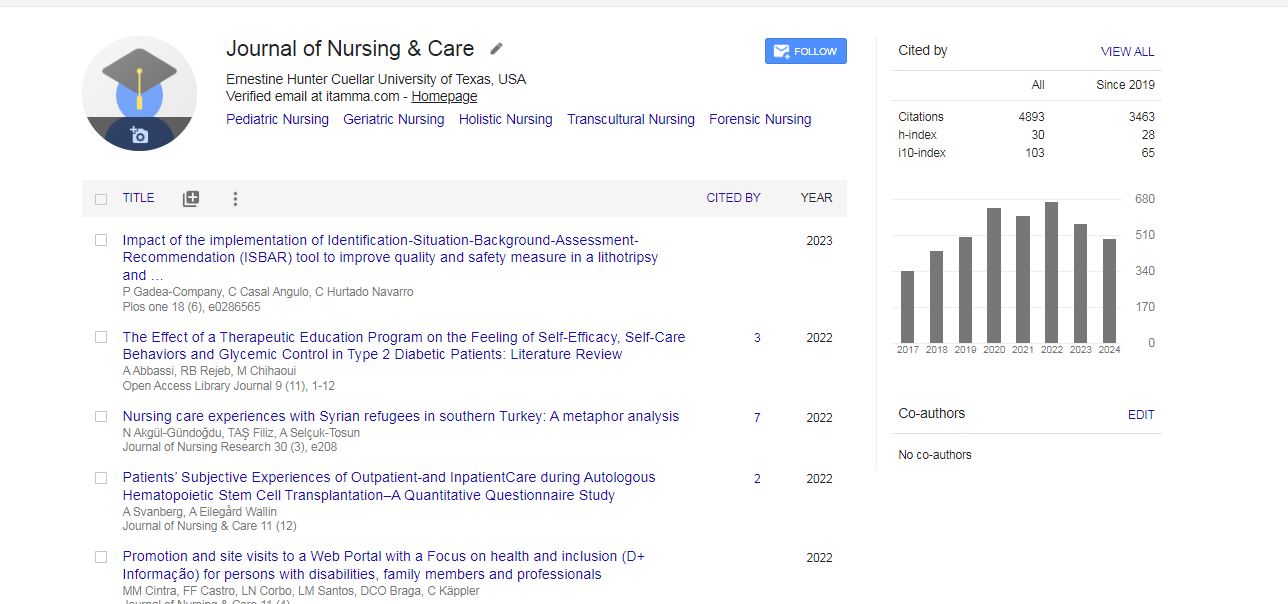
Journal of Nursing & Care received 4230 citations as per Google Scholar report