Perspective - (2025) Volume 14, Issue 4
Received: 01-Jul-2025, Manuscript No. jtm-26-186021;
Editor assigned: 03-Jul-2025, Pre QC No. P-186021;
Reviewed: 17-Jul-2025, QC No. Q-186021;
Revised: 22-Jul-2025, Manuscript No. R-186021;
Published:
29-Jul-2025
, DOI: 10.37421/2167-1222.2025.14.694
Citation: Nagy, Eszter. ”Geriatric Trauma: Complex Care For Quality Of Life.” J Trauma Treat 14 (2025):694.
Copyright: © 2025 Nagy E. This is an open-access article distributed under the terms of the Creative Commons Attribution License, which permits unrestricted use, distribution and reproduction in any medium, provided the original author and source are credited.
Managing trauma in the elderly presents a distinct and complex landscape, necessitating a specialized approach due to inherent physiological changes that accompany aging. These alterations include a diminished physiological reserve, rendering older adults more susceptible to the adverse consequences of traumatic injury. Such vulnerabilities manifest in a blunted inflammatory response, impaired wound healing capabilities, and an increased propensity for complications like delirium and polypharmacy issues. Therefore, trauma centers are increasingly called upon to implement specialized protocols meticulously designed to address these unique geriatric vulnerabilities, ensuring a tailored and effective response to their care. It is imperative to recognize that the physiological reserve of older adults is notably diminished, rendering them more susceptible to the detrimental effects of trauma. This diminished reserve contributes to a blunted inflammatory response, impaired healing processes, and a higher likelihood of experiencing complications such as delirium and adverse effects from polypharmacy. Consequently, trauma centers must develop and adhere to specialized protocols that specifically account for these geriatric vulnerabilities to optimize patient outcomes and recovery. [1] The challenges in geriatric trauma are further compounded by the presence of increased comorbidities, which are more prevalent in older populations and can significantly complicate management strategies. Conditions such as cardiovascular disease, diabetes mellitus, and chronic kidney disease are common and can profoundly influence resuscitation goals, fluid management, and the overall response to therapeutic interventions. A comprehensive understanding of the patient's pre-trauma medical history is therefore vital for effective and individualized care planning in this demographic. [2] Altered drug metabolism in the elderly population also poses a significant hurdle in trauma management. Age-related changes in liver and kidney function can alter the pharmacokinetics and pharmacodynamics of medications, potentially leading to reduced efficacy or increased toxicity. This necessitates careful dosing and vigilant monitoring of pharmacological interventions to ensure patient safety and therapeutic success. [3] These age-related factors often contribute to delayed presentation of injuries and the manifestation of atypical symptoms, which can obscure the severity of the trauma and impede timely diagnosis. Consequently, there is a higher risk of complications, increased mortality rates, and a greater likelihood of functional decline following traumatic events in older adults compared to younger individuals. Early recognition and prompt intervention are therefore paramount. [4] Head injuries in the elderly are a particular area of concern due to their increased vulnerability. These injuries may present with subtle signs and symptoms, making diagnosis challenging. Furthermore, the risk of intracranial hemorrhage is notably elevated, even following low-energy mechanisms of injury. Consequently, prompt neuroimaging and continuous, close monitoring are essential for early detection and management of potential complications. [5] Fractures, especially hip fractures, are common in the elderly and have a profound impact on their mobility, independence, and overall quality of life. The management of these fractures extends beyond surgical intervention to encompass a comprehensive strategy for pain control, rehabilitation, and the prevention of secondary complications such as deep vein thrombosis and pressure ulcers. Risk stratification using frailty scores can aid in tailoring treatment plans. [6] Delirium stands out as a frequent and serious complication following trauma in older adults. Its occurrence is often associated with prolonged hospital stays, increased morbidity, and a significant decline in functional status. Proactive screening for delirium, diligent management of its underlying causes, and a strategic focus on non-pharmacological interventions are critical components of both prevention and effective treatment. [7] Pain management in geriatric trauma patients requires a nuanced approach due to altered pharmacokinetics and pharmacodynamics. The use of opioids, while sometimes necessary, carries increased risks of respiratory depression, cognitive impairment, and constipation. Therefore, multimodal pain management strategies that combine different therapeutic modalities are frequently preferred to optimize efficacy and minimize adverse effects. [8] Nutritional support plays a critical role in the recovery of elderly trauma patients, aiding in wound healing and preventing deleterious muscle loss. Malnutrition is a common underlying issue in this population, which can be exacerbated by the physiological stress of trauma. Early initiation of appropriate enteral or parenteral nutrition is strongly recommended to support recovery. [9] The ultimate goal in managing trauma in the elderly extends beyond mere survival; it encompasses the restoration of functional independence and the enhancement of quality of life. This necessitates a holistic and multidisciplinary approach that integrates acute care with long-term rehabilitation and successful community reintegration, ensuring comprehensive support throughout the recovery journey. [10]
Managing trauma in the elderly necessitates a profound understanding of the unique physiological changes that accompany aging, which significantly influence injury presentation and outcomes. These changes include a diminished physiological reserve, making older adults more susceptible to the deleterious effects of trauma, manifesting as a blunted inflammatory response and impaired healing capabilities. Consequently, they face a higher likelihood of developing complications such as delirium and adverse effects from polypharmacy. To effectively address these vulnerabilities, trauma centers must adopt specialized protocols tailored to the geriatric population, ensuring that care plans are responsive to their specific needs and inherent risks. [1] The presence of multiple comorbidities is a hallmark of the elderly trauma patient, adding layers of complexity to treatment strategies. Conditions like cardiovascular disease, diabetes, and chronic kidney disease are frequently encountered and can directly impact crucial aspects of care, including resuscitation targets, fluid management strategies, and the patient's overall response to interventions. Therefore, a meticulous review of the patient's pre-trauma medical history is indispensable for guiding effective and individualized management decisions. [2] Altered drug metabolism, a common consequence of aging, presents a significant challenge in the pharmacologic management of trauma patients. Changes in hepatic and renal function can alter how medications are absorbed, distributed, metabolized, and excreted, potentially leading to therapeutic failures or increased risk of adverse drug events. This underscores the importance of careful dosing adjustments and vigilant pharmacovigilance. [3] These age-related physiological and pathological factors often culminate in delayed presentation of traumatic injuries and the emergence of atypical symptoms. This can delay diagnosis and treatment initiation, increasing the risk of complications, mortality, and significant functional decline. Early recognition of subtle signs and prompt, aggressive resuscitation are therefore critical for improving outcomes in this vulnerable group. [4] Traumatic brain injuries (TBIs) in the elderly population warrant particular attention due to their elevated susceptibility and the often subtle nature of their presentation. Even minor head trauma can lead to significant intracranial pathology, such as hemorrhage, which is more common in older individuals. Early and comprehensive neuroimaging, coupled with continuous monitoring, is essential for timely diagnosis and intervention. [5] Fracture management in the elderly, particularly hip fractures, demands a multifaceted approach that goes beyond surgical repair. These injuries profoundly impact mobility and quality of life, necessitating a comprehensive strategy that includes aggressive pain management, intensive rehabilitation, and proactive measures to prevent secondary complications like venous thromboembolism and pressure injuries. Frailty assessment aids in risk stratification. [6] Delirium is a prevalent and serious post-traumatic complication in older adults, often leading to extended hospitalizations, increased morbidity, and a significant deterioration in functional status. Effective management hinges on proactive screening, addressing precipitating factors, and prioritizing non-pharmacological interventions to mitigate its incidence and impact. [7] Pain management in elderly trauma patients requires careful consideration of altered pharmacokinetics and pharmacodynamics, which can influence drug efficacy and safety. While opioids may be necessary, their use is associated with increased risks, including respiratory depression and cognitive impairment. Consequently, multimodal pain management strategies are frequently employed to provide effective analgesia while minimizing adverse effects. [8] Adequate nutritional support is paramount for facilitating healing and preserving muscle mass in elderly trauma patients. Malnutrition is common and can be exacerbated by the catabolic stress of trauma. Early nutritional assessment and intervention, whether through enteral or parenteral routes, are crucial for optimizing recovery and preventing further decline. [9] The overarching objective in managing geriatric trauma is not solely survival but the restoration of pre-injury functional independence and an improved quality of life. This necessitates a comprehensive, multidisciplinary approach that extends beyond the acute hospital phase to encompass long-term rehabilitation and effective reintegration into the community, ensuring holistic support for the patient's recovery and well-being. [10]
Trauma management in the elderly is complex due to age-related physiological changes, comorbidities, and altered drug metabolism, leading to delayed presentations, atypical symptoms, and increased complications. Early recognition, aggressive resuscitation, and tailored multidisciplinary care are vital. Specific concerns include head injuries with a higher risk of hemorrhage, fractures impacting mobility, and the common complication of delirium. Pain management and nutritional support require careful consideration. The ultimate goal is not just survival but the restoration of functional independence and quality of life, emphasizing a holistic approach that extends into long-term rehabilitation and community reintegration.
None
None
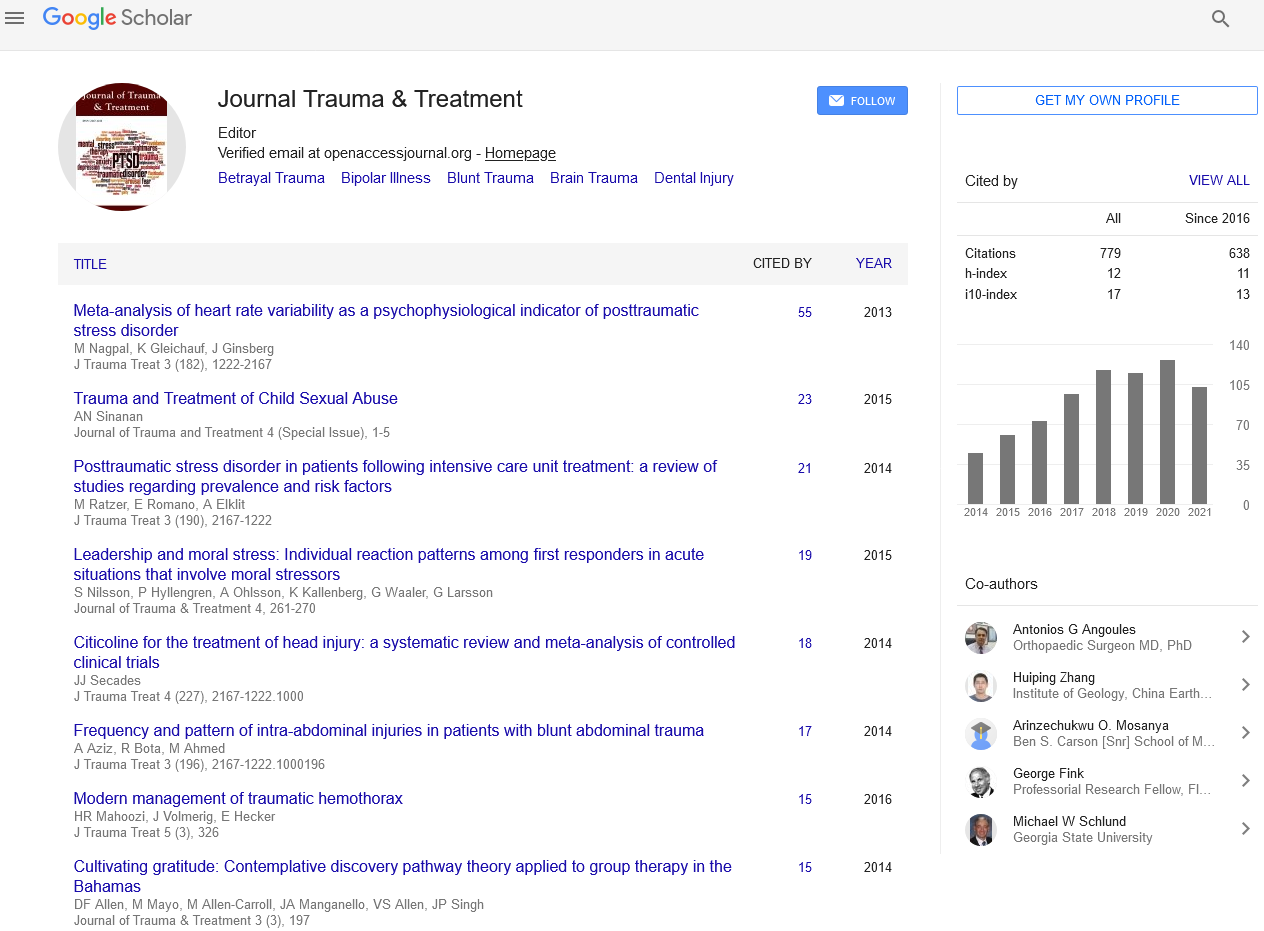
Journal of Trauma & Treatment received 1048 citations as per Google Scholar report